Email: info@mggpacking.com | Tel: +86-13510174848 ( Mr. Yao)


In the world of healthcare and scientific research, every detail matters. When it comes to storing life-saving vaccines, delicate blood samples, or groundbreaking research specimens, there's no room for error. That's where cryogenic tubes come in—small yet mighty containers that stand guard over some of the most critical materials in medicine and science. But what keeps these tiny vessels trustworthy? Often, it's the unsung hero: the sealing liner. Today, we're diving into why a non-toxic, tasteless sealing liner isn't just a feature, but a lifeline for medical safety, and how one cryogenic tubes manufacturer is setting the standard for reliability.
Imagine a researcher working late in a lab, carefully transferring a vial of stem cells into a cryogenic tube. These cells could one day help treat a patient with a rare disease. Or picture a pharmaceutical technician packaging a batch of vaccines, knowing that each cryogenic tube must keep the contents stable for months, even years, at -196°C. In these moments, the tube isn't just a container—it's a promise. A promise that the sample inside remains pure, untainted, and viable when it matters most.
Cryogenic tubes are designed to withstand extreme cold, but their true strength lies in the seal. A weak seal can lead to contamination, sample loss, or worse—compromising research results or putting patient health at risk. That's why the sealing liner, the thin layer that ensures an airtight, leak-proof closure, is the heart of any reliable cryogenic tube. And when it comes to medical applications, "good enough" isn't enough. The liner must be non-toxic, tasteless, and inert—no chemicals leaching into the sample, no off-putting odors or flavors that could affect sensitive materials.
Think about it: If a cryogenic tube's liner releases even trace amounts of harmful substances, it could render an entire batch of vaccines unsafe or invalidate years of research. For scientists and healthcare professionals, that's not a risk they can take. They need a partner they can trust—a manufacturer who prioritizes safety as much as they do.
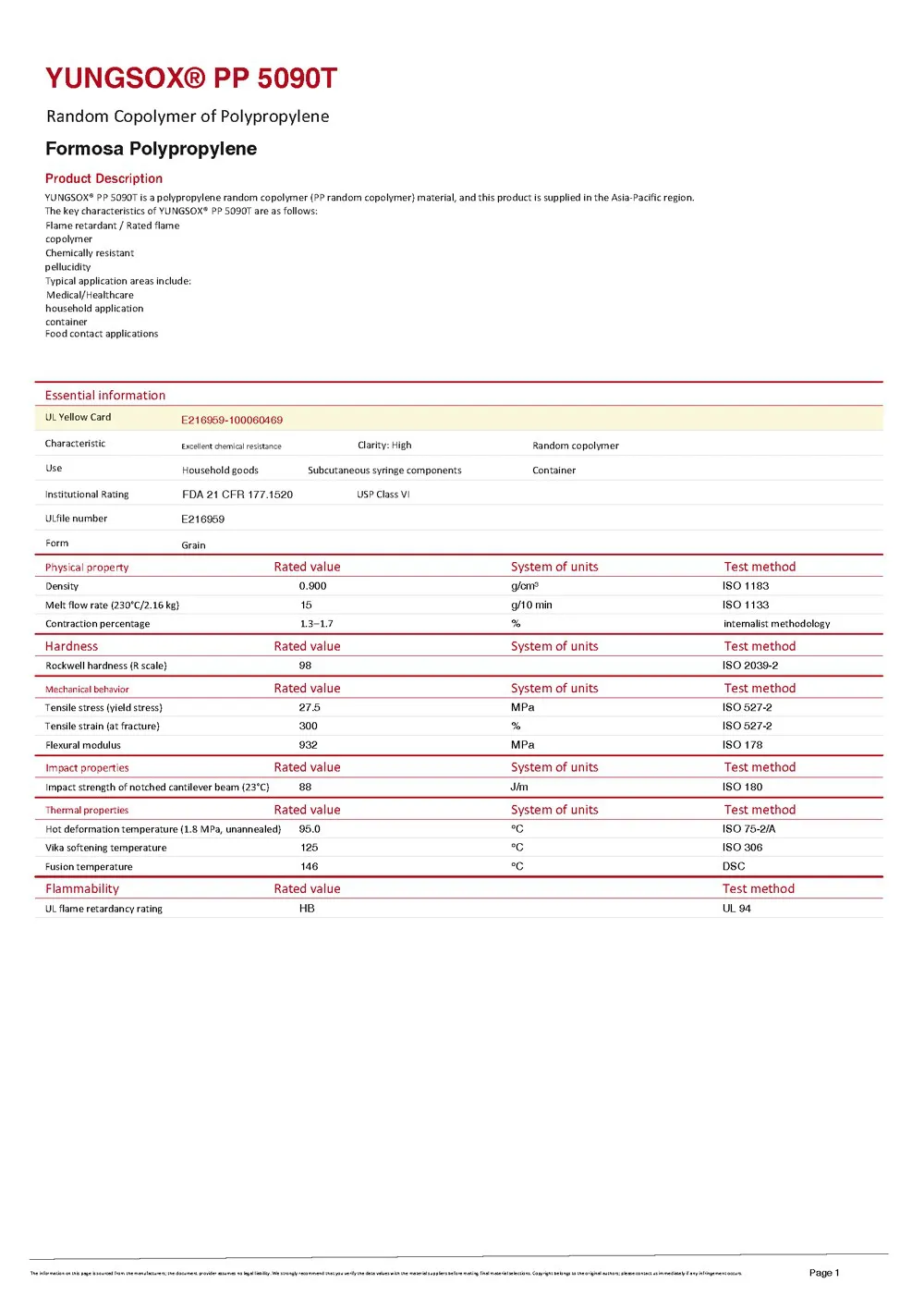
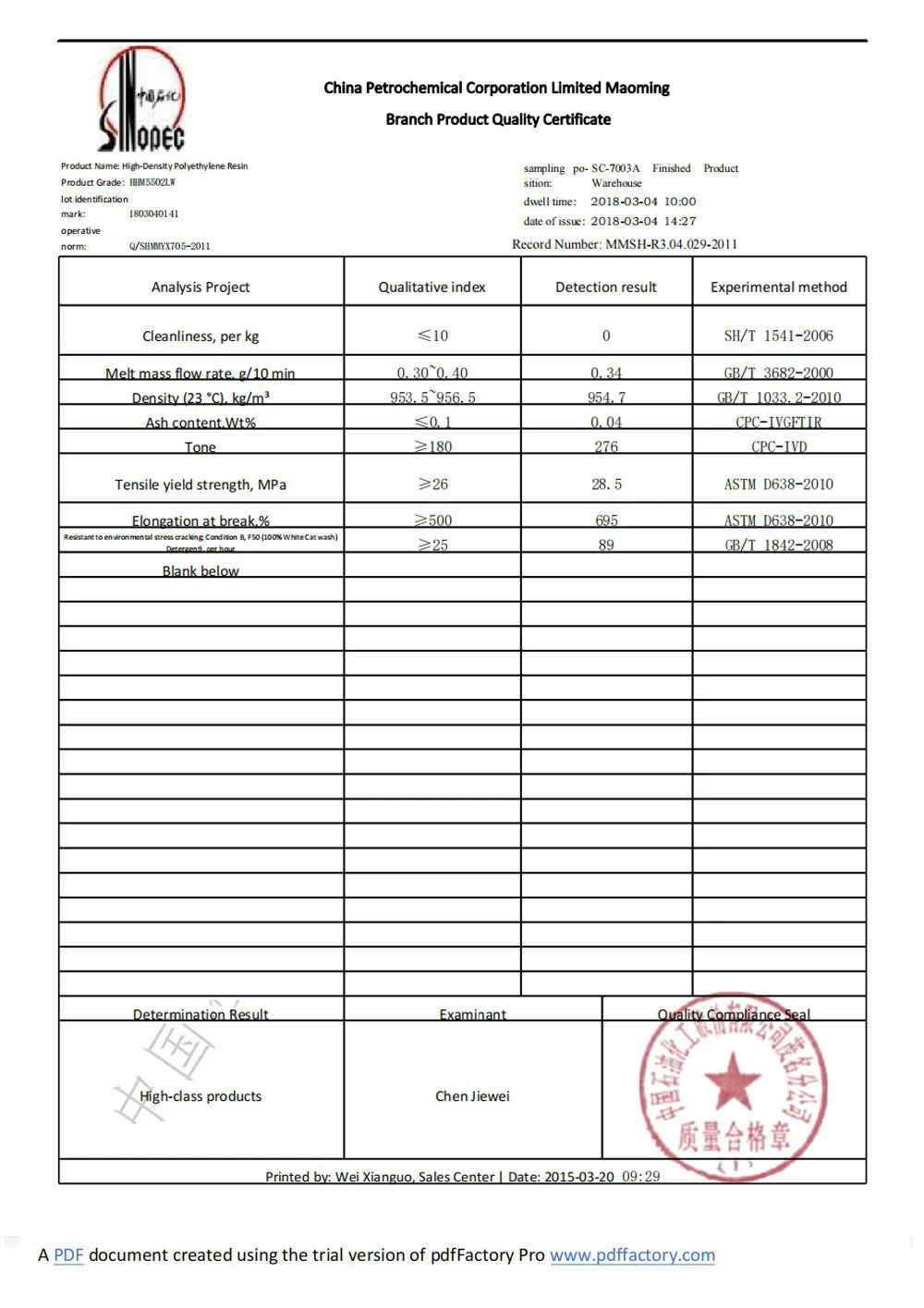
Creating a sealing liner that meets medical-grade standards is no simple task. It starts with choosing the right materials. Medical-grade liners are typically made from high-purity polymers like HDPE (High-Density Polyethylene) or specialized elastomers, selected for their ability to resist extreme temperatures, repel moisture, and remain chemically stable. But it's not just about the material—it's about the manufacturing process, too.
At a dust-free GMP compliant workshop , every step is controlled to prevent contamination. From raw material inspection to (molding) and assembly, the environment is kept free of particles, humidity, and temperature fluctuations that could compromise the liner's integrity. Workers wear specialized gear, and equipment is sanitized regularly. This isn't just about following rules—it's about respecting the critical role these tubes play in healthcare.
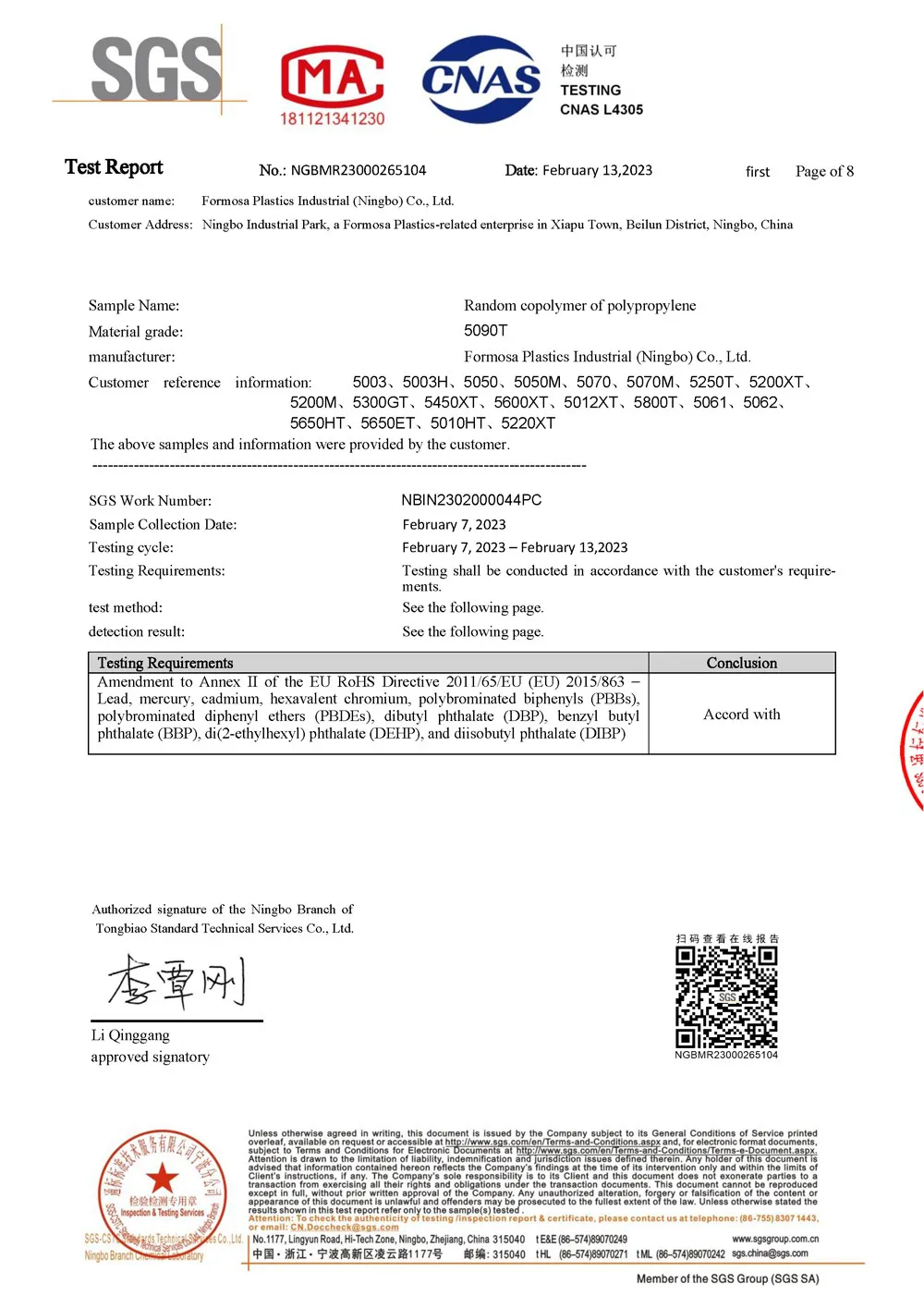
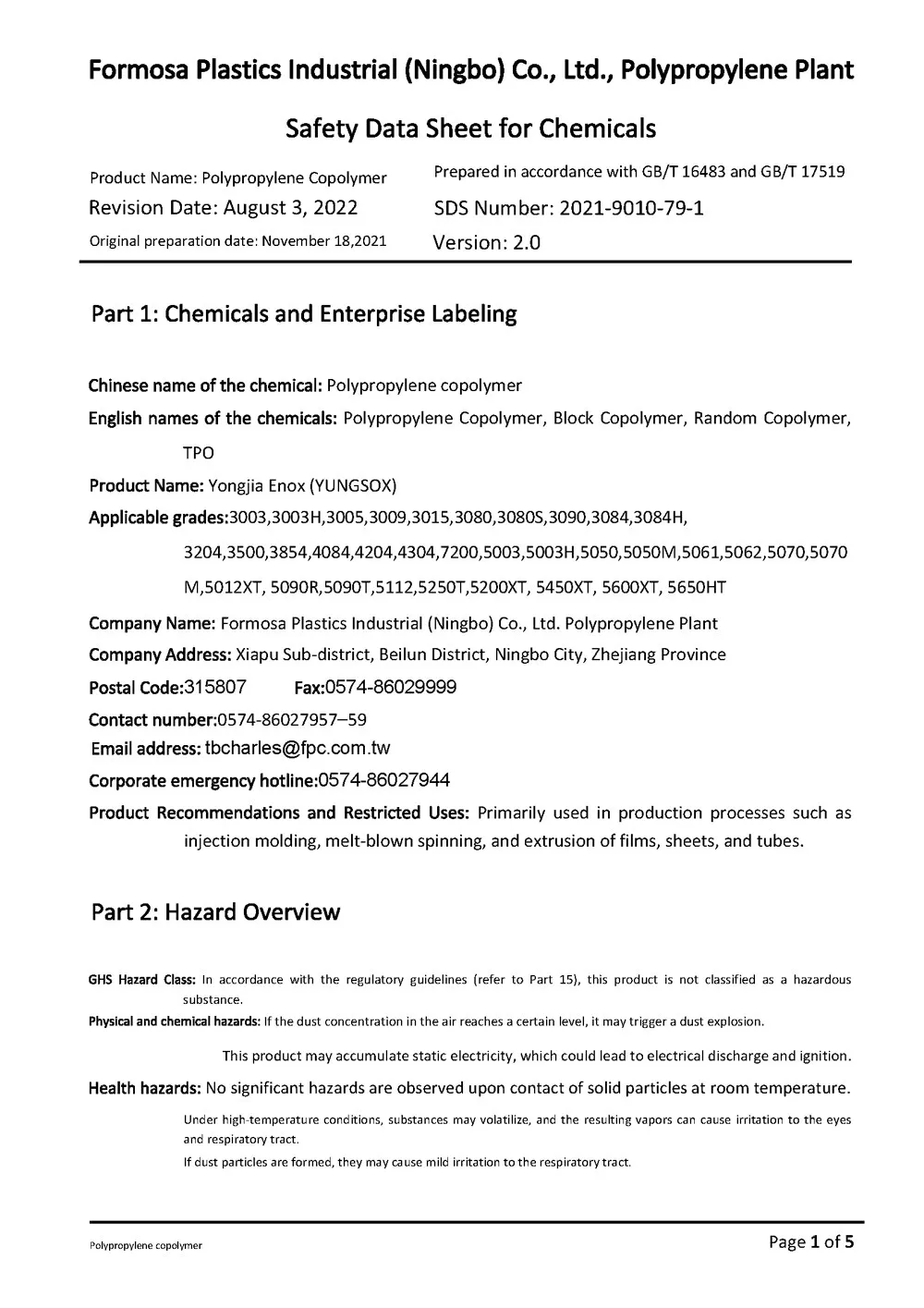
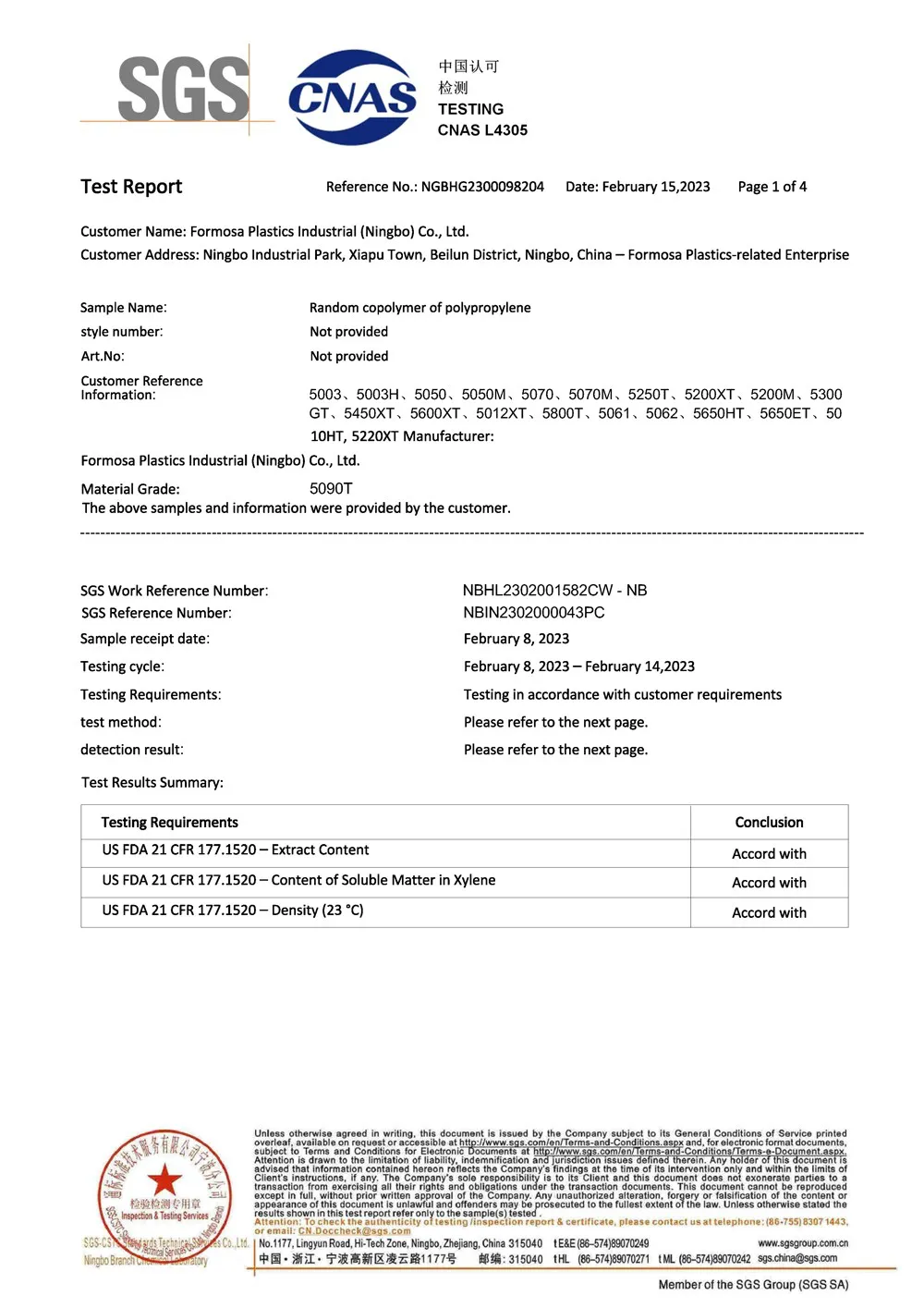
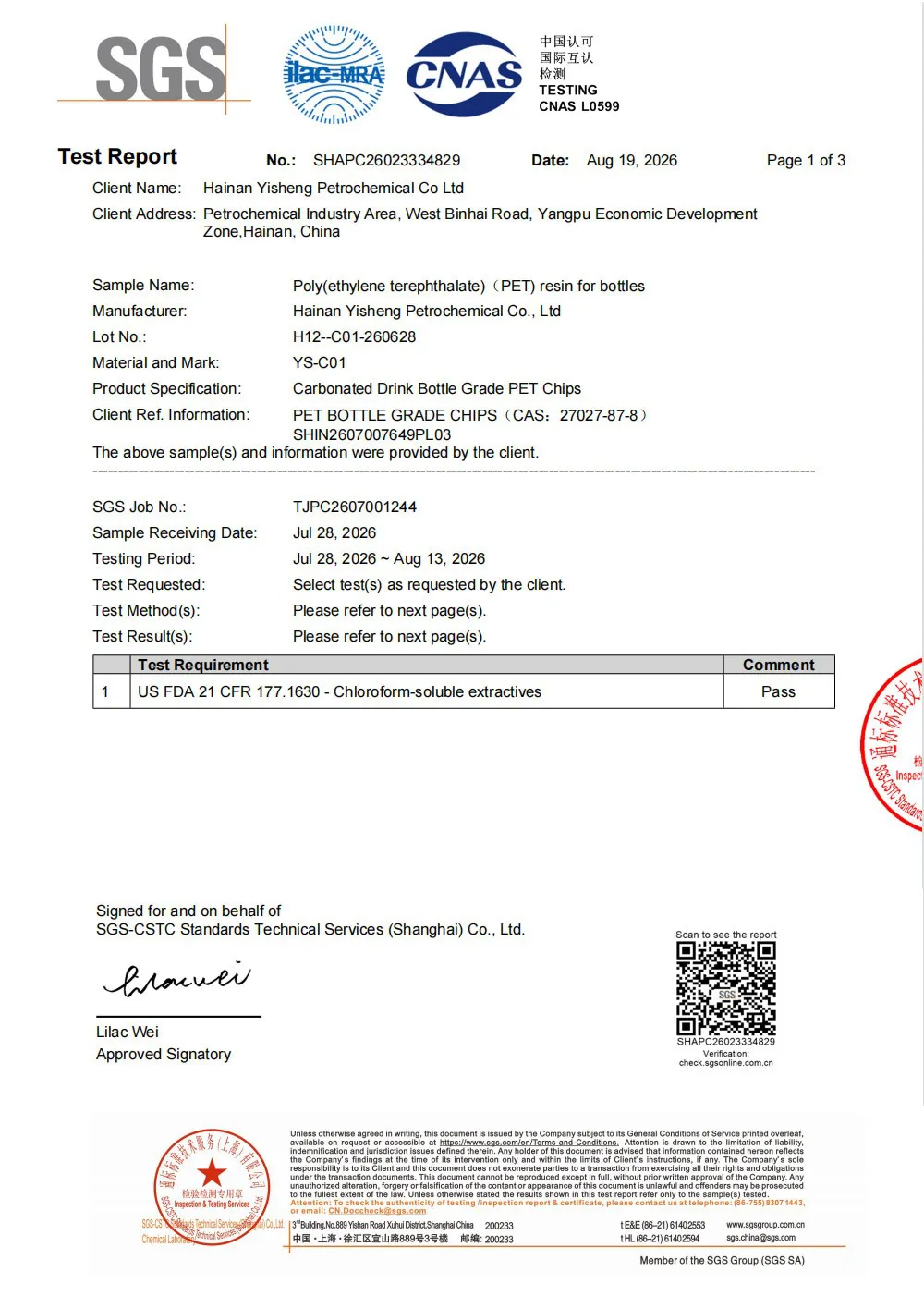
But what makes a liner "non-toxic" and "tasteless"? Rigorous testing. Before a liner ever touches a cryogenic tube, it undergoes a battery of assessments: solvent extraction tests to ensure no harmful chemicals leach out, sensory evaluations to check for taste or odor, and biocompatibility studies to confirm it won't trigger adverse reactions. For medical applications, these tests aren't optional—they're mandatory. And when a facility is ISO9001 certified packaging factory , you can be sure these tests are consistent, documented, and up to global standards.
A great sealing liner is only as good as the tube it's paired with. That's why leading manufacturers don't stop at liners—they invest in the entire ecosystem of cryogenic tube production. Let's break down the key elements:
Take, for example, a scenario where a hospital needs cryogenic tubes for storing blood samples. The tubes must not only seal tightly but also resist cracking at ultra-low temperatures. A manufacturer with in-house mold design can tweak the tube's wall thickness or cap design to meet these specific needs, ensuring the tubes perform flawlessly in real-world conditions.
It's easy to talk about standards and testing, but let's ground this in reality. Consider a recent outbreak of a rare virus. Public health officials need to collect, store, and transport thousands of samples to labs for testing. If the cryogenic tubes used have faulty liners, samples could leak, leading to cross-contamination or inaccurate results. This isn't just a delay—it could mean the difference between containing an outbreak and letting it spread.
Or think about a biotech startup working on a new cancer treatment. Their research relies on storing cell cultures in cryogenic tubes for months. A non-toxic liner ensures the cells remain unaltered, so when they're thawed, they're exactly as they were when frozen. That consistency is what turns lab discoveries into life-saving therapies.
These aren't hypothetical scenarios—they're everyday realities in healthcare and research. And they're why choosing the right cryogenic tubes manufacturer isn't just a business decision; it's a commitment to patient safety and scientific progress.
As the world focuses more on sustainability, the medical packaging industry is evolving, too. Today's manufacturers aren't just prioritizing safety—they're also finding ways to reduce environmental impact. That means exploring recycled materials (like PCR plastic) for non-critical components, optimizing production processes to minimize waste, and designing tubes that are easier to recycle without compromising performance.
But here's the thing: sustainability never comes at the cost of safety. A recycled liner might be eco-friendly, but it still has to pass the same rigorous non-toxicity and leak tests as its non-recycled counterpart. It's a balancing act, but one that forward-thinking manufacturers are mastering.
At the end of the day, medical packaging is about trust. Researchers trust that their samples will stay pure. Pharmacists trust that vaccines will remain effective. Patients trust that the treatments they receive are safe. And that trust starts with the smallest details—like a non-toxic, tasteless sealing liner in a cryogenic tube.
For over a decade, this ISO9001 certified packaging factory has built its reputation on that trust. With a dust-free GMP compliant workshop , in-house custom mold design for plastic bottles , and a team that cares as much about safety as the scientists who use their products, they're more than a supplier—they're a partner in progress. Because when it comes to medical safety, there's no room for shortcuts.
So the next time you see a cryogenic tube, remember: it's not just a plastic container. It's a promise. A promise kept by the right materials, rigorous testing, and a commitment to excellence. And in the world of healthcare, that promise is everything.