Email: info@mggpacking.com | Tel: +86-13510174848 ( Mr. Yao)


Walk into any skincare store or browse a beauty brand's website, and you'll notice a common hero in their product lineup: the humble pump bottle. From facial moisturizers to liquid soaps, from hand sanitizers to luxury serums, pump bottles have become indispensable in modern personal care. They offer convenience, precise dosage, and a touch of sophistication—qualities that matter just as much to consumers as the formula inside. For brands looking to stand out, partnering with an experienced OEM plastic pump bottles manufacturer isn't just a choice; it's a strategic move to align packaging with product quality and brand identity. And when it comes to reliable, cost-effective, and highly customizable solutions, China has emerged as a global leader in this space.
In this article, we'll dive into why China is the go-to destination for OEM plastic pump bottles, what makes a great pump bottle design, how customization works from concept to production, and why choosing the right supplier—one with factory direct capabilities and a commitment to quality—can transform your product line. Whether you're a startup skincare brand or an established pharmaceutical company, understanding the nuances of OEM pump bottle manufacturing will help you make informed decisions that resonate with your customers and bottom line.
It's no secret that China dominates global manufacturing, but when it comes to plastic pump bottles, the country offers more than just scale. Over the past two decades, Chinese suppliers have invested heavily in technology, design expertise, and quality control systems, making them trusted partners for brands worldwide. Here's why so many B2B buyers turn to China for their OEM pump bottle needs:
Every brand has a unique story, and your packaging should tell that story. Chinese manufacturers specialize in turning creative concepts into tangible products. Whether you need custom lotion pump bottles with a matte finish for your organic skincare line or HDPE pump bottles for liquid soap with a child-resistant lock for a family-friendly brand, suppliers in China can accommodate even the most specific requests. From mold design to color matching (Pantone exact, of course), from logo embossing to unique pump mechanisms—if you can imagine it, chances are a Chinese OEM can build it.
One of the biggest advantages of sourcing from China is the "factory direct" model. By working directly with manufacturers, brands bypass middlemen, reducing costs significantly. But lower prices don't mean cutting corners. Leading suppliers in Guangdong, Dongguan, and other manufacturing hubs operate state-of-the-art facilities with ISO9001 certified packaging factory standards, ensuring that every bottle meets global quality benchmarks. This combination of affordability and reliability is hard to match elsewhere.
Chinese pump bottle manufacturers often control the entire production process in-house: from raw material sourcing (like high-quality HDPE or PET resins) to mold making, injection molding, assembly, and packaging. This vertical integration minimizes delays, ensures consistency, and gives brands greater control over lead times. For example, if you need a rush order of 500ml soap dispenser bottles for a seasonal promotion, a vertically integrated factory can adjust production schedules to meet tight deadlines—something that's far more challenging for suppliers relying on third-party vendors.
Not all pump bottles are created equal. The right choice depends on your product's formula, target audience, and brand positioning. Let's break down the essentials:
| Material | Common Sizes | Best For | Key Features |
|---|---|---|---|
| HDPE (High-Density Polyethylene) | 100ml, 250ml, 500ml | Liquid soap, body wash, hand sanitizer | Chemical-resistant, opaque, durable, cost-effective |
| PET (Polyethylene Terephthalate) | 50ml, 100ml, 150ml | Skincare lotions, serums, facial cleansers | Clear/translucent, lightweight, shatterproof, recyclable |
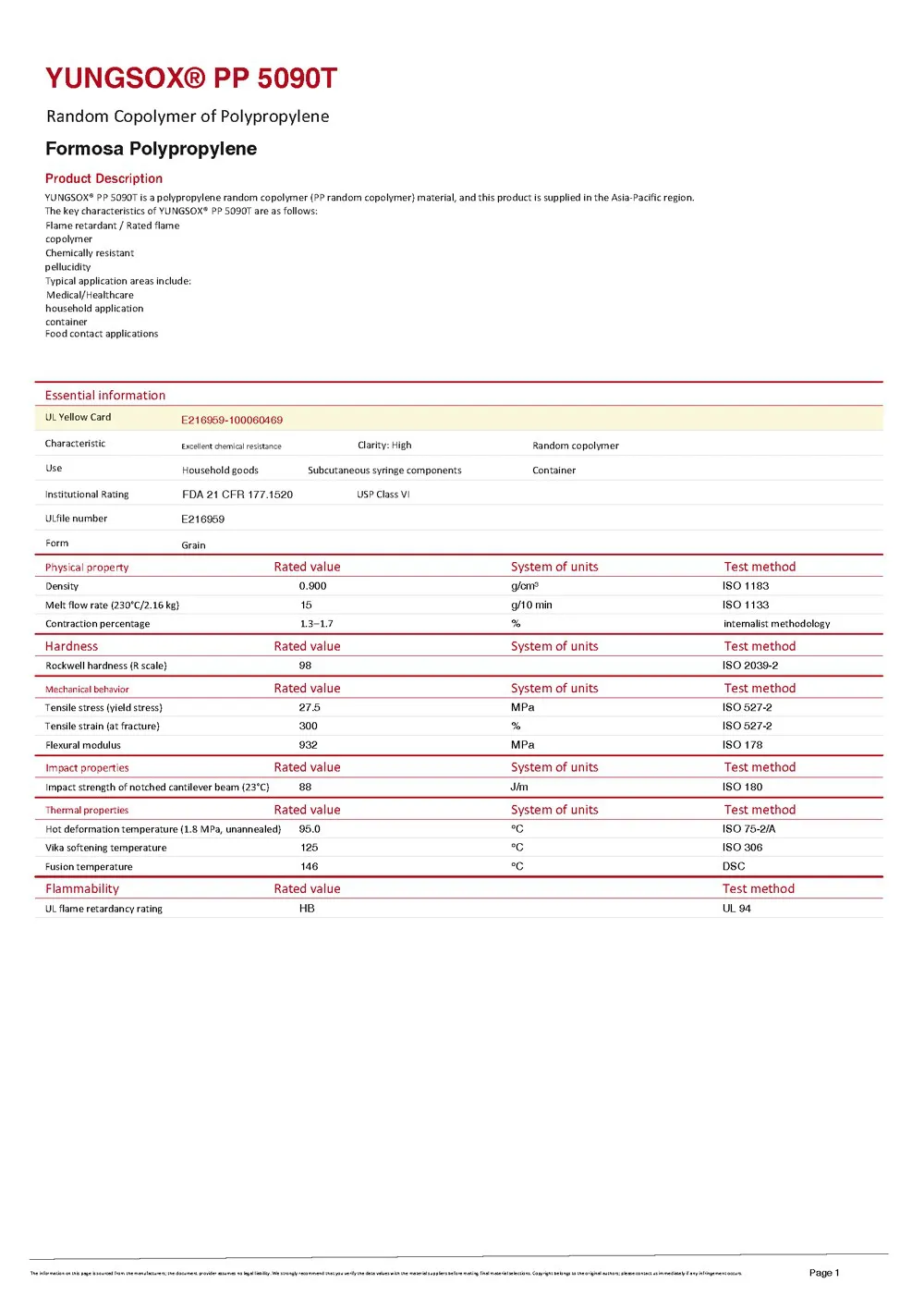
| PP (Polypropylene) | 30ml, 50ml | Travel-size products, samples | Heat-resistant, flexible, low cost |
| Foam Pump Variants | 250ml, 500ml | Foaming hand soap, facial cleansers | Creates rich foam, reduces product waste |
HDPE is a workhorse in the packaging world, and for good reason. It's resistant to chemicals, moisture, and impact, making it ideal for products like liquid soap or body wash that are used daily. HDPE pump bottles are also opaque, which protects light-sensitive formulas—though if you want your vibrant green tea extract or pink rose serum to be visible, PET might be a better choice. PET offers glass-like clarity with the durability of plastic, making it a favorite for premium skincare brands. It's also lightweight, which reduces shipping costs—a small detail that adds up for large orders.
The pump itself is where functionality meets user experience. A well-designed pump dispenses the perfect amount of product with minimal effort, doesn't clog, and locks securely for travel. For example, lotion pumps are calibrated to release 1-2ml per stroke—ideal for serums or moisturizers where a little goes a long way. Foam pumps, on the other hand, mix air with liquid to create a rich lather, popular in hand soaps and facial cleansers. Some pumps even come with "lock-down" features, allowing consumers to twist the pump head to prevent leaks during transport—a must for travel-size products.
The magic of OEM manufacturing lies in customization. Your pump bottle shouldn't just hold your product; it should reflect your brand's personality. Let's walk through how the process typically works with a reputable Chinese supplier:
It starts with a conversation. You'll share your vision: brand colors, target market (luxury vs. budget), product type (lotion, soap, etc.), and any special requirements (like eco-friendly materials). A good supplier will ask questions to understand your needs better: Do you need a pump that dispenses 0.5ml or 2ml? Should the bottle be refillable? Do you want a unique shape to stand out on shelves? This is where experience matters—suppliers with a portfolio of past projects can offer insights you might not have considered, like how a slimmer bottle fits better in bathroom cabinets or how a metallic finish elevates perceived value.
Once the design is finalized, the next step is creating a custom mold. This is a one-time investment, but it's critical for achieving your unique shape. Reputable manufacturers use computer-aided design (CAD) to create 3D models, which are then tested for functionality (e.g., will the pump fit securely? Is the bottle easy to hold?). For brands with standard shapes, suppliers often have existing molds, which reduces costs and lead times. But for truly unique designs, custom mold design for plastic bottles is worth the investment—it's what makes your packaging instantly recognizable.
Before mass production, you'll receive a prototype. This is your chance to test the bottle in real-world conditions: Does the pump work smoothly? Is the color consistent with your brand? Does the logo placement look right? Reputable suppliers will also conduct internal tests—leakage tests, durability tests, and compatibility tests with your formula (no one wants a pump that reacts with a harsh chemical!). This phase ensures there are no surprises when production begins.
With the prototype approved, production kicks off. Modern factories in China use automated assembly lines to ensure consistency, with quality checks at every stage—from raw material inspection to final packaging. For brands prioritizing safety, look for suppliers with dust-free GMP compliant workshops, which are essential for pharmaceutical or high-end cosmetic products. Once production is complete, bottles are packaged securely (often in bulk to reduce waste) and shipped directly to your location—factory direct cosmetic packaging at its most efficient.
When you're entrusting a supplier with your brand's packaging, quality isn't negotiable. Chinese manufacturers understand this, which is why the best ones invest in certifications and quality management systems to meet global standards. Here's what to look for:
An ISO9001 certified packaging factory adheres to strict quality management principles, from design to delivery. This certification ensures consistent processes, reduced errors, and continuous improvement—all of which translate to reliable products. For brands selling in Europe, North America, or Australia, ISO9001 is often a minimum requirement, as it demonstrates compliance with international quality benchmarks.
For pharmaceutical products or high-end cosmetics, a dust-free GMP compliant workshop is non-negotiable. GMP (Good Manufacturing Practices) ensures that production environments are sterile, reducing the risk of contamination. This is especially important for products that come into contact with skin or are ingested, like hand sanitizers or medicinal lotions.
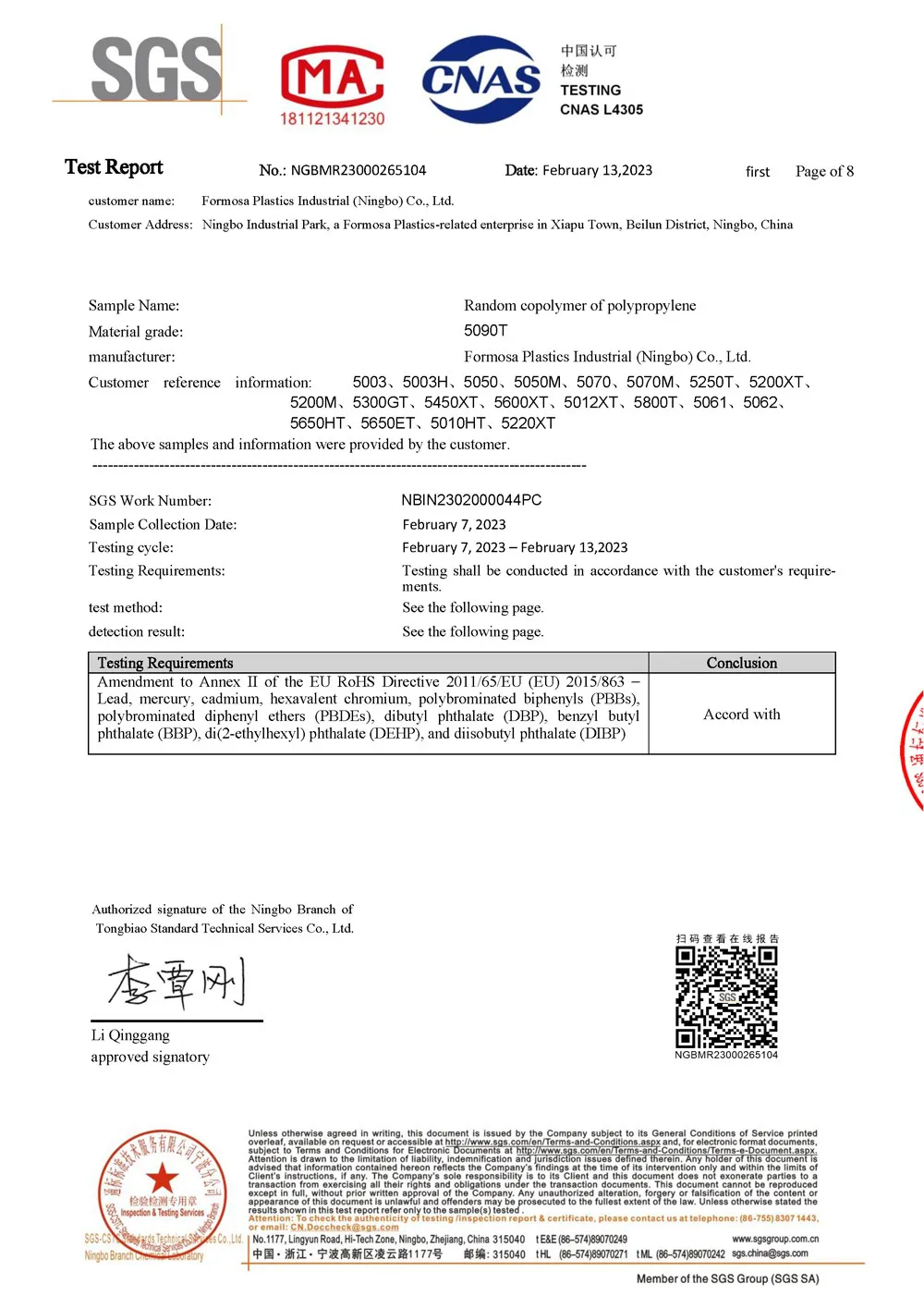
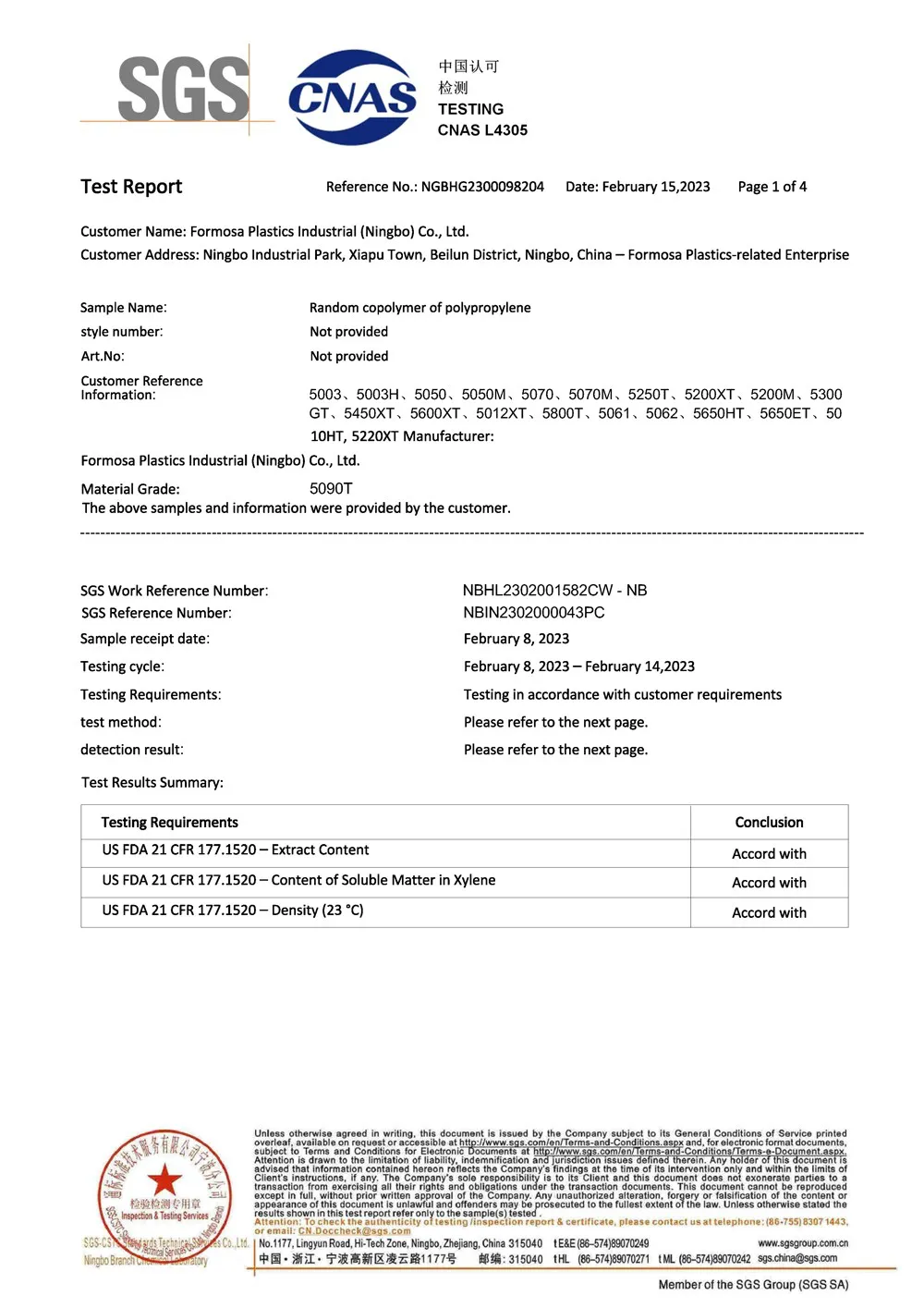
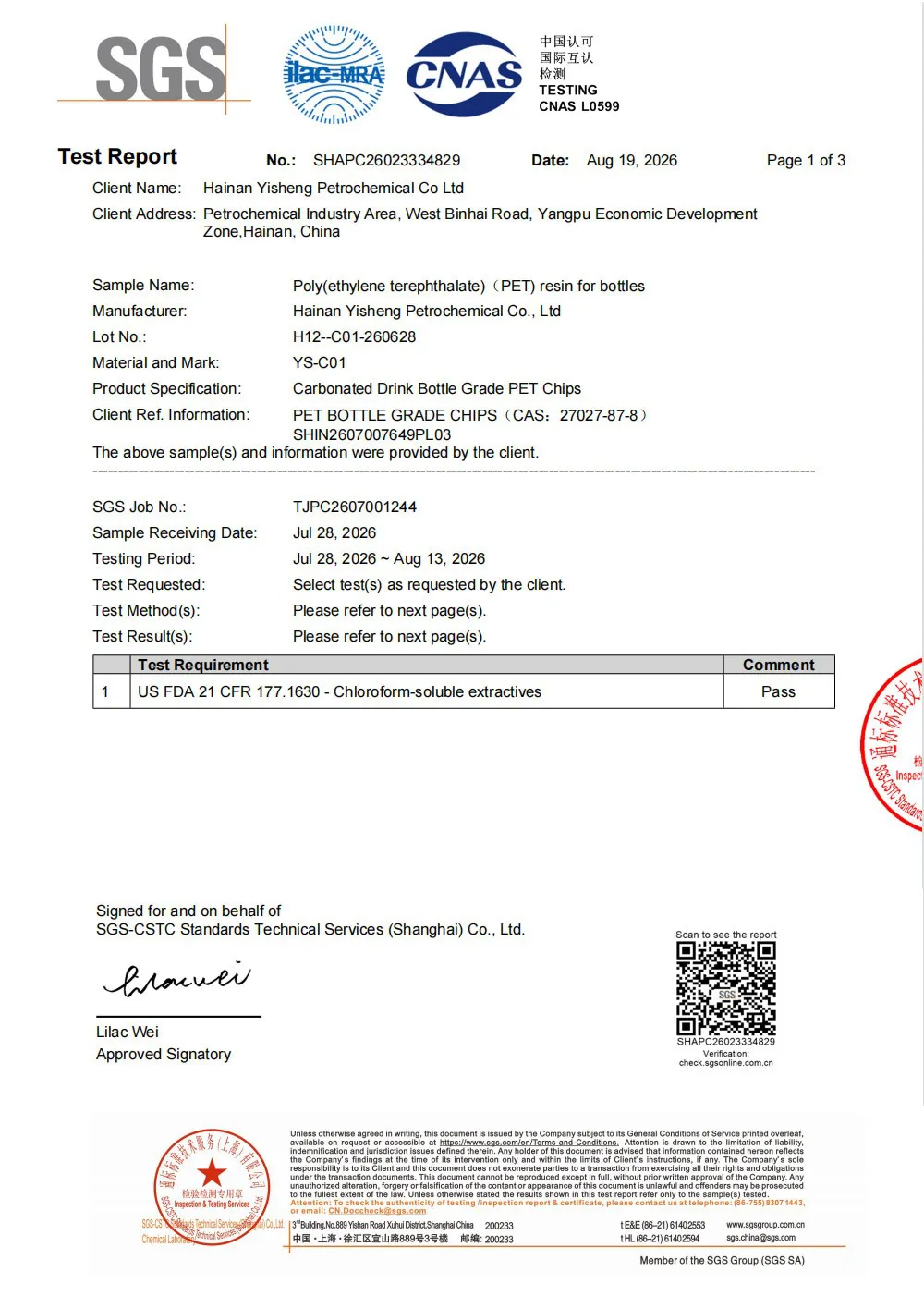
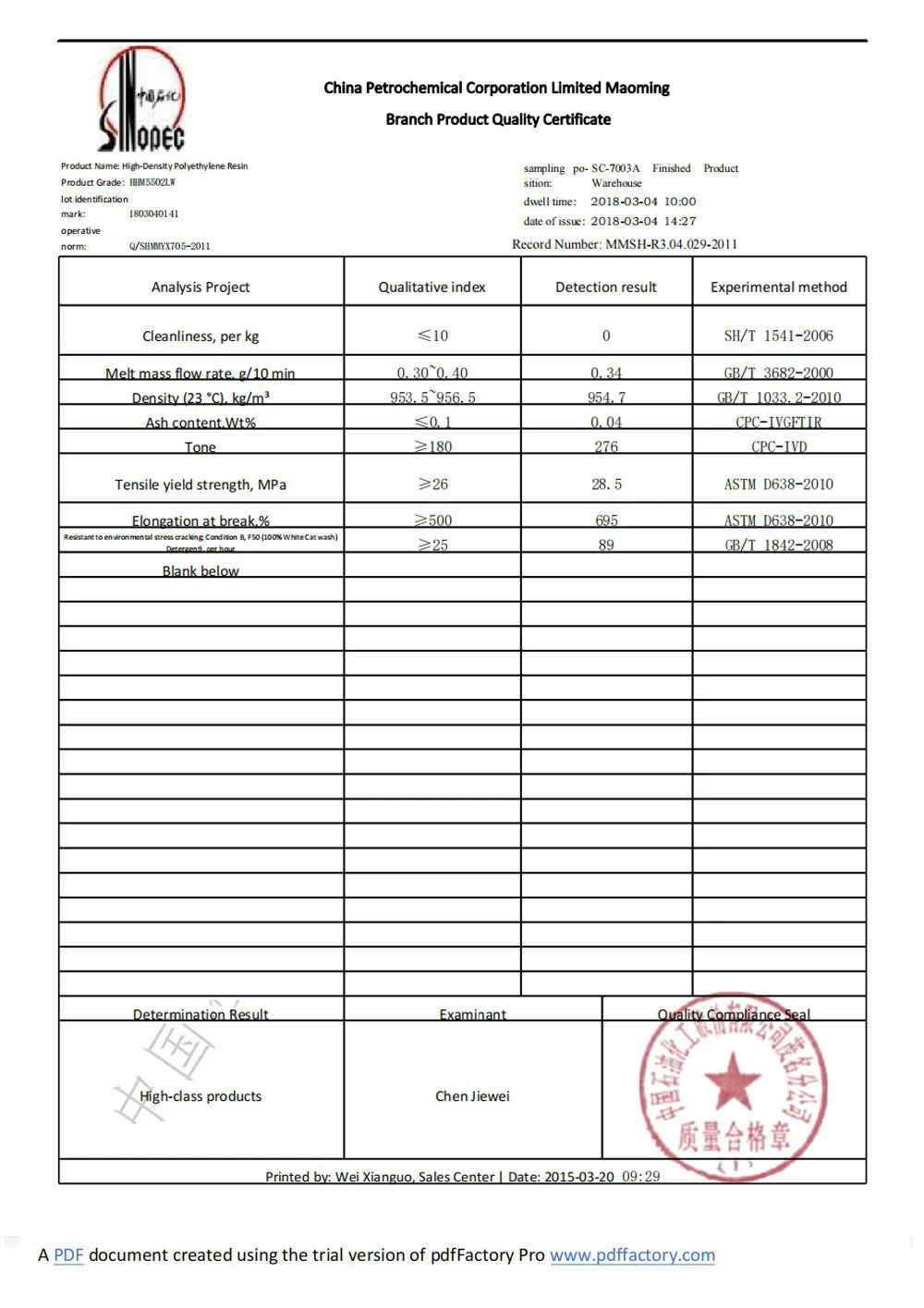
The best suppliers don't just self-certify—they submit products to independent labs for testing. This might include checks for BPA, phthalates, or heavy metals (all of which are restricted in many markets), as well as durability tests (drop tests, pressure tests) to ensure bottles hold up during shipping and use. Ask to see test reports—transparent suppliers will happily share them.
Consumers today care about the planet as much as they care about product quality. Brands that ignore sustainability risk falling behind. Fortunately, Chinese OEM suppliers are rising to the challenge, offering innovative solutions that reduce environmental impact without compromising performance:
Post-consumer recycled (PCR) plastic is becoming increasingly popular. Many suppliers now offer pump bottles made from 30-100% PCR plastic, which looks and functions like virgin plastic but uses less fossil fuel and reduces landfill waste. For brands targeting eco-conscious consumers, this is a powerful selling point—just make sure your supplier can verify the PCR content with certificates.
Refillable pump bottles are another trend gaining traction. Imagine a luxury skincare brand selling a 500ml "refill pouch" alongside their 100ml pump bottles—consumers save money, and the brand reduces packaging waste. Chinese manufacturers can design bottles with wide mouths for easy refilling and durable materials that withstand multiple uses.
Through advanced mold design and material science, suppliers are creating lighter bottles that use less plastic while maintaining strength. This not only reduces material costs but also lowers carbon emissions during shipping. Some factories also use biodegradable inks for printing and minimal packaging for bulk orders—small steps that add up to big environmental benefits.
With so many suppliers in China, how do you pick the right one? Here are the key factors to consider:
Always opt for a factory direct supplier. Trading companies act as middlemen, adding costs and reducing transparency. A direct manufacturer will give you better pricing, faster communication, and access to the production floor (virtual tours are common these days!). Look for suppliers with their own factories in manufacturing hubs like Guangdong—these regions have robust supply chains and a concentration of skilled workers.
Language barriers can be a concern, but the best suppliers have English-speaking sales and technical teams. Responsiveness matters too—if a supplier takes days to reply to emails during the inquiry phase, imagine how slow they'll be during production. Ask about their project management process: Will you have a dedicated account manager? How often will you receive production updates?
MOQs vary by supplier and product complexity. For standard designs, MOQs might start at 10,000 units; for custom molds, they could be higher. If you're a small brand, look for suppliers willing to negotiate lower MOQs for first orders—some even offer "trial runs" to help you test the market before scaling up.
Do your homework. Check online reviews, ask for references from other brands, and request a portfolio of past projects. A supplier with experience in your industry (cosmetics, pharmaceuticals, etc.) will understand your unique needs better than a generalist. You can also verify certifications (ISO9001, GMP) through official databases to ensure they're legitimate.
Let's put this all into context with a hypothetical example. Meet "GreenGlow," a startup organic skincare brand targeting eco-conscious millennials. They had a great formula for a facial serum but struggled with packaging—their initial bottles were generic, plastic, and didn't reflect their "clean beauty" ethos. They turned to a Chinese OEM supplier specializing in sustainable plastic packaging solutions.
The supplier recommended HDPE pump bottles made with 50% PCR plastic, a matte white finish (to match GreenGlow's minimalist branding), and a custom pump with a 0.5ml dosage (perfect for serums). They also suggested a refillable design, allowing customers to buy a larger "refill bottle" and reuse the pump bottle. The result? GreenGlow's packaging became a talking point—consumers loved the eco-friendly angle, and the sleek design stood out on Instagram. Within six months, their serum sales doubled, and they expanded their pump bottle line to include moisturizers and facial cleansers.
This story illustrates a key point: packaging isn't an afterthought. It's a strategic tool that can drive sales, build brand loyalty, and differentiate you in a crowded market. And with the right OEM partner, it's accessible to brands of all sizes.
OEM plastic pump bottles from China offer more than just a container—they offer a partnership. A partnership with a supplier that understands your vision, has the technical expertise to bring it to life, and shares your commitment to quality and sustainability. From custom lotion pump bottles that reflect your brand's luxury positioning to HDPE pump bottles for liquid soap that balance functionality and cost, the right packaging can turn a good product into a great one.
As you embark on your search, remember to prioritize suppliers with factory direct capabilities, ISO9001 certification, and a track record of customization. Ask questions, request prototypes, and don't settle for "good enough." Your brand deserves packaging that works as hard as you do.
In the end, the pump bottle is more than a packaging choice—it's a promise to your customers: that you care about their experience, their values, and the quality of every product you put their way. And in today's competitive market, that promise can make all the difference.