Email: info@mggpacking.com | Tel: +86-13510174848 ( Mr. Yao)


Think about the moment a patient picks up their over-the-counter medication: what they see first isn't just a bottle, but a promise of safety and reliability. In the world of OTC drugs, where trust is as critical as the product inside, packaging plays a role far beyond holding pills or liquids. It's the first line of defense against contamination, a carrier of vital information, and a silent guarantee that what's inside meets the highest standards. For pharmaceutical brands and distributors, choosing the right partner for this packaging isn't just a business decision—it's a commitment to the patients who rely on their products daily.
This is where a dedicated pharmaceutical packaging manufacturer steps in. Not just a supplier, but a collaborator that understands the unique demands of OTC drug packaging: strict regulations, uncompromising quality, and the need for customization to fit everything from small pill bottles to specialized containers. Today, we're diving into what makes OTC drug packaging exceptional, focusing on the pillars of quality assurance, the value of free mold testing, and why partnering with an ISO 9001 certified packaging factory with a dust-free GMP compliant workshop isn't just an advantage—it's a necessity.
Over-the-counter medications are everywhere—from local pharmacies to supermarket shelves, used by millions daily for everything from headaches to allergies. Unlike prescription drugs, which are often dispensed by healthcare professionals, OTC products are chosen directly by consumers. That means the packaging isn't just a container; it's a communication tool. It needs to clearly display dosage instructions, expiration dates, and warnings. But more importantly, it needs to protect the product from light, moisture, and tampering, ensuring the medication remains effective from the factory to the moment it's used.
Consider this: a single compromised bottle could lead to a medication losing potency, or worse, becoming unsafe. For brands, that's not just a product recall—it's a hit to reputation that can take years to rebuild. This is why regulatory bodies worldwide, from the FDA to the EU's EMA, set strict guidelines for pharmaceutical packaging. Materials must be non-reactive (so they don't interact with the drug), containers must be child-resistant where needed, and seals must be tamper-evident. Meeting these standards isn't optional; it's the cost of entry into the market.
But compliance is just the starting line. In a competitive industry, OTC brands also need packaging that stands out—whether through custom shapes that fit better in medicine cabinets, ergonomic designs for easy handling, or branding elements that build recognition. This is where customization comes in, and at the heart of customization lies mold design. Getting the mold right ensures the bottle not only meets regulatory specs but also aligns with the brand's vision. And that's why free mold testing has become a game-changer for brands looking to balance quality, cost, and creativity.
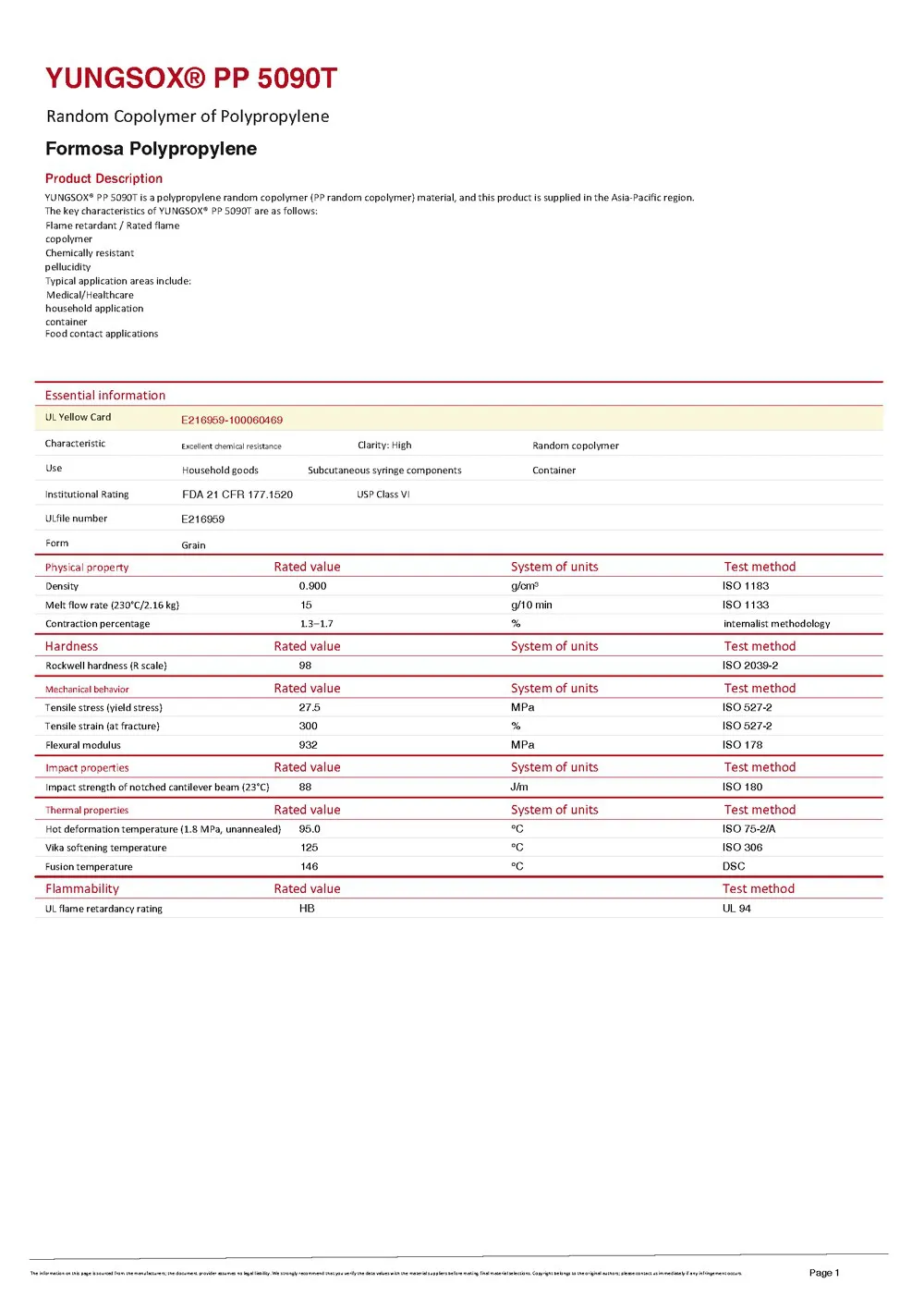
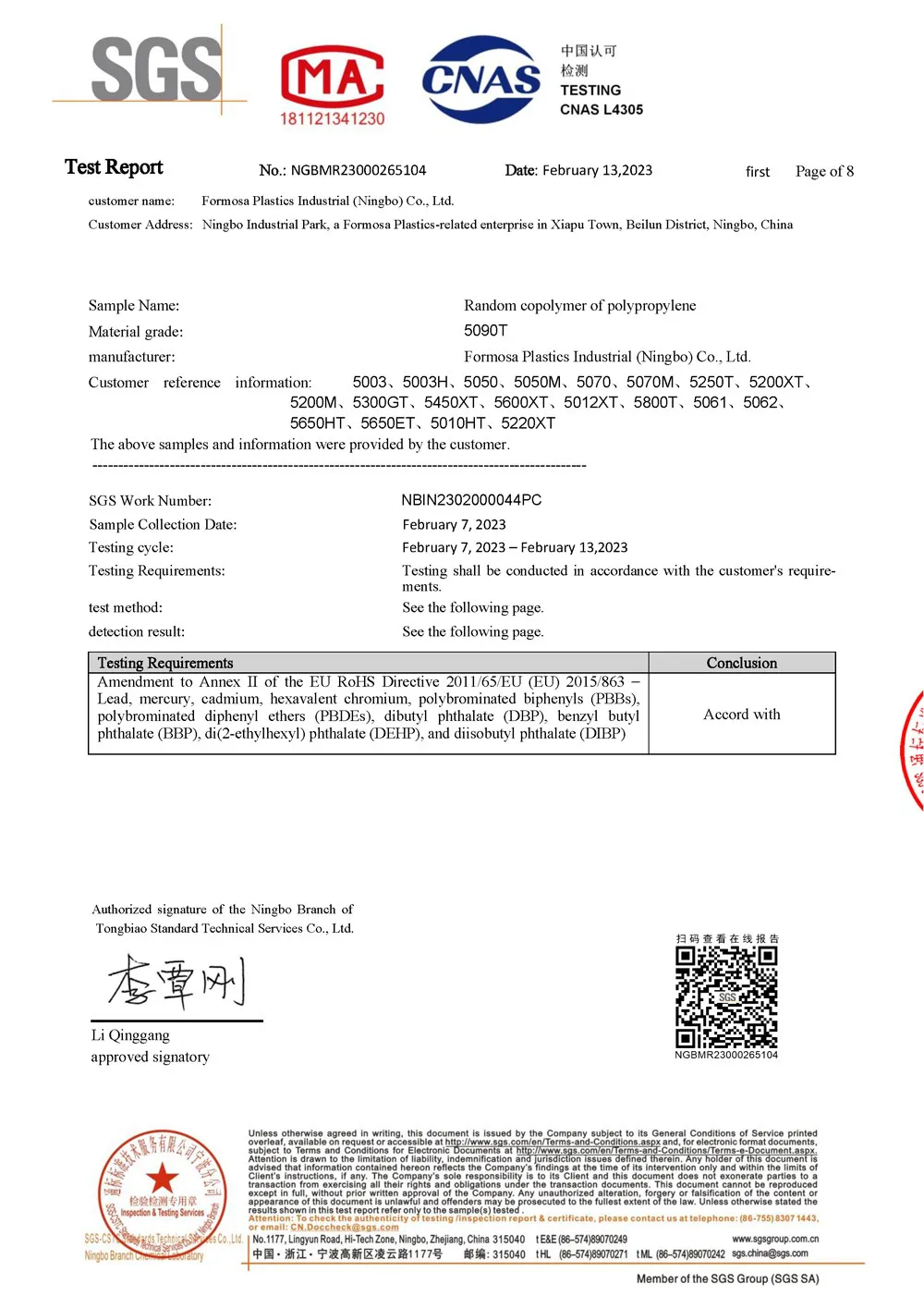
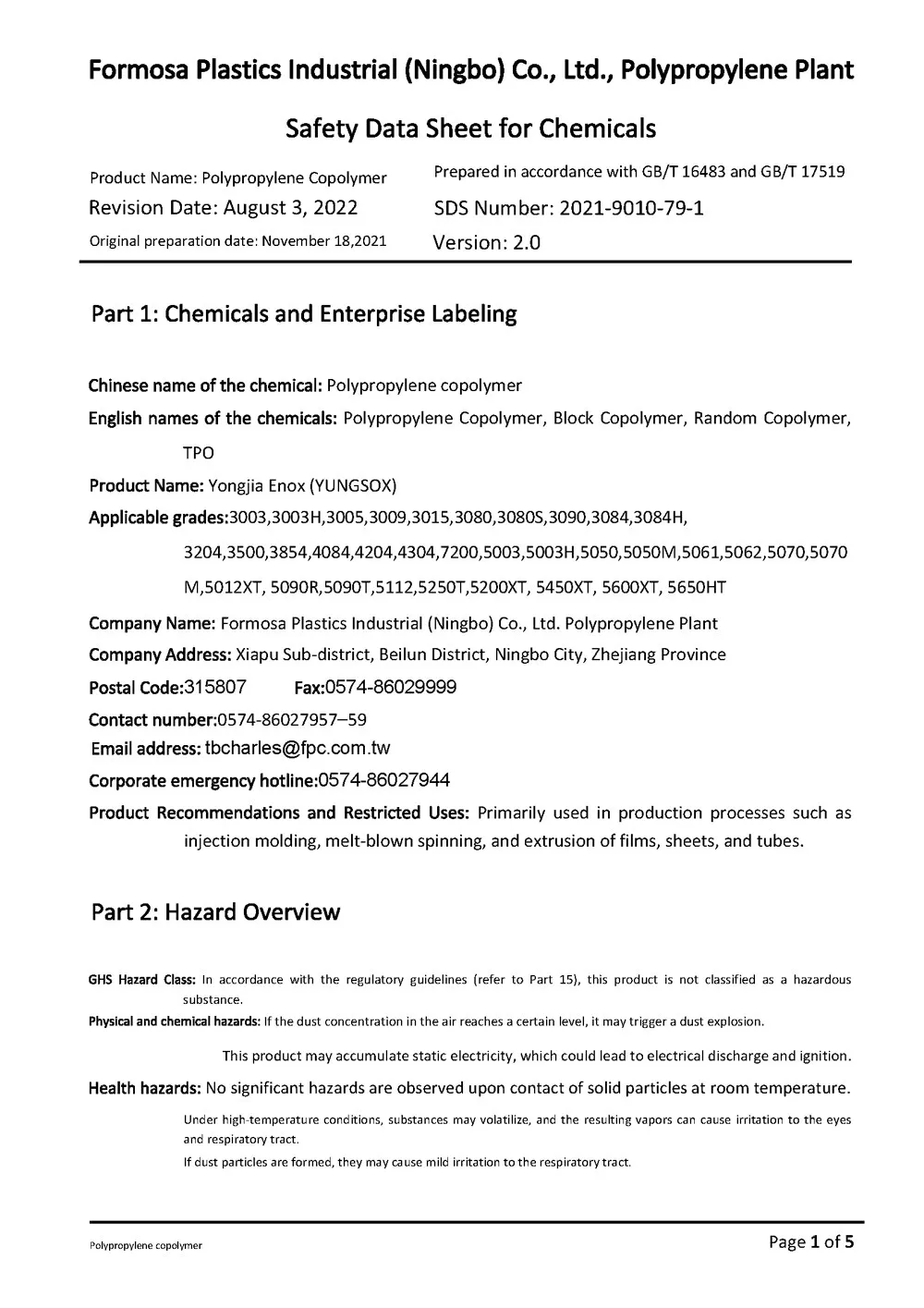
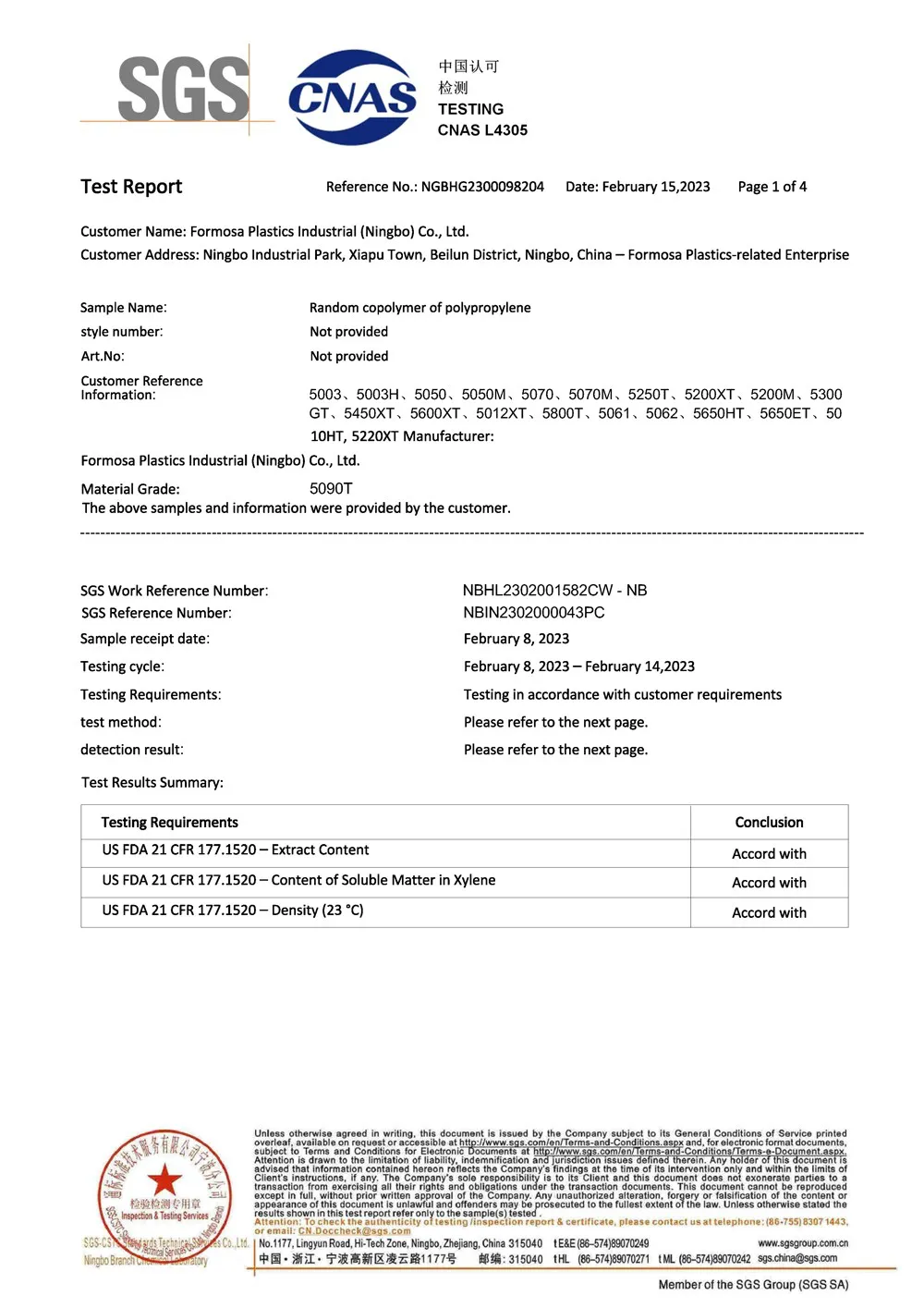
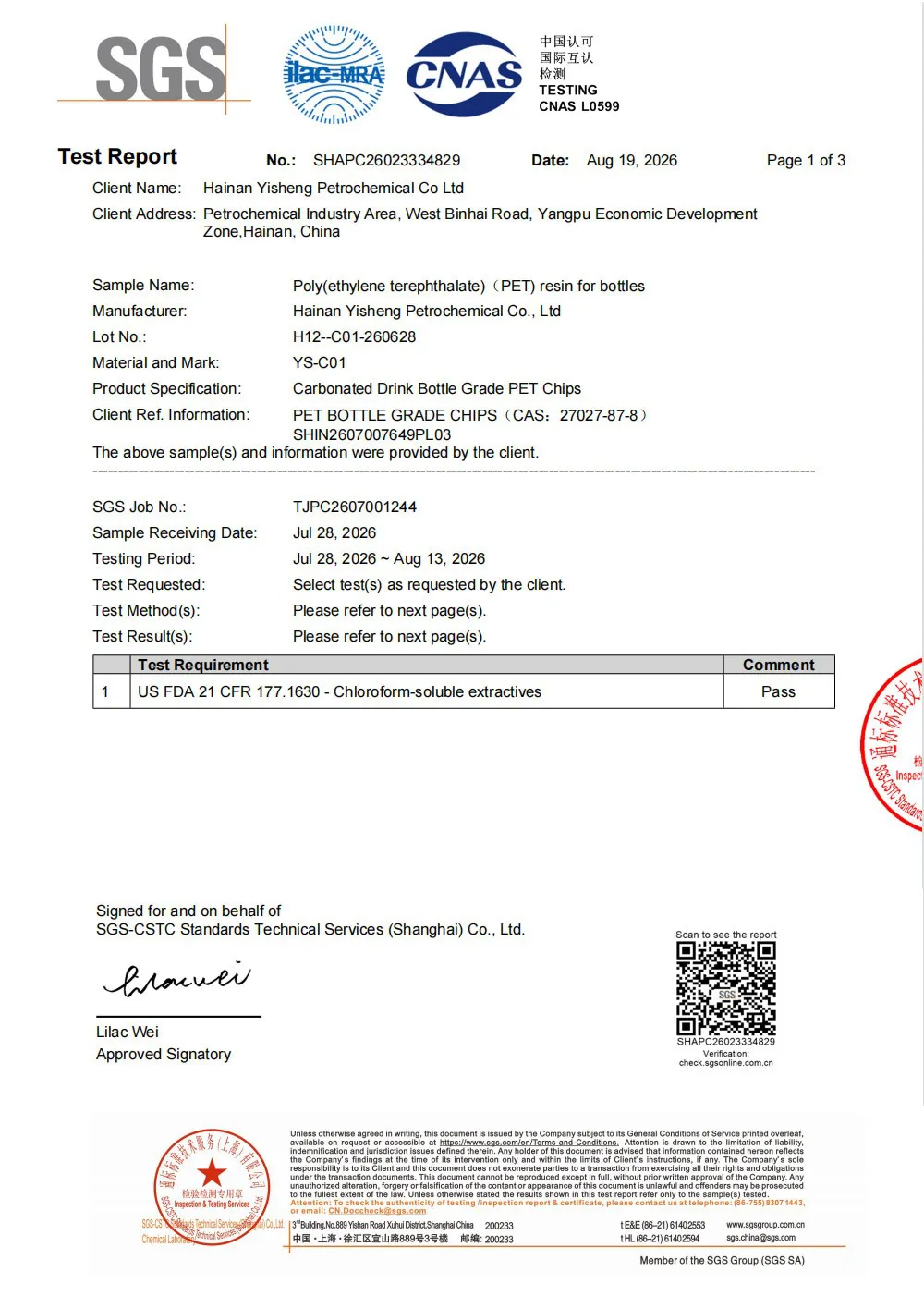
When evaluating a packaging partner, the first question should always be: "What standards do you adhere to?" For OTC drug packaging, two certifications rise above the rest: ISO 9001 and GMP. These aren't just logos on a website—they're proof of a systematic approach to quality, from raw material selection to the final product leaving the factory.
An ISO 9001 certified packaging factory operates under a quality management system (QMS) that's audited annually. This means every process, from order placement to shipping, is documented, monitored, and continuously improved. For example, when a brand requests a custom HDPE pill bottle, the factory doesn't just start production—they map out each step: material sourcing (ensuring HDPE resin meets USP Class VI standards), mold design (with 3D modeling to predict potential flaws), and testing (checking for leaks, durability, and compatibility with the drug). If something goes wrong, the QMS provides a framework to trace the issue back to its root and fix it, preventing repeat mistakes.
Then there's GMP—Good Manufacturing Practices—a set of guidelines specifically focused on ensuring products are consistently produced and controlled according to quality standards. For packaging, this translates to a dust-free GMP compliant workshop. Imagine a facility where air is filtered to remove 99.97% of particles 0.3 microns or larger, where employees wear sterile gowns and gloves, and where equipment is sanitized daily. This isn't overkill; it's essential for preventing contamination. Even a tiny dust particle could compromise a batch of sensitive medications, which is why GMP workshops are non-negotiable for pharmaceutical packaging.
| Feature | Standard Packaging Workshop | Dust-Free GMP Compliant Workshop |
|---|---|---|
| Air Quality | Basic filtration; may have dust particles | HEPA-filtered air; ≤ 3,520 particles (0.5μm) per cubic meter |
| Employee Protocol | Casual attire; minimal hygiene requirements | Sterile uniforms, hairnets, gloves, and shoe covers |
| Equipment Maintenance | Reactive cleaning (when visibly dirty) | Scheduled, documented sanitization; daily wipe-downs |
| Material Storage | Open shelves; exposed to workshop air | Sealed containers; humidity and temperature controlled |
| Quality Checks | Random sampling post-production | Continuous in-line monitoring; 100% inspection for critical batches |
Together, ISO 9001 and GMP create a culture of quality. It's not about checking boxes—it's about building trust. When a brand partners with a factory that holds these certifications, they're not just getting a product; they're getting peace of mind knowing that every bottle, cap, and seal has been through rigorous testing and production in an environment designed to eliminate risk.
No two OTC products are the same, and neither should their packaging be. A small bottle for aspirin tablets has different needs than a larger container for liquid cough syrup, just as a child-resistant cap for chewable vitamins requires a different design than a tamper-evident seal for allergy medication. This is where custom mold design comes in—and why free mold testing is a game-changer for brands looking to innovate without the risk.
Mold design is the process of creating a tool that shapes the plastic (or other materials) into the desired bottle or container. It's a precise science: the mold must account for shrinkage during cooling, wall thickness to ensure durability, and even the placement of threads for caps to fit securely. A poorly designed mold can lead to defects like warping, weak spots, or leaks—all of which can derail production and delay time-to-market.
This is where free mold testing becomes invaluable. Instead of paying thousands upfront for a mold that might not work, brands can collaborate with their packaging partner to test designs first. Here's how it typically works: the brand provides 3D or a concept, the manufacturer uses computer-aided design (CAD) to refine the mold, then creates a prototype mold for testing. The prototype is used to produce sample bottles, which are then put through rigorous checks—drop tests, leak tests, and compatibility tests with the actual medication. If adjustments are needed, they're made before the final mold is produced, saving time and money in the long run.
Take, for example, a brand launching a new line of OTC herbal supplements that require opaque HDPE pill bottles to protect the contents from light. The brand wants a unique, curved shape to stand out on shelves but is worried about whether the design will compromise durability. With free mold testing, the manufacturer can 3D-print a prototype mold, produce 50 sample bottles, and test them for drop resistance (simulating a fall from a pharmacy shelf) and light transmission (using a spectrophotometer to ensure no UV light penetrates). If the curved design causes the bottle to crack on impact, the mold is adjusted—all before the brand invests in a full production mold.
This collaborative approach isn't just about fixing problems; it's about unlocking innovation. Brands aren't limited to "off-the-shelf" bottle shapes—they can create containers that align with their brand identity, improve user experience (like easier-to-open caps for elderly patients), or even reduce material usage for sustainability. And with free testing, they can experiment with confidence, knowing the final product will meet both their vision and regulatory requirements.
While mold design sets the stage, the real stars of OTC drug packaging are the products themselves. From HDPE pill bottles to specialized containers, each plays a unique role in protecting and presenting medications. Let's take a closer look at some of the most critical options, and why they're trusted by pharmaceutical brands worldwide.
When you think of a pill bottle, chances are you're picturing an HDPE (High-Density Polyethylene) bottle. And for good reason: HDPE is virtually unbeatable for OTC medications. It's lightweight, shatterproof (a must for products that might be dropped), and resistant to moisture and chemicals—meaning it won't react with the pills or tablets inside. Plus, it's easy to mold into different sizes, from small 60ml bottles for sample packs to large 500ml containers for family-sized medications.
But not all HDPE pill bottles are created equal. A reputable hdpe pill bottles supplier will offer features like child-resistant caps (CRCs) for medications that could be harmful to kids, or senior-friendly "easy-open" caps for patients with limited dexterity. They'll also provide options for customization, like silk-screen printing for branding or embossed logos that add a premium feel. And because HDPE is recyclable, it aligns with the growing demand for sustainable packaging solutions—another win for brands looking to reduce their environmental footprint.
In 1982, seven people in Chicago died after taking Tylenol capsules that had been laced with cyanide. The incident led to a revolution in packaging: the introduction of tamper-evident seals. Today, these seals are mandatory for OTC medications, and for good reason. A tamper-evident seal—whether a foil liner under the cap or a plastic band that snaps when opened—gives consumers confidence that the product hasn't been interfered with since leaving the factory.
Modern tamper-evident solutions go beyond basic seals. For example, some closures feature a "button" that pops up if the bottle has been opened, while others use induction sealing, where a foil liner bonds to the bottle's rim, creating an airtight, tamper-proof seal. When combined with a dust-free GMP compliant workshop, these features ensure that the product inside is as safe when opened as it was when it left the factory.
Not all OTC medications are pills or tablets. Think of liquid cough syrups, which need measuring cups integrated into the cap, or dissolvable strips, which require moisture-proof packaging. For these, specialized containers are key. For example, some manufacturers offer bottles with calibrated droppers for precise dosing, or squeeze bottles with child-resistant caps for liquid medications. These aren't just "nice-to-haves"—they're essential for ensuring consumers use the product correctly and safely.
So, what does all this mean for OTC brands and distributors? Simply put: your packaging partner isn't just a vendor—they're an extension of your team. The right partner will understand your unique needs, guide you through the complexities of regulatory compliance, and offer solutions that balance quality, cost, and innovation. Here's what to look for:
1. A Track Record in Pharmaceuticals, Not Just General Packaging : There's a big difference between making plastic bottles for shampoo and for OTC drugs. Look for a supplier with specific experience in pharmaceutical packaging—one that can speak to FDA requirements, EU regulations, and GMP standards without hesitation.
2. In-House Mold Design and Testing : Avoid suppliers that outsource mold design; keeping this in-house ensures better quality control and faster turnaround times. And always ask about mold testing—free testing should be standard, not an extra cost.
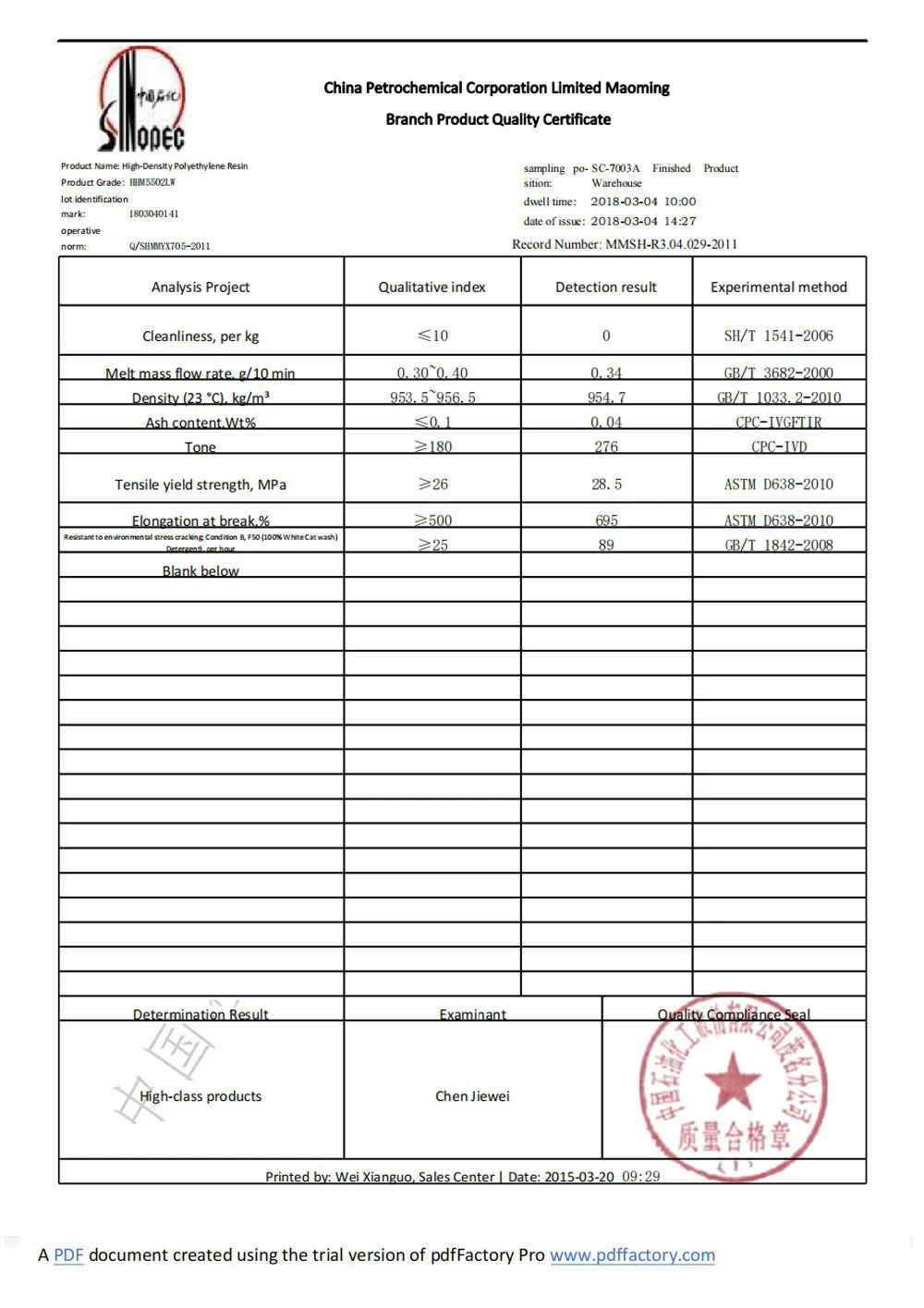
3. Transparency in Production : A reputable supplier will be happy to show you their facilities, share test reports, and walk you through their quality control processes. If they're hesitant to let you see their workshop or explain their certifications, that's a red flag.
4. Flexibility for Small and Large Orders : Whether you need 10,000 bottles for a product launch or 1 million for a nationwide rollout, your supplier should be able to scale with you. Look for a partner that offers both wholesale and custom options, with reasonable minimum order quantities (MOQs).
5. A Focus on Sustainability : Today's consumers care about the environment, and so should your packaging. Ask about recycled materials (like PCR HDPE), lightweighting options (to reduce plastic usage), and recyclable closures. A forward-thinking supplier will already be investing in sustainable solutions.
At the end of the day, OTC drug packaging is about more than plastic and caps—it's about trust. Every time a consumer picks up a bottle, they're trusting that the product inside is safe, effective, and exactly what they need. For brands, that trust is earned through attention to detail: from the ISO 9001 certified factory that produces the bottle to the dust-free GMP workshop that ensures it's contamination-free, from the free mold testing that perfects the design to the HDPE material that protects the medication.
Choosing the right pharmaceutical packaging manufacturer isn't just a business decision—it's a commitment to your customers. It's about saying, "We care about your safety as much as you do." And in a market where trust is everything, that's the most valuable promise you can make.
So, whether you're launching a new OTC product or looking to upgrade your existing packaging, remember: the best partners don't just sell bottles—they deliver peace of mind. With free mold testing, rigorous quality standards, and a dedication to innovation, they turn packaging into a competitive advantage. And in the world of OTC drugs, that's the difference between being just another product on the shelf and being the one consumers reach for, time and time again.