Email: info@mggpacking.com | Tel: +86-13510174848 ( Mr. Yao)


Walk into any beauty store today, and you'll notice something different about the shelves. It's not just the new skincare formulas or trendy fragrances—though those are certainly eye-catching. What's really turning heads are the bottles themselves. More and more, the plastic containers holding our favorite serums, mists, and lotions are telling a story: one of responsibility, innovation, and a commitment to the planet. And at the heart of this story? PCR recycled plastic spray bottles, a game-changer that's redefining what sustainable beauty looks like.
For decades, the cosmetic industry has relied on virgin plastic for packaging. It's cheap, durable, and easy to mold into sleek, attractive shapes. But as consumers become more eco-conscious, and brands scramble to meet ambitious sustainability goals, that's no longer enough. We're in an era where "green beauty" isn't just a marketing buzzword—it's a movement. Shoppers want to know that their purchase decisions align with their values, and that includes the packaging that protects their products. Enter PCR recycled plastic: a material that takes plastic waste out of landfills and oceans, gives it a second life, and lets beauty brands do good while looking good.
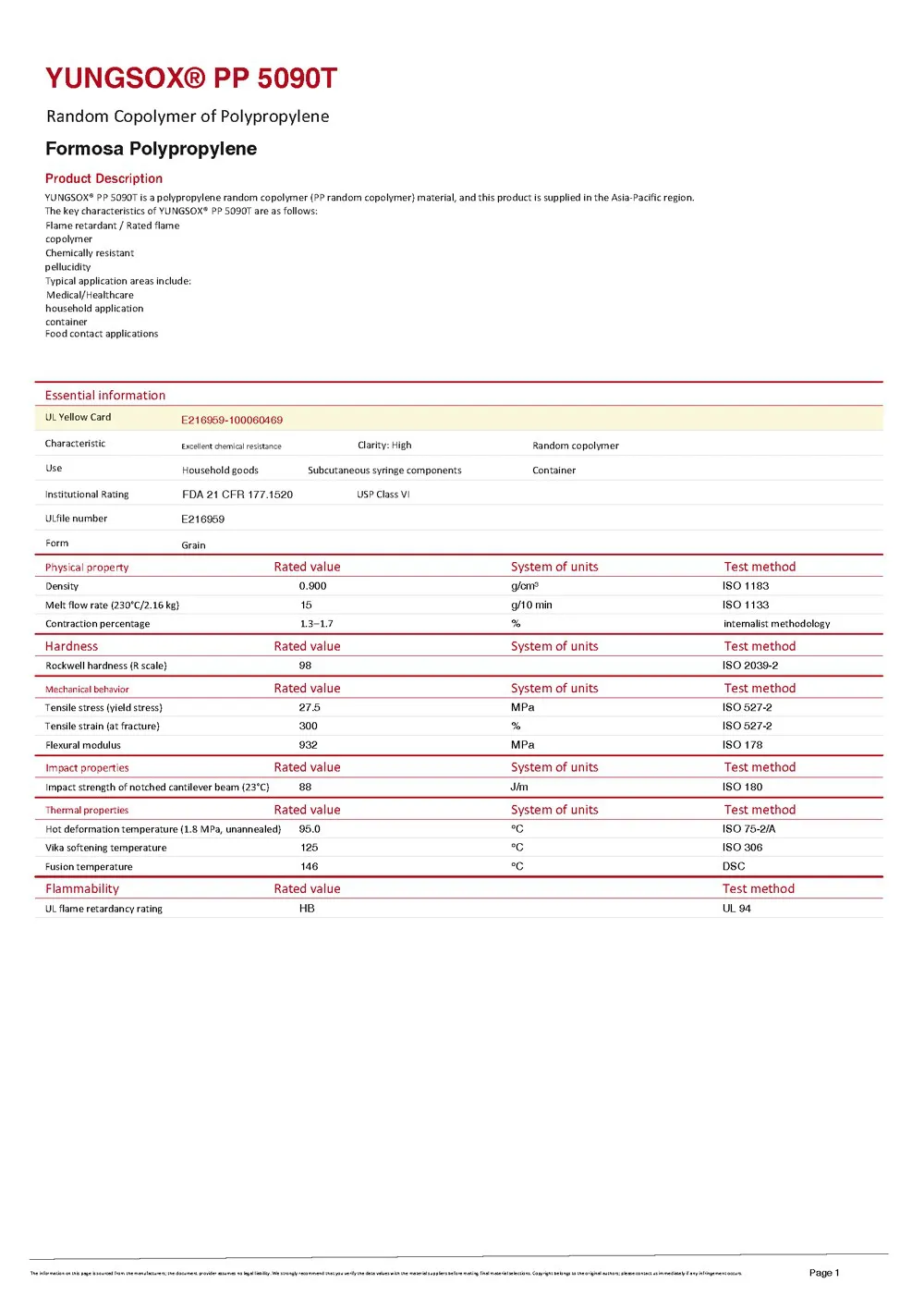
Let's start with the basics. PCR stands for Post-Consumer Recycled plastic. It's made from plastic products that have already been used and discarded—think water bottles, food containers, and other everyday items—rather than from new petroleum-based materials. These discarded plastics are collected, sorted, cleaned, melted down, and reshaped into new products. The result? A material that has the same durability and functionality as virgin plastic but with a fraction of the environmental impact.
You might be wondering: If it's made from old plastic, does that mean it's lower quality? Not at all. Modern recycling technology has come a long way, and today's PCR plastic meets the same strict standards as virgin plastic—especially when it's processed in a facility that prioritizes quality control. For cosmetic packaging, where safety and hygiene are non-negotiable, this is crucial. PCR spray bottles need to be leak-proof, chemical-resistant (to hold everything from toners to perfumes), and aesthetically pleasing. When done right, they check all those boxes—and more.
It's no secret that the beauty industry is under pressure to clean up its act. Governments are cracking down on single-use plastics, with regulations like the EU's Single-Use Plastics Directive banning certain items and mandating higher recycling rates. Investors are pushing for more transparency in sustainability practices. And consumers? They're voting with their wallets. A 2023 survey by Nielsen found that 73% of global consumers are willing to pay more for products that come in sustainable packaging. For beauty brands, this isn't just a trend—it's a business imperative.
PCR spray bottles offer a simple, effective way to meet these demands. Let's break down why they're becoming a staple in cosmetic packaging:
Today's beauty brands want to be more than just sellers of skincare or makeup—they want to be advocates for change. Using PCR plastic allows them to tell a compelling sustainability story. Imagine a brand launching a new facial mist with a label that reads, "This bottle is made from 50% PCR recycled plastic—because beauty shouldn't cost the Earth." That's a message that resonates. It builds trust, fosters loyalty, and turns casual buyers into brand ambassadors.
One of the biggest myths about PCR plastic is that it limits design options. But that couldn't be further from the truth. PCR spray bottles can be customized in just about any way you'd expect from virgin plastic: clear or colored, matte or glossy, with custom printing, embossed logos, or unique shapes. Whether a brand wants a minimalist look for a luxury serum or a bold, vibrant design for a youth-focused body spray, PCR plastic delivers. It's not just eco-friendly—it's also eye-catching.
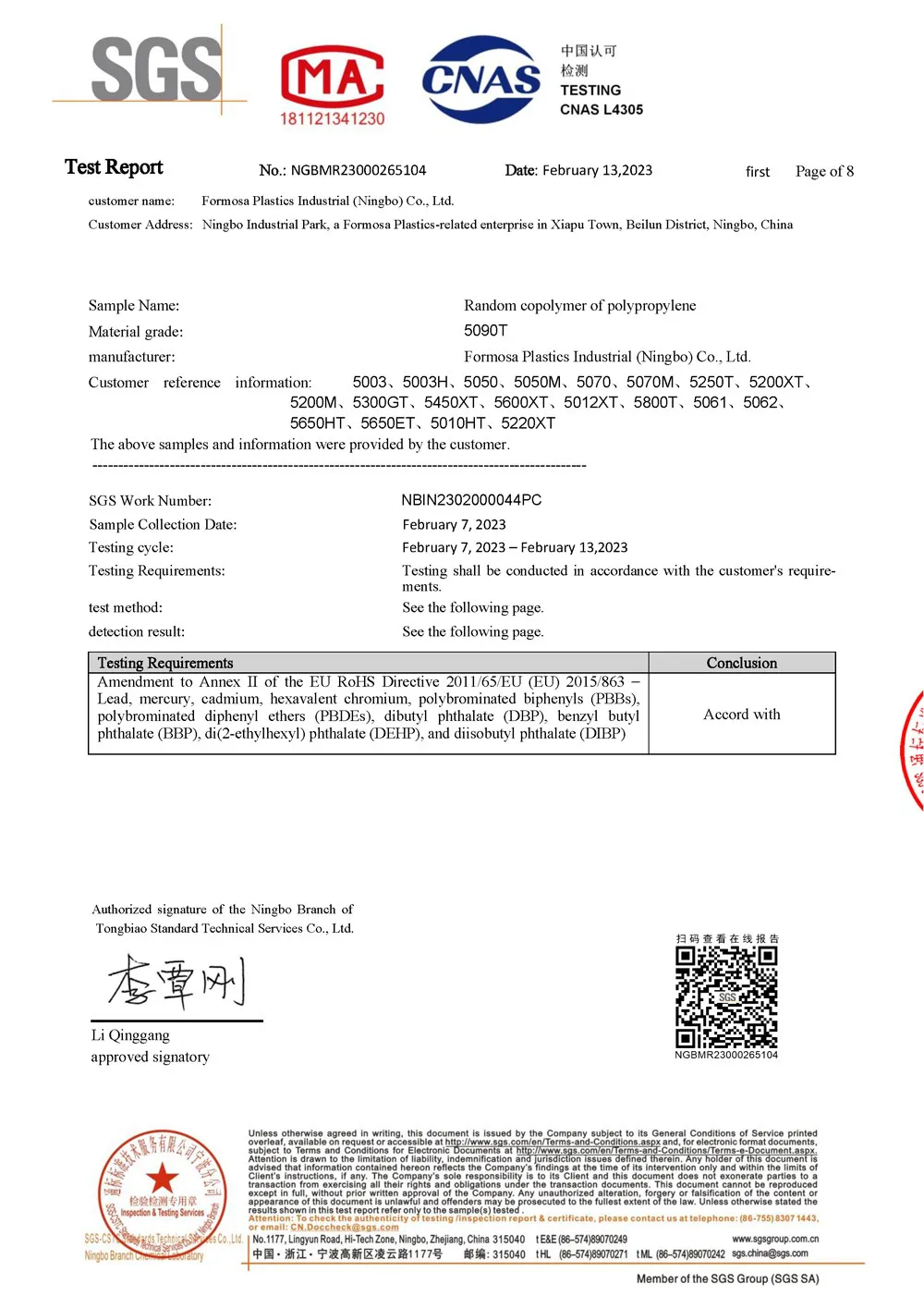
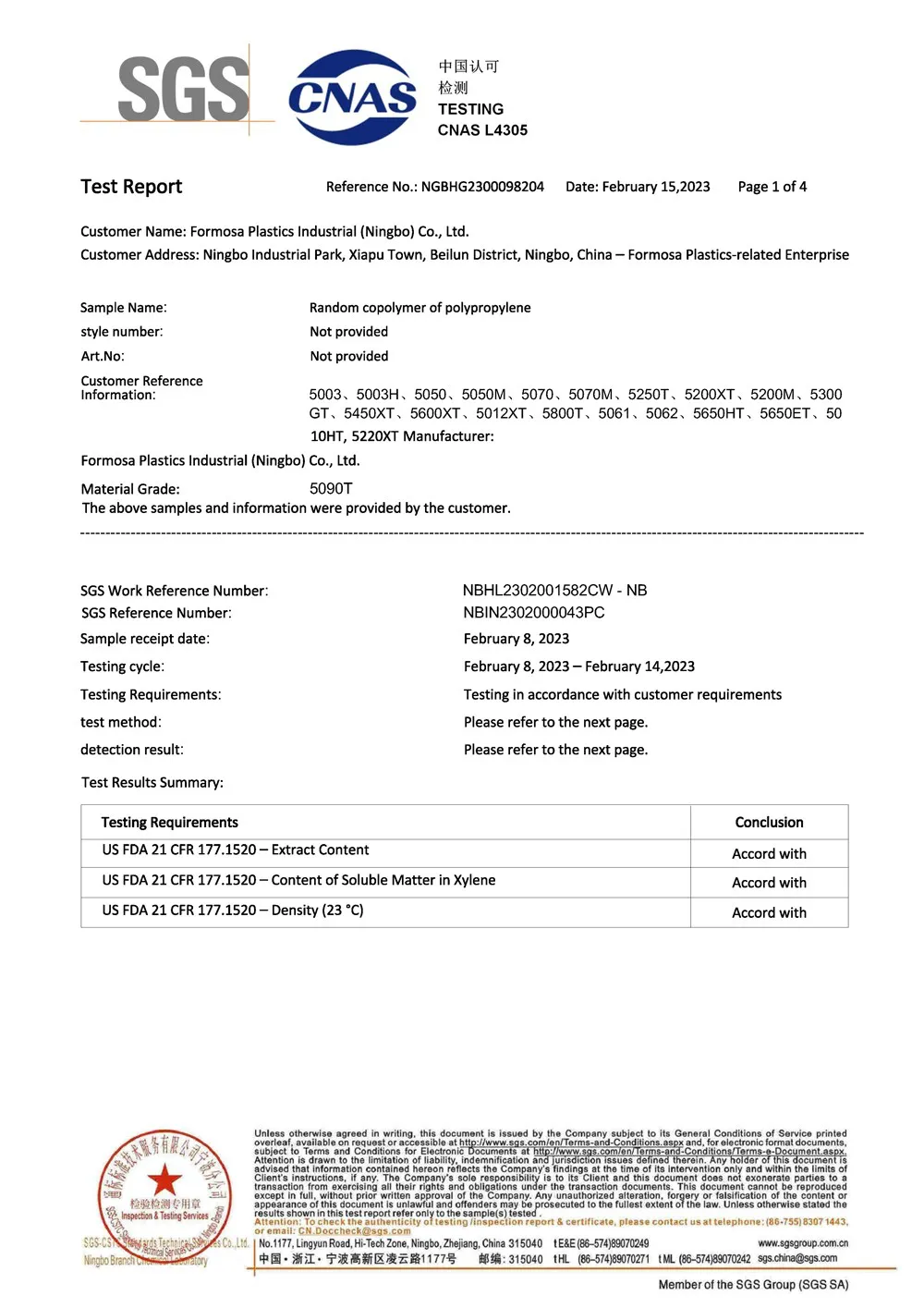
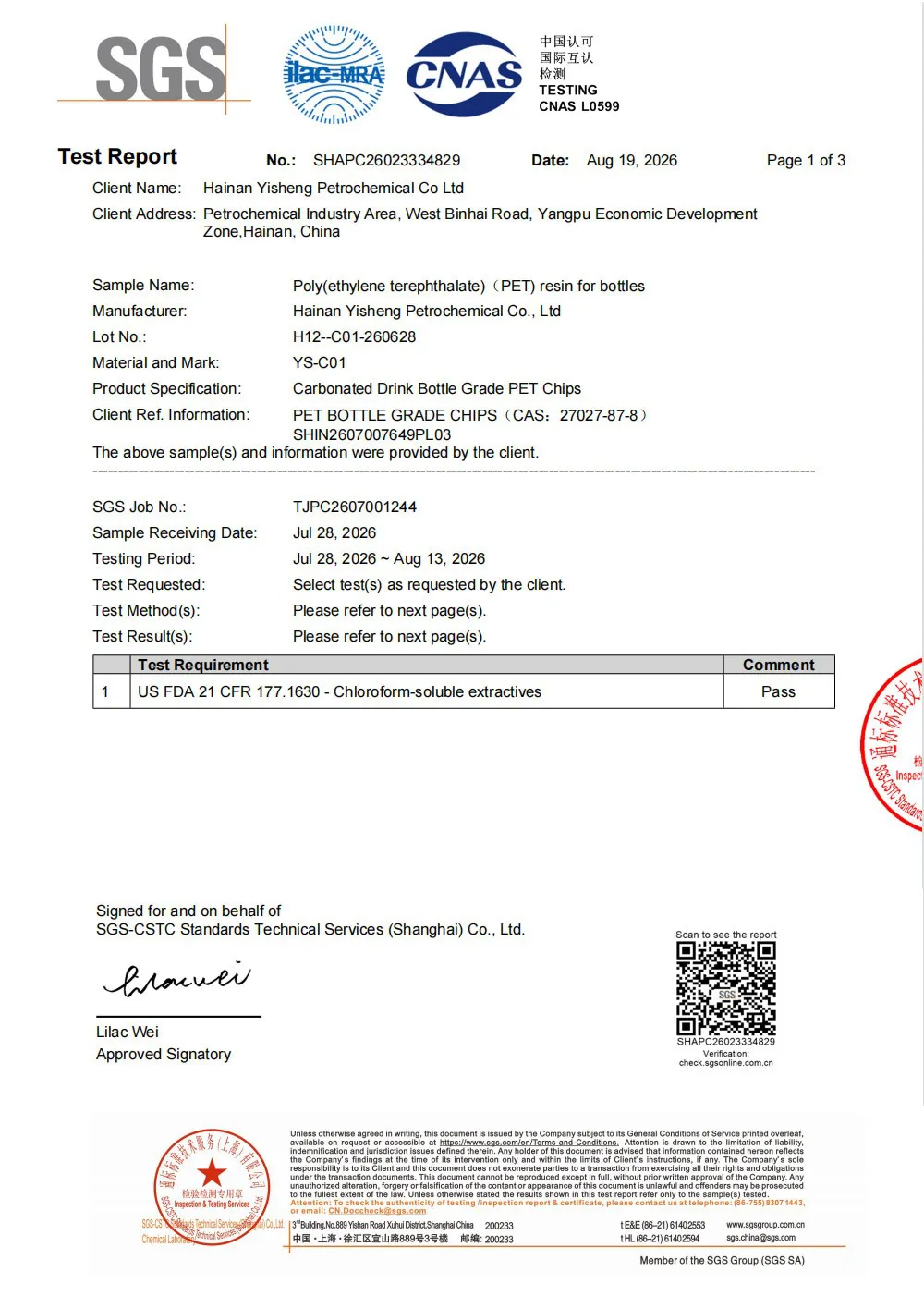
Cosmetic packaging isn't just about looks; it's about safety. Products like facial mists, hair sprays, and body lotions need to be stored in containers that protect them from contamination, UV light, and leaks. PCR plastic, when processed correctly, meets the same rigorous safety standards as virgin plastic. This includes compliance with FDA regulations for food and cosmetic contact, as well as strict quality controls to ensure there are no harmful chemicals or residues. For brands, this means peace of mind—and for consumers, it means they can trust the products they're putting on their skin.
Creating high-quality PCR recycled plastic spray bottles isn't as simple as melting down old plastic and pouring it into a mold. It requires a careful, multi-step process that prioritizes cleanliness, consistency, and safety. Let's take a behind-the-scenes look at how it all comes together—from the moment a plastic bottle is tossed into a recycling bin to the day it lands on a store shelf filled with your favorite mist.
It all starts with collection. Post-consumer plastic waste is gathered from recycling bins, curbside programs, and waste management facilities. But not all plastic is created equal. To make PCR plastic suitable for cosmetic packaging, only certain types of plastic can be used—typically PET (Polyethylene Terephthalate) and HDPE (High-Density Polyethylene), which are commonly found in water bottles, milk jugs, and detergent containers. These plastics are sorted by type (using automated systems and sometimes manual checks) to ensure purity. Contaminants like metal, glass, or non-recyclable plastics are removed to prevent defects in the final product.
Once sorted, the plastic is shredded into small flakes. These flakes are then washed thoroughly to remove dirt, labels, adhesives, and any remaining residues. This is a critical step—especially for cosmetic packaging, where cleanliness is non-negotiable. The flakes are then dried to remove moisture, which could affect the quality of the melted plastic. From there, they're melted down into pellets, which are essentially tiny beads of recycled plastic ready to be molded into new products.
This is where the magic happens. The PCR pellets are fed into an injection molding machine, where they're heated to high temperatures and injected into custom molds. For spray bottles, this involves creating the bottle body, the neck (where the sprayer attaches), and sometimes the cap. The molds are designed to ensure the bottle is durable, leak-proof, and aesthetically pleasing. After molding, the bottles are cooled, trimmed, and inspected for defects. Any bottles that don't meet quality standards are rejected and recycled again—no waste allowed.
Once the basic bottle is ready, it's time to make it brand-ready. This might include adding custom colors (using eco-friendly, water-based dyes), printing labels or logos (via silk-screening or digital printing), or attaching sprayers and caps. For brands that want a premium look, there are options like matte finishes, metallic accents, or embossed designs. The goal? To create a bottle that not only holds a product but also tells the brand's sustainability story at a glance.
Not all PCR recycled plastic spray bottles are created equal. The quality of the final product depends heavily on the manufacturer's expertise, equipment, and commitment to sustainability. That's why choosing the right partner is so important—especially for brands that want to deliver on their sustainability promises without compromising on quality.
A reputable manufacturer will have strict quality control processes in place, from the sourcing of PCR materials to the final inspection of the bottles. They'll also be transparent about their practices, providing documentation on the percentage of PCR content, the origin of the recycled materials, and any certifications they hold. Speaking of certifications—this is a key differentiator. Look for manufacturers with ISO 9001 certification, which ensures consistent quality management, and GMP compliance, which guarantees that the manufacturing process meets strict hygiene standards. These certifications aren't just pieces of paper; they're proof that the manufacturer takes quality and safety seriously.
Another factor to consider is customization. Every brand has unique needs, whether it's a specific bottle size, a custom color, or a unique spray mechanism. A good manufacturer will work with you to design a bottle that fits your product perfectly, from the initial concept to the final prototype. This might include 3D modeling, mold testing, and even small-batch production runs to ensure the design works before scaling up. After all, your packaging is an extension of your brand—you want it to be just right.
ISO 9001 is an international standard for quality management systems, and it's a big deal in the manufacturing world. Factories that hold this certification have demonstrated that they have processes in place to consistently produce products that meet customer and regulatory requirements. For PCR spray bottles, this means:
In short, an ISO 9001 certified factory gives brands peace of mind, knowing that their PCR spray bottles are not only sustainable but also reliable and safe.
Talk is cheap—what really matters is results. Let's take a look at how PCR recycled plastic spray bottles are making a difference for brands and the planet.
A popular natural skincare brand with a loyal following wanted to reduce its carbon footprint. Their best-selling product? A facial mist that came in a 100ml virgin plastic spray bottle. After researching sustainable options, they decided to switch to a PCR recycled plastic bottle with 50% PCR content. The result? Not only did they reduce their carbon emissions by an estimated 40% per bottle, but they also saw a 15% increase in sales. Why? Because they marketed the switch heavily on their packaging and social media, and their eco-conscious customers responded positively. "Our customers didn't just buy the mist—they bought into our commitment to the planet," said the brand's founder. "It was a win-win."
Luxury brands have historically been slower to adopt sustainable packaging, fearing it would dilute their premium image. But one high-end fragrance house decided to challenge that stereotype. They launched a limited-edition perfume in a PCR recycled plastic spray bottle, with a sleek matte finish and gold accents. The bottle contained 30% PCR content, and the brand donated a portion of the proceeds to ocean cleanup efforts. The response was overwhelming: The limited-edition sold out in weeks, and customers took to social media to praise the brand for "making luxury sustainable." It was proof that sustainability and luxury can go hand in hand.
Sustainability isn't just for high-end brands. A budget-friendly beauty brand known for its affordable skincare products wanted to show that eco-friendly packaging doesn't have to cost more. They switched all their spray bottles to 100% PCR recycled plastic, keeping the price point the same. To their surprise, they not only retained their existing customers but also attracted a new demographic of eco-conscious shoppers who appreciated the brand's commitment to accessibility and sustainability. "We wanted to prove that you don't have to spend a fortune to be green," said the brand's marketing director. "Our PCR spray bottles did just that."
So, what's next for PCR recycled plastic spray bottles? The future looks bright—and busy. As more brands set ambitious sustainability goals (like using 50% recycled content by 2030, or becoming carbon neutral), the demand for PCR plastic will only grow. This means more innovation in the recycling process, including better sorting technologies, higher-quality PCR materials, and even new types of recycled plastics (like PCR PP or PCR LDPE) that can be used for a wider range of packaging.
We're also likely to see more transparency in the industry. Brands will start sharing detailed information about their packaging's carbon footprint, the origin of their PCR materials, and their progress toward sustainability goals. This transparency will help consumers make informed choices and hold brands accountable. Imagine scanning a QR code on a spray bottle and seeing exactly how many plastic bottles were recycled to make it, how much carbon was saved, and where the materials came from—it's not science fiction; it's the future of packaging.
Another trend to watch? The rise of circular packaging systems. This means designing bottles that are not only made from recycled materials but are also recyclable themselves, creating a closed-loop system where plastic waste is minimized. Some manufacturers are already experimenting with refillable PCR spray bottles, where customers can buy a reusable bottle once and then purchase refills in compostable pouches. It's a bold idea, but one that could revolutionize the industry.
The shift to PCR recycled plastic spray bottles isn't just a trend—it's a responsibility. As a brand, you have the power to influence consumer behavior, drive industry change, and make a real difference for the planet. And the best part? You don't have to sacrifice quality, design, or profitability to do it. PCR plastic offers the best of both worlds: a durable, customizable packaging solution that aligns with your sustainability goals and resonates with your customers.
So, whether you're a small indie brand just starting out or a large corporation looking to revamp your packaging strategy, now is the time to embrace PCR recycled plastic spray bottles. They're not just the future of sustainable cosmetic packaging—they're the future of beauty. And the planet? It's counting on us to get it right.
Ready to take the first step? Look for a manufacturer that shares your commitment to quality and sustainability—one with the certifications, expertise, and passion to bring your vision to life. Together, we can turn plastic waste into something beautiful, one spray bottle at a time.