Email: info@mggpacking.com | Tel: +86-13510174848 ( Mr. Yao)


When you're building a personal care brand, every detail matters. From the formula inside the bottle to the way customers interact with your product, each element shapes their experience—and their perception of your brand. And if there's one component that bridges the gap between product and user, it's the packaging. Imagine a customer reaching for their daily essential oil blend or deodorant: the weight of the bottle in their hand, the smooth glide of the roller ball across their skin, the clarity of the glass that lets them see the rich color of your formula. These small moments turn first-time buyers into loyal customers. That's why choosing the right packaging partner isn't just about finding a supplier—it's about finding a collaborator who understands your brand's story and can translate it into tangible, memorable packaging.
For brands in the personal care space, glass roll-on bottles with metal balls have become a go-to choice, and for good reason. They blend functionality with elegance, offering a premium feel that resonates with today's discerning consumers. But not all roll-on bottles are created equal. The difference lies in the details: the quality of the glass, the precision of the metal ball, and the ability to customize every inch to reflect your brand's unique identity. That's where specialized manufacturers step in—those who don't just produce bottles, but craft packaging solutions that elevate your product from ordinary to extraordinary.
In a market flooded with plastic packaging, glass roll-on bottles make a statement. They're not just containers; they're a reflection of your brand's commitment to quality and experience. Let's break down why they've become a staple for essential oils, serums, deodorants, and other personal care products—and why the metal ball is a game-changer for user satisfaction.
Glass has long been prized in packaging for its ability to preserve the integrity of sensitive formulas. Unlike some plastics that can leach chemicals or absorb odors over time, glass is inert, meaning it won't react with your product. This is especially critical for personal care items like facial serums, essential oil blends, or natural deodorants, where maintaining the purity of ingredients is non-negotiable.
But glass isn't just about functionality—it's about storytelling. Clear glass showcases the vibrant hues of your formulas, turning the bottle into a visual selling point on store shelves. For light-sensitive products (think vitamin C serums or essential oils that degrade in sunlight), amber or cobalt blue glass options offer built-in UV protection, extending the shelf life of your product while adding a touch of sophistication. And let's not overlook the tactile experience: the weight of glass in the hand feels substantial, premium, and trustworthy—qualities that customers associate with high-end brands.
If the glass is the stage, the metal ball is the lead performer. A poorly designed roller can turn a luxurious product into a frustrating experience—sticky, uneven, or prone to leaking. But a high-quality metal ball? It glides. It distributes product evenly. It seals tightly to prevent spills. Here's why metal (often stainless steel or aluminum) is the material of choice:
Personal care routines vary, and your packaging should adapt to that. Glass roll-on bottles come in a range of sizes to fit every need, from on-the-go touch-ups to daily-use essentials. Here's how different capacities cater to different products and customer habits:
| Capacity | Common Uses | Customer Benefit |
|---|---|---|
| 10ml | Essential oil blends, perfume rollers, sample sizes | Perfect for travel or trial products; fits easily in purses or toiletry bags |
| 15ml | Facial serums, eye oils, small-batch deodorants | Balances portability with enough product for 2-3 weeks of daily use |
| 30ml | Full-size deodorants, body oils, hair serums | Ideal for regular use; reduces the frequency of repurchasing |
| 50ml+ | Bulk essential oils, household aromatherapy sprays | Cost-effective for high-consumption products or professional use |
*All sizes are customizable, with options for slim or standard profiles to fit your brand's aesthetic.
In a crowded market, your packaging is often the first interaction customers have with your brand. It needs to communicate your values, your story, and your attention to detail—all at a glance. That's where custom printing and embossing come in. These services transform a generic glass bottle into a powerful brand asset, one that customers recognize and remember.
Whether you're launching a new line or refreshing an existing one, custom printing allows you to put your brand front and center. The right printing technique can make your logo pop, your product name stand out, and your messaging resonate—all while maintaining the premium look of your glass roll-on bottle.
From vibrant full-color designs to elegant single-tone logos, the options are nearly endless. Silk screen printing is a popular choice for its durability and versatility; it works on both clear and colored glass, and can handle intricate details with crisp precision. For a more luxurious finish, hot stamping adds a metallic sheen (gold, silver, rose gold) that catches the light and feels indulgent—perfect for high-end serums or perfume rollers. And for brands looking to communicate sustainability, water-based inks offer an eco-friendly alternative without compromising on color vibrancy.
But printing isn't just about logos. Many brands use the space on their roll-on bottles to share key information: ingredient highlights ("100% Natural"), usage tips ("Glide on pulse points"), or even QR codes that link to tutorials or brand stories. This transforms the bottle into an interactive tool, deepening customer engagement long after the purchase.
If printing is about sight, embossing is about touch—and in a world where sensory experiences drive loyalty, that's a powerful advantage. Embossing creates a raised design on the glass, turning your logo or brand pattern into something customers can feel when they pick up the bottle. It's subtle yet impactful, adding a layer of sophistication that flat printing alone can't match.
Imagine a customer reaching for your deodorant roll-on: as their fingers wrap around the bottle, they feel the gentle ridge of your embossed logo. That tactile memory sticks with them, making your brand more memorable than competitors with smooth, unadorned packaging. Embossing also adds a level of exclusivity; it's a detail that signals craftsmanship and attention to quality, traits that appeal to customers willing to invest in premium personal care products.
And the best part? Embossing can be combined with printing for a multi-dimensional effect. A gold-printed logo with a subtle embossed border, for example, creates a look that's both eye-catching and (tactilely rich)—a one-two punch that elevates your packaging from functional to unforgettable.
While glass roll-on bottles might be the star of your packaging lineup, a cohesive brand look requires consistency across all products. The best manufacturers understand this, offering end-to-end customization that extends beyond bottles to caps, labels, and even secondary packaging.
Take caps, for example. A roll-on bottle's cap isn't just a lid—it's an opportunity to reinforce your brand. Options like matte black, metallic, or custom-colored caps can complement your bottle design, while features like child-resistant closures add a layer of safety for products like CBD oils or medicinal blends. Some manufacturers even offer custom mold design for plastic bottles and caps, allowing you to create entirely unique shapes that set your brand apart from the competition.
And let's not forget about the "unboxing experience." Custom boxes, tissue paper, or sticker sheets with your logo can turn a simple product delivery into a moment of delight. When customers feel that every detail has been considered—from the bottle to the box—they're more likely to share their experience on social media, becoming brand advocates in the process.
Sometimes, off-the-shelf packaging just won't cut it. Maybe you have a bold vision for a bottle shape that perfectly fits your brand's aesthetic, or a unique functional feature that solves a problem for your customers (like a ergonomic grip or a spill-proof design). In those cases, custom mold design is the key to turning your idea into reality—and it's a service that sets top-tier manufacturers apart.
Custom mold design can sound intimidating, but the best manufacturers simplify the process, guiding you from initial concept to final production with clear communication and support at every step. Here's a glimpse into what that journey looks like:
The result? A bottle that's uniquely yours—one that no competitor can replicate, and one that tells your brand's story through its very shape.
Custom mold design isn't just for big brands with unlimited budgets. Even small to mid-sized businesses can benefit from creating a unique bottle shape, and here's why:
When it comes to personal care and pharmaceutical packaging, quality isn't just a nice-to-have—it's a necessity. Customers trust you with their health and well-being, and that trust extends to the packaging that holds your product. That's why choosing a manufacturer with rigorous quality standards isn't just smart business; it's a commitment to your customers.
ISO 9001:2015 is an international standard that sets out the criteria for a quality management system (QMS). Manufacturers who hold this certification have demonstrated their ability to consistently provide products that meet customer and regulatory requirements. For you, that means peace of mind: every glass roll-on bottle, every metal ball, every printed logo is produced to the same high standard, batch after batch.
What does this look like in practice? It means the manufacturer has strict processes in place for everything from raw material sourcing (ensuring the glass is free from impurities) to production (monitoring temperature and pressure during glassblowing to prevent weak spots) to final inspection (checking for cracks, uneven finishes, or faulty closures). It also means they're committed to continuous improvement—regularly reviewing and refining their processes to address any issues that arise.
For personal care products that come into contact with skin (or pharmaceutical products that are ingested), cleanliness is non-negotiable. That's where Good Manufacturing Practices (GMP) come in. GMP guidelines ensure that products are consistently produced and controlled according to quality standards, with a focus on minimizing risks of contamination.
A GMP-compliant workshop is designed to maintain a dust-free environment, with air filtration systems, strict hygiene protocols for staff, and separate areas for different production stages to prevent cross-contamination. For example, when manufacturing glass roll-on bottles for medical-grade products (like ointments or topical medications), the workshop would be even more controlled, with sterile conditions to ensure the bottles are free from bacteria or particles that could compromise the product.
For brands in the natural or organic space, GMP compliance is also a selling point. It shows customers that you take product safety seriously, reinforcing their trust in your brand. When they see that your packaging is produced in a GMP-certified facility, they feel confident that the formula inside is just as carefully handled.
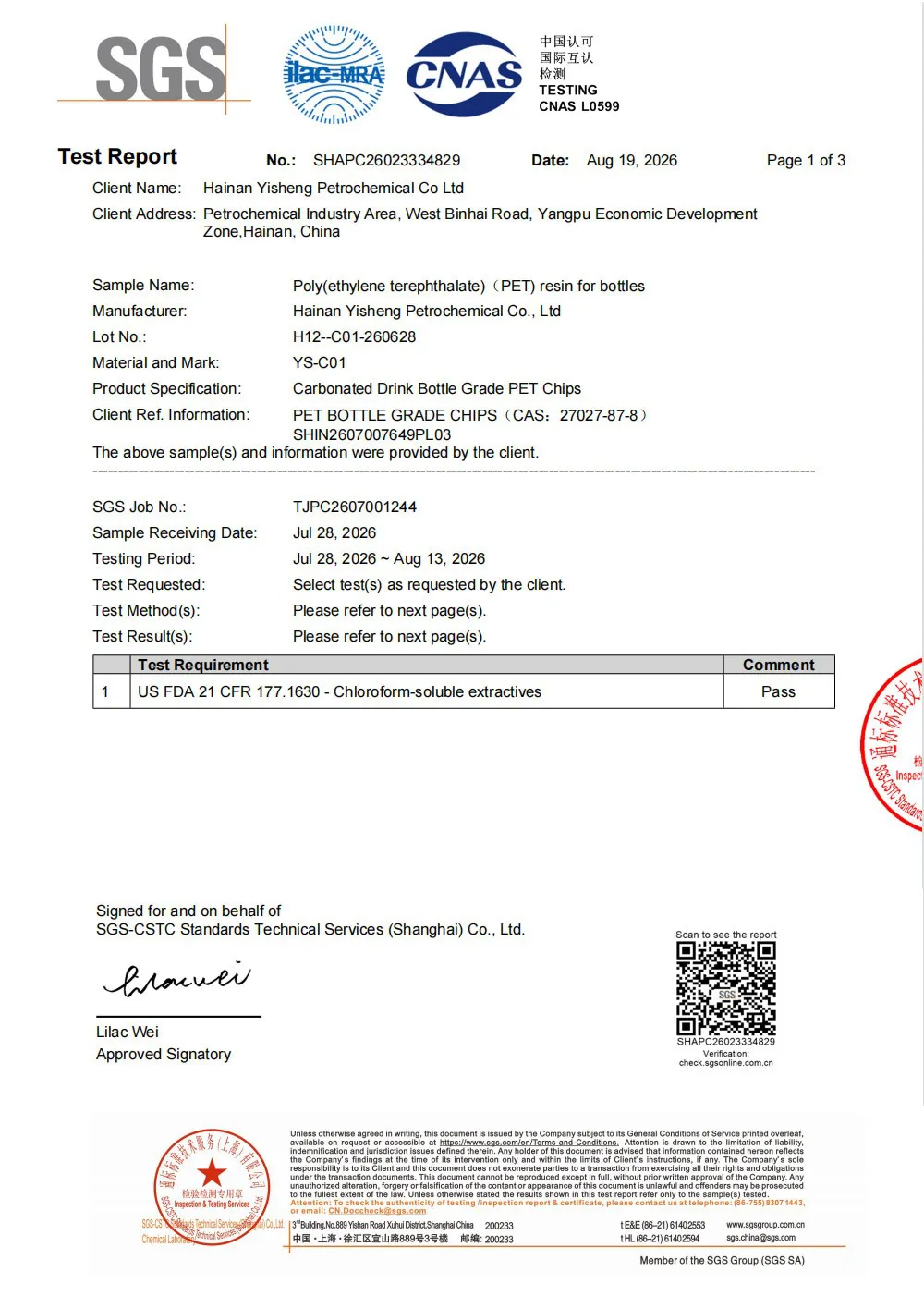
Quality certifications are important, but they're only part of the story. The best manufacturers go above and beyond with hands-on testing to ensure every bottle meets their standards. For glass roll-on bottles, this testing includes:
This level of testing might seem meticulous, but it's what separates reliable manufacturers from those who cut corners. When you partner with a company that takes testing seriously, you can rest easy knowing that the bottles arriving at your warehouse are ready to impress your customers.
Today's consumers don't just care about what's in your product—they care about how it's packaged. Sustainability has become a key factor in purchasing decisions, with 60% of global consumers willing to pay more for products from brands committed to environmental responsibility (according to a 2023 Nielsen report). For personal care brands, this means rethinking packaging to reduce waste, minimize carbon footprints, and use more eco-friendly materials. The good news? You don't have to sacrifice quality or aesthetics to go green—and glass roll-on bottles are a great starting point.
Glass is inherently sustainable, and here's why:
The most forward-thinking manufacturers are taking sustainability a step further, offering additional eco-friendly solutions to complement their glass packaging:
While the bottle itself is glass, the cap or closure might be plastic. Many manufacturers now offer caps made from Post-Consumer Recycled (PCR) plastic, which uses waste plastic that would otherwise end up in landfills or oceans. PCR caps have the same functionality as virgin plastic but with a fraction of the environmental impact.
By optimizing the thickness of glass without compromising strength, manufacturers can reduce the amount of raw material used per bottle. This not only lowers production costs but also reduces transportation emissions (since lighter bottles mean fewer trucks on the road).
For custom printing, water-based inks and adhesives are a greener alternative to solvent-based options, which release volatile organic compounds (VOCs) into the air. Water-based inks are just as vibrant and durable but have a lower environmental impact.
Sustainability doesn't stop at the product bottle. Manufacturers can also use recycled or biodegradable materials for shipping boxes, void fill (like mushroom packaging instead of styrofoam), and minimal labeling to reduce waste.
By choosing a manufacturer that prioritizes these practices, you can align your brand with the values of eco-conscious customers, turning your packaging into a marketing tool for sustainability.
With so many packaging suppliers out there, why should you choose a manufacturer that specializes in glass roll-on bottles with custom printing and embossing? The answer lies in their expertise, their commitment to your brand's success, and their ability to turn your vision into reality with minimal hassle. Here are just a few reasons why specialization matters:
Personal care and cosmetic packaging have unique requirements that general packaging suppliers might overlook. For example, a manufacturer that specializes in glass roll-on bottles will know that essential oil brands need amber glass for UV protection, or that deodorant brands prioritize leak-proof closures for travel. They'll ask the right questions—about your formula's viscosity, your target audience, your distribution channels—to recommend the best bottle design and features for your specific product.
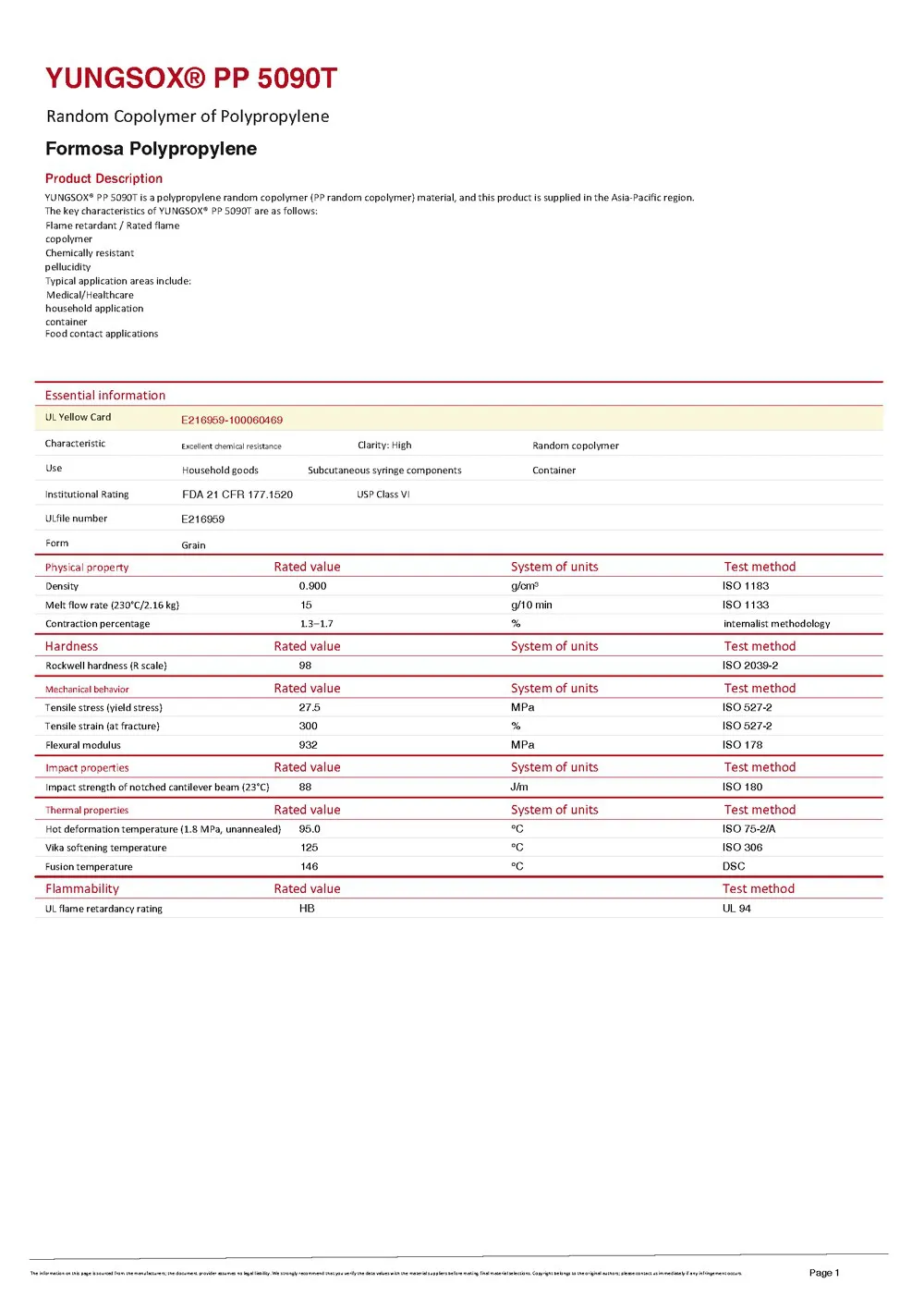
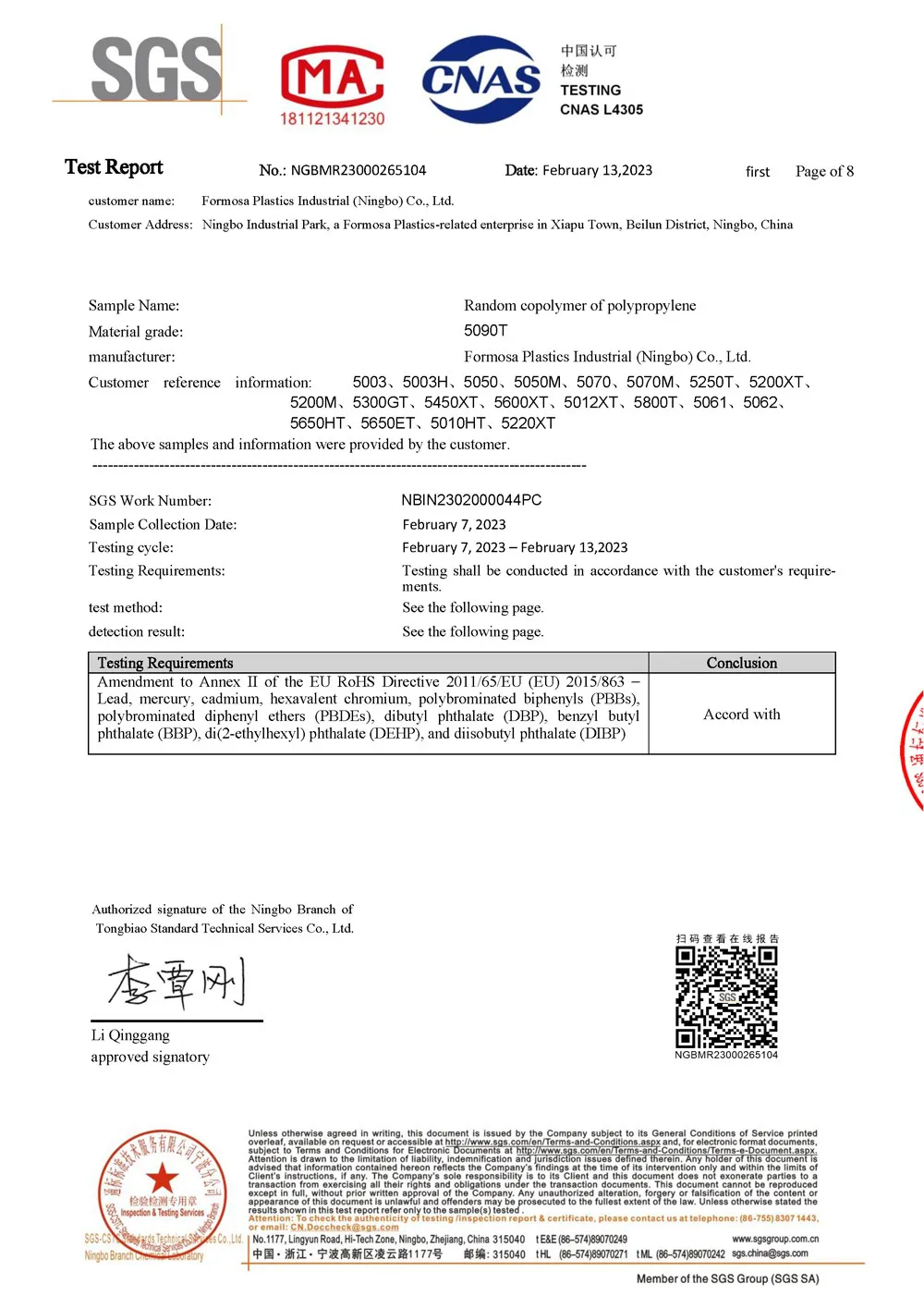
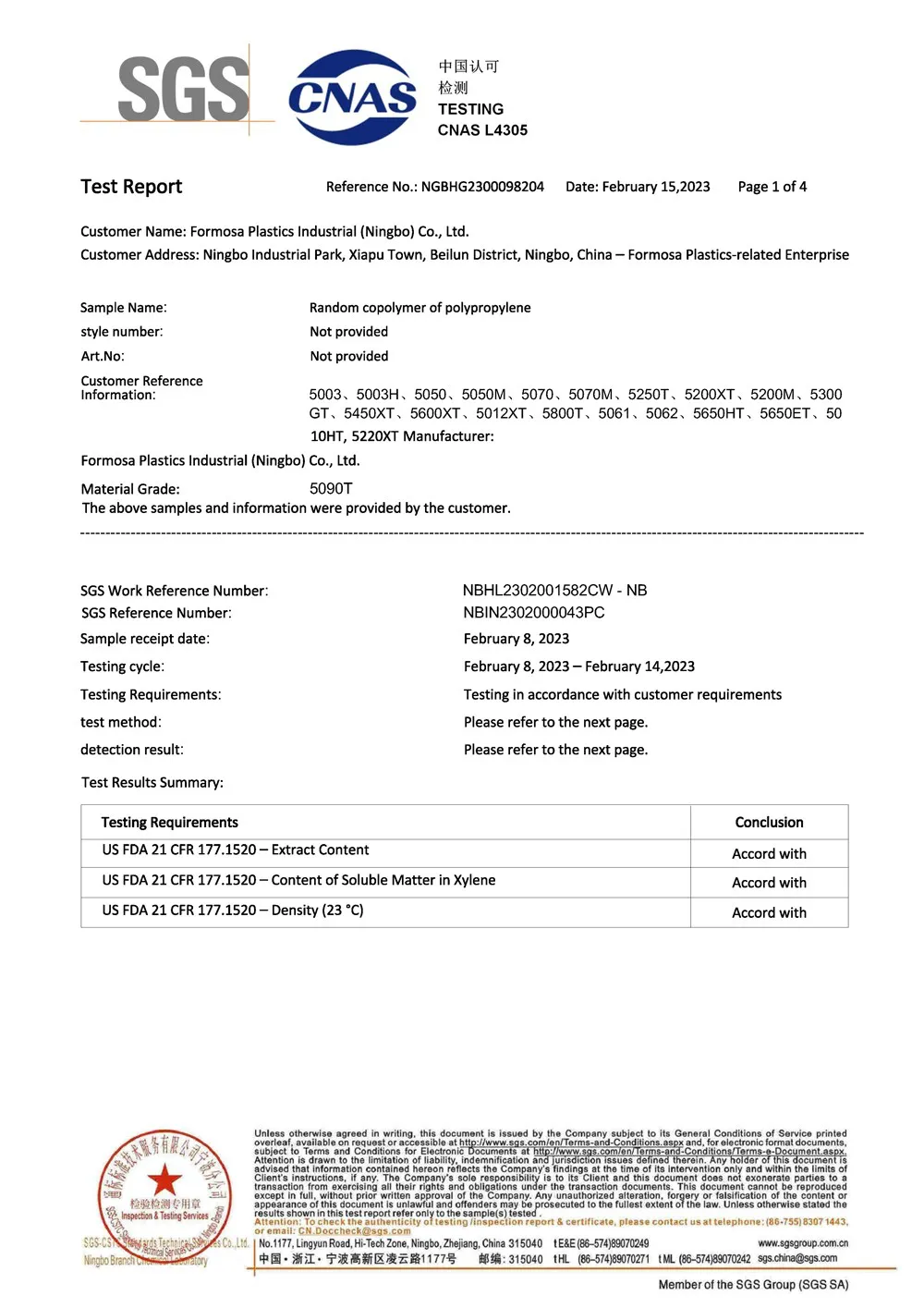
This industry knowledge also extends to regulatory compliance. If you're selling in the EU, they'll be familiar with REACH and CPNP regulations for cosmetic packaging. If you're in the US, they'll know FDA requirements for materials that contact skin. This expertise saves you time and reduces the risk of costly mistakes down the line.
A specialized manufacturer isn't just a vendor—they're a partner. From the moment you reach out, they'll guide you through every step of the process: helping you choose the right bottle size, advising on printing vs. embossing, troubleshooting mold design issues, and even offering insights on market trends (like which glass colors are trending for 2024).
Many also offer low minimum order quantities (MOQs) for custom projects, making it easier for small brands to get started without investing in thousands of bottles upfront. And if your needs grow? They'll scale with you, offering bulk pricing discounts and faster turnaround times as your order volume increases.
There's nothing more frustrating than working with a supplier who's hard to reach or vague about timelines. Specialized manufacturers understand that clear communication is key to a successful partnership. They'll assign you a dedicated account manager who's available to answer questions, provide updates on production, and address any concerns that arise. They'll also be transparent about costs, lead times, and potential challenges, so you're never caught off guard.
For example, if a delay in glass production is expected, they'll let you know as soon as possible and work with you to adjust your timeline. If a custom mold design needs extra revisions, they'll explain why and how it will impact the final product. This level of transparency builds trust, making the partnership feel collaborative rather than transactional.
In the world of personal care, where customers have endless choices, your packaging is your first chance to make an impression. Glass roll-on bottles with metal balls offer the perfect blend of functionality, elegance, and sustainability, but their true power lies in customization. With custom printing, embossed logos, and even custom mold design, you can transform a simple bottle into a reflection of your brand's values, personality, and commitment to quality.
By partnering with a specialized manufacturer—one that understands the nuances of cosmetic packaging, prioritizes quality and sustainability, and offers end-to-end support—you're not just buying bottles. You're investing in packaging that elevates your product, delights your customers, and sets your brand apart in a crowded market.
So whether you're launching a new line of essential oil rollers, refreshing your deodorant packaging, or creating a high-end serum for skincare enthusiasts, remember: the right packaging isn't an afterthought. It's a strategic asset that can turn first-time buyers into loyal customers, and loyal customers into brand advocates. Choose wisely, and let your packaging tell a story worth remembering.