Email: info@mggpacking.com | Tel: +86-13510174848 ( Mr. Yao)


In the world of pharmaceuticals, where every detail impacts patient safety and product efficacy, the storage of sensitive materials—vaccines, blood samples, genetic reagents, and biological cultures—demands uncompromising precision. Cryogenic storage, operating at ultra-low temperatures (as low as -196°C with liquid nitrogen), is the backbone of preserving these delicate materials. At the heart of this process lie cryogenic tubes: unassuming yet critical containers that act as guardians of biological integrity, designed to withstand extreme conditions while ensuring the samples they protect remain unaltered. Choosing the right cryogenic tubes manufacturer isn't just a purchase—it's a commitment to upholding the highest standards of pharmaceutical care.
Imagine storing a life-saving vaccine that took years to develop, or a rare blood sample needed for a patient's personalized treatment. These materials are irreplaceable, and their storage requires containers that don't just "hold" them—they preserve their viability. Cryogenic tubes must resist brittle fracture at ultra-low temperatures, prevent leakage of liquid nitrogen or samples, and avoid chemical interactions with their contents. In short, they're engineered to be fail-safes in a system where failure is not an option.
For pharmaceutical companies, biotech labs, and research institutions, the stakes are clear: subpar cryogenic tubes can lead to sample degradation, contamination, or loss—resulting in wasted resources, delayed research, or even compromised patient outcomes. That's why partnering with a manufacturer that prioritizes quality, compliance, and innovation is non-negotiable.
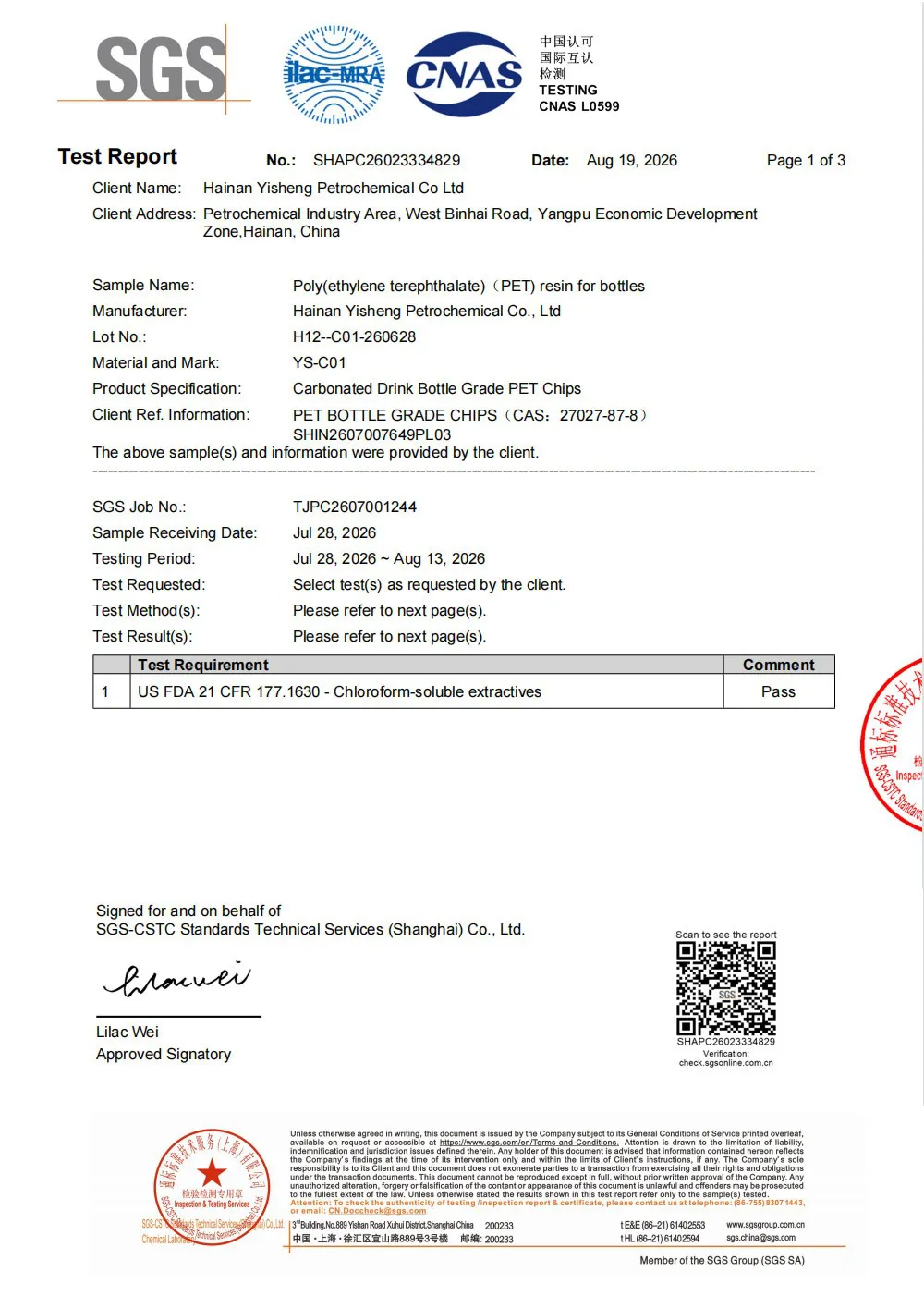
At the core of a reliable cryogenic tube is its material. While glass and other plastics have their uses, polypropylene (PP) has emerged as the gold standard for pharmaceutical cryogenic storage—and for good reason.
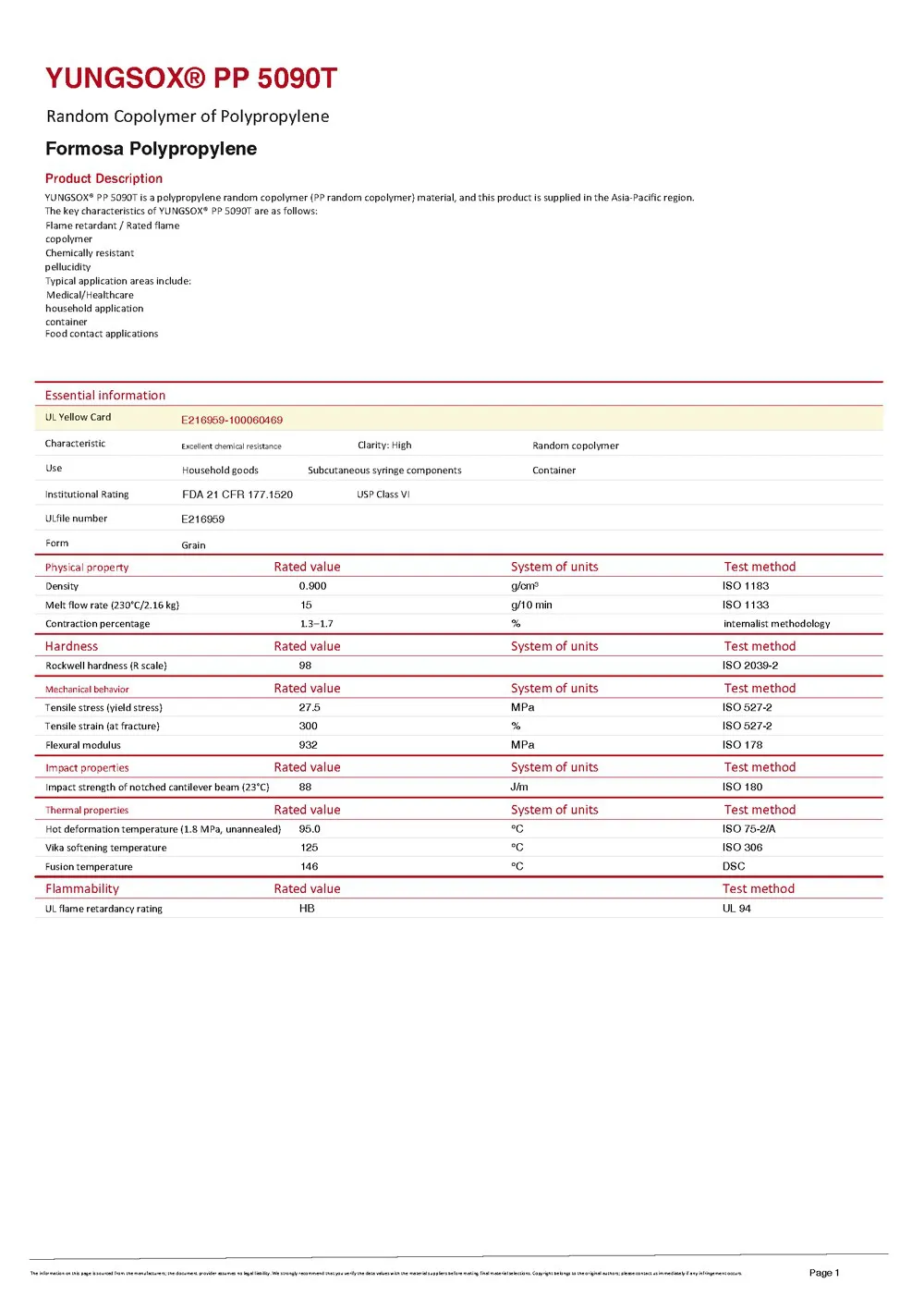
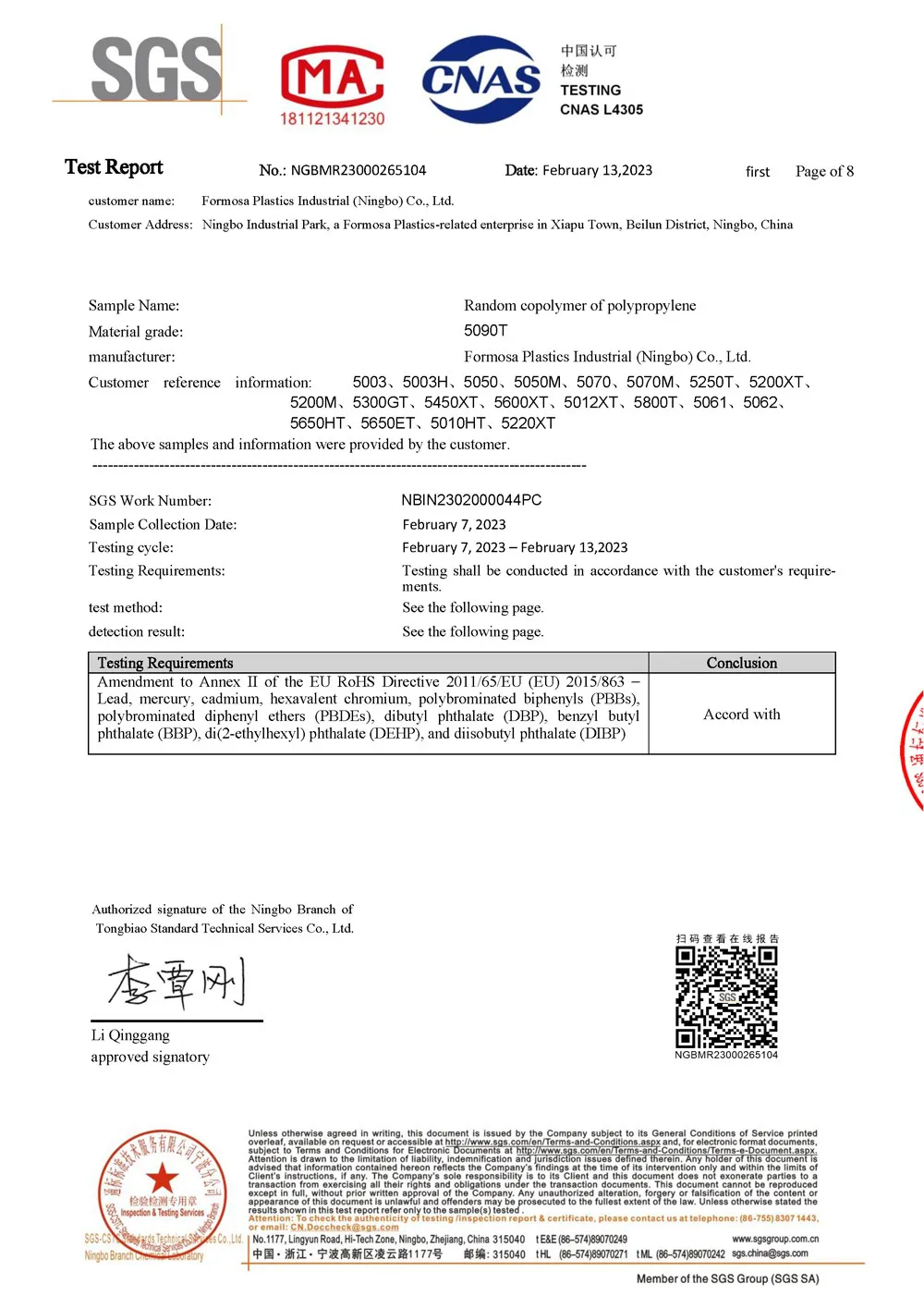
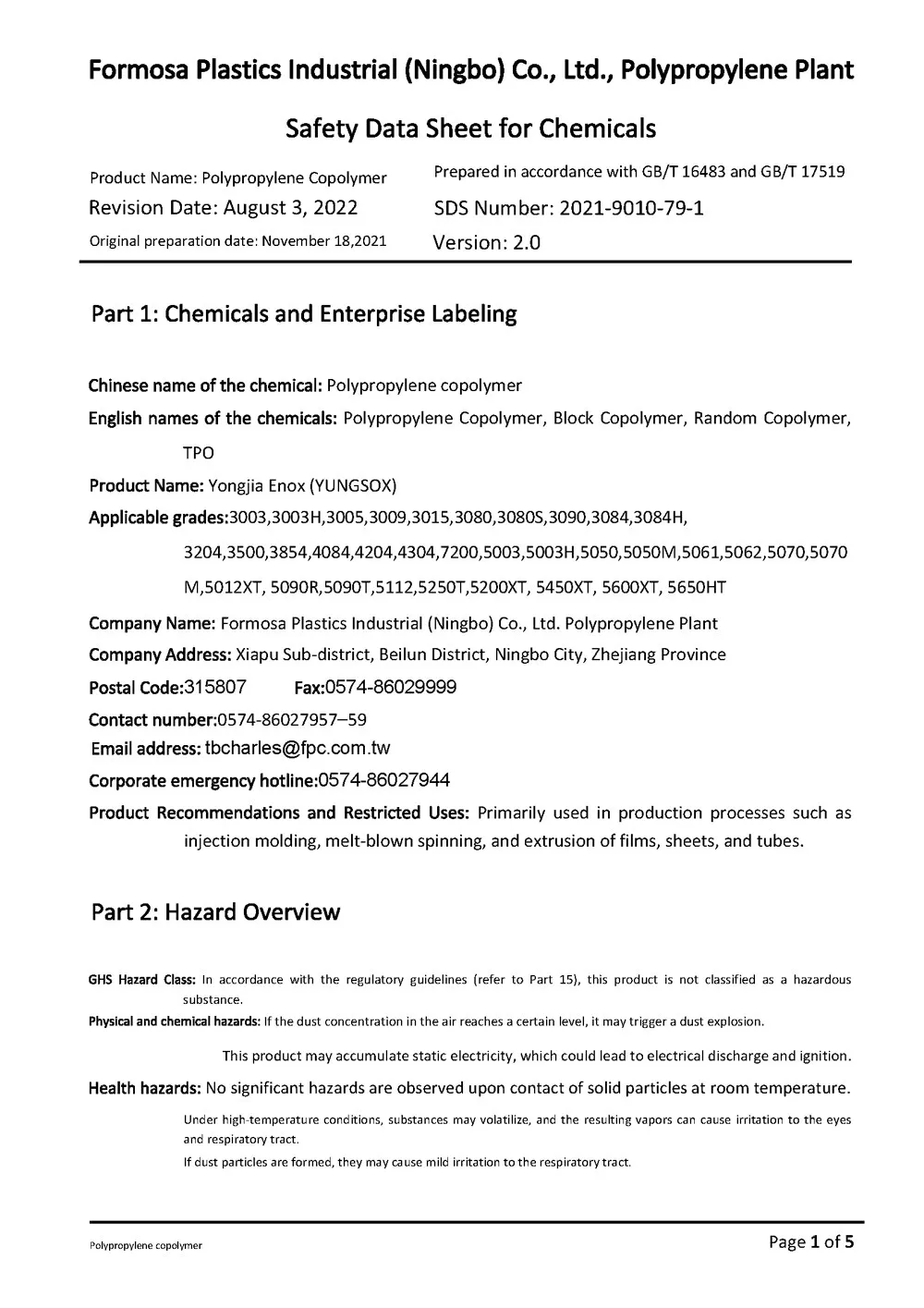
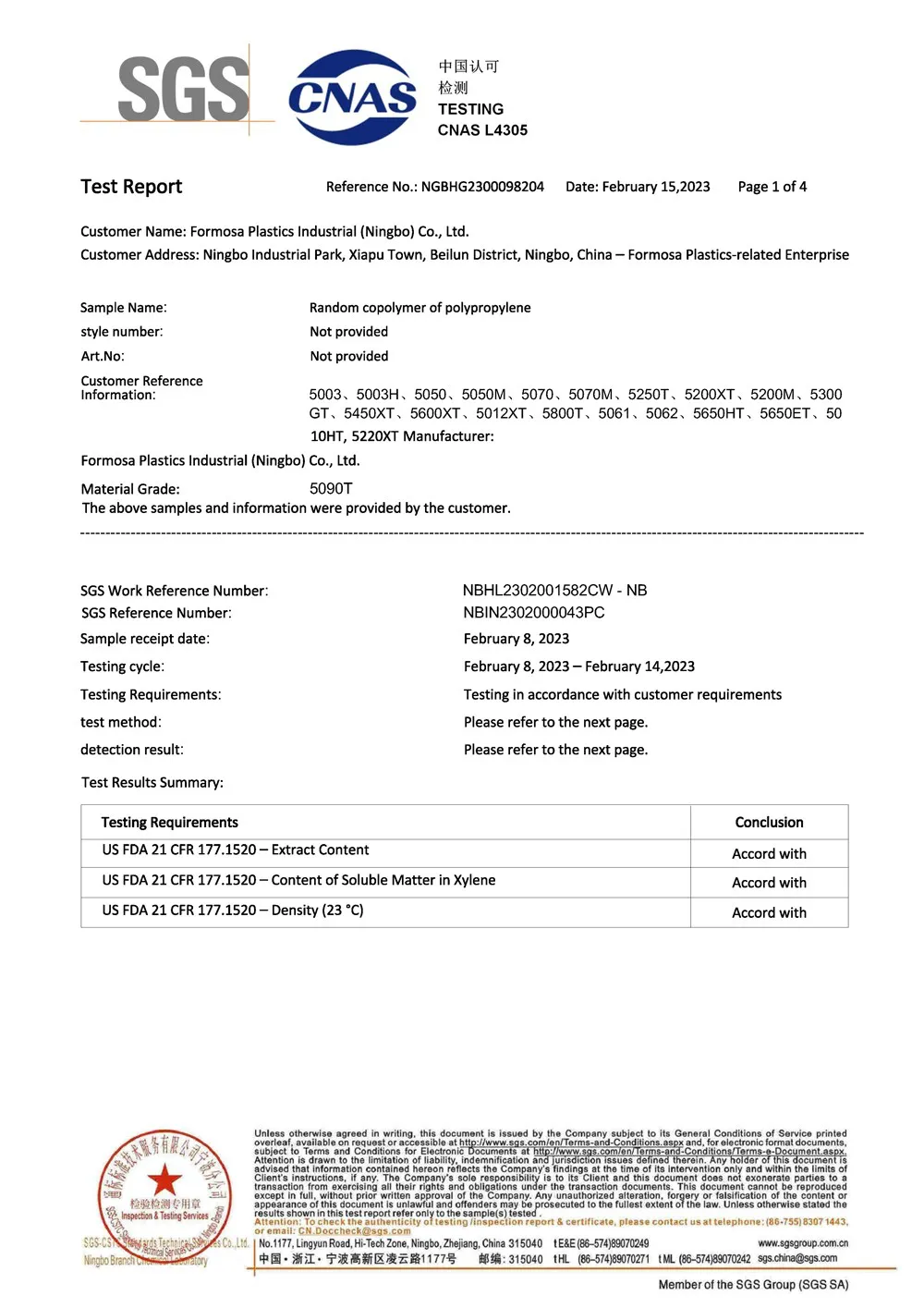
Not all PP is created equal, however. Reputable manufacturers source medical-grade PP resin, tested to meet USP Class VI standards for biocompatibility—ensuring the material itself is safe for contact with pharmaceutical and biological samples.
Even the best materials can be compromised by a subpar manufacturing environment. That's where a dust-free GMP compliant workshop becomes indispensable. GMP (Good Manufacturing Practices) is a regulatory framework that ensures products are consistently produced and controlled according to quality standards—and for cryogenic tubes, it's the foundation of reliability.
A dust-free GMP workshop isn't just "clean"—it's a meticulously controlled environment designed to eliminate contamination risks. Here's what sets it apart:
For pharmaceutical clients, this level of control isn't just reassuring—it's required. Regulatory bodies like the FDA and EMA inspect manufacturing facilities to ensure GMP compliance, and a dust-free workshop is often the first checkpoint in maintaining that certification.
Beyond GMP, an ISO9001 certified packaging factory adds another layer of confidence. ISO 9001 is an international standard for quality management systems (QMS), focusing on customer satisfaction, process improvement, and consistent product quality. For a cryogenic tube manufacturer, ISO 9001 certification means:
Together, GMP compliance and ISO 9001 certification create a robust framework for quality—ensuring that cryogenic tubes aren't just "good enough," but consistently exceptional.
When evaluating cryogenic tubes, look for these critical features—hallmarks of a product designed for pharmaceutical excellence:
Silicone gaskets or O-rings create a hermetic seal, preventing liquid nitrogen ingress or sample leakage—even during temperature cycling or transportation.
EO (ethylene oxide) or gamma radiation sterilization, with validation to ensure a sterility assurance level (SAL) of 10⁻⁶ (less than one viable microorganism per million tubes).
Like other tamper-evident pharmaceutical containers , cryogenic tubes may include breakaway caps or foil seals that show clear signs of unauthorized access—critical for maintaining sample integrity.
Frost-resistant writing surfaces or pre-printed labels for easy sample tracking, even after storage in liquid nitrogen.
| Capacity | Thread Type | Bottom Design | Sterilization Method | Typical Applications |
|---|---|---|---|---|
| 0.5ml | Internal | Conical | Gamma | DNA/RNA samples, small-volume reagents |
| 1.8ml | External | Round | EO Gas | Blood samples, cell cultures, vaccine strains |
| 5ml | Internal | Conical | Gamma | Bulk reagents, biobanking, large cell suspensions |
Cryogenic tubes are versatile workhorses across the life sciences. Here are just a few ways they support pharmaceutical innovation:
In each case, the tubes serve as a critical link in the pharmaceutical supply chain—protecting the building blocks of life-saving treatments.
Today's pharmaceutical industry isn't just focused on efficacy—it's also prioritizing sustainability. Forward-thinking cryogenic tube manufacturers are responding with eco-friendly innovations, such as:
These efforts align with the broader trend toward sustainable plastic packaging solutions, allowing pharmaceutical companies to meet their environmental goals without sacrificing quality.
In the end, cryogenic tubes are more than just containers—they're a reflection of your commitment to quality, compliance, and patient safety. When selecting a manufacturer, look for a partner with a proven track record: a dust-free GMP compliant workshop, ISO 9001 certification, expertise in PP polypropylene, and a focus on innovation.
Whether you're storing vaccines for global distribution, preserving samples for groundbreaking research, or developing the next generation of biotherapies, the right cryogenic tubes will stand with you—quietly, reliably, and unwaveringly—protecting what matters most.