Email: info@mggpacking.com | Tel: +86-13510174848 ( Mr. Yao)


In the world of skincare and personal care, where the ritual of application often feels like a moment of self-care, the packaging that holds these precious formulas plays a role far beyond mere containment. Among the many components that make up cosmetic and pharmaceutical packaging, the lotion pump stands out as a silent hero—bridging the gap between product and user, ensuring every drop of cream, serum, or liquid soap is delivered with precision, consistency, and a touch of elegance. For brands aiming to create a seamless user experience, choosing the right lotion pump isn't just a practical decision; it's an investment in building trust and loyalty with consumers.
Imagine reaching for your favorite moisturizer in the morning. You press the pump, expecting a small, controlled amount—just enough to cover your face or hands. But if the pump dispenses too much, you're left wasting product; too little, and you end up pressing again, disrupting your routine. This seemingly minor interaction can shape how customers perceive your brand. A well-designed lotion pump eliminates these frustrations, turning an everyday task into a smooth, satisfying experience.
At its core, a precise dispensing lotion pump is engineered to deliver a consistent volume with each press, typically ranging from 1cc to 2cc per stroke. This consistency isn't just about convenience; it's about product efficiency. For high-end serums or pharmaceutical formulas where every milliliter counts, ensuring that customers use the exact dosage recommended can enhance the product's effectiveness and reduce waste. It also helps brands manage costs by aligning usage rates with product lifespan, encouraging repeat purchases when the bottle is empty—not when it's half-full and frustrating to use.
What sets a standard lotion pump apart from a subpar one? It's in the details—the materials, the mechanism, and the thoughtful touches that prioritize both functionality and user experience. Let's break down the key design elements that make a lotion pump reliable and user-friendly:
Smooth Actuation: The best pumps require minimal effort to press, with a smooth, springy return that feels intuitive. No one wants to struggle with a stiff pump first thing in the morning or after a long day. The internal spring and piston design are calibrated to balance resistance and ease, ensuring that even those with limited hand strength can use the product comfortably.
Leak-Proof Construction: There's nothing more disappointing than opening a travel bag to find your lotion has leaked all over your belongings. A quality lotion pump features a tight-sealing mechanism, often with a silicone or rubber gasket, that prevents spills during transit or when the bottle is tipped over. This is especially critical for liquid formulas like hand soaps or body washes, which are prone to leaking if the pump isn't properly sealed.
Compatibility with Formulas: Different products have different viscosities—from thin serums to thick creams—and the pump must be designed to handle these variations. For example, a pump intended for a lightweight facial serum will have a narrower dip tube and a different valve system than one designed for a rich body butter. Manufacturers must consider factors like product thickness, pH levels, and chemical composition to ensure the pump doesn't corrode, clog, or degrade over time.
Lockable Design: For brands targeting the travel market or eco-conscious consumers who refill their bottles, a lockable pump is a game-changer. By twisting or pressing the pump head down, users can lock it in place, preventing accidental dispensing and making the bottle more compact for storage. This feature not only enhances portability but also extends the product's shelf life by reducing exposure to air and contaminants.
While the pump mechanism itself gets much of the attention, the bottle it's attached to is equally important. The material of the bottle affects everything from durability to product compatibility, and ultimately, the brand's sustainability goals. Two of the most common materials used for lotion pump bottles are HDPE (High-Density Polyethylene) and PET (Polyethylene Terephthalate), each with its own set of advantages:
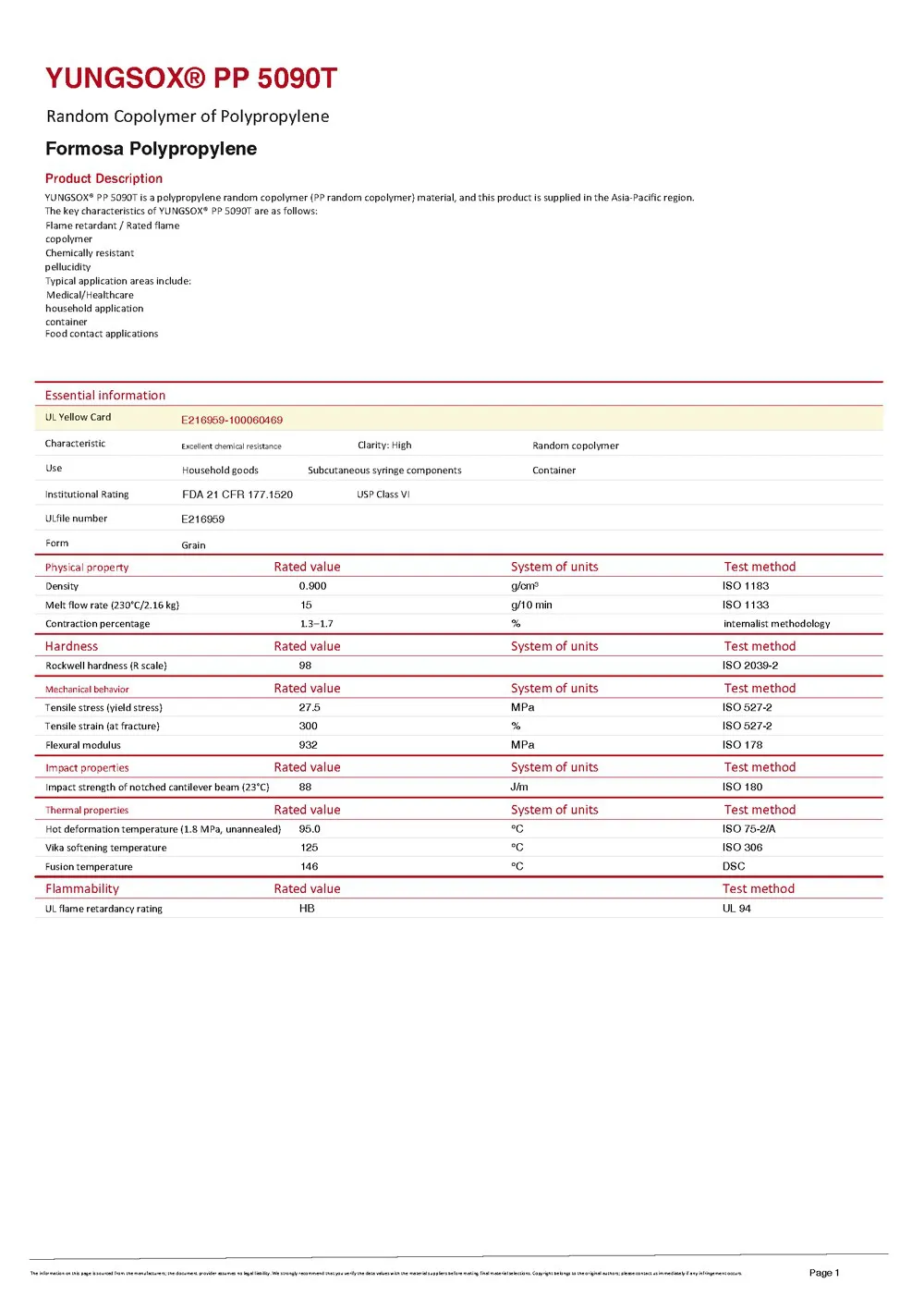
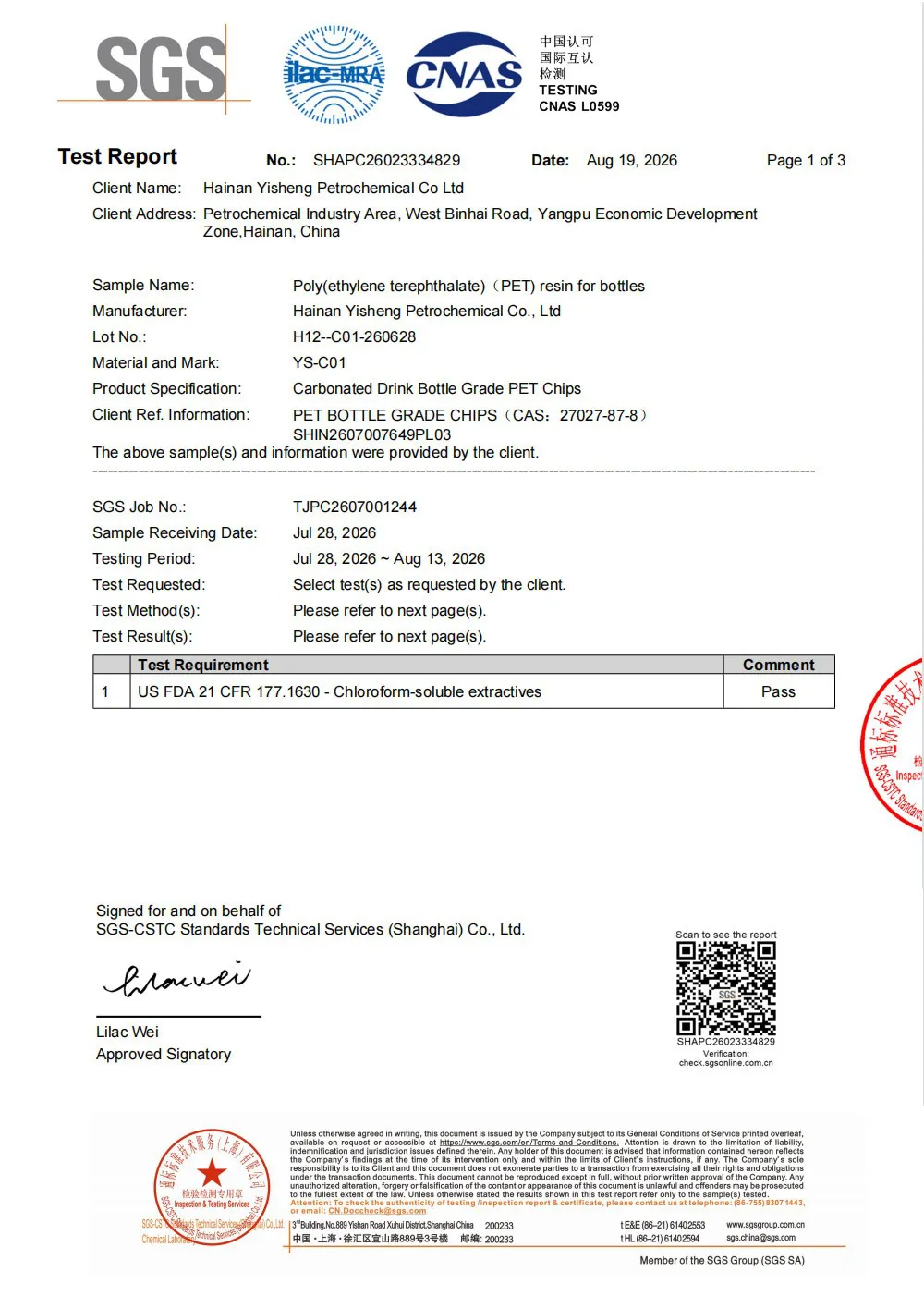
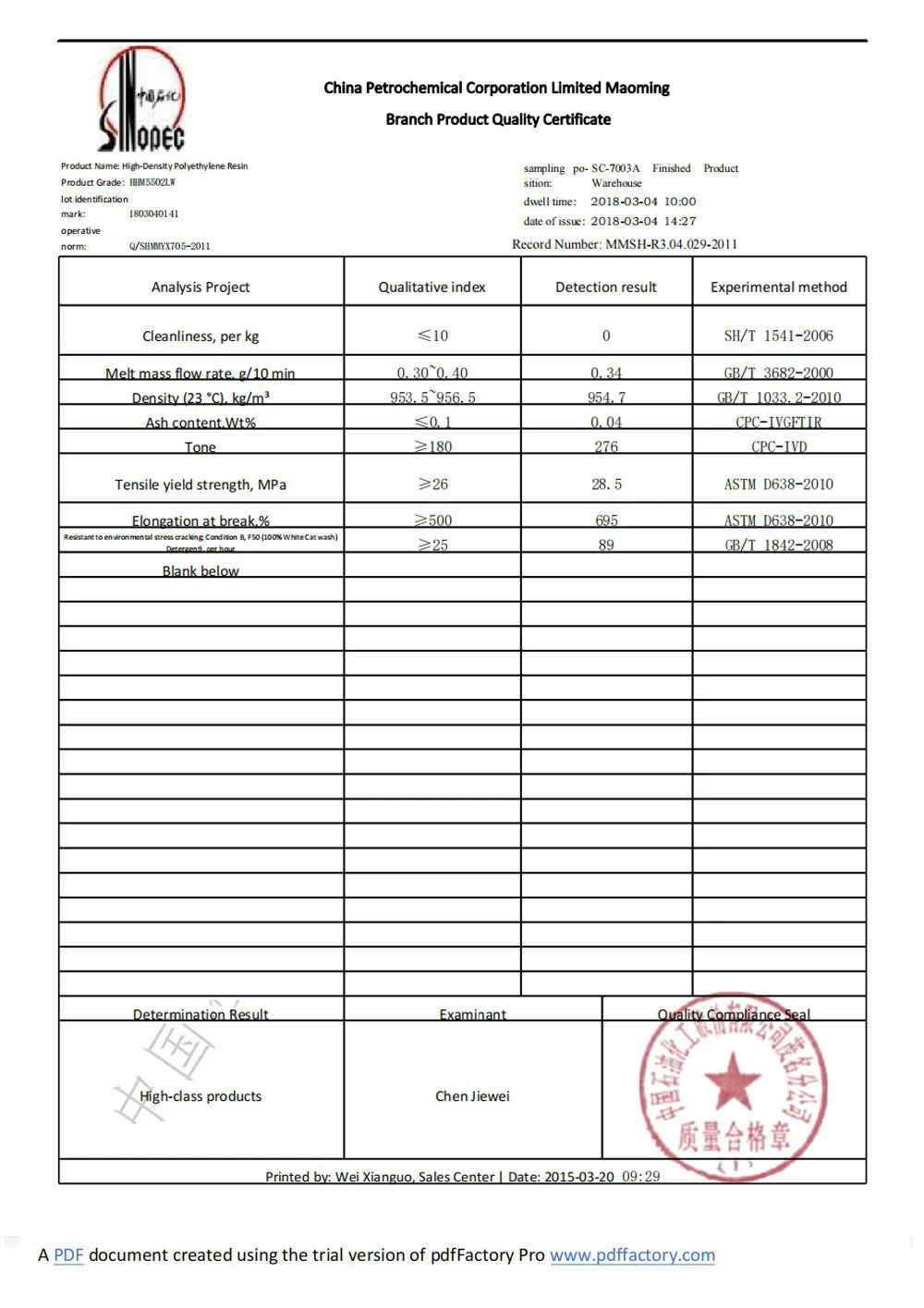
HDPE (High-Density Polyethylene): Known for its strength and chemical resistance, HDPE is a popular choice for pharmaceutical and personal care packaging. It's lightweight yet durable, making it ideal for products like liquid soaps and body washes that are used daily. HDPE is also resistant to impact, which means the bottle can withstand drops without cracking or leaking. Additionally, HDPE is fully recyclable, aligning with the growing demand for sustainable packaging solutions.
PET (Polyethylene Terephthalate): If your brand prioritizes clarity and aesthetics, PET is the way to go. This material offers glass-like transparency, allowing customers to see the product's color and texture—an important selling point for serums, lotions, and other visually appealing formulas. PET is also lightweight and shatterproof, making it a safer alternative to glass for travel-sized products. While PET is recyclable, it's important to note that it has a lower chemical resistance than HDPE, so it's best suited for non-abrasive, pH-neutral formulas.
For brands looking to reduce their environmental footprint, recycled materials like PCR (Post-Consumer Recycled) HDPE or PET are becoming increasingly available. These materials use plastic waste that would otherwise end up in landfills, giving it a second life as high-quality packaging. By choosing PCR materials, brands can demonstrate their commitment to sustainability without compromising on performance.
In a crowded market, standing out is key—and your packaging is often the first thing customers notice. Custom lotion pump bottles allow brands to infuse their unique identity into every aspect of the product, from the bottle's shape to the color of the pump head. Whether you're a small indie brand or a large pharmaceutical company, customization options like these can help you create a cohesive, memorable brand experience:
Bottle Shape and Size: From sleek, cylindrical designs to ergonomic, curved bottles that fit comfortably in the hand, the shape of your pump bottle can enhance usability and brand recognition. Common sizes range from 30ml (travel-sized) to 500ml (bulk dispensers), ensuring there's an option for every need. For example, a skincare brand targeting luxury consumers might opt for a 100ml frosted glass-look PET bottle, while a hotel chain supplying amenities could choose 50ml HDPE bottles for their durability and cost-effectiveness.
Color Matching: Your brand's color palette is a powerful tool for building recognition, and your packaging should reflect that. Whether you need a vibrant red pump to match your logo or a soft pastel bottle for a gentle skincare line, manufacturers can create custom colors using Pantone matching, ensuring consistency across all your products. Matte, glossy, or metallic finishes can further elevate the bottle's appearance, adding a premium feel without the premium price tag.
Logo and Branding: Adding your logo to the pump bottle—whether through silk-screen printing, hot stamping, or embossing—turns a generic container into a brand ambassador. A subtly embossed logo on the bottle's shoulder or a printed label around the neck can reinforce brand identity every time the product is used. For private label brands, this level of customization allows you to create a unique product that feels exclusive to your customers.
Mold Design: For brands with a specific vision in mind, custom mold design is the ultimate customization option. By working with a manufacturer that offers in-house mold design and development, you can create a one-of-a-kind bottle shape that no other brand has. Many manufacturers even offer free mold testing, allowing you to refine the design before mass production—saving time and money in the long run.
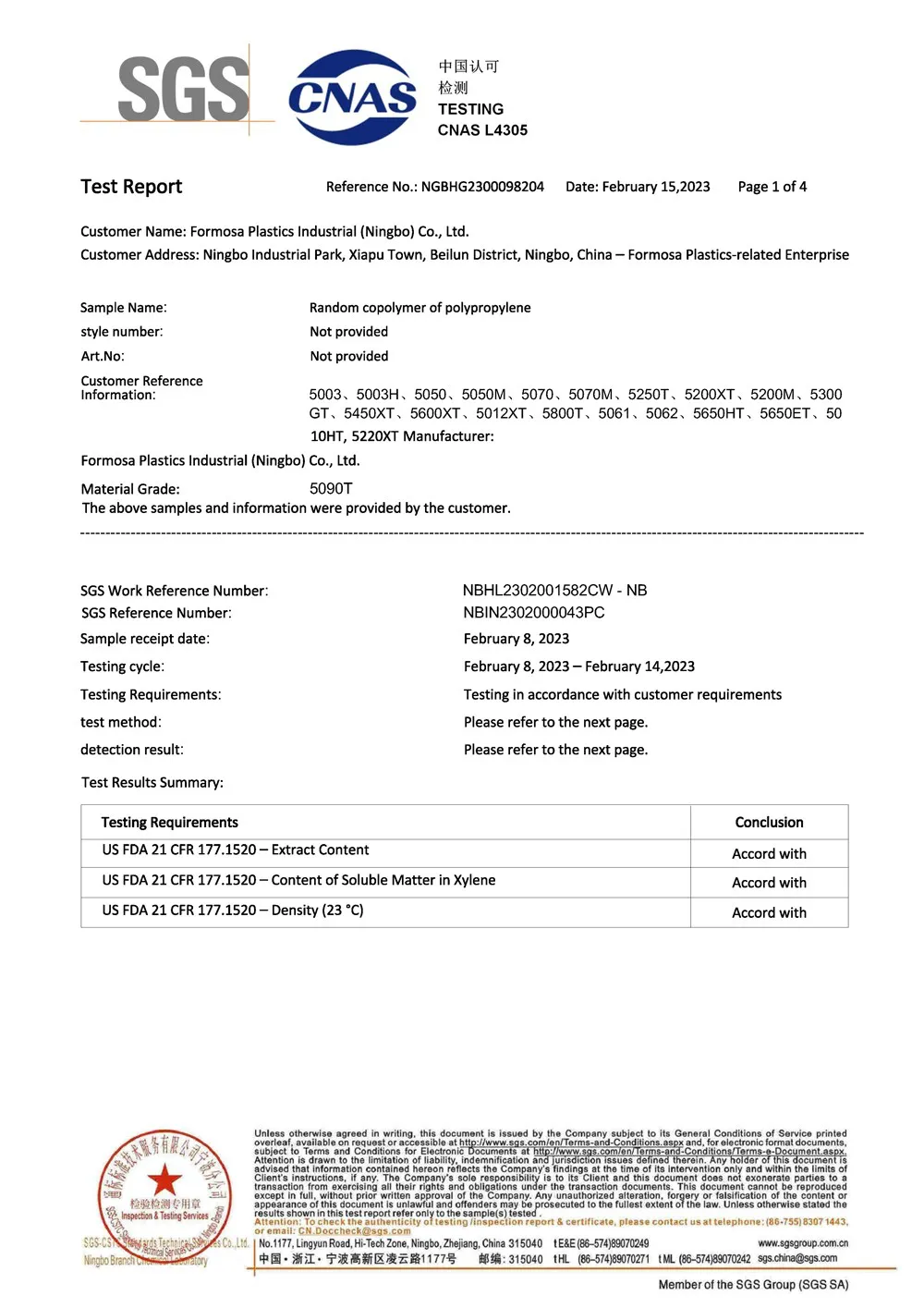
When it comes to packaging for cosmetics and pharmaceuticals, quality isn't just a buzzword—it's a legal and ethical requirement. Products that come into contact with skin or are ingested must meet strict safety standards to protect consumers and comply with regulations. That's why choosing a manufacturer with the right certifications is non-negotiable.
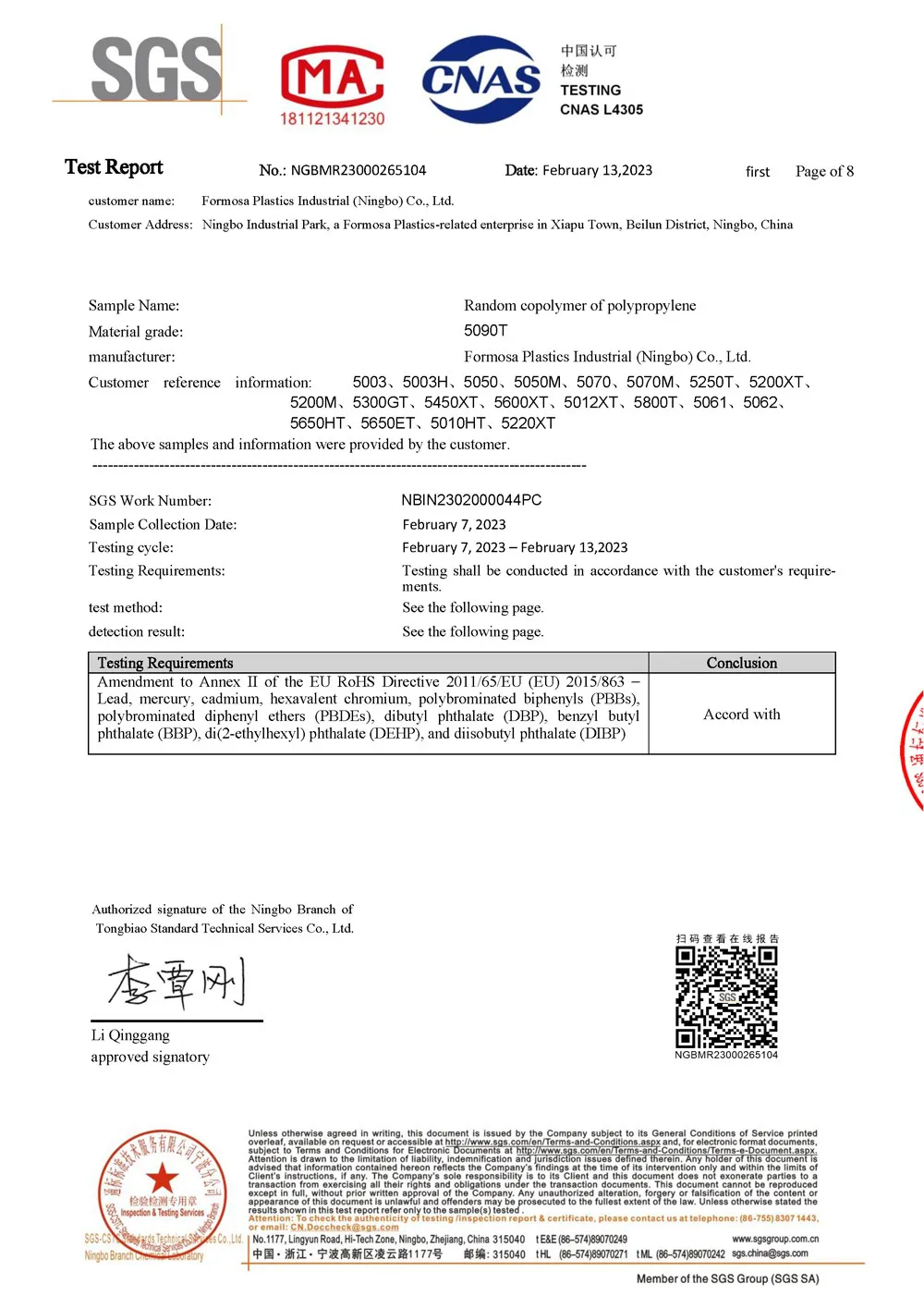
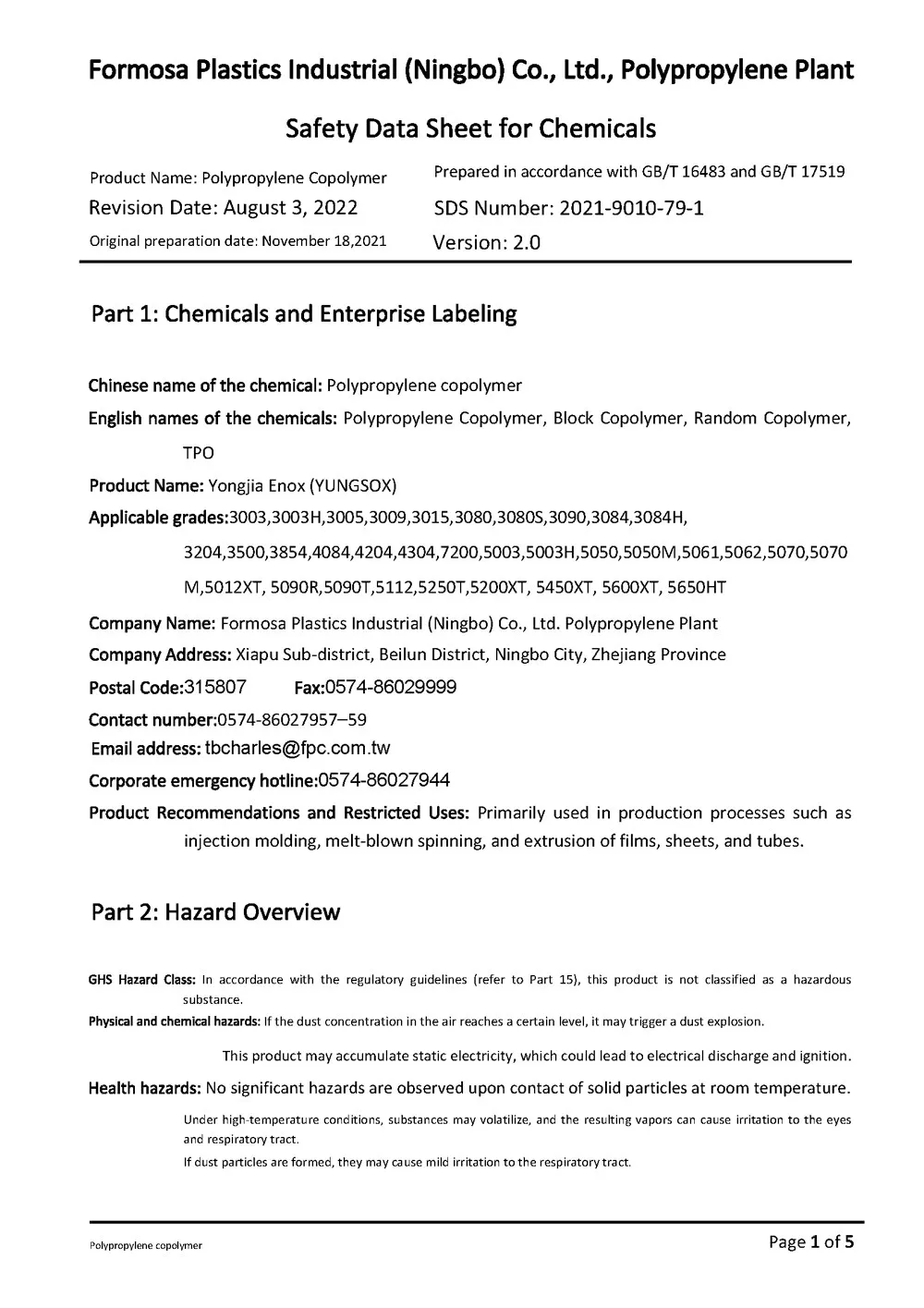
ISO 9001:2015 certification is a globally recognized standard that ensures a manufacturer has a robust quality management system in place. From raw material sourcing to production and delivery, every step is documented and monitored, reducing the risk of defects and inconsistencies. For pharmaceutical packaging, GMP (Good Manufacturing Practice) compliance is equally important. GMP-certified facilities maintain dust-free workshops, strict hygiene protocols, and air filtration systems to prevent contamination—critical for products like medical-grade lotions or prescription creams.
Beyond certifications, reputable manufacturers conduct rigorous testing on their lotion pumps and bottles. This includes leak testing, durability testing (simulating hundreds of pump presses), and compatibility testing with various formulas to ensure the packaging doesn't react with the product. For example, a pump intended for use with alcohol-based hand sanitizer must be tested to ensure the plastic doesn't degrade or the pump mechanism doesn't become clogged over time.
Lotion pumps are incredibly versatile, finding their place in a wide range of industries and products. While they're most commonly associated with skincare, their utility extends far beyond moisturizers and serums:
To help brands find the perfect lotion pump for their needs, manufacturers offer a range of standard specifications. The table below outlines some of the most common options, including bottle size, material, pump output, and recommended applications:
| Bottle Size | Material | Pump Output (per stroke) | Lockable | Recommended Applications |
|---|---|---|---|---|
| 30ml | PET | 1cc | Yes | Facial serums, travel-sized lotions |
| 50ml | HDPE | 1.5cc | Yes | Hand creams, liquid soaps |
| 100ml | PET | 2cc | Yes | Moisturizers, body lotions |
| 250ml | HDPE | 2cc | No | Shampoo, conditioner, liquid hand soap (bulk) |
| 500ml | HDPE | 3cc | No | Dish soap, surface cleaners, hotel amenities (refillable) |
As consumer demand for sustainable and user-centric packaging grows, the lotion pump industry is evolving to meet these needs. One of the most exciting trends is the development of more eco-friendly materials, such as plant-based plastics or fully biodegradable options. While these materials are still in the early stages, they hold promise for brands looking to reduce their carbon footprint.
Another area of innovation is the integration of smart technology. Imagine a lotion pump that tracks how many times it's been pressed, sending data to a mobile app to remind users when they're running low or to reorder. While this may seem futuristic, some brands are already experimenting with QR codes on pump bottles, linking customers to tutorials, ingredient lists, or sustainability information.
Refillable systems are also gaining traction, with brands offering larger, more sustainable refill bottles that can be used to top up smaller pump bottles. This not only reduces packaging waste but also encourages customer loyalty by offering a cost-effective, eco-friendly alternative to buying new bottles each time.
With so many options available, selecting the right manufacturer for your lotion pump bottles can feel overwhelming. Here are a few key factors to consider:
Customization Capabilities: Look for a manufacturer that offers end-to-end customization, from mold design to bottle color and logo printing. The ability to create a unique design can help your brand stand out in a crowded market.
Quality Certifications: Ensure the manufacturer is ISO 9001 and GMP certified, especially if you're producing pharmaceutical or medical-grade products. These certifications are a testament to their commitment to quality and safety.
Sustainability Initiatives: Ask about their use of recycled materials, energy-efficient production processes, and waste reduction efforts. A manufacturer that prioritizes sustainability can help your brand meet its own environmental goals.
Customer Support: From the initial design phase to post-production, responsive customer support is crucial. Look for a manufacturer that assigns a dedicated account manager to guide you through the process and address any concerns.
Minimum Order Quantities (MOQs): If you're a small brand or just starting out, find a manufacturer with flexible MOQs. Many suppliers offer lower MOQs for standard designs, making it easier to test the market before scaling up.
In the grand scheme of product development, the lotion pump may seem like a small detail. But as any brand manager knows, the smallest details often have the biggest impact on customer satisfaction. A well-designed, reliable lotion pump doesn't just dispense product—it enhances the user experience, builds trust, and reinforces your brand's commitment to quality.
Whether you're launching a new skincare line, upgrading your pharmaceutical packaging, or looking to reduce waste with sustainable options, investing in a high-quality lotion pump is a decision that pays off in the long run. By prioritizing precision, durability, and customization, you can create a packaging solution that not only meets your practical needs but also resonates with your customers on an emotional level.
In the end, the best lotion pump is one that fades into the background, allowing your product to shine. It's the silent partner that ensures every interaction between your brand and your customer is smooth, satisfying, and memorable—one precise pump at a time.