Email: info@mggpacking.com | Tel: +86-13510174848 ( Mr. Yao)


The Unsung Hero of Cosmetic & Pharmaceutical Packaging: How the Right Closure Elevates Your Brand's User Experience
Walk down any store aisle, and you'll notice shelves lined with bottles of all shapes and sizes—skincare lotions in sleek cylindrical containers, herbal serums in frosted amber vials, prescription medications in sturdy HDPE bottles. But what often goes unnoticed, yet makes or breaks the first impression, is the small part that sits on top: the closure. Specifically, the press-on plastic disc top closure—the unsung hero that turns a simple bottle into a user-friendly, brand-enhancing product.
Think about the last time you struggled with a stiff, hard-to-open cap on a lotion bottle, or worse, had a product leak in your bag because the closure didn't seal properly. Frustrating, right? Now contrast that with the smooth, satisfying "pop" of a well-designed disc top closure that opens with a gentle press and snaps shut securely. That difference isn't just about convenience—it's about how your brand is perceived. A closure that works seamlessly with your bottle's shape tells customers, "We care about your experience."
As a custom plastic bottle manufacturer that's partnered with hundreds of brands across cosmetics, pharmaceuticals, and personal care, we've learned that the magic lies in harmony—between the bottle's design and the closure's functionality. Press-on disc top closures, in particular, are a favorite for brands aiming to balance style, practicality, and cost-effectiveness. But not all closures are created equal, and matching them to custom bottle shapes requires a mix of engineering precision, material science, and a deep understanding of end-user habits.
In this article, we'll dive into everything you need to know about press-on plastic disc top closures: how they're designed, why they're critical for custom bottle shapes, the materials that make them reliable, real-world examples of brands that got it right, and how our custom mold design for plastic bottles ensures a perfect fit every time. Whether you're launching a new skincare line, revamping your pharmaceutical packaging, or simply looking to upgrade your product's user experience, this guide will show you why the right closure isn't an afterthought—it's the key to turning first-time buyers into loyal customers.
At first glance, a press-on disc top closure might seem simple—a small plastic cap with a hinged top that pops open when pressed. But look closer, and you'll discover a that's the result of years of iteration and user-centered engineering. Let's break down the components that make these closures so effective, especially when paired with custom bottle shapes.
The heart of any disc top closure is its opening mechanism. Unlike screw caps that require twisting (which can be tricky for people with limited hand strength) or flip caps that might snap off over time, press-on closures use a spring-like hinge that responds to gentle pressure. Press down on one side, and the other side pops up, creating an opening for the product to dispense. Release, and it snaps back shut—no extra steps, no fumbling.
But what makes this mechanism work with custom bottle shapes? It's all in the hinge placement and tension. For example, a tall, narrow perfume bottle might need a closure with a slightly stiffer hinge to prevent accidental opening in a purse, while a wide-mouth lotion bottle could benefit from a more flexible hinge for easy one-handed use. Our design team spends hours testing different hinge tensions, ensuring that the closure feels "just right"—not too loose, not too tight—regardless of the bottle's unique contours.
A closure's primary job, beyond opening easily, is to seal the bottle tightly. No one wants to find their expensive serum leaking or their medication exposed to air and moisture. That's why the seal inside a press-on disc top closure is non-negotiable. Most closures use a foam or rubber gasket, but for high-end or pharmaceutical products, we often recommend aluminum foil liners—like the ones in our disc top caps and closures —which create an airtight, tamper-evident seal that keeps contents fresh for longer.
The challenge? Ensuring this seal works with custom bottle necks. A bottle with a unique, curved neck might require a closure with a contoured inner seal, while a standard straight neck could use a flat liner. Our mold designers use 3D scanning to map the bottle's neck profile, then create closure molds that mirror those contours exactly. The result? A seal so precise, you could shake the bottle upside down, and nothing leaks—we've tested it (many times).
Great design considers the human element. That's why we don't just focus on how the closure works—we focus on how it feels in the user's hand. A closure that's too small might be hard to press for someone with larger hands; one that's too big could look clunky on a delicate serum bottle. We study grip patterns, finger lengths, and even common hand movements (like squeezing a bottle while pressing the closure) to ensure the closure's size and shape complement the bottle's design.
Take, for example, a roll-on deodorant bottle—users often hold it with their fingertips while applying. A disc top closure with a slightly raised edge makes it easier to press without slipping. For a pump bottle used for thick lotions, a wider closure top gives more surface area to push against. These small details might seem minor, but they add up to a product that feels intuitive and satisfying to use.
So, you've invested in a stunning custom bottle shape—maybe a hexagonal body for your organic shampoo, or a curved, ergonomic design for your pain-relief cream. Now, you need a closure that doesn't just "fit" but enhances that design. How do you ensure the two work together like puzzle pieces? It starts with understanding that closures and bottles aren't separate components—they're a team.
The process begins long before production—at the design stage. When a client comes to us with a custom bottle concept, our design team doesn't just focus on the bottle itself; we immediately start thinking about the closure. Will the bottle have a standard neck size (like 24/410, a common size for cosmetics) or a unique diameter? Is the neck straight, tapered, or curved? Does the bottle's material (HDPE, PET, glass) require a specific closure material to avoid chemical reactions?
For example, a client once approached us with a custom CBD oil bottle shaped like a small apothecary jar, with a narrow, curved neck. A standard closure would have looked out of place and might not have sealed properly. Instead, we designed a custom disc top closure with a curved base that followed the neck's contour, made from food-grade PP to complement the bottle's glass material. The result? A closure that looked like it was "born" with the bottle, not just added on.
While custom shapes require custom solutions, there are standard closure sizes that work well with certain bottle types. Here's a quick guide to help you understand which closure might suit your custom bottle:
| Closure Size (Neck Finish) | Ideal Bottle Types | Key Features |
|---|---|---|
| 18/410 | Small serum bottles, travel-size cosmetics (10-30ml) | Compact design, perfect for narrow-neck, small-volume bottles |
| 24/410 | Skincare lotions, shampoos, body washes (50-250ml) | Most versatile size; works with straight or slightly tapered necks |
| 28/410 | Large lotion bottles, hand sanitizers, household cleaners (300-500ml) | Wider top for easy dispensing; often paired with flat or slightly curved bottle shoulders |
| Custom (e.g., 22/415) | Unique-shaped bottles, luxury packaging, limited-edition products | Taller thread for extra security; designed to match one-of-a-kind bottle necks |
But remember, these are just starting points. A 24/410 closure can be modified with a custom top shape (rounded, square, embossed with a logo) to match a unique bottle design. The key is flexibility—something our custom mold design for plastic bottles excels at. We can adjust everything from the closure's diameter to its height, color, and texture to ensure it complements your bottle's shape.
We don't leave anything to chance. Once a closure design is finalized, we create a prototype mold and produce test closures to pair with test bottles. Then, we put them through a series of rigorous tests:
Only when a closure passes all these tests do we move to mass production. It's a time-consuming process, but it's why our clients rarely have issues with fit or functionality.
Press-on disc top closures might look simple, but the material they're made from plays a huge role in their performance, especially when paired with custom bottle shapes. The wrong material could crack under pressure, react with the product inside, or fail to match the bottle's aesthetic. Here's how we select materials that check all the boxes.
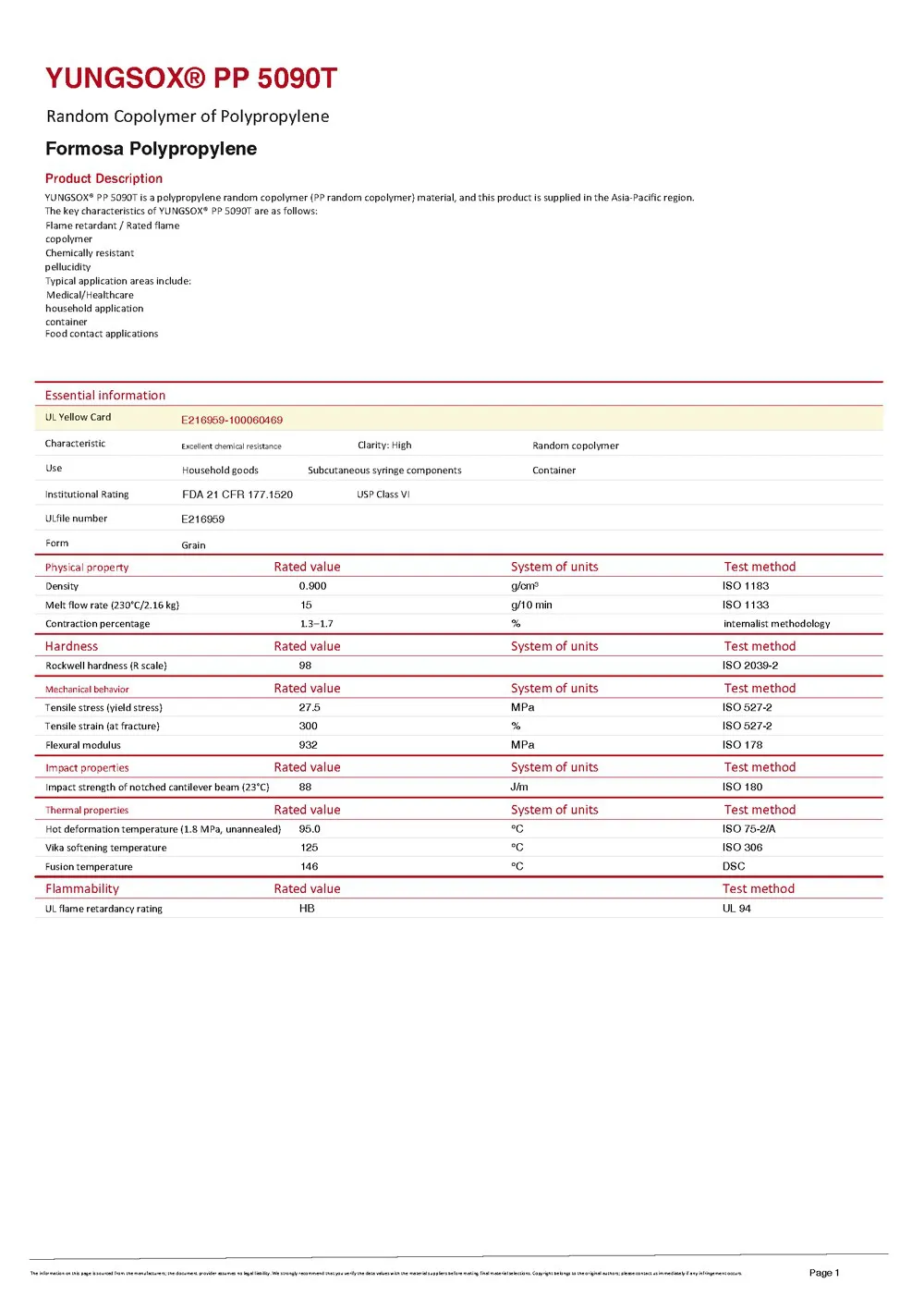
Most press-on disc top closures are made from either polypropylene (PP) or high-density polyethylene (HDPE). Both are durable, cost-effective, and safe for food and pharmaceutical use, but they have subtle differences that make them better for certain applications:
PP (Polypropylene): Stiffer than HDPE, with excellent chemical resistance. It's ideal for closures that need to maintain their shape (like those for thick creams or gels) and can withstand higher temperatures. PP also takes color well, making it perfect for custom-colored closures that match your brand's palette.
HDPE (High-Density Polyethylene): More flexible than PP, with superior impact resistance. It's a great choice for closures that need to be lightweight and shatterproof, like those for travel-sized products or children's medications. HDPE is also naturally opaque, which can hide any discoloration from the product inside.
For example, a client making a natural deodorant in a custom roll-on bottle wanted a closure that felt "soft" to the touch, matching the brand's eco-friendly vibe. We recommended HDPE with a matte finish, which gave the closure a smooth, organic feel—perfect for their product.
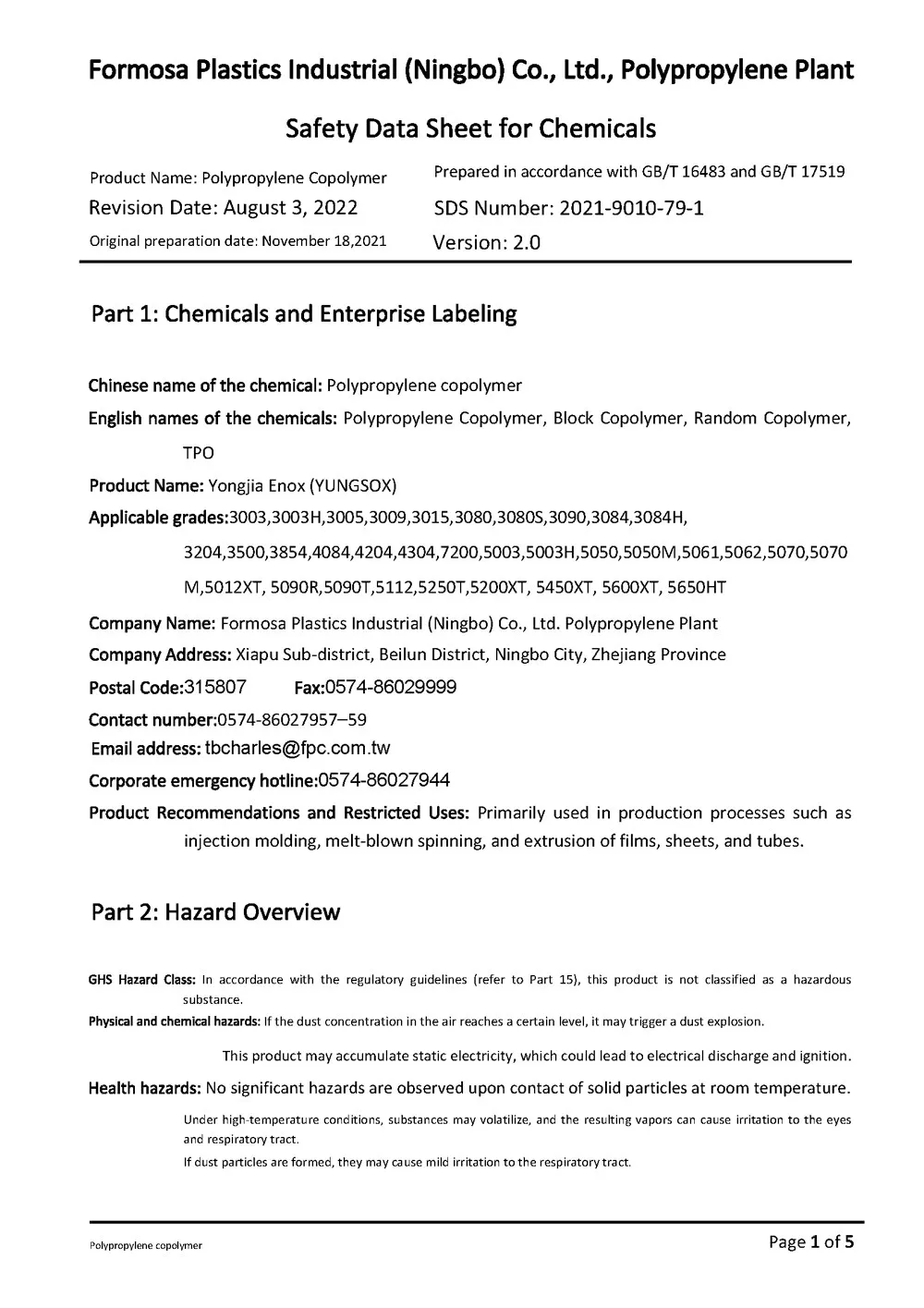
Some products require extra care. Pharmaceuticals, for instance, often need closures that are non-reactive and meet strict medical standards. In these cases, we use medical-grade PP or HDPE, tested to ensure they don't leach chemicals into the product. For light-sensitive products like essential oils or vitamin serums, we might add UV inhibitors to the closure material to help protect the contents from sunlight.
Sustainability is also a growing concern. More clients are asking for closures made from PCR (post-consumer recycled) plastics, and we're proud to offer options here too. Our PCR PP closures are made from 30-50% recycled material, without compromising on strength or appearance—a win for both brands and the planet.
Theory is one thing, but real examples show how impactful a well-matched closure can be. Here are a few case studies from our clients who used press-on disc top closures to elevate their custom bottle designs:
A high-end skincare brand came to us with a problem: their best-selling facial serum was in a beautiful frosted glass bottle with a custom curved shape, but customers were complaining about the closure. The original screw cap was hard to open with wet hands, and the brand felt it didn't match the bottle's premium look.
We designed a custom 24/410 disc top closure made from matte black PP, with a gold foil-stamped logo that matched the bottle's gold labeling. The closure's hinge was adjusted for easy one-handed opening, and we added an aluminum foil liner for an airtight seal. Within three months of launching the new packaging, the brand reported a 20% increase in serum sales, with customers praising the "luxurious, easy-to-use" design.
A pharmaceutical client needed packaging for a new liquid medication—a custom HDPE bottle with a child-resistant cap. However, they also wanted a secondary closure for pharmacies to dispense samples, which needed to be easy to open but still tamper-evident.
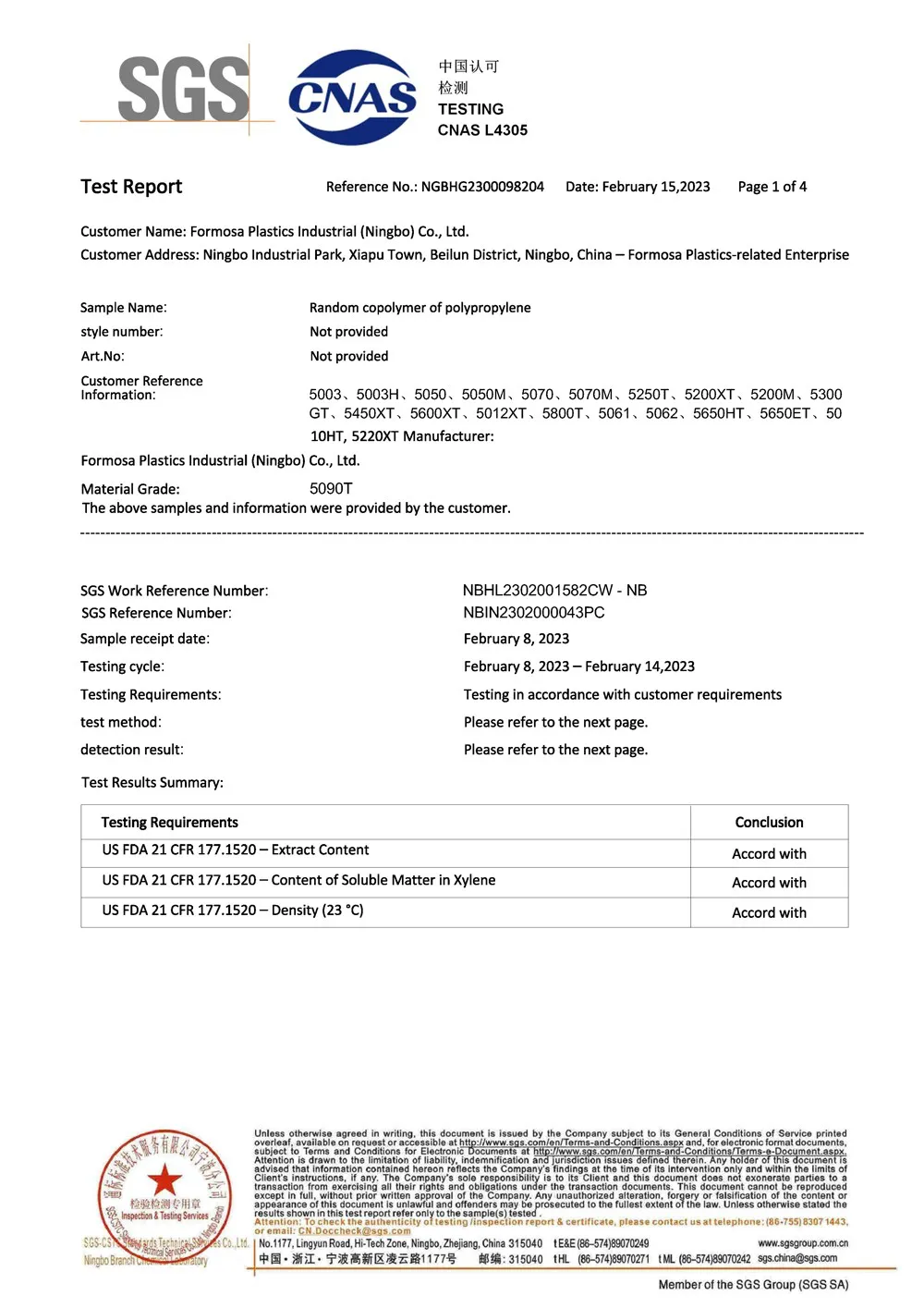
We designed a small (18/410) press-on disc top closure with a tamper-evident band that breaks when first opened. The closure was made from medical-grade HDPE, and the seal included a foam gasket to meet FDA requirements for medication freshness. The result? The client got FDA approval for their sample packaging, and pharmacists loved how quickly they could dispense samples without fumbling with complicated caps.
An eco-conscious deodorant brand wanted to launch a refillable roll-on deodorant in a custom recycled plastic bottle. They needed a closure that was also sustainable, to stay true to their "zero-waste" mission.
We recommended a 28/410 disc top closure made from 50% PCR PP, with a plant-based ink logo. The closure was designed to be easily removable for refilling, and the hinge was reinforced to withstand multiple uses. The brand's customers raved about the "circular packaging" concept, and the product became a best-seller in eco-friendly beauty stores.
With so many packaging suppliers out there, why should you trust us with your custom bottle and closure needs? It comes down to three things: experience, quality, and a commitment to partnership.
We've been in the plastic packaging industry for over 20 years, and in that time, we've seen it all—from quirky custom bottle shapes to ultra-specific pharmaceutical requirements. Our team includes engineers, designers, and quality control experts who specialize in closures, ensuring that even the smallest details are handled with care.
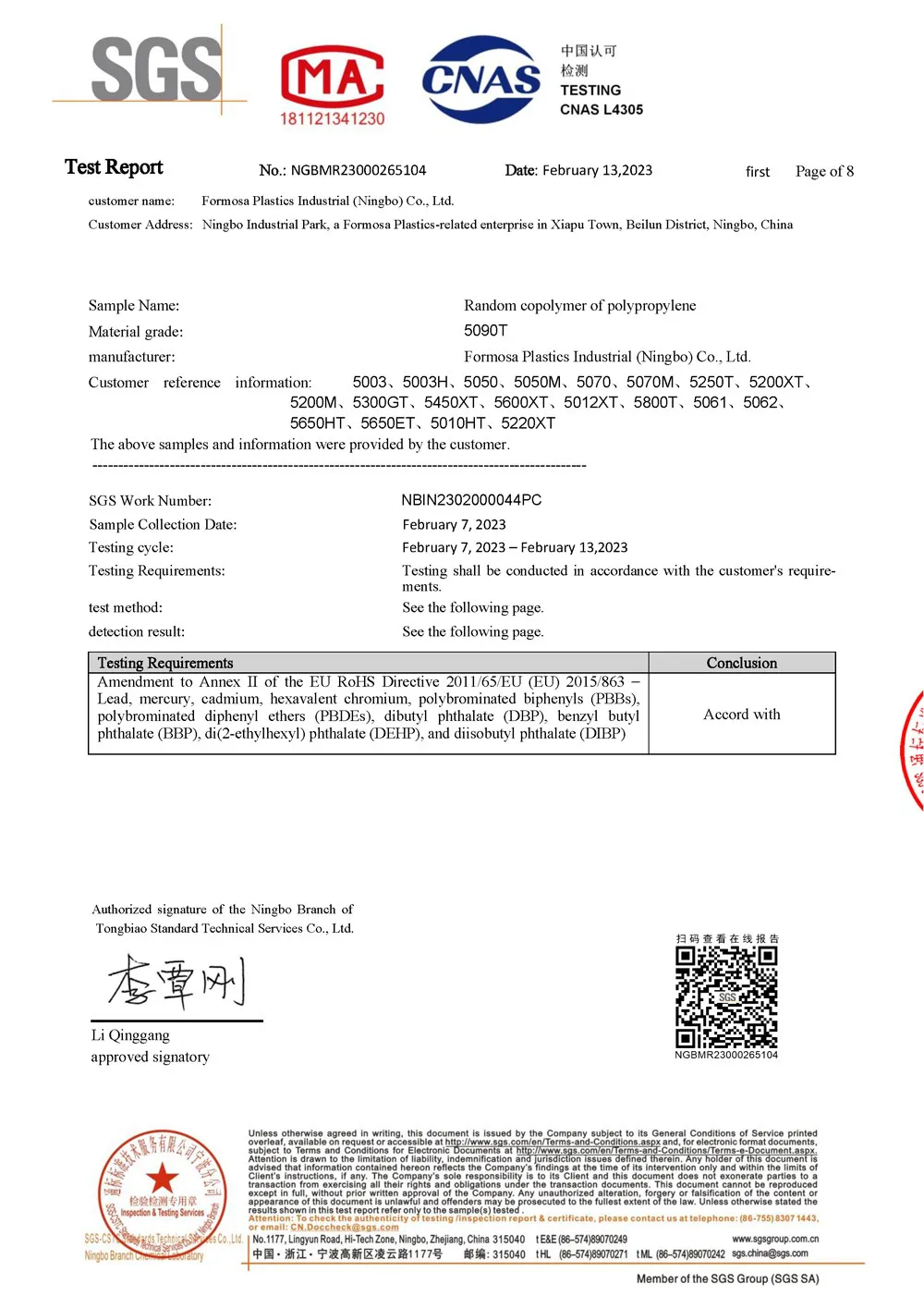
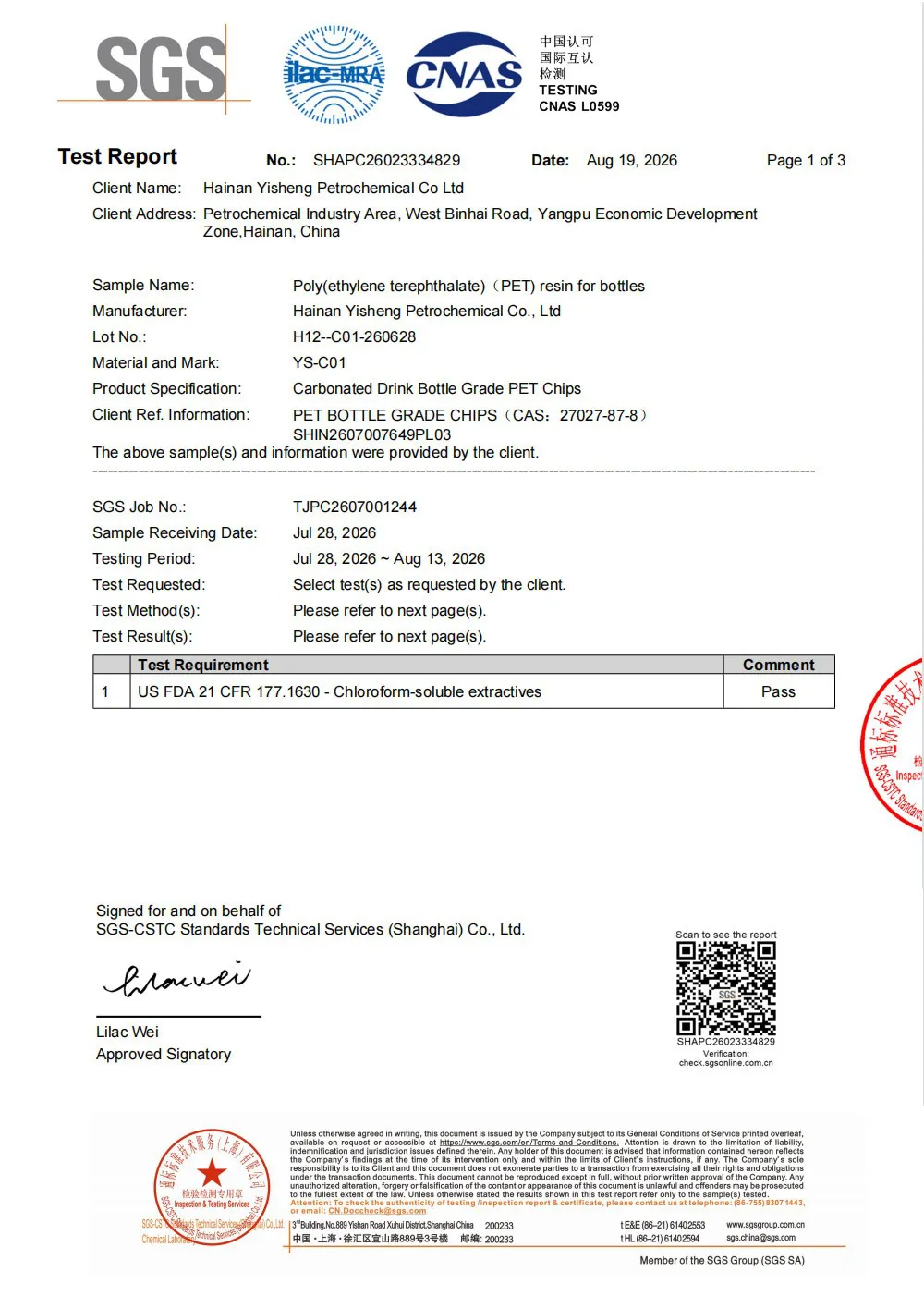
Our ISO9001 certified packaging factory isn't just a label—it's a promise. Every step of production, from raw material testing to final inspection, follows strict protocols. Our dust-free GMP-compliant workshop ensures that pharmaceutical and cosmetic products stay contamination-free, and we regularly audit our suppliers to ensure materials meet our high standards.
We don't just sell closures—we partner with brands to solve problems. If you're unsure what closure works best for your custom bottle, our design team will walk you through options, provide samples, and even help you tweak your bottle design for better closure compatibility. We offer low MOQs (minimum order quantities) for custom projects, making it easier for small brands to access premium packaging, and our customer support team is available 24/7 to answer questions or address concerns.
Press-on plastic disc top closures might be small, but their impact on your product's success is huge. They're the first thing customers interact with when using your product, the last thing they see when they close the bottle, and a silent ambassador for your brand's values—whether that's luxury, practicality, or sustainability.
Matching these closures to custom bottle shapes isn't just about engineering—it's about understanding your brand, your customers, and the story you want to tell. At our factory, we don't just make closures; we create connections—between your bottle and its closure, between your product and your customers, and between your brand and the success it deserves.
Ready to elevate your packaging with a closure that's designed to perfection? Contact us today, and let's create something that your customers will love—one press at a time.