Email: info@mggpacking.com | Tel: +86-13510174848 ( Mr. Yao)


How the right partner turns your vision into packaging that tells your brand's unique story—one precise drop at a time
Imagine launching a new facial serum—months of perfecting the formula, testing ingredients, and crafting a brand story that resonates. Then, you realize: the packaging isn't just a container. It's the first touchpoint, the silent salesman, the thing that makes a customer pause in a crowded aisle and think, "This feels like *my* brand." For personal care brands, especially those in serums, essential oils, or CBD tinctures, dropper bottles aren't just functional—they're a bridge between your product and the people who need it.
But here's the truth: generic, one-size-fits-all dropper bottles fall flat. They blend in, they feel impersonal, and worst of all, they miss the chance to reinforce your brand's identity. That's where private label dropper packaging suppliers come in. The right partner doesn't just "make bottles"—they collaborate with you to design packaging that's as unique as your formula, from the curve of the bottle to the color of the cap, from the precision of the dropper to the story etched into every detail.
"Your packaging is the first promise you make to your customer. It should whisper, 'We care about every part of your experience—even the parts you don't notice.'"
Private label packaging isn't just about slapping a logo on a standard bottle. It's about ownership—of your brand's look, your customer's experience, and even your product's functionality. When you work with a supplier that specializes in private label solutions, you're not limited by pre-made molds or generic designs. You get to decide: Does the bottle need a frosted finish to evoke luxury? Should the dropper have calibrated markings for precise dosing? Will a custom amber tint protect your light-sensitive essential oils?
For personal care brands, this level of control is game-changing. Think about it: a 10ml essential oil roller bottle for a wellness brand needs to feel portable and premium, while a 60ml dropper bottle for a clinical skincare line demands clarity and precision. Private label lets you tailor every element to match your brand's voice—whether that's eco-conscious, high-end, minimalist, or bold.
And let's not forget the practical side. Private label suppliers often handle the entire process, from design to production, which means fewer headaches for you. No juggling multiple vendors for molds, printing, and assembly. Just a single partner who understands your vision and has the expertise to bring it to life—on time and on budget.
Creating custom dropper packaging isn't magic—but it does require a partner with a proven process. The best suppliers don't just ask, "What do you want?" They ask, "What problem are you solving?" and "Who is this for?" Let's walk through how it typically works, step by step, so you know what to expect when you partner with a supplier that prioritizes collaboration.
It starts with a conversation. A good supplier will dig into the details: your product type (serum? oil? tincture?), target audience (luxury shoppers? eco-conscious millennials?), and any specific requirements (child-resistant caps? UV protection?). They'll ask about your brand's values—are you focused on sustainability? Or maybe clinical precision? This isn't just small talk; it's the foundation of a design that works.
Once the goals are clear, it's time to talk mold design. Custom mold design for plastic bottles (or glass, if that's your material of choice) is where your vision starts to take shape. Maybe you want a unique bottle silhouette that stands out on shelves, or a ergonomic grip that feels natural in hand. The supplier should offer 3D rendering tools so you can see the design before a single mold is cut—and better yet, free mold testing to ensure the bottle works with your formula (no leaks, no clogs, just smooth, consistent drops).
Now comes the fun part: personalization. This is where your brand truly shines. Think embossed logos that catch the light, custom colors that match your brand palette, or even unique finishes like matte or metallic. For example, a clean beauty brand might opt for a frosted glass dropper bottle with a bamboo cap, while a bold, youthful brand could choose a neon pink plastic bottle with a playful, curved shape. The best suppliers don't just offer "printing"—they offer a range of techniques to make your packaging feel intentional, from silk-screening to hot stamping.
Here's a non-negotiable: your packaging should never fail in the hands of your customer. That's why rigorous testing is key. A reputable supplier will test for things like leak resistance (ever had a serum leak in your bag? Not good.), dropper precision (does each drop deliver the exact amount of product?), and durability (can the bottle withstand being dropped, or sitting in a hot bathroom?). Free mold testing isn't just a perk—it's a sign that your supplier cares about your product's success as much as you do.
Once the design is finalized and tested, it's time to produce. Whether you need 500 bottles for a small launch or 50,000 for a nationwide rollout, your supplier should handle scaling seamlessly. Look for a partner with the capacity to grow with you—like a factory with multiple production lines and a track record of meeting tight deadlines. After all, the last thing you want is to miss a launch date because your supplier can't keep up.
Not all dropper bottles are created equal. The right choice depends on your product, your audience, and your brand's values. Let's break down the options, so you can choose packaging that checks all your boxes—functionality, aesthetics, and brand alignment.
Glass dropper bottles are the gold standard for luxury and light-sensitive products. Amber or cobalt blue glass offers UV protection, keeping ingredients like retinol or essential oils stable. They feel premium, they're recyclable, and they work beautifully for high-end serums or aromatherapy blends. Plus, glass can be frosted, colored, or etched for a custom look that feels exclusive.
Plastic dropper bottles, on the other hand, are lightweight, shatterproof, and often more budget-friendly—making them ideal for travel-sized products, samples, or brands targeting a younger, on-the-go audience. Modern plastics like PET or HDPE are durable and can be made in vibrant colors or transparent finishes. And yes, they can still feel premium—think matte textures or metallic accents.
| Bottle Type | Material | Common Sizes | Best For | Key Features |
|---|---|---|---|---|
| Amber Glass Dropper | Borosilicate Glass | 10ml, 30ml, 60ml | Essential oils, serums, CBD tinctures | UV protection, chemical resistance, recyclable |
| Clear Plastic Dropper | PET | 5ml, 15ml, 100ml | Skincare samples, travel-sized products | Lightweight, shatterproof, cost-effective |
| Calibrated Dropper | Glass/Plastic | 2ml, 5ml, 1oz | Clinical serums, CBD tinctures (dose control) | ML markings, precise dosing, professional look |
| Frosted Glass Dropper | Soda Lime Glass | 15ml, 30ml, 50ml | Luxury skincare, fragrance oils | Matte finish, premium feel, diffused light protection |
Size matters—both for functionality and perception. A 2ml dropper bottle is perfect for perfume samples or trial-sized serums, while a 100ml bottle works for bulk essential oils or family-sized tinctures. The key is to match the size to your customer's needs. For example, a 30ml bottle is a sweet spot for facial serums—big enough to last a month (encouraging repeat purchases) but small enough to feel like a "treat."
And don't forget about the dropper itself. Some suppliers offer different dropper lengths or tip sizes, which can affect how much product is dispensed. A narrow tip might be better for precise applications (like eye serums), while a wider tip could work for thicker oils.
It's the little things that turn a good dropper bottle into a great one. Leak-proof caps, for example—nothing frustrates a customer more than opening a package to find oil seeping out. Look for suppliers who use high-quality gaskets or silicone seals to prevent leaks, even during shipping.
Child-resistant caps are another must if your product contains CBD or other regulated ingredients. A supplier that offers these shows they understand compliance—and they're invested in keeping your customers safe.
Finally, consider the user experience. Is the dropper easy to squeeze? Does the bottle stand up straight on a vanity? These small details might seem minor, but they add up to a packaging experience that feels thoughtful—and that's what turns first-time buyers into loyal customers.
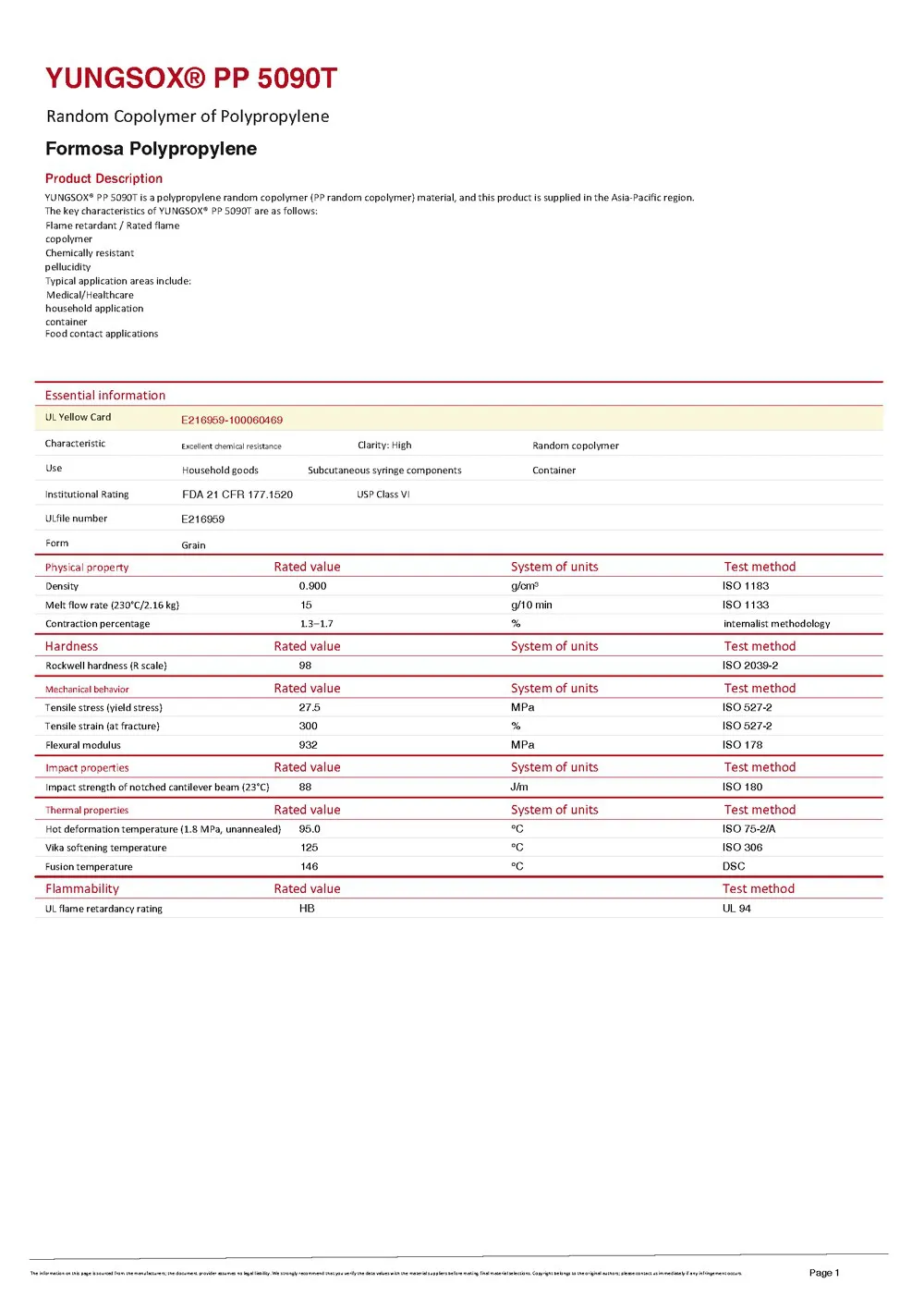
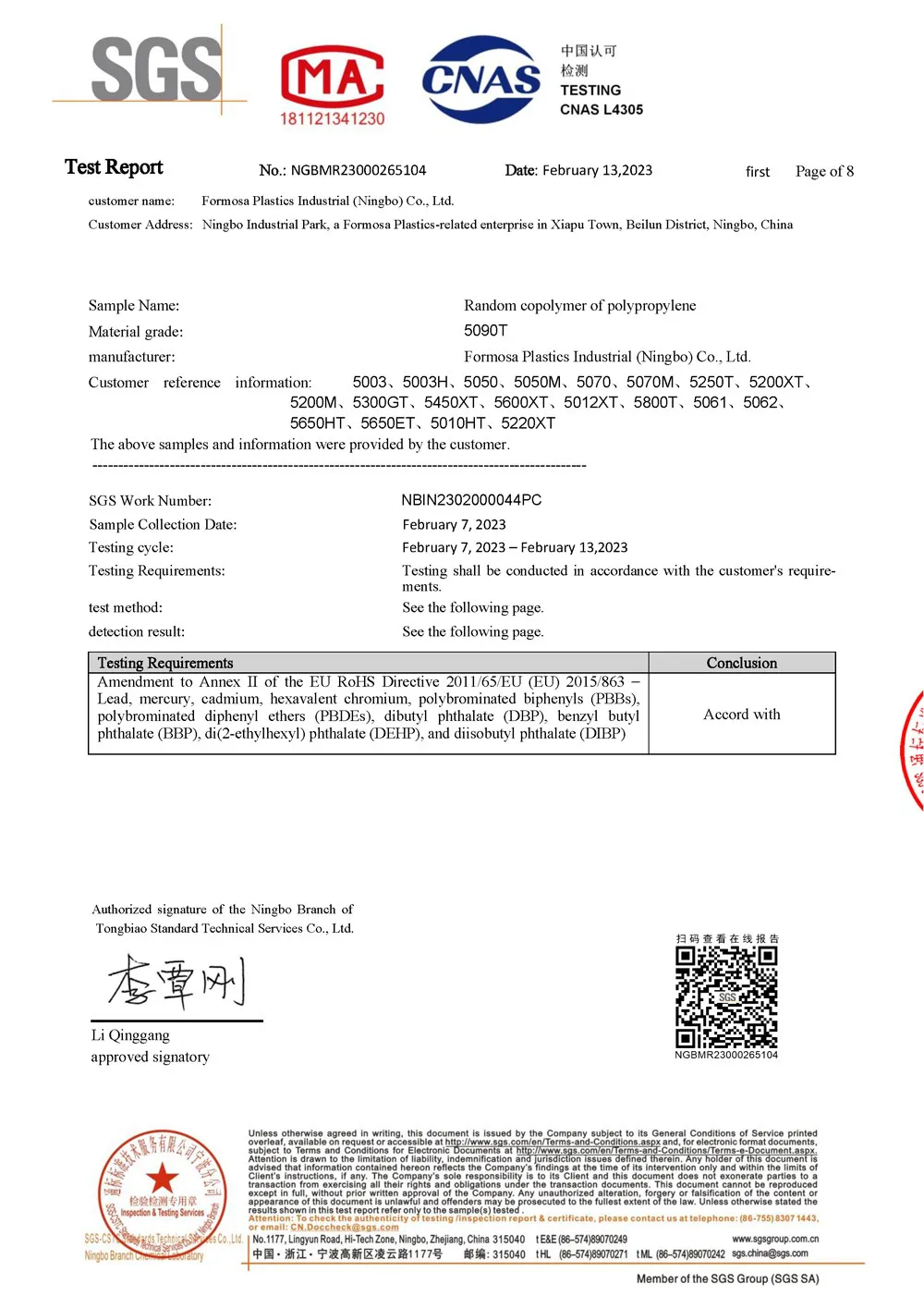
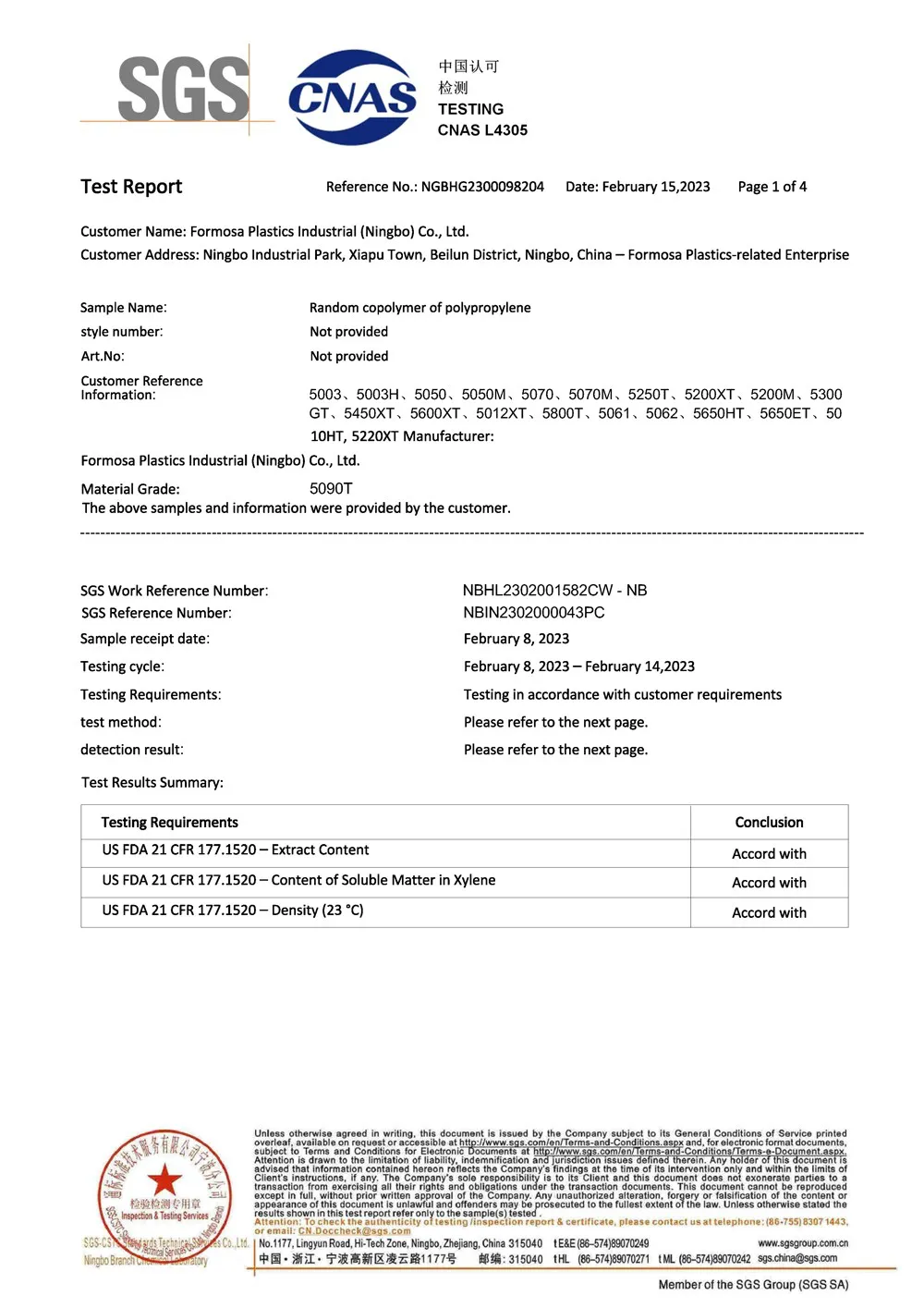
When you're putting your brand's name on a product, quality isn't optional—it's everything. That's why choosing an ISO9001 certified packaging factory isn't just a checkbox; it's a promise that your supplier takes quality seriously. ISO 9001 isn't about one-time inspections—it's about a culture of consistency, from the materials they source to the way they train their staff.
But for personal care and pharmaceutical products, there's more to it. If your formula is sensitive (like a medical-grade serum) or needs to meet strict health standards, look for a supplier with a dust-free GMP compliant workshop. GMP (Good Manufacturing Practices) ensures that the production environment is clean, controlled, and free from contaminants—critical for products that come into contact with skin or are ingested.
Here's what to ask: Do they test raw materials before production? How often do they audit their manufacturing processes? Can they provide certificates of compliance for your specific market (like FDA approval for the US, or CE marking for Europe)? A reputable supplier will have these answers ready—and they'll be happy to share them, because transparency builds trust.
"Certifications aren't just paperwork. They're proof that your supplier cares about the same things you do: safety, consistency, and the reputation of your brand."
Today's consumers don't just buy products—they buy values. And when it comes to packaging, sustainability is no longer a "nice-to-have"—it's a expectation. The good news? You don't have to sacrifice quality or design to be eco-conscious. The best private label suppliers offer sustainable plastic packaging solutions that align with your brand's green goals.
PCR (Post-Consumer Recycled) plastic is a great example. Made from recycled plastic waste, PCR bottles reduce your carbon footprint without compromising durability. Some suppliers even offer PCR glass, which gives the premium look of glass with a lower environmental impact.
Then there's refillable packaging. Imagine a dropper bottle designed to be refilled with a larger, bulk-sized pouch—reducing waste and encouraging customers to reuse instead of replace. It's a win-win: you cut down on packaging waste, and customers feel good about supporting a brand that's doing its part.
And let's not forget about responsible manufacturing. Does your supplier use energy-efficient machinery? Do they recycle their production waste? These might seem like behind-the-scenes details, but they add up to a sustainability story that resonates with eco-conscious shoppers.
You could source generic dropper bottles from a big-box supplier, slap on a label, and call it a day. But here's the problem: that approach leaves money on the table. It misses the chance to differentiate your brand, connect with customers, and build loyalty.
A specialized custom plastic bottle manufacturer, on the other hand, brings expertise that goes beyond production. They understand the latest trends in packaging (like the rise of refillables or matte finishes), they know how to navigate global regulations (so you don't run into compliance issues), and they can help you avoid common pitfalls (like choosing a material that reacts with your formula).
Plus, they're invested in your success. When you partner with a supplier that sees you as a long-term client—not just a one-time order—they'll go the extra mile. Maybe that means rushing a small batch when you need to restock unexpectedly, or suggesting a design tweak that saves you money. That kind of partnership is priceless.
At the end of the day, private label dropper packaging is about more than bottles and caps. It's about telling your brand's story in a way that feels authentic, intentional, and memorable. It's about creating a connection with your customers before they even try your product.
So when you're ready to take the next step, look for a supplier that listens more than they talk, that prioritizes quality over shortcuts, and that sees your brand's success as their own. Because the right partner doesn't just make packaging—they help you build something lasting.
Your formula is unique. Your packaging should be too. One precise drop at a time.