Email: info@mggpacking.com | Tel: +86-13510174848 ( Mr. Yao)


Because your formula deserves the best defense against light, time, and the elements
Picture this: You've spent months crafting the perfect serum. You sourced organic ingredients, tested 27 formulas, and finally nailed that silky texture that makes skin glow. You launch, customers rave… but then the complaints start. "It doesn't work like it did at first," "The scent changed," "The color looks off." What went wrong? Spoiler: It might not be your formula. It could be your packaging.
Here's the thing: Light, especially ultraviolet (UV) light, is a silent killer for sensitive products. Think about your favorite essential oils, vitamin C serums, or CBD tinctures—those precious active ingredients? They break down fast when exposed to sunlight. Over time, this doesn't just ruin the product's effectiveness; it can even make it unsafe. And let's be real, no one wants to buy a serum that's turned brown or an oil that smells like old nuts.
That's where private label dropper packaging with UV protection steps in. It's not just a bottle—it's a shield. A partner in preserving all that hard work you put into your formula. And today, we're diving into why this matters, how it works, and why choosing the right packaging partner can make or break your brand.
Let's get sciency for a second (but don't worry, I'll keep it simple). UV light has energy that breaks down chemical bonds. For your product, that means:
So, what's the solution? You could tell customers to store products in a dark closet (good luck with that). Or you could invest in packaging that does the protecting for them. And that's where amber glass dropper bottles come in—nature's own sunscreen for your formulas.
Let's switch gears for a minute. You've got the UV protection sorted, but how do you make sure customers reach for your bottle instead of the one next to it on the shelf? That's where private label plastic packaging shines. It's not just about slapping your name on a bottle—it's about creating a connection.
Think about your favorite skincare brand. Chances are, you recognize their packaging before you even read the label. That's the power of private labeling. It builds trust, loyalty, and recognition. When customers see your unique design, your logo, your color scheme, they think, "That's the brand I love."
But here's the best part: private label doesn't mean one-size-fits-all. You get to call the shots. Want a matte finish? Done. A custom shape that fits perfectly in a makeup bag? No problem. Even little details like embossed logos or colored droppers can make your product feel premium. And when customers feel like you've put thought into every part of the experience—from formula to packaging—they stick around.
Plus, in a crowded market, differentiation is key. Private label lets you stand out. Maybe you're a small batch essential oil brand that prides itself on sustainability—your packaging can reflect that with recycled materials and earthy tones. Or you're a luxury serum line targeting professionals—sleek, minimalist design with gold accents. Either way, private label helps you tell your brand's story without saying a word.
Now, let's talk specifics. When it comes to UV protection, amber glass dropper bottles are the OGs. And if you're working with serums, essential oils, or any formula that's picky about light, the 30ml size is a sweet spot—it's portable, perfect for trial sizes or travel, and just enough product to last a reasonable amount of time (so your customer uses it up before it has a chance to degrade).
Amber glass isn't just a pretty color—it's a science-backed shield. The warm, honey hue works by absorbing and filtering out harmful UV rays, kind of like how sunglasses protect your eyes. Unlike clear glass (which lets all light in) or blue glass (which only blocks some wavelengths), amber glass is a heavy hitter, blocking up to 99% of UV radiation. That means your vitamin E oil stays potent, your CBD tincture keeps its benefits, and your facial serum doesn't turn into a brown goop.
And let's not sleep on glass as a material. Unlike plastic, glass doesn't leach chemicals into your product. That's a big deal if you're selling "clean" or organic formulas—you don't want BPA or phthalates messing with your ingredients. Glass is also non-porous, so it won't absorb scents or flavors. Ever noticed how plastic bottles sometimes retain the smell of whatever was in them before? Glass avoids that, keeping your product's aroma fresh from first use to last.
Okay, so the bottle protects the product—but what about using it? That's where the dropper comes in. Let's be honest: no one wants to pour serum directly onto their hand and waste half of it. Droppers let you control exactly how much you use, which is a game-changer for expensive or concentrated formulas.
A good dropper should be easy to use, even with slippery hands (looking at you, post-shower skincare routine). It should suck up the right amount of product with a gentle squeeze and release smoothly. And it should seal tight—no leaks in your makeup bag or suitcase. The best ones even have calibrated markings, so customers know exactly how many drops equal a milliliter, which is super helpful for things like CBD tinctures where dosage matters.
Pro tip: When you're customizing your amber glass dropper bottles, don't overlook the dropper itself. You can choose from rubber bulbs (soft, easy to squeeze) or plastic pipettes (more durable, great for travel). Some brands even add a little flair with colored bulbs that match their logo—small touch, big impact.
| Product | Why It Loves Amber Glass Dropper Bottles | Best Size (Pro Tip) |
|---|---|---|
| Essential Oils (Lavender, Tea Tree) | Prone to oxidation; lose aroma and benefits in light | 10ml-30ml (small sizes = faster use, less degradation) |
| Vitamin C Serums | Breaks down quickly in UV light; turns yellow/brown | 30ml-50ml (use within 3 months of opening) |
| CBD Tinctures/Oils | Sensitive to light and heat; potency decreases over time | 30ml-60ml (popular for daily use) |
| Facial Oils (Rosehip, Argan) | Fatty acids oxidize; become rancid with light exposure | 30ml-100ml (depends on usage frequency) |
Okay, so we've sung the praises of amber glass, but what if you need something a little different? Maybe you're launching a line of travel-sized plastic dropper bottles (lighter, less breakable) or you want a unique bottle shape that no one else has. That's where custom mold design for plastic bottles comes in. It's like having a tailor for your packaging—everything fits exactly how you want it.
Let's say you want a dropper bottle with a curved neck that's easier to hold, or a flat base that stands better on bathroom shelves. Or maybe you need a specific thread size to fit your existing caps. With custom mold design, you're not limited to stock shapes. You bring the idea, and the manufacturer creates a 3D model, tests it, and tweaks until it's perfect. And the best part? Many factories (like ours) offer free mold testing, so you can see a prototype before committing to a full production run.
But custom mold design isn't just about looks—it's about function, too. Maybe you want a bottle that's easier to fill on your production line, or a dropper that dispenses exactly 0.5ml per drop. These little details might seem small, but they add up to a better experience for you (faster production, less waste) and your customer (no messy spills, precise dosage).
And here's a secret: custom molds don't have to break the bank. If you're ordering in bulk, the cost per unit drops significantly. Plus, having a unique design can make your product so popular that the investment pays off in no time. Think about it—would you pay a little extra for a bottle that's easier to use and looks cooler than the generic ones? Your customers will too.
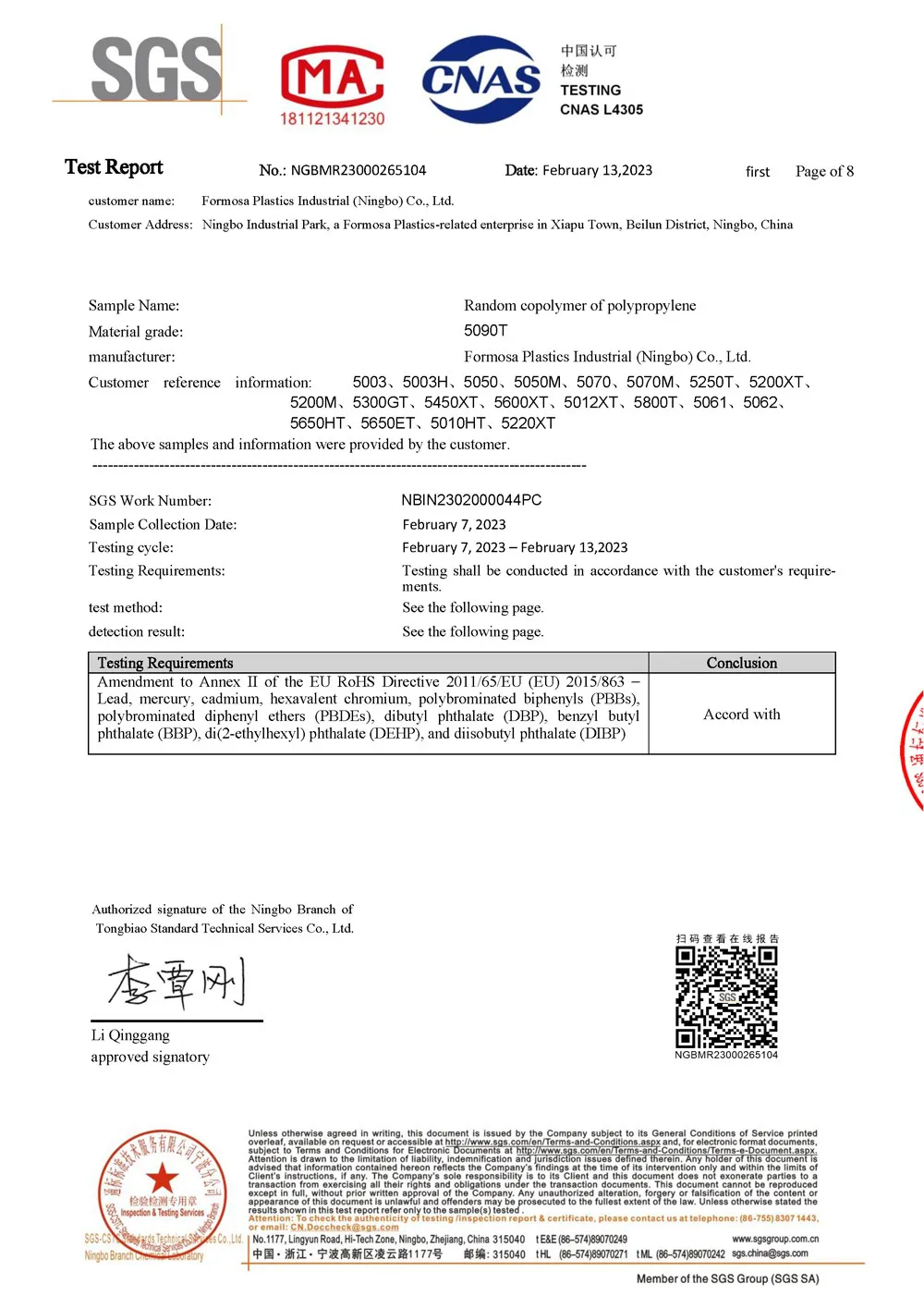
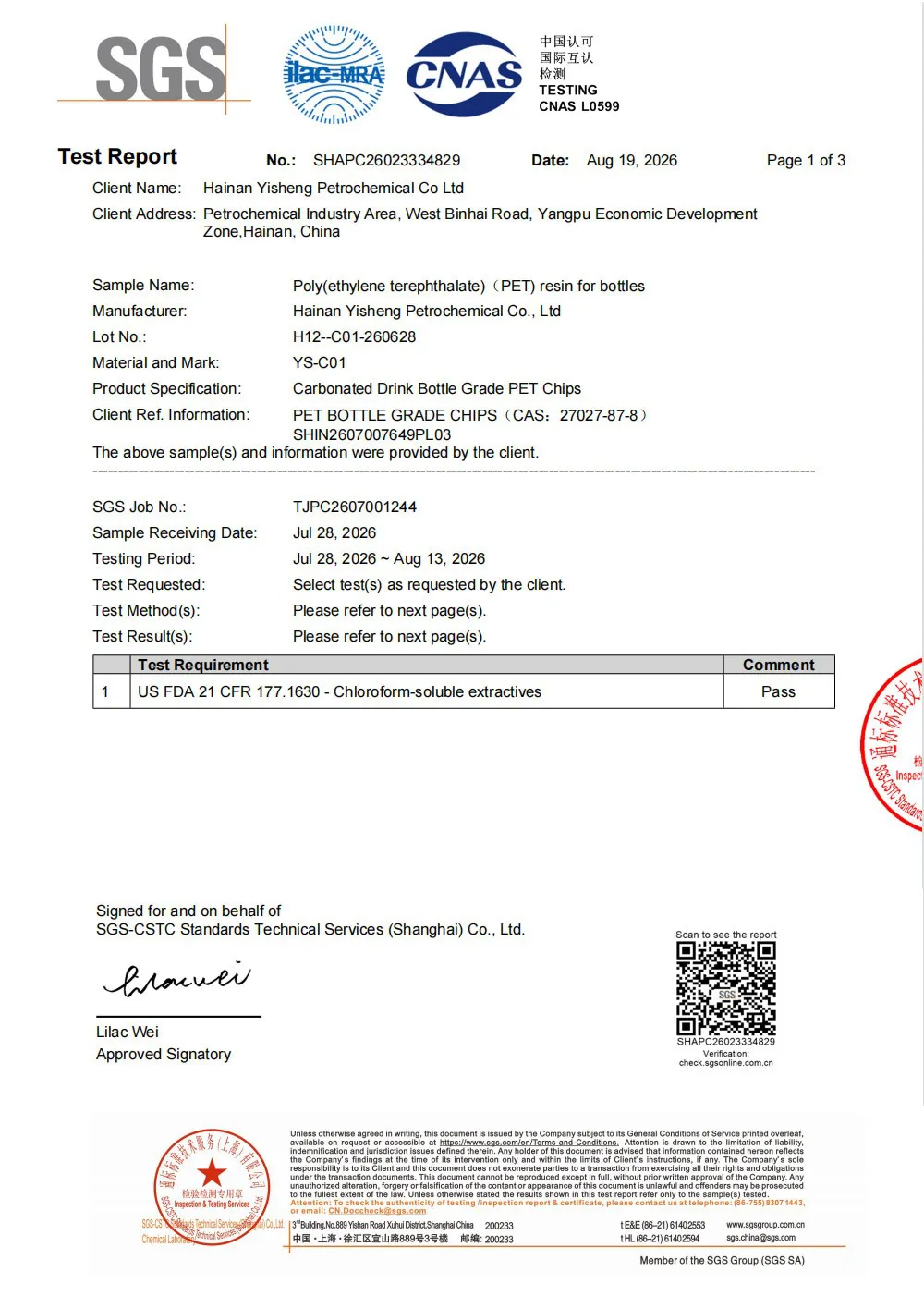
Let's get real for a second: when you're trusting someone with your brand's packaging, you need to know they've got their act together. That's where certifications like ISO 9001 come in. An ISO 9001 certified packaging factory isn't just a nice-to-have—it's a guarantee that the manufacturer follows strict quality management standards. It means they've been audited, tested, and proven to consistently deliver products that meet customer and regulatory requirements.
But what does that actually mean for you? Let's break it down. ISO 9001 focuses on processes: how the factory designs products, controls materials, trains staff, and handles customer feedback. So when you order your amber glass dropper bottles, you can be sure that every batch is checked for defects (no cracked glass, no loose droppers), that the materials are safe (no lead in the glass, no harmful liners), and that if something goes wrong, there's a system in place to fix it quickly.
And if you're in the pharmaceutical or skincare industry, GMP compliance is another big one. GMP stands for Good Manufacturing Practices, and it ensures that products are made in a clean, controlled environment. Think dust-free workshops, sanitized equipment, and strict hygiene protocols. For medical grade plastic bottles or cosmetic packaging that touches sensitive skin, this is non-negotiable. You don't want your serum bottle to be made in a factory that also makes toy parts—cross-contamination is a real risk.
At the end of the day, certifications give you peace of mind. You're not just buying a bottle; you're buying trust. And in a market where customers are more conscious than ever about what they put on their skin, that trust is priceless.
These days, "sustainable" isn't just a buzzword—it's a expectation. Customers want products that work and don't harm the planet. So how do you balance UV protection, private label design, and sustainability? It's easier than you think, thanks to sustainable plastic packaging solutions.
First, let's talk materials. Many factories now offer PCR (post-consumer recycled) plastic for bottles and caps. That means your packaging is made from old water bottles or food containers, giving them a second life. And don't worry—PCR plastic is just as durable and safe as virgin plastic, and it can still be colored or customized with your logo.
Then there's the design side. Sustainable packaging often means less packaging. Maybe you can skip the outer box, or use a thinner label that's easier to recycle. Or opt for refillable dropper bottles—customers buy a glass bottle once, then refill it with a plastic pouch (which uses less material than a new bottle). It's good for the planet and builds loyalty (customers keep coming back for refills).
Even little changes add up. Using soy-based inks for printing, or water-based adhesives instead of chemical ones. Choosing suppliers who use renewable energy in their factories. These might seem like small steps, but they send a big message: your brand cares. And in a world where 60% of consumers say they'd pay more for sustainable products, that message can turn into sales.
You know UV protection matters, private label builds brands, amber glass is a rockstar, custom molds add value, certifications ensure quality, and sustainability is key. Now, how do you find a manufacturer who can deliver all that?
Do they offer 3D design? Free mold testing? Can they match your brand colors exactly? The more control you have, the better.
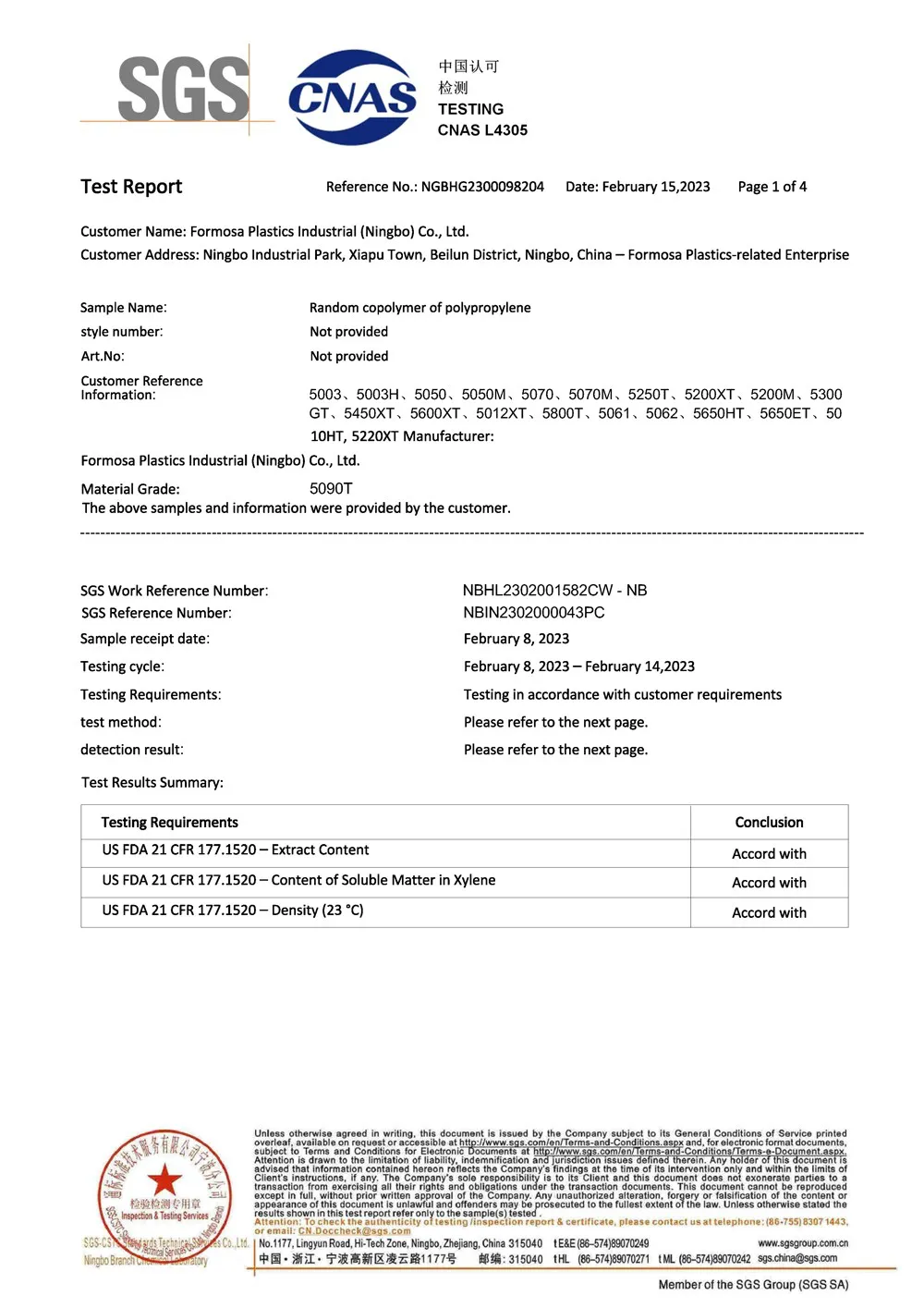
ISO 9001, GMP, FDA compliance—ask for proof. A reputable factory will be happy to share their audit reports.
What eco-friendly options do they have? PCR materials? Refillable designs? Make sure their values align with yours.
Your packaging is the first thing customers see, and the last thing that protects your formula. Choose wisely, and it'll work as hard as you do.