Email: info@mggpacking.com | Tel: +86-13510174848 ( Mr. Yao)


In the world of laboratory research and product development, precision isn't just a requirement—it's the foundation of reliable results. When scientists, chemists, or quality control experts perform color testing, the tools they use can directly impact the accuracy of their observations. Among these tools, the choice of container plays a surprisingly critical role. Clear glass dropper bottles, designed specifically for color testing and display, have become indispensable in labs across pharmaceuticals, cosmetics, and chemical analysis. Let's explore why these specialized bottles matter, what makes them effective, and how partnering with the right manufacturer ensures your lab's unique needs are met.
Color testing isn't just about "how something looks." In pharmaceutical labs, it can indicate chemical stability—changes in hue might signal degradation of active ingredients. In cosmetic development, color consistency ensures that a serum or lotion meets brand standards batch after batch. For chemical researchers, color shifts can reveal reaction progress or contamination. In all these scenarios, the container holding the sample must be invisible to the analysis process—no tint, no distortion, no interference.
Imagine analyzing a faint blue pharmaceutical solution in a bottle with a slight greenish tint. What if that tint masks a subtle color change indicating instability? Or trying to match a cosmetic formula's shade using a container with poor light transmission—how confident would you be in the results? This is where professional clear glass dropper bottles step in. They act as a neutral canvas, letting the true color of your sample shine through without compromise.
Not all glass dropper bottles are created equal. When it comes to laboratory color testing, specific features separate the ordinary from the professional-grade. Let's break down the must-have qualities:
The type of glass used is non-negotiable. Borosilicate glass stands out for its exceptional clarity and chemical resistance. Unlike regular soda-lime glass, it has low iron content, which minimizes color distortion—critical for accurate visual analysis. It's also heat-resistant, making it safe for samples that require temperature adjustments, and resistant to acids, alkalis, and organic solvents common in lab environments. This durability ensures the bottle itself won't react with your samples, preserving their integrity.
Color testing often requires adding reagents drop by drop or measuring small volumes of sample. Calibrated glass dropper bottles come with pipettes marked in milliliters (ml) or drops, allowing for consistent, repeatable measurements. A well-calibrated dropper ensures that each drop is uniform in size—so if you're comparing color changes after adding 5 drops of reagent, you can trust that "5 drops" means the same volume every time. This precision is especially valuable in quantitative color analysis, where small volume differences can skew results.
Lab samples are often sensitive to air, moisture, or contamination. A loose or poorly designed cap can ruin a test by exposing the sample to external factors, or worse, cause leaks that waste valuable materials. Professional dropper bottles feature tight-sealing caps—often with rubber bulbs or silicone gaskets—that create an airtight barrier. This not only protects the sample but also ensures that volatile components (common in cosmetics or chemical reagents) don't evaporate, maintaining concentration and color stability over time.
Labs and research facilities have unique needs. Maybe you require bottles with specific volume markings, or you want to brand your testing kits with a logo for client presentations. A custom dropper bottles manufacturer can tailor these details to your workflow. Options like silk-screened logos, frosted labels, or custom bottle shapes not only enhance professionalism but also help with organization—imagine having different bottle sizes color-coded (via caps) for different test types, reducing the risk of mix-ups.
| (Capacity) | (Material) | (Calibration Marks) | (Dropper Type) | (Sealing) | (Typical Use Case) |
|---|---|---|---|---|---|
| 1ml - 5ml | (Borosilicate Glass) | 0.1ml (0.1ml increments) | (Fine-tip glass pipette) | + (Silicone gasket + screw cap) | , (Micro-reagent testing, sample aliquoting) |
| 10ml - 30ml | (Borosilicate Glass) | 1ml - 5ml (1ml-5ml scale) | (Standard glass pipette) | + (Rubber bulb + leak-proof cap) | , (Cosmetic color matching, drug stability testing) |
| 50ml - 120ml | (Borosilicate Glass) | 5ml - 20ml (5ml-20ml scale) | (Wide-tip pipette) | + (Butyl rubber stopper + aluminum cap) | , (Bulk sample storage, educational demonstrations) |
While laboratory color testing is a primary use case, these bottles offer value across industries. Here are a few scenarios where their clarity and precision shine:
Cosmetic brands rely heavily on color consistency. Whether developing a new serum, essential oil blend, or nail polish, clear glass dropper bottles allow formulators to compare shades accurately. They're also ideal for glass dropper bottles with custom logo —imagine presenting a new skincare line to clients, with samples displayed in sleek, branded clear bottles that let the product's natural color be the focal point.
Pharmaceutical labs use these bottles for stability testing, where drugs are stored under various conditions (temperature, humidity) and checked for color changes. The clear glass ensures that even subtle shifts—like yellowing in a solution—are detected early, preventing substandard products from reaching market.
In educational settings, clear glass dropper bottles make chemistry and biology experiments more engaging. Students can observe reactions in real time without container interference, and calibrated droppers teach proper measurement techniques. For research labs, they're essential for laboratory reagent dropper vials , ensuring precise reagent dispensing in experiments.
You might be thinking, "Can't I just buy generic glass dropper bottles from a regular supplier?" While generic options exist, they often cut corners on the features that matter most for professional testing. Here's why working with a manufacturer that specializes in lab-grade, customizable bottles is a game-changer:
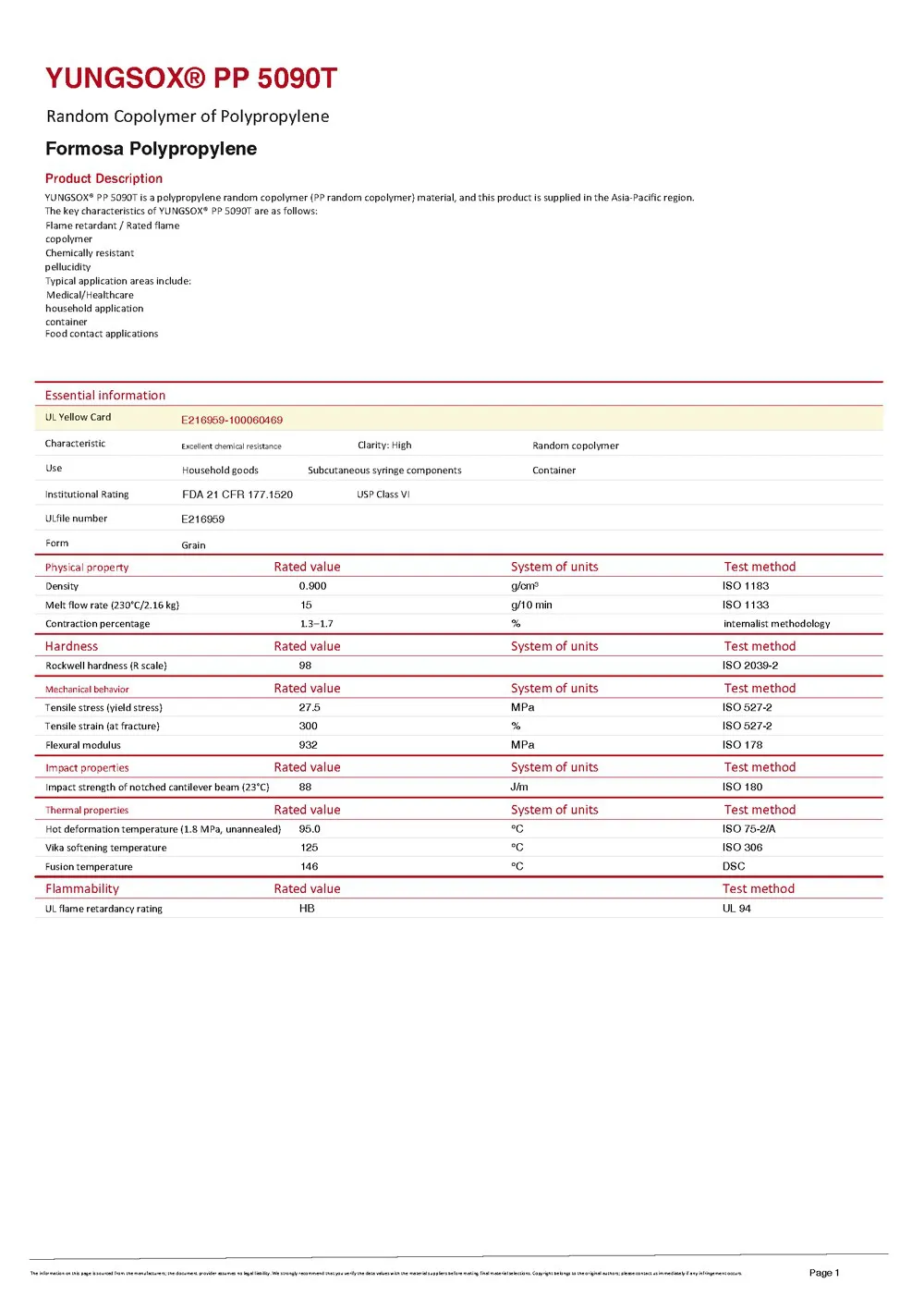
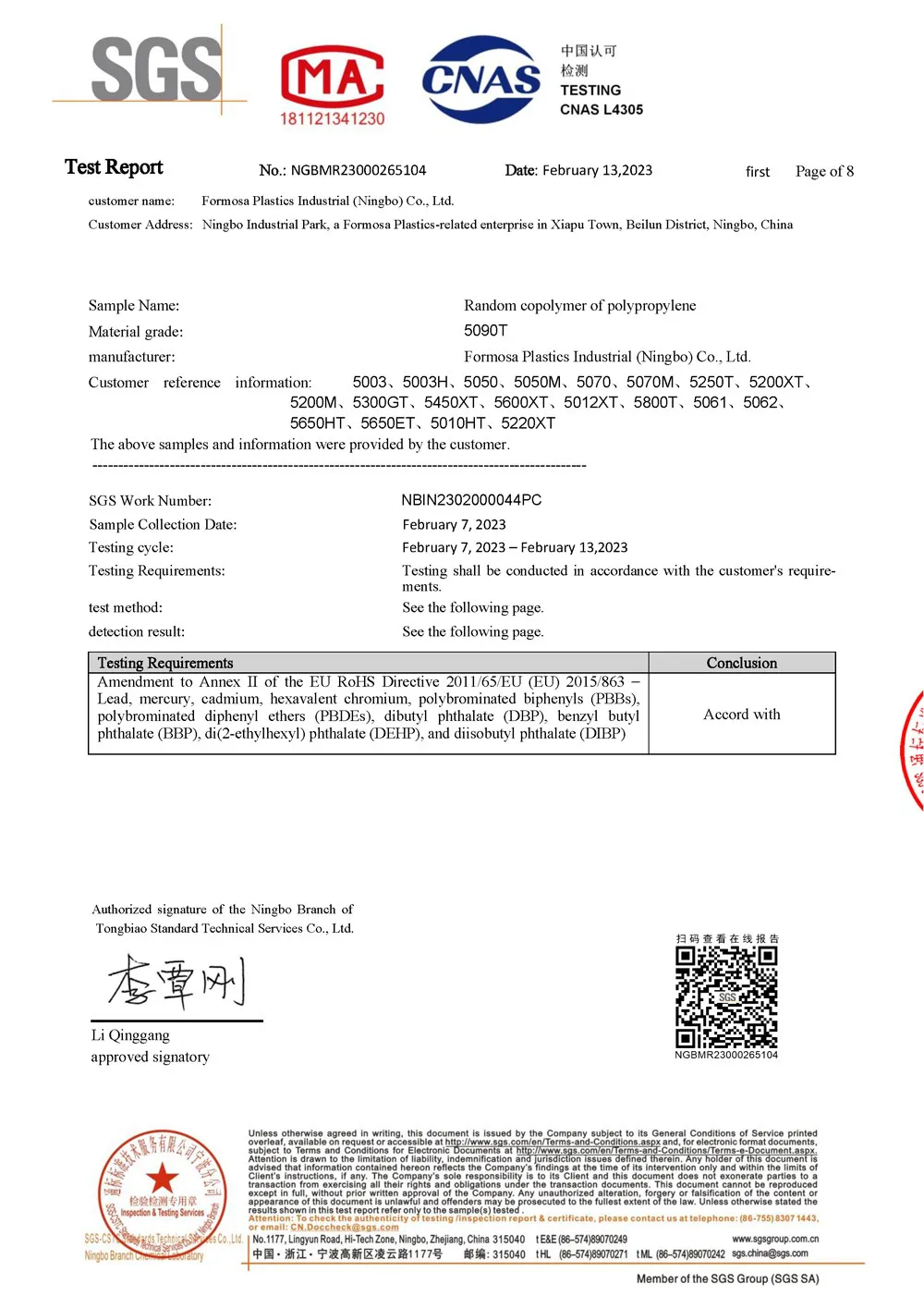
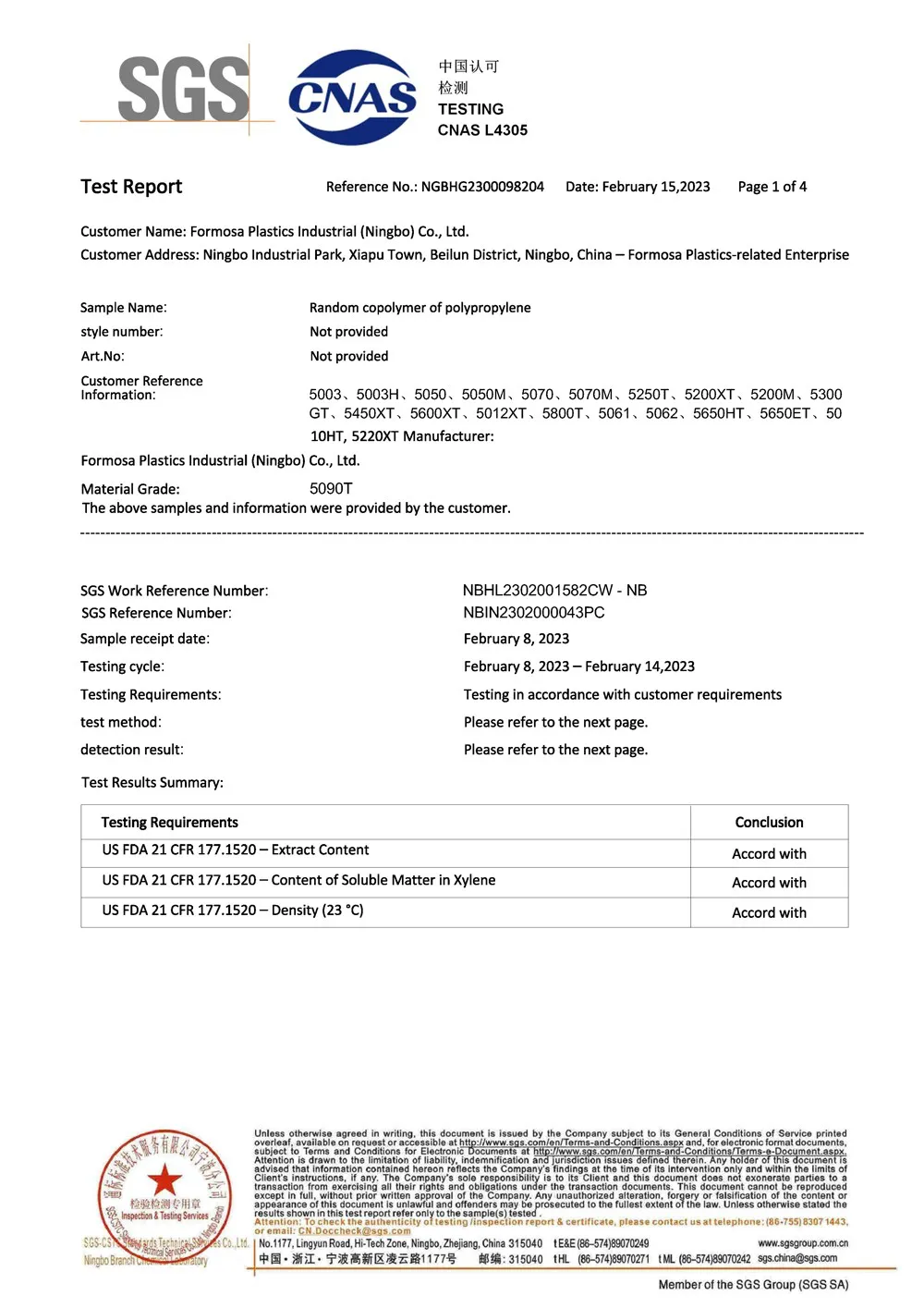
Reputable manufacturers adhere to strict quality standards. Look for certifications like ISO 9001 (for quality management) and compliance with pharmaceutical or cosmetic regulations (e.g., FDA standards for material safety). These certifications mean every batch of bottles undergoes rigorous testing—for clarity, chemical resistance, and durability—so you know what you're getting is consistent and reliable.
A generic 30ml bottle might work for some tests, but what if you need a 22ml bottle with custom calibration marks? Or a bottle with a frosted label area for handwritten sample IDs? A custom dropper bottles manufacturer can turn these needs into reality. They'll work with you to design bottles that fit your specific testing protocols, whether that's unique sizing, specialized caps, or branding elements. This level of customization transforms the bottle from a generic tool into an extension of your lab's efficiency.
For labs with high-volume needs, wholesale pricing is a significant advantage. Specialized manufacturers often offer tiered pricing for bulk orders, reducing per-unit costs without sacrificing quality. This is especially beneficial for labs that go through large quantities of bottles or for companies launching new product lines that require consistent packaging for testing and display.
Choosing the right bottle can be overwhelming—with options for glass type, dropper design, and sealing mechanisms. A specialized manufacturer doesn't just sell you a product; they act as a partner. Their team can advise on the best materials for your samples (e.g., borosilicate vs. soda-lime for specific chemicals), help with calibration accuracy, and even troubleshoot issues like sample evaporation or leakage. This expertise saves time and ensures you're making the most informed choice.
In laboratory color testing, every detail counts. The container holding your sample might seem like a small part of the process, but it's a critical one. Professional clear glass dropper bottles—with their ultra-clear borosilicate glass, calibrated precision, and customizable design—provide the neutral, reliable platform your testing deserves. They don't just hold samples; they enhance accuracy, protect integrity, and streamline workflows.
When choosing a manufacturer, prioritize those that specialize in lab-grade products, offer customization, and back their bottles with certifications and expertise. Whether you need small quantities for research or dropper bottles wholesale for large-scale testing, the right partner will ensure your bottles meet your exact needs—so you can focus on what matters most: getting accurate, trustworthy results.
At the end of the day, your work is about precision and trust. Shouldn't your tools reflect that?