Email: info@mggpacking.com | Tel: +86-13510174848 ( Mr. Yao)


Think about the last time you reached for a bottle of lotion, a roll-on deodorant, or a serum—what made you pause and take a second look? Was it the shape of the bottle? Maybe. But more likely, it was the label: the way the brand's logo popped against the plastic, the richness of the colors, or the subtle texture that made the product feel premium. In the world of personal care, where first impressions can make or break a purchase, the details matter. And when it comes to adding those details—your brand's story, your unique identity—silkscreen printing isn't just a service; it's a bridge between your vision and the consumer's hands.
For brands in skincare, haircare, or body care, personal care plastic containers are more than just vessels for products. They're silent ambassadors, working 24/7 to communicate quality, trust, and personality. That's where silkscreen printing comes in. Unlike generic stickers or flimsy labels that peel off after a few uses, silkscreen printing embeds your design directly onto the bottle, creating a finish that's as durable as it is beautiful. It's why top private label plastic packaging brands and OEM plastic container manufacturers swear by it—and why, if you're looking to elevate your product line, it might just be the missing piece in your cosmetic packaging solutions.
Not all printing methods are created equal, especially when it comes to plastic containers. Let's break down why silkscreen printing has become a go-to for brands that refuse to compromise on quality:
Ever had a label fade after leaving a bottle in the shower, or peel off when you gripped it a little too tight? Silkscreen printing solves that. By pressing ink through a fine mesh screen directly onto the plastic surface, the design bonds with the material, creating a finish that resists water, friction, and the wear and tear of daily use. Whether it's a bold logo on a pump bottle for skincare or a delicate pattern on a dropper bottle, the colors stay vibrant, and the lines stay sharp—so your brand looks just as good on the 50th use as it did on the first.
Your brand isn't generic, so your packaging shouldn't be either. Silkscreen printing thrives on flexibility: it works with nearly any plastic type (HDPE, PET, PP—you name it), adapts to curved surfaces (hello, roll-on deodorant bottles and spherical containers), and lets you play with colors, textures, and finishes. Want a matte black logo on a clear spray bottle? Done. Need metallic gold lettering on a frosted pump bottle? No problem. Even intricate details, like tiny text or gradient colors, come out clean and precise—because when it comes to standing out on crowded shelves, "close enough" isn't enough.
Today's consumers care about more than just what's in the bottle—they care about the bottle itself. Silkscreen printing aligns with sustainable plastic packaging solutions by reducing waste: unlike adhesive labels, which often require extra layers of material and can complicate recycling, silk-screened designs become part of the container, making it easier to process at the end of its life. Plus, with options for eco-friendly, water-based inks, you can keep your brand's commitment to the planet front and center—without sacrificing the quality your customers expect.
From sleek serum bottles to sturdy deodorant containers, silkscreen printing adapts to nearly every type of personal care plastic packaging. Here's how it shines across some of the most popular products:
| Product Type | Why Silkscreen Printing Works | Real-World Example |
|---|---|---|
| Pump Bottles for Skincare | Curved surfaces and frequent handling demand durable designs. Silkscreen printing resists smudging from lotion residue and stays intact through daily use. | A luxury moisturizer brand using matte white printing on a clear PET pump bottle, with their logo and "Dermatologist Tested" text in bold, easy-to-read font. |
| Roll-On Deodorant Bottles | Smaller surface area requires precision. Silkscreen printing ensures logos and ingredient lists stay sharp, even on compact, cylindrical bottles. | A natural deodorant brand with a minimalist design: a simple leaf icon and "Aluminum-Free" in soft green ink on a recycled plastic roll-on bottle. |
| Dropper Bottles | Delicate and often used for premium products (serums, facial oils). Silkscreen printing adds a touch of elegance without overwhelming the bottle's sleek shape. | A CBD oil brand with gold foil-effect printing on an amber glass dropper bottle, highlighting their logo and "Third-Party Tested" badge. |
| Spray Bottles | Transparent or colored plastic benefits from high-contrast designs. Silkscreen printing ensures labels stand out, even when the bottle is full of clear liquid. | A haircare brand with neon pink printing on a clear HDPE spray bottle, featuring their "Heat Protectant" logo and usage instructions in bold, eye-catching letters. |
| Disc Top Caps and Closures | Small but crucial for brand recognition. Silkscreen printing adds logos or symbols to caps, turning a functional part into a brand touchpoint. | A body wash brand printing their signature star icon on white disc top caps, making the product instantly recognizable even when the bottle is upside down in the shower. |
So, you've decided to elevate your packaging with silkscreen printing—now what? The process is simpler than you might think, especially with a partner who specializes in custom plastic bottle manufacturing. Here's a step-by-step look at how it all comes together:
You don't need to be a graphic designer to get started. Whether you have a sketch on a napkin, a digital file, or just a vague idea ("I want something that feels fresh and natural"), the team will work with you to refine it. They'll even help adjust colors to match your brand palette or suggest tweaks to ensure the design translates well to the bottle's shape.
Before full production, you'll get a sample: a physical bottle with your design printed on it. This is your chance to check for things like color accuracy ("Is that blue exactly the shade of our logo?"), readability ("Can you still see the text when the bottle's full?"), and durability ("Does the ink smudge if I rub it with a damp cloth?"). If something's off, they'll tweak it—no extra cost, no hassle.
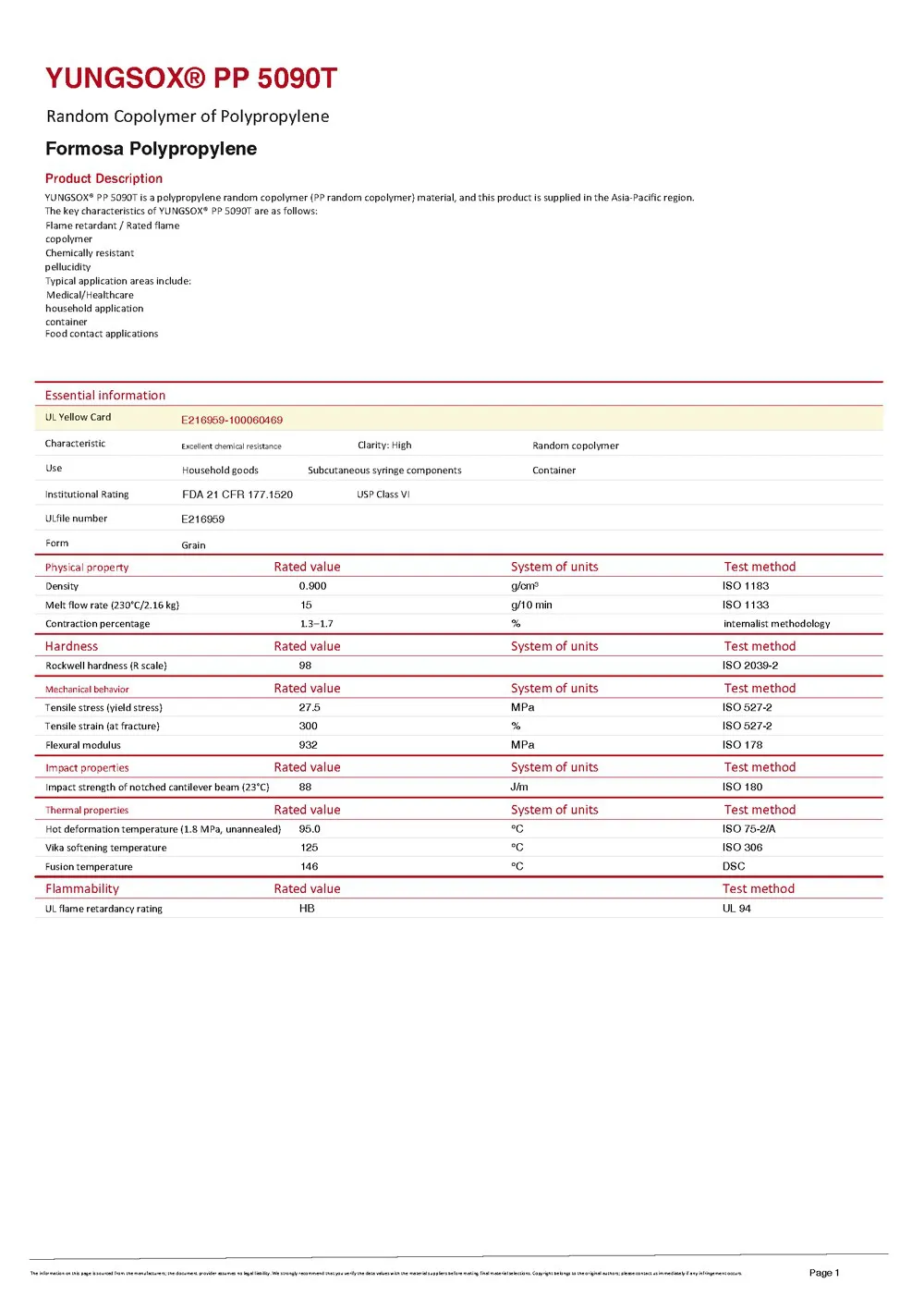
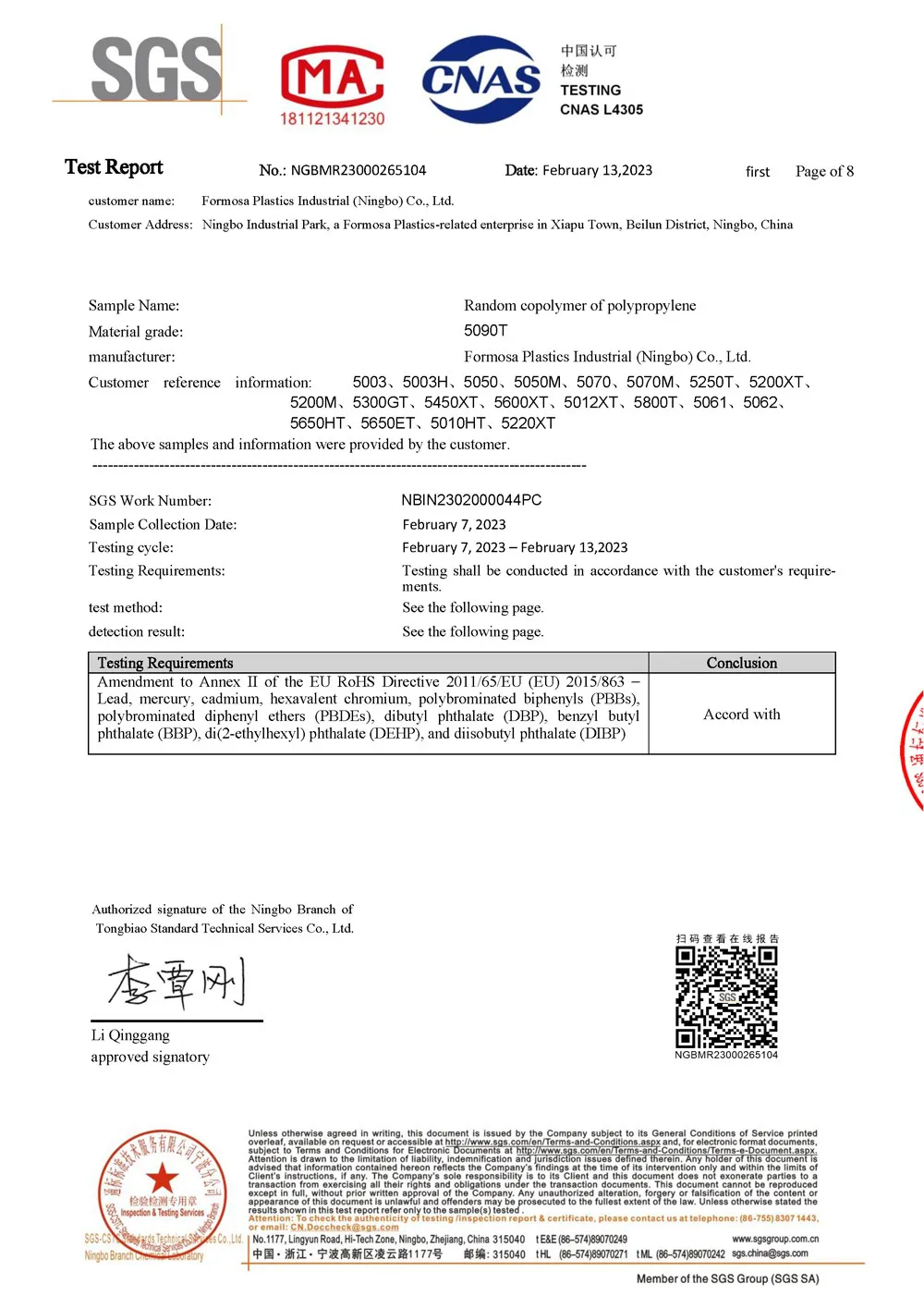
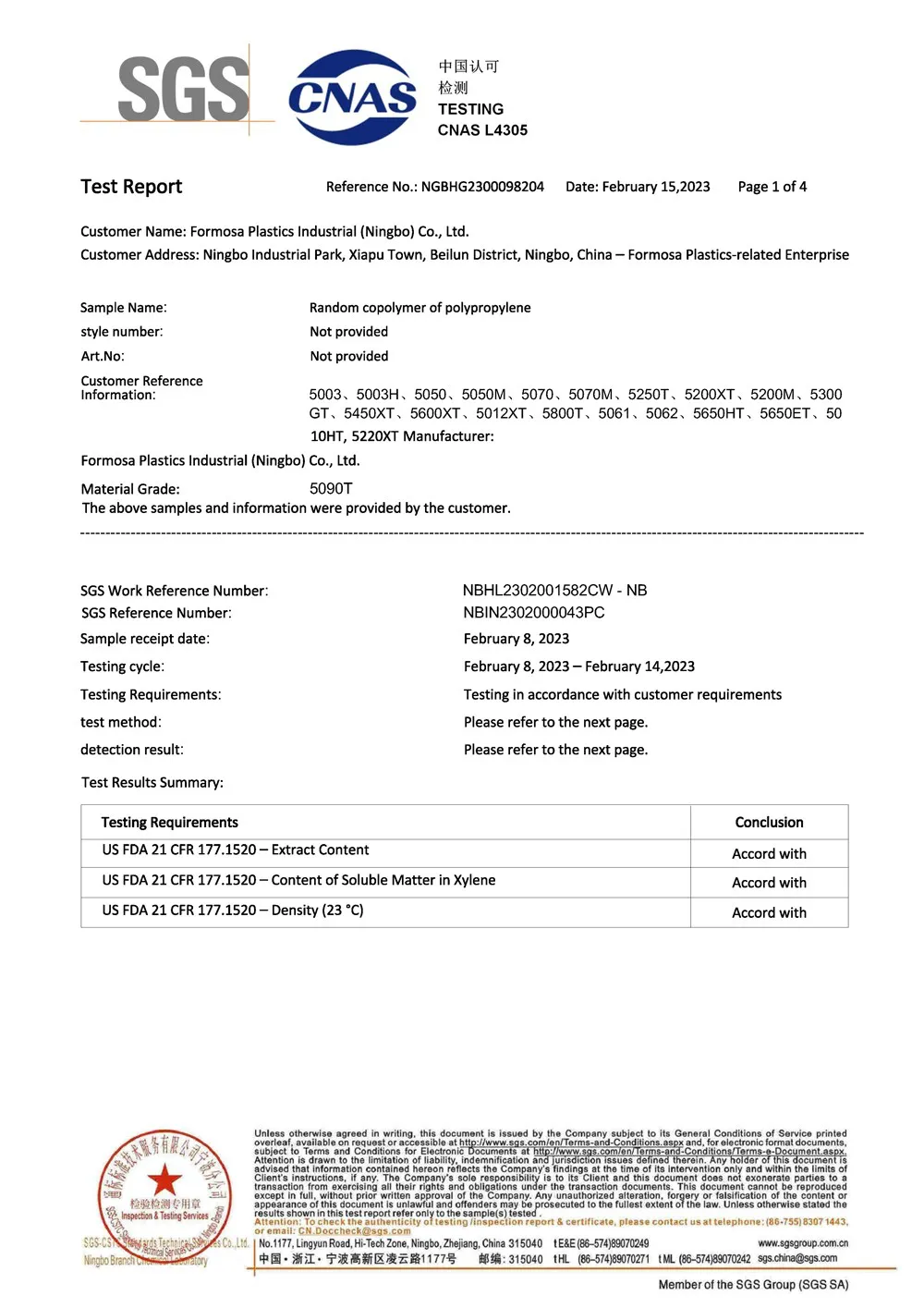
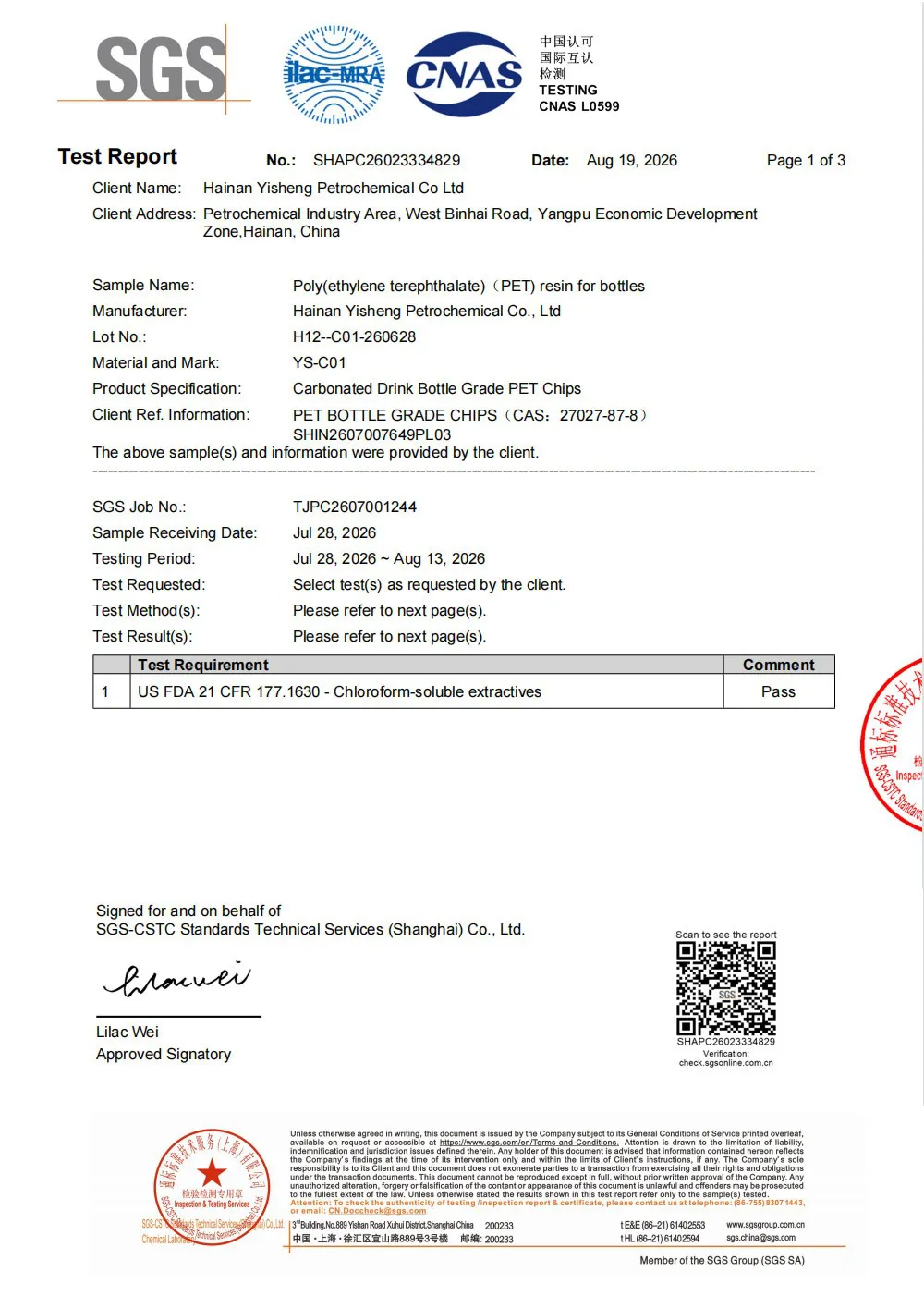
Once you love the sample, production begins. The bottles are printed in a controlled environment—think dust-free rooms, strict quality checks, and equipment calibrated to ensure every bottle looks identical. For personal care products, this isn't just about aesthetics; it's about safety. GMP compliance means no contaminants, and ISO 9001 certification ensures consistent quality, batch after batch.
After printing, the bottles are inspected one last time, then packaged and shipped. What arrives at your door isn't just a container—it's a product that tells your brand's story, builds trust with customers, and makes them proud to display it on their vanity or bathroom counter.
You could outsource printing to a third party, but there's a reason brands choose to work with a manufacturer that handles both the bottle production and printing in-house. Here's why it matters:
When the same team designs your bottle, creates the mold, and prints the label, there's no miscommunication. They know the plastic's texture, the bottle's curves, and how ink will behave on that specific material—so you avoid issues like smudged prints or colors that don't match your samples.
In-house printing means no waiting for bottles to be shipped to a separate printer and back. From design approval to final production, the process is streamlined—so you can get your products to market faster, whether you're launching a new line or restocking a bestseller.
With ISO 9001 certification and a GMP-compliant workshop, you can trust that every bottle meets strict standards. No more worrying about inconsistent prints or bottles that don't live up to your brand's reputation—because when your success is on the line, "good enough" just isn't.
For brands building a private label line, consistency is key. An OEM plastic container manufacturer with in-house printing ensures every product—from your pump bottles to your roll-ons—feels like part of a cohesive family, strengthening brand recognition and customer loyalty.
Today's consumers don't just buy products—they buy values. If sustainability is part of your brand's mission, silkscreen printing aligns with that goal in ways other methods don't:
First, it reduces waste. Unlike adhesive labels, which often use plastic liners or non-recyclable materials, silk-screened designs don't add extra layers to the bottle. When the container reaches the end of its life, it's easier to recycle, since the ink is integrated into the plastic (and many inks are now water-based and eco-friendly). Second, it supports reusable packaging. More brands are launching refillable lines—think pump bottles you can top up with bulk lotion or roll-on deodorants that come in recyclable cartons. Silkscreen printing ensures the design stays intact through multiple refills, so the bottle remains functional and brand-consistent for years.
And let's not forget the emotional connection: when customers see that your packaging is thoughtfully designed to minimize waste, it reinforces that you care about more than just sales. It builds trust—and trust, in personal care, is everything.
At the end of the day, a bottle is never just a bottle. It's the first thing your customer touches, the last thing they see before they use your product, and the silent messenger that says, "This brand gets me." Silkscreen printing turns that messenger into a storyteller—one that speaks to quality, personality, and attention to detail.
Whether you're a startup launching your first line of skincare or an established brand looking to refresh your packaging, partnering with a custom plastic bottle manufacturer that specializes in silkscreen printing can transform your products from "just another option" to "the one customers can't resist." Because when your packaging looks and feels like an extension of your brand, sales follow naturally.
So, what's your story? And how will silkscreen printing help you tell it?