Email: info@mggpacking.com | Tel: +86-13510174848 ( Mr. Yao)


Ever slipped a tiny sample of a new facial serum into your bag, only to pull it out later and find a greasy mess seeping through the packaging? Or maybe you've opened a package from your favorite beauty brand, excited to try their latest cream, just to discover the sample has leaked all over the box. We've all been there—and it's not just frustrating for customers. For beauty brands, a leaky sample isn't just a minor inconvenience; it's a missed opportunity to make a great first impression. That's where small pill bottles for cosmetic samples come in. Specifically, leak-proof HDPE trial packaging is changing the game, turning those "meh" sample experiences into "wow, I need the full size!" moments.
Cosmetic samples are the unsung heroes of the beauty industry. They let customers test products before committing to a full-size purchase, reduce the risk of buyer's remorse, and build trust between brands and consumers. But here's the catch: if the packaging fails, the sample might as well not exist. Flimsy plastic sachets tear easily. Glass vials are beautiful but heavy and prone to breaking. Even some small plastic containers lack proper seals, leading to leaks that ruin not just the sample, but also the customer's perception of your brand.
Consider this: A customer receives a sample of your luxury retinol cream. They're excited, but when they open it, half the product has leaked out. What do they think? "If the sample can't stay sealed, what's the full-size packaging like?" It's a split-second judgment that can cost you a loyal customer. That's why choosing the right packaging for your samples isn't just about holding product—it's about protecting your brand's reputation.
So, what's the alternative? Small pill bottles made from HDPE (high-density polyethylene) are emerging as the go-to solution for cosmetic sample packaging. At first glance, "pill bottles" might make you think of medicine cabinets, but these versatile containers are far more than that. Designed with precision and durability in mind, they're lightweight, shatterproof, and—most importantly—leak-proof. Let's break down why HDPE pill bottles are becoming a favorite among beauty brands, from indie startups to global giants.
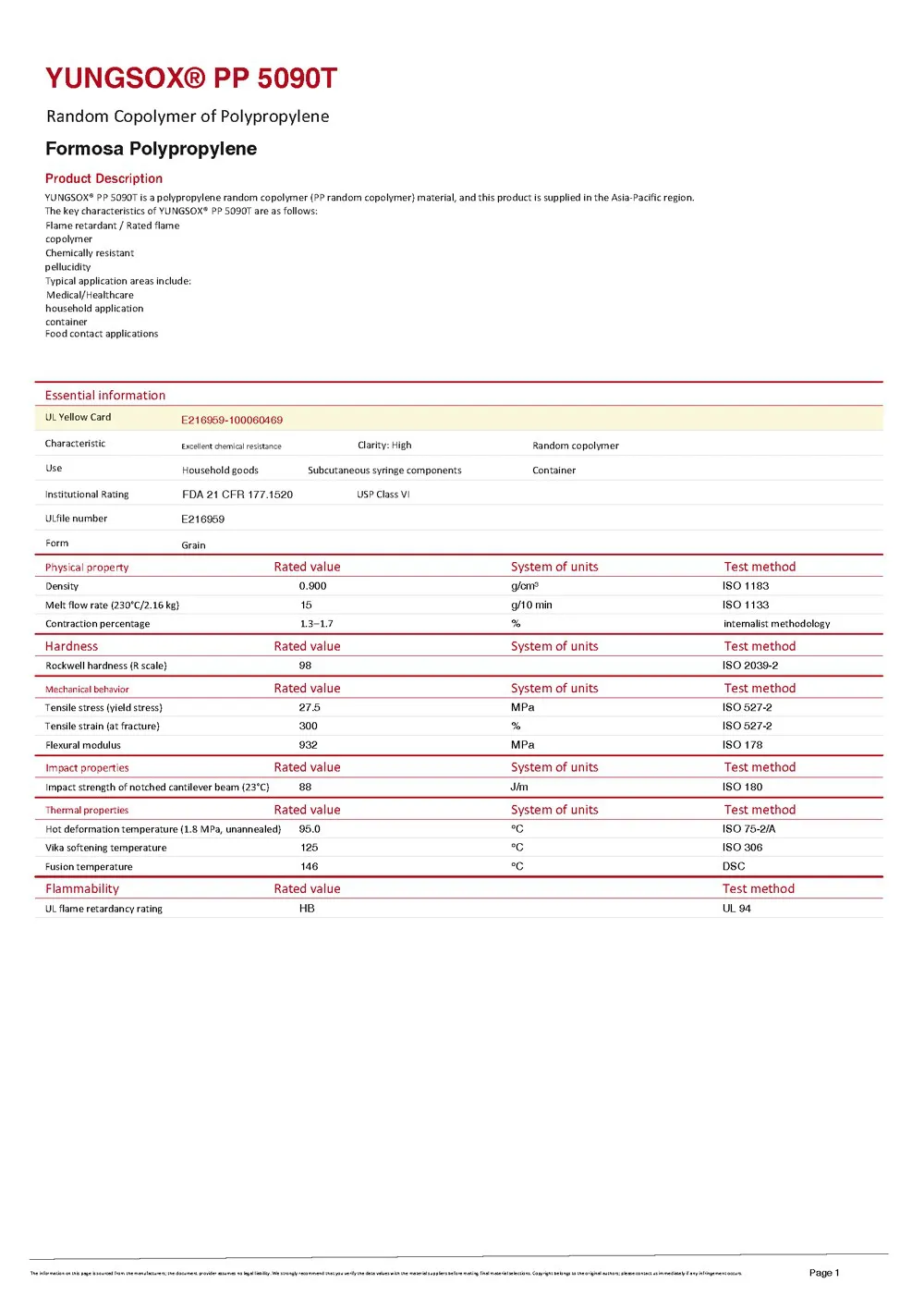
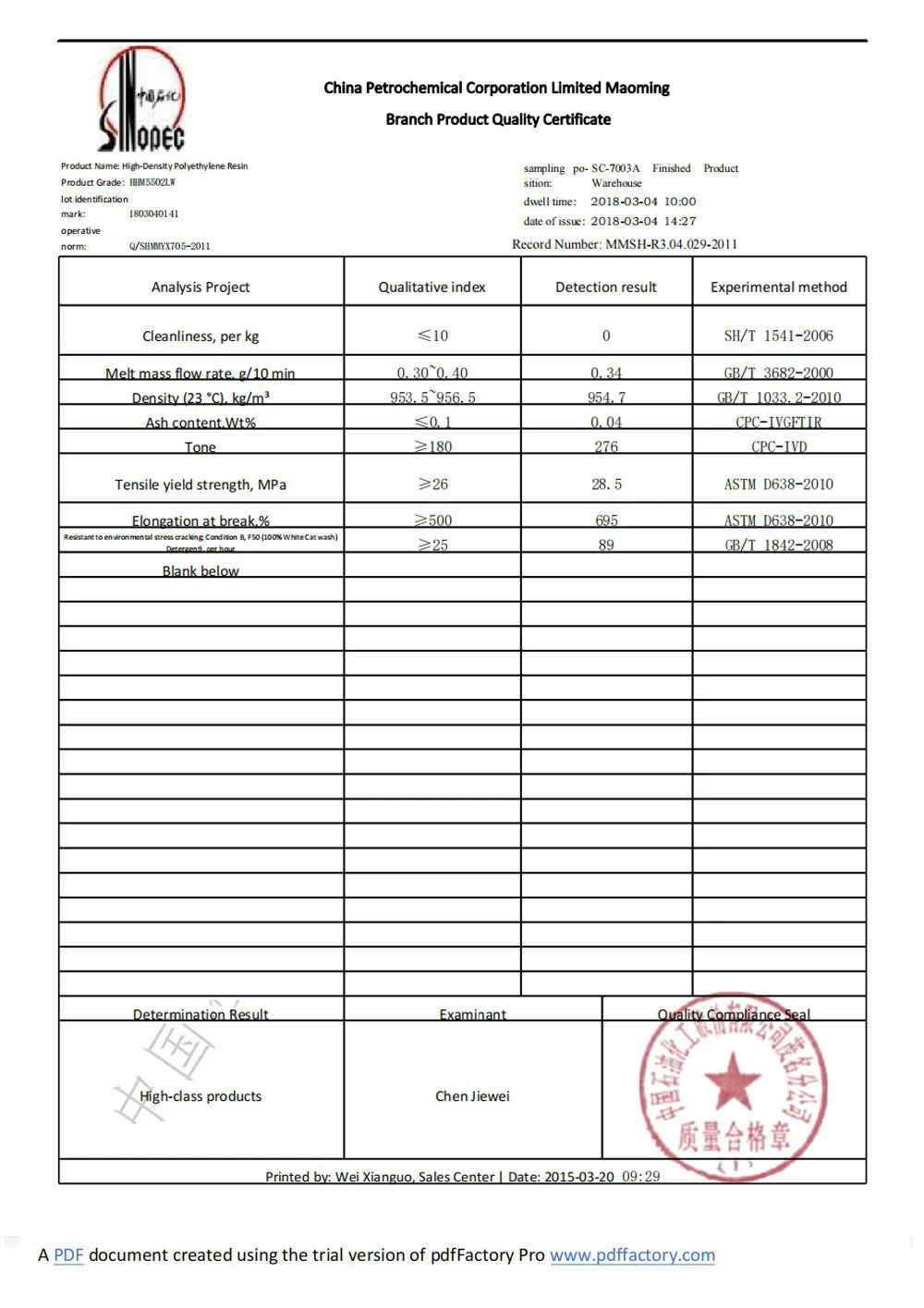
HDPE isn't just any plastic. It's a workhorse material known for its strength, chemical resistance, and flexibility—all qualities that make it perfect for holding everything from serums and oils to creams and powders. Here's why it stands out:
As a leading hdpe pill bottles supplier, we've seen firsthand how HDPE's unique properties solve the most common sample packaging headaches. It's not just about holding product—it's about doing so reliably, safely, and cost-effectively.
Durable material is just the start. What really sets small HDPE pill bottles apart is their leak-proof design. Let's get into the details of how these containers keep even the runniest serums and thickest creams from escaping:
The neck of an HDPE pill bottle is engineered with precise threading, designed to match the cap perfectly. This isn't just about screwing the cap on tightly—it's about creating a mechanical seal that prevents product from seeping out, even when the bottle is turned upside down or shaken. The threads are cut with minimal tolerance (think fractions of a millimeter), ensuring a snug fit every time.
Many HDPE pill bottles for samples come with silicone gaskets inside the cap. When the cap is screwed on, the gasket compresses against the bottle's rim, creating an airtight, watertight seal. Silicone is ideal here because it's flexible, heat-resistant, and won't degrade over time—even when in contact with oily or acidic cosmetic formulas. It's like adding an extra layer of insurance against leaks.
While not all samples need child-resistant caps, some formulas (like those containing retinol or certain actives) might require them. HDPE pill bottles can be fitted with child-resistant closures that are still easy for adults to open, adding an extra safety layer. Tamper-evident seals are another feature—think foil liners or breakable bands—that let customers know the product hasn't been opened before they receive it, boosting trust in your brand.
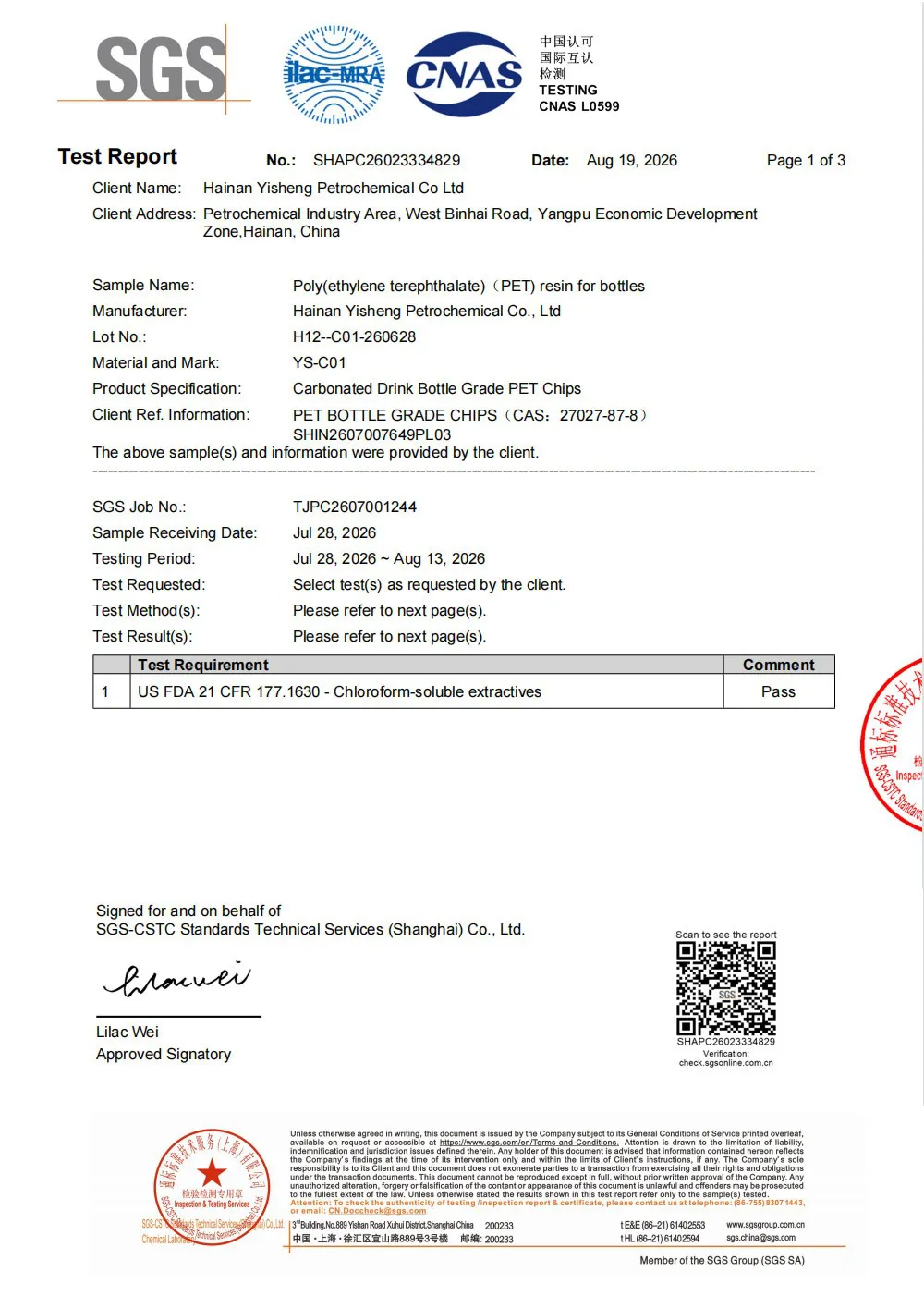
Reputable manufacturers don't just claim their bottles are leak-proof—they test them rigorously. This might include "drop tests" (dropping bottles from waist height onto concrete), "shake tests" (agitating bottles for hours to simulate shipping), and "temperature tests" (exposing bottles to extreme heat and cold to check for seal failure). Only after passing these tests do the bottles make it to production. As a custom plastic containers manufacturer, we take this testing seriously because we know a single leak can damage a brand's reputation.
One size doesn't fit all in the beauty industry, and your sample packaging shouldn't either. Small HDPE pill bottles are highly customizable, letting you align every detail with your brand's aesthetic and needs. Here's how you can make them uniquely yours:
Cosmetic samples come in all shapes and consistencies—from 5ml eye serums to 30ml moisturizers. HDPE pill bottles are available in a range of sizes to match, including:
| Sample Size | Common Uses | Cap Type | Leak-Proof Features | Customization Options |
|---|---|---|---|---|
| 5ml–10ml | Serums, facial oils, perfumes | Standard screw cap, tamper-evident | Silicone gasket, precision threading | Custom colors, small logo printing |
| 15ml–30ml | Creams, lotions, haircare | Child-resistant (optional), disc top | Double gasket, pressure-tested seal | Full-color labels, embossed logos |
| Custom (e.g., 8ml, 25ml) | Limited-edition products, niche formulas | Custom-designed caps | Tailored seal design, rigorous testing | Unique shapes, Pantone color matching |
Your sample packaging should scream "you"—and HDPE pill bottles deliver on that front. Want your bottles to match your brand's signature pink? No problem. HDPE can be colored using Pantone matching, ensuring consistency across your product line. Prefer a sleek, minimalist look? Opt for natural HDPE (milky white) or frosted finishes. For a premium feel, add matte coatings or metallic accents.
Branding options are endless, too. You can print your logo directly on the bottle using silk-screening or digital printing, emboss it for a textured look, or add a custom label. The goal? Make sure customers instantly recognize your brand, even from a tiny sample. As a private label plastic packaging provider, we've seen how this level of customization turns samples into mini billboards for your brand.
Private label packaging isn't just about slapping your logo on a bottle—it's about creating a cohesive brand experience that extends from your full-size products down to the smallest sample. When customers receive a sample in packaging that looks and feels like your brand, it reinforces who you are and what you stand for. It says, "We care about the details, even in the little things."
For example, imagine a clean beauty brand known for its earthy, sustainable aesthetic. Their full-size products come in recycled paper boxes and amber glass bottles. If their samples arrive in generic clear plastic containers, it feels disjointed. But if those samples are in small amber HDPE pill bottles with a leaf logo embossed on the cap? Suddenly, the sample feels like a natural extension of the brand. Customers notice that consistency, and it builds trust.
Private label HDPE pill bottles also let you include important information directly on the packaging—like ingredient lists, usage instructions, or your website—without relying on separate leaflets that can get lost. It's a small touch, but it makes the sample feel more professional and user-friendly.
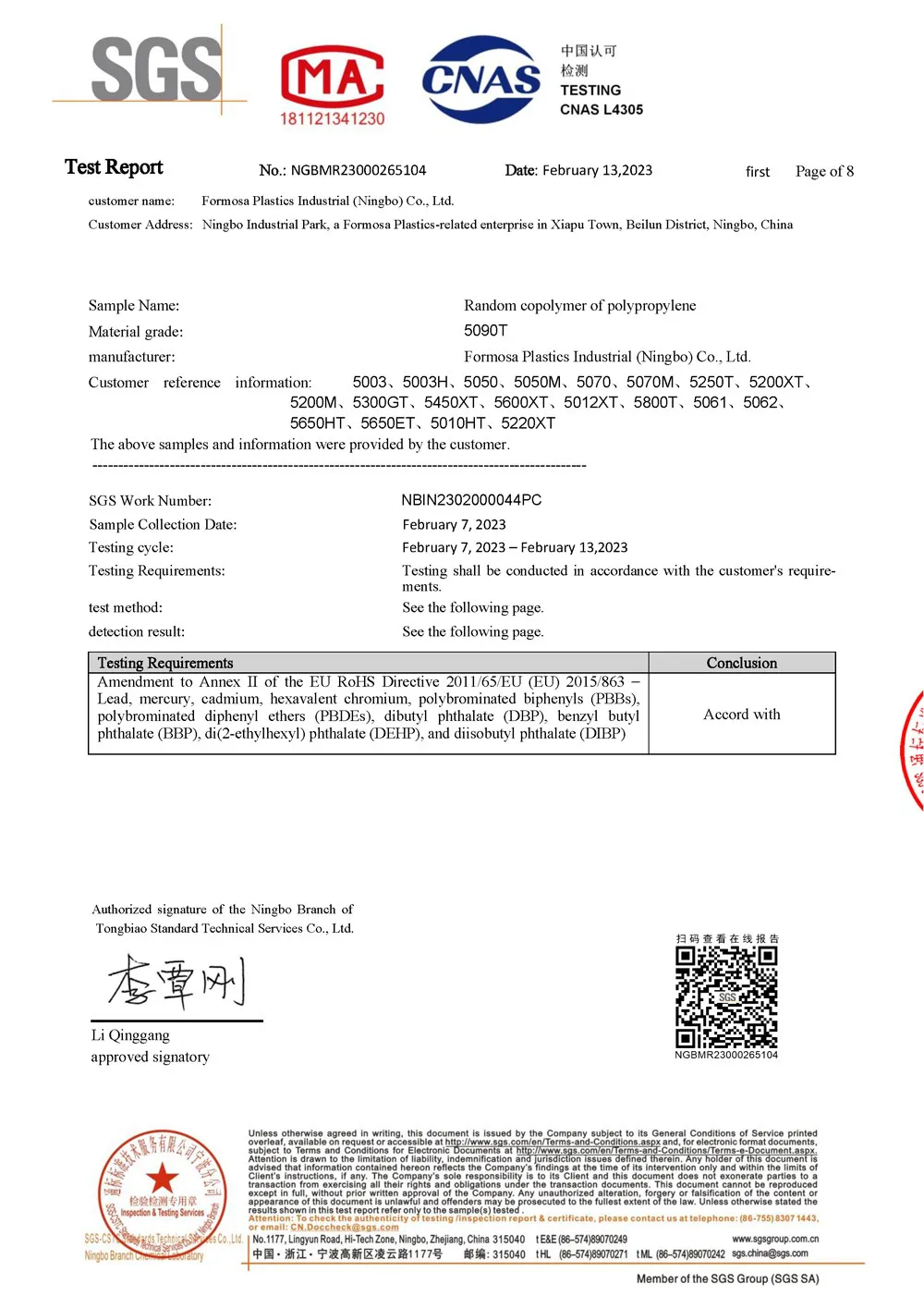
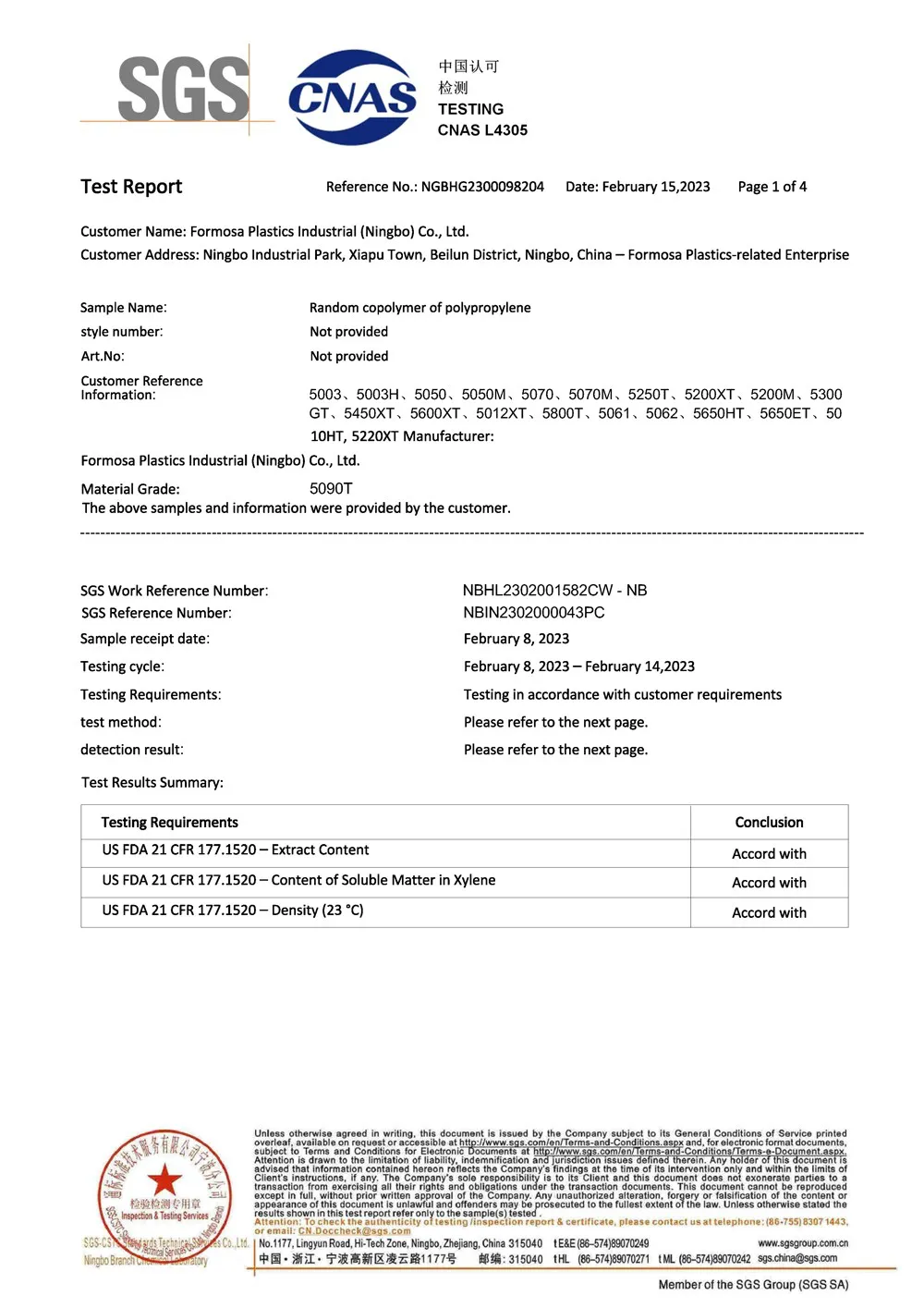
When choosing packaging for your cosmetic samples, you're not just buying a container—you're partnering with a manufacturer. And not all manufacturers are created equal. That's why working with an ISO 9001 certified packaging factory is non-negotiable.
ISO 9001 is an international standard for quality management systems. It ensures that the factory follows strict processes to consistently produce high-quality products, from raw material sourcing to final inspection. What does this mean for you?:
Many factories also have GMP (Good Manufacturing Practice) compliant workshops, which are critical if you're producing pharmaceutical-grade or skincare products that require sterile conditions. A dust-free GMP workshop minimizes contamination risks, ensuring your samples are as pure as the full-size versions.
Now that you know why small HDPE pill bottles are a great choice for samples, how do you find the right supplier? Here are key factors to consider:
Working directly with a factory (rather than a middleman) cuts costs and gives you more control over the process. Look for suppliers that offer factory direct plastic bottles from China—China is a hub for plastic packaging manufacturing, with access to advanced machinery and competitive pricing. Bulk ordering is also key; the more bottles you order, the lower the per-unit cost, which helps keep your sample budget in check.
If you need a unique bottle shape or size, your supplier should offer custom mold design for plastic bottles. This involves creating a mold from scratch, which can be an investment, but it's worth it for a one-of-a-kind sample that stands out. Ask about mold costs, lead times, and whether they offer 3D prototyping to test the design before full production.
Sustainability is no longer a trend—it's a customer expectation. Look for suppliers that offer sustainable plastic packaging solutions, like HDPE made from post-consumer recycled (PCR) materials. PCR HDPE has the same durability and chemical resistance as virgin HDPE but uses less energy and reduces plastic waste. Some factories also offer refillable options or bottles designed for easy recycling, aligning with your brand's eco-friendly values.
Clear communication is crucial, especially when working with an international supplier. Choose a supplier that has a responsive team (preferably with English-speaking representatives) and provides regular updates throughout the production process. Whether you have a question about mold design or need to adjust your order, you want to feel confident that your supplier has your back.
While small HDPE pill bottles shine as sample packaging, their uses don't stop there. Brands are finding creative ways to leverage these containers beyond trials:
We can't talk about plastic packaging without addressing sustainability. HDPE is actually one of the most recyclable plastics, with a high recycling rate compared to other materials like PVC or LDPE. When disposed of properly, HDPE can be melted down and reused to make new bottles, toys, or even plastic lumber.
Many suppliers now offer PCR HDPE options, where the plastic is made from recycled milk jugs, detergent bottles, or other post-consumer waste. Using PCR HDPE reduces your brand's carbon footprint and shows customers you're committed to reducing plastic waste. Some factories also offer biodegradable additives, though it's important to note that true biodegradable plastic is still rare—focus on recyclability first.
Another sustainable practice is designing bottles for refillability. A small HDPE pill bottle with a wide mouth and durable cap can be reused by customers to store homemade serums, loose powders, or even travel-sized toiletries, extending its life beyond the initial sample.
Cosmetic samples are more than just free product—they're your brand's first chance to make a lasting impression. Leaky, flimsy packaging undermines that opportunity, while small HDPE pill bottles turn samples into powerful tools for building trust, loyalty, and excitement around your products.
From their durable HDPE material and precision-engineered leak-proof seals to customizable designs and sustainable options, these bottles check all the boxes for modern beauty brands. And when you partner with a reputable hdpe pill bottles supplier—one that's ISO 9001 certified, offers private label options, and prioritizes sustainability—you're not just getting packaging; you're investing in your brand's future.
So, the next time you're planning your sample strategy, ask yourself: Are my samples protecting my product—and my brand? If the answer is no, it might be time to make the switch to leak-proof HDPE pill bottles. Your customers (and your bottom line) will thank you.