Email: info@mggpacking.com | Tel: +86-13510174848 ( Mr. Yao)


Launching a new pharmaceutical product or dietary supplement? You know the drill: before the big rollout, you need to get samples into the hands of potential clients, clinical trial participants, or partners. Those tiny pill bottles might seem like just a small part of the process, but think about it—they're the first physical touchpoint between your product and the people who'll eventually trust it with their health. A flimsy bottle that cracks, a lid that doesn't seal tight, or a label that smudges? That's not just a packaging fail; it's a first impression that could cost you a client's confidence. So when it comes to choosing small pill bottles for samples, settling for "good enough" isn't an option. You need something that's as reliable as your product itself—and that's where medical-grade HDPE pill bottles come in.
As someone who's worked with pharmaceutical and healthcare brands for years, I've seen how the right packaging can turn a simple sample into a story of care and professionalism. And today, we're diving into why HDPE is the go-to material for these small but mighty containers, how custom solutions can make your samples stand out, and why partnering with a manufacturer that prioritizes GMP compliance and quality isn't just a "nice-to-have"—it's essential. Whether you're a startup looking to test the waters with a new supplement or a seasoned expanding your product line, let's walk through what makes a great small sample pill bottle, and how to find one that checks all the boxes.
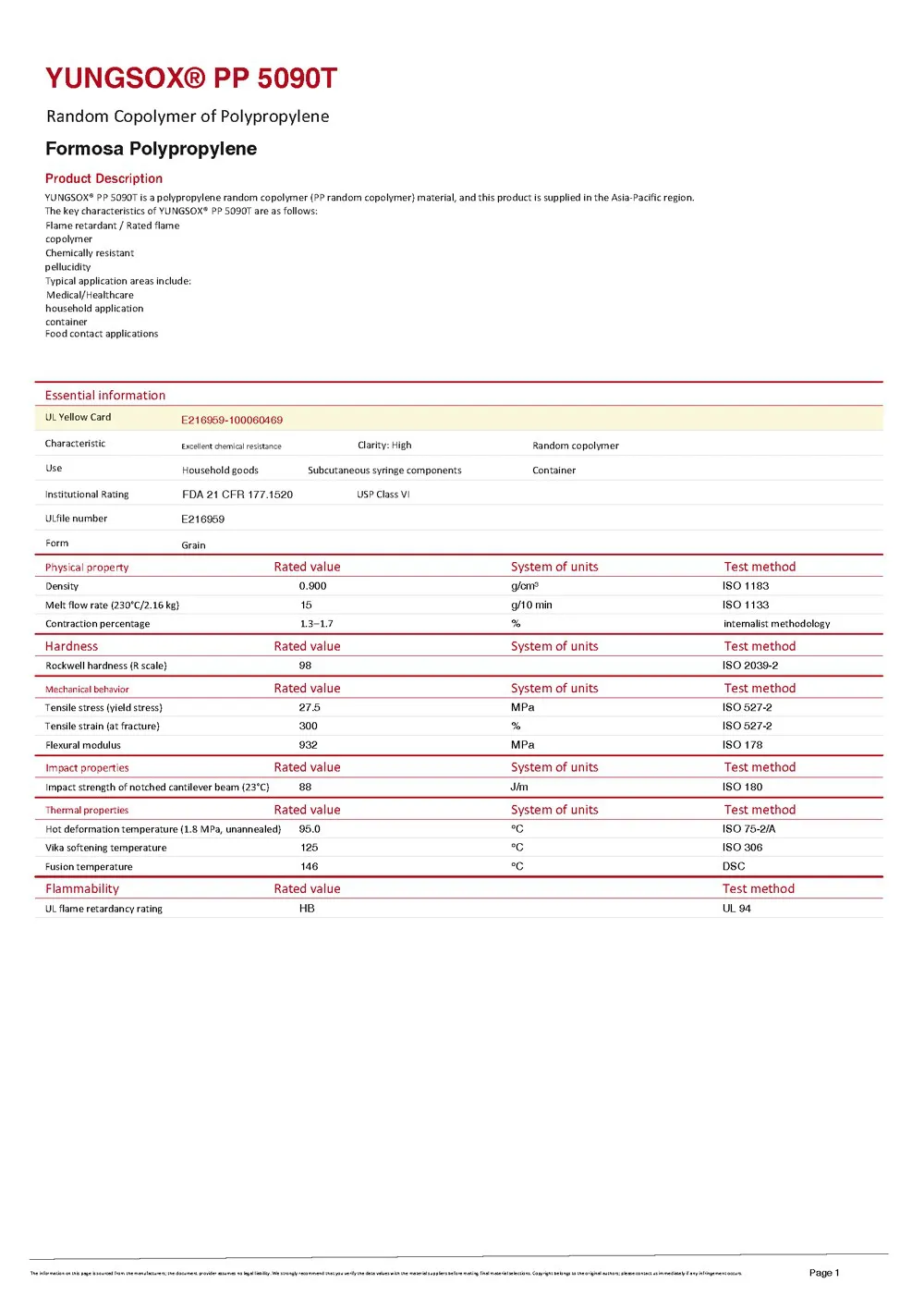
Let's start with the basics: what makes HDPE (High-Density Polyethylene) the top choice for small pill bottles, especially when they're holding samples that need to protect sensitive medications or supplements? It's not just about being "plastic"—it's about being the right plastic for the job. Let's break it down.
First off, HDPE is tough. We're talking "can handle being tossed into a lab coat pocket, shipped across the country, or stored in a medicine cabinet for months" tough. Its chemical resistance is a game-changer, too. If your sample pills contain vitamins, herbal extracts, or even certain prescription medications, you don't want the bottle interacting with the contents—HDPE's inert nature means it won't leach chemicals or react with what's inside, keeping your product pure and effective. That's non-negotiable when you're asking someone to take a sample and trust that it's safe.
Then there's the seal. Small bottles mean smaller volumes, which makes every milliliter of space (and every pill) count. HDPE's flexibility allows for tight-fitting lids that create a barrier against moisture, dust, and air—all things that can degrade the potency of medications over time. Imagine sending a sample of a probiotic pill in a bottle that lets in humidity: by the time it reaches the recipient, the pills might already be compromised. With HDPE, you're not just packaging a product; you're preserving its integrity.
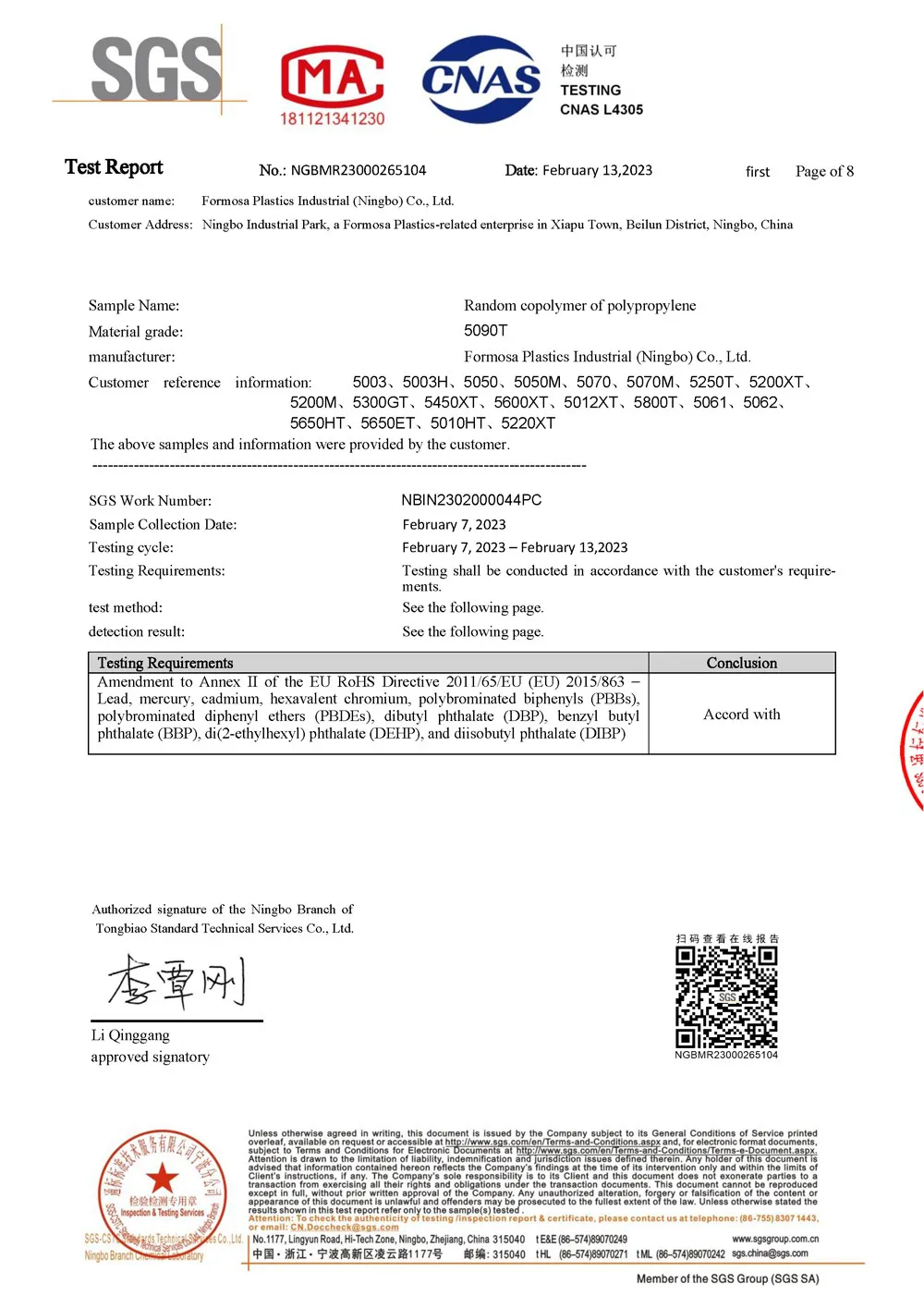
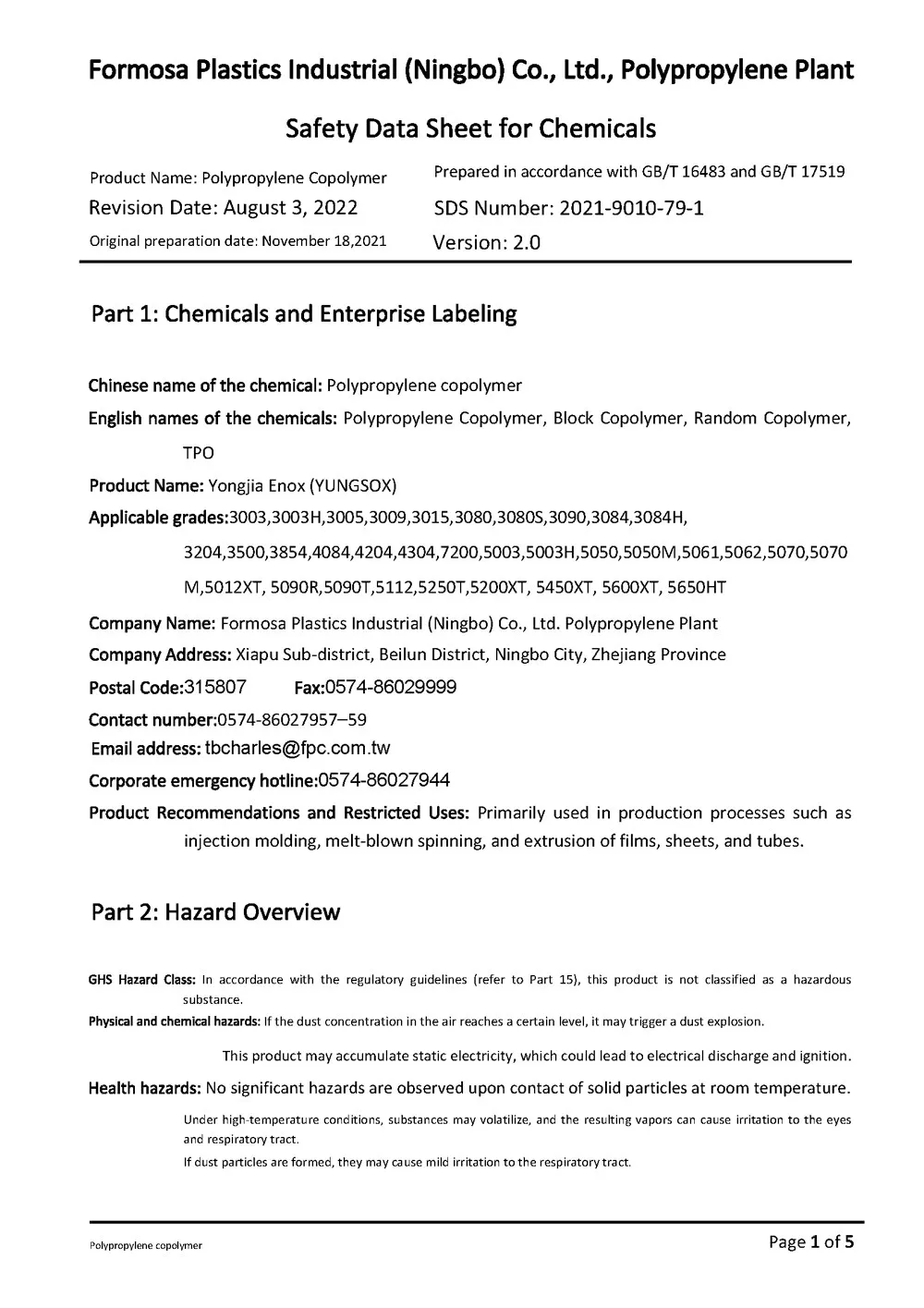
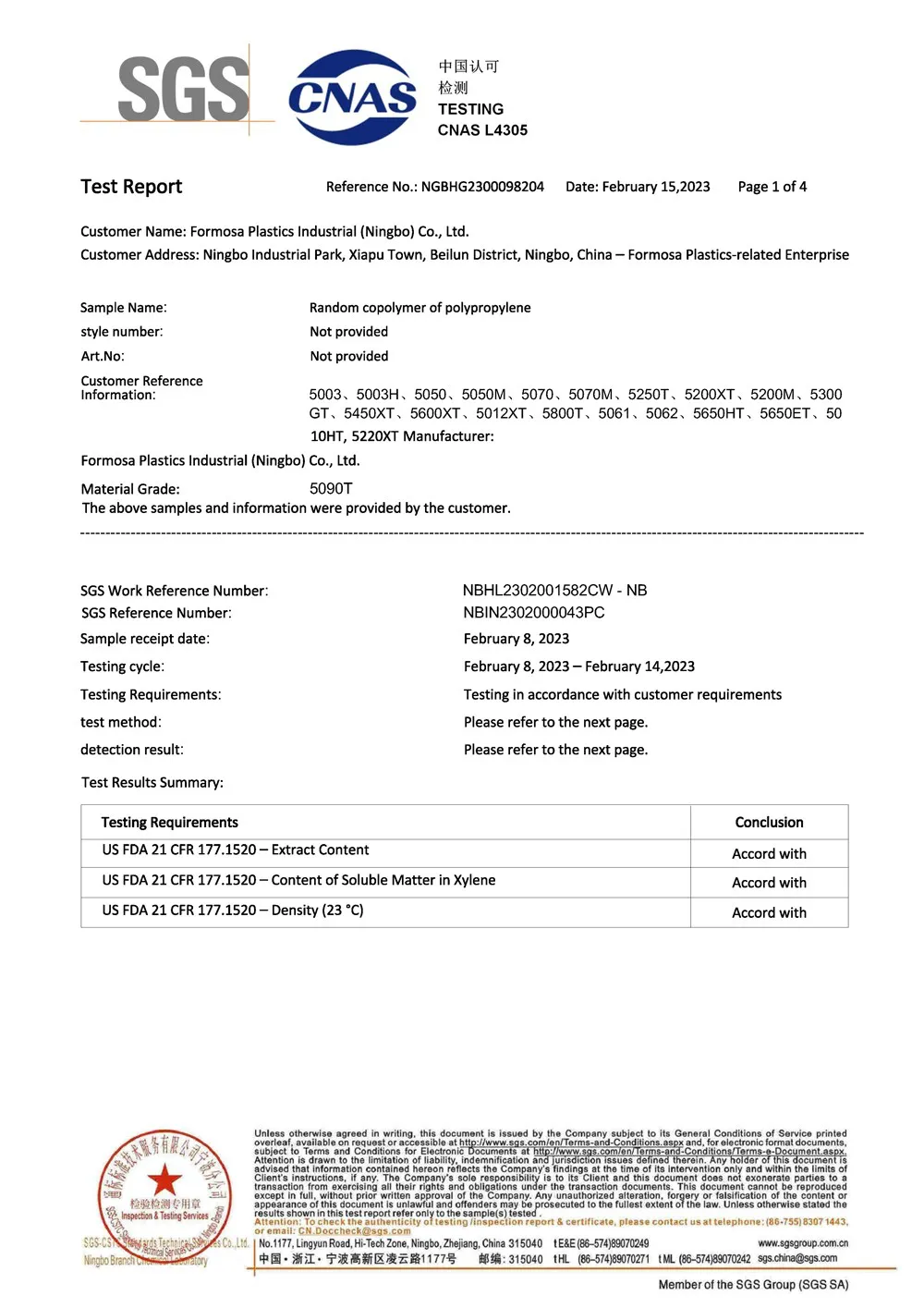
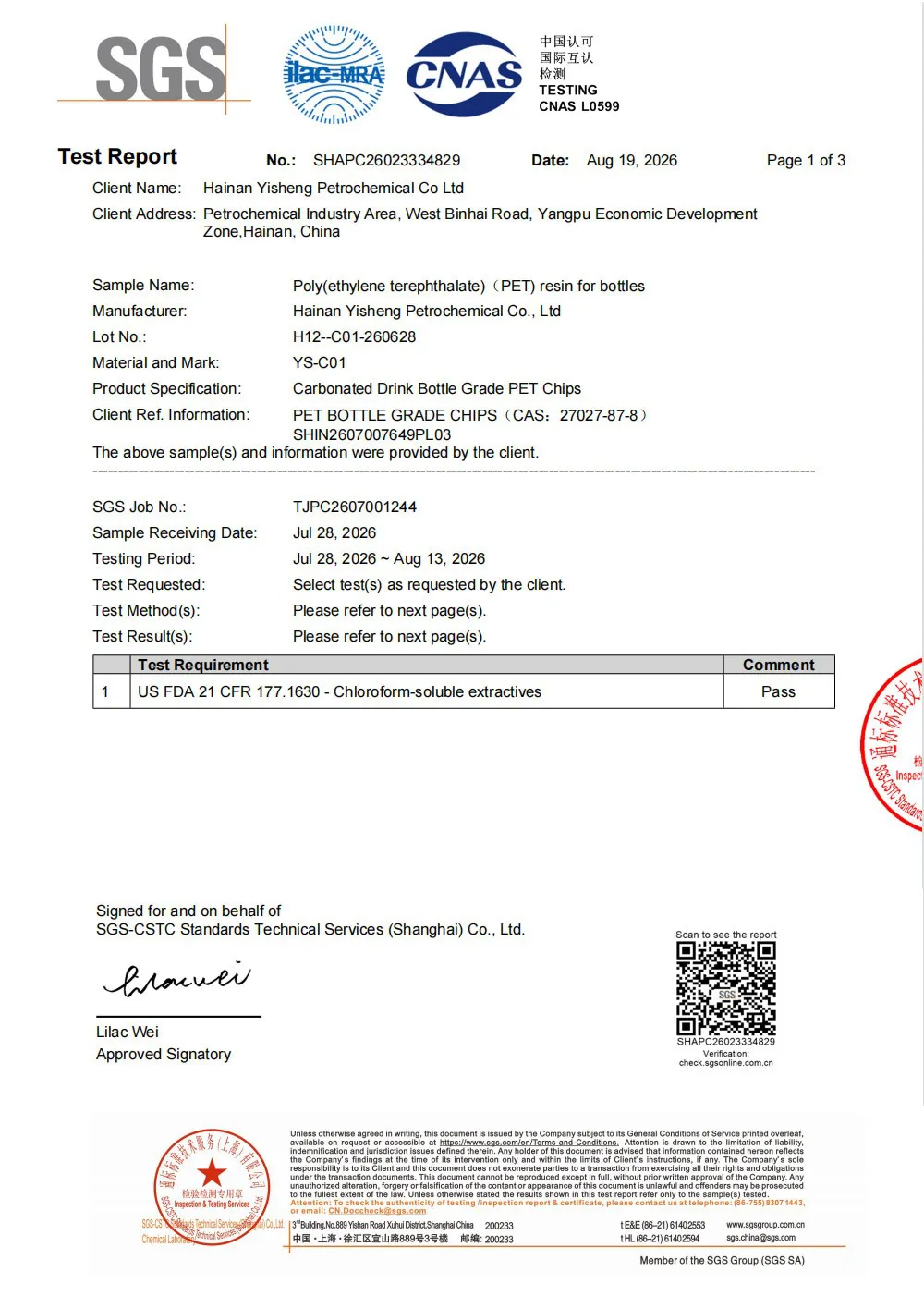
And let's not forget about safety standards. When we say "medical-grade HDPE," we're talking about material that meets strict regulations for pharmaceutical use. It's BPA-free, non-toxic, and compliant with FDA guidelines—because the last thing you want is to hand out samples in a bottle that raises questions about safety. For clinical trials, in particular, where every detail is scrutinized, using medical-grade packaging isn't just a best practice; it's often a requirement.
Compare that to other materials, like PET or glass. PET is great for clarity, but it's not as resistant to certain chemicals, and it can crack under pressure. Glass, while sturdy, is heavy (not ideal for shipping small samples) and prone to breaking if dropped—hardly practical for a sample that might change hands multiple times. HDPE hits that sweet spot: lightweight, durable, chemically stable, and cost-effective enough to keep your sample packaging budget in check without cutting corners on quality.
Okay, so HDPE is the material of choice—but what about making your sample bottles feel like yours ? Generic white bottles with no branding might get the job done, but if you're trying to make an impression, customization is where you turn a basic container into a brand ambassador. Think about it: when a doctor, pharmacist, or potential customer picks up your sample, you want them to immediately recognize it as part of your brand family. That's where a custom plastic bottle manufacturer can make all the difference.
Let's start with the basics: labeling and branding. Sure, you could slap a sticker on a plain bottle, but why not go the extra mile? Embossed logos, for example, add a tactile, premium feel—run a finger over the bottle, and you'll feel your brand's mark, not just see it. It's a small detail, but it signals that you care about the little things, which translates to how you care about your product. Or maybe you need a specific color to match your brand palette: soft pastels for a natural supplement line, bold blues for a prescription medication. HDPE takes color well, and we've worked with clients to match exact Pantone shades, so the bottle doesn't just hold your sample—it represents your brand.
Then there's the bottle design itself. Maybe you need a unique shape to fit into a trial kit, or a narrow neck to prevent pills from spilling when opened. We once worked with a client developing a children's vitamin—they wanted a small, 10ml bottle with a rounded, "kid-friendly" shape (no sharp edges) and a lid that was easy for adults to open but tough for little hands (hello, child-resistant caps). With 3D design tools, we mocked up three different prototypes, let them test each with focus groups, and adjusted the mold until it was just right. And here's the best part: we offered a free mold test, so they didn't have to commit to a full production run until they were 100% happy. That's the kind of flexibility you need when you're fine-tuning a sample that'll represent your brand.
Even the little add-ons matter. QR codes, for example—printing a scannable code on the label lets recipients link directly to your product page, clinical trial info, or even a video explaining how to use the sample. It turns a static bottle into an interactive tool, making it easier for people to engage with your brand beyond just trying the product. Or tamper-evident seals: a small strip that breaks when the bottle is first opened, giving recipients peace of mind that their sample hasn't been tampered with. These aren't just "extras"—they're proof that you're thinking about the end user's experience, from the moment they receive the sample to the second they open it.
And let's talk about scale. Maybe you only need 500 bottles for a small clinical trial, or 10,000 for a nationwide sample campaign. A good manufacturer won't hit you with sky-high minimum orders—they'll work with your needs, whether you're testing the waters or scaling up. We've had startups come to us needing just 200 custom bottles for a trade show, and we treated them with the same care as a client ordering 100,000. Because we know: today's small order could be tomorrow's long-term partnership.
Let's get real for a second: in the pharmaceutical world, "quality" isn't a buzzword—it's a legal and ethical obligation. When you're packaging something that people will ingest or apply to their bodies, there's zero room for error. That's why GMP (Good Manufacturing Practices) compliance isn't just a certification you hang on the wall; it's a way of life for any reputable pharmaceutical packaging manufacturer. And when it comes to small pill bottles for samples, which often end up in the hands of healthcare professionals or trial participants, that compliance becomes even more critical.
So what does GMP compliance actually look like on the factory floor? Let's start with the environment. Our workshop isn't just a room with machines—it's a dust-free zone where every surface is sanitized, and employees wear head-to-toe protective gear (hairnets, masks, gowns) to prevent contamination. Think of it like a mini cleanroom: air is filtered to remove particles, humidity and temperature are controlled to prevent mold or warping of materials, and even the tools used to handle bottles are sterilized regularly. Why does this matter for your sample bottles? Because even a tiny speck of dust or a stray hair could compromise the sterility of the pills inside, especially if they're meant for sensitive populations like elderly patients or infants.
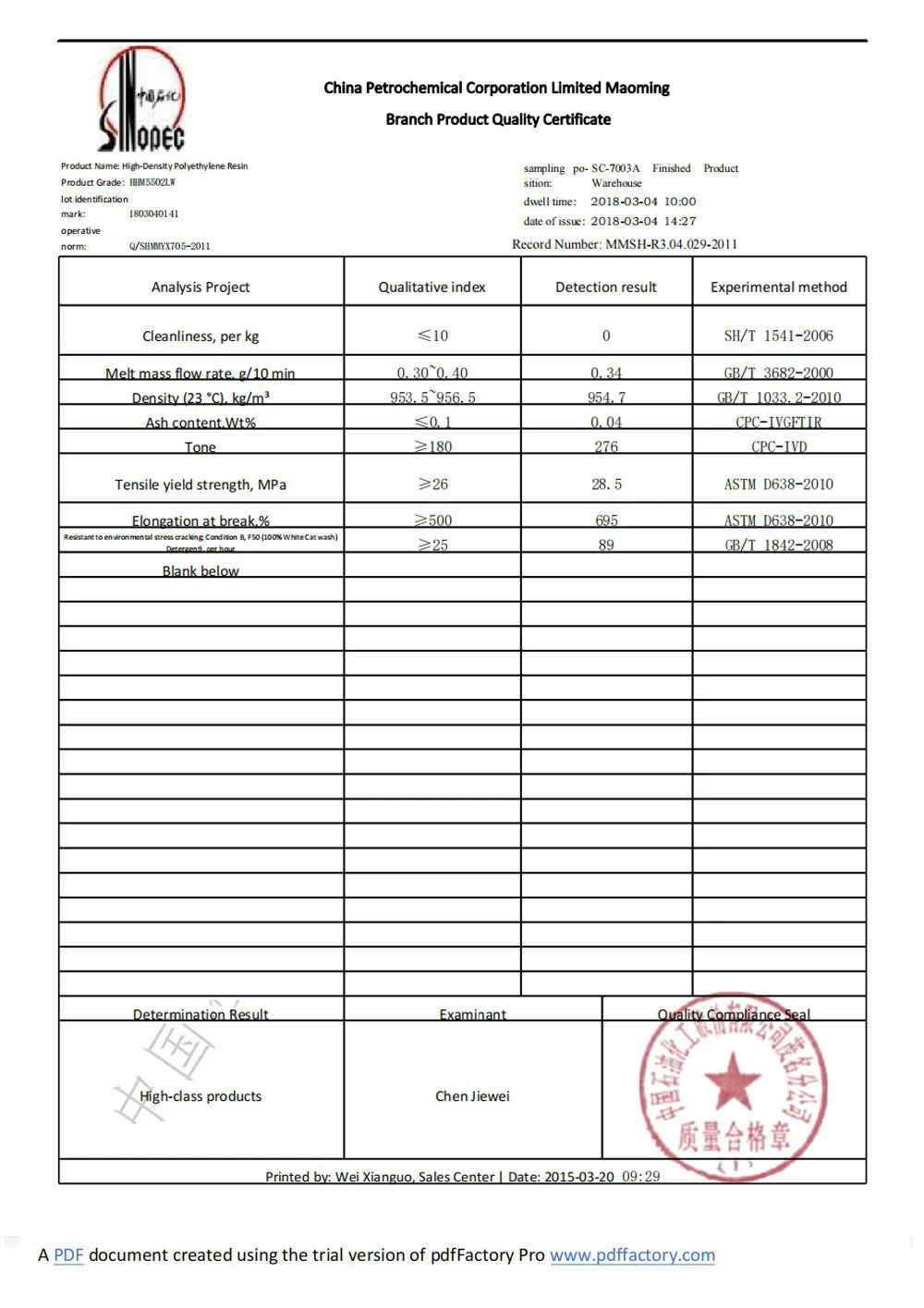
Then there's the supply chain. We don't just grab HDPE resin from the nearest supplier—we source it from vendors who provide certificates of analysis (CoA) for every batch, proving it meets medical-grade standards. Before any resin hits the production line, our lab tests it for purity, strength, and chemical resistance. If a batch doesn't pass? It gets rejected. No exceptions. And it's not just the raw materials: every component, from the lids to the labels, goes through the same scrutiny. We once had a shipment of child-resistant caps that didn't seal as tightly as they should have during testing—we sent them back, delayed production by two days, and found a new supplier. Was it inconvenient? Sure. But compromising on a lid that might let moisture in? That's a risk we'll never take.
ISO 9001 certification is another layer of reassurance here. It's not just about following rules—it's about having a system in place to track, measure, and improve every step of the process. Want to know where a specific batch of bottles was made, who inspected it, or what raw materials were used? We can pull up that data in minutes, thanks to our traceability system. For clients running clinical trials, that kind of transparency is non-negotiable—regulators might ask for it, and you need to be able to provide it without hesitation.
And let's not forget the human element. Our production team isn't just trained to operate machines—they're trained to spot defects. A bottle with a tiny crack in the neck, a lid that doesn't align perfectly, a label with a misprint—these are things our QA inspectors catch before any bottle leaves the factory. We do random (random sampling) on every batch, and if even one bottle fails, we check the entire lot. It's painstaking, but it's how we ensure that when you open a box of our sample bottles, every single one is ready to protect your product.
At the end of the day, GMP compliance and ISO certification aren't just badges—they're promises. They say, "We care about your product's safety as much as you do." And when you're asking someone to trust your sample with their health, that promise is worth more than any fancy label or custom design.
Small pill bottles for samples come in all shapes and sizes, and the key is finding the one that fits your product like a glove. Maybe you're packaging tiny tablets that need a 5ml bottle, or larger capsules that require 15ml of space. To help you get a sense of what's possible, here's a breakdown of common specs and how different brands use them in real life:
| Capacity | Common Uses | Popular Features | Material Grade |
|---|---|---|---|
| 5ml | Single-dose pills, micro-tablets, clinical trial samples | Clear/amber color, snap-on lid, tamper-evident seal | Medical-grade HDPE |
| 10ml | Supplement samples, vitamin trials, travel-sized pills | Embossed logo, child-resistant cap, QR code label | Medical-grade HDPE |
| 15ml | Herbal remedies, OTC medication samples, | Frosted finish, flip-top lid, custom color matching | Medical-grade HDPE |
| 20ml | Multi-dose samples, liquid supplements, veterinary meds | Measured dosing marks, leak-proof lid, UV-protected amber color | Medical-grade HDPE |
Let's take a closer look at how these specs translate to real-world use cases. Take a 5ml bottle, for example—we once supplied these to a biotech company running Phase II clinical trials for a new heart medication. Each bottle held exactly one dose, with a tamper-evident seal and a label that included the patient ID, dosage instructions, and a barcode for tracking. The small size made it easy for patients to carry in their pockets, and the clear HDPE let them see the pill inside (a small detail that helped build trust, as they could confirm they were taking the right medication).
For 10ml bottles, a natural supplement brand came to us needing samples for a trade show. They wanted something that stood out on the booth table, so we went with a frosted HDPE finish (which gave it a premium, "natural" look) and embossed their leaf logo on the side. They paired it with a small info card explaining the supplement's benefits, and the bottles became a hit—attendees kept them as keepsakes, long after the show ended. That's the power of packaging that's both functional and memorable.
15ml bottles are a favorite for OTC medication samples, like pain relievers or allergy pills. A pharmacy chain we work with uses them for "trial packs"—customers can buy a small bottle of 10 pills to see if the medication works for them before committing to a full-size bottle. The child-resistant caps are a must here (to comply with safety regulations), and the bottles are printed with the pharmacy's logo and a "satisfaction guaranteed" message, turning a simple sample into a marketing tool.
And 20ml bottles? They're perfect for liquid supplements, like cod liver oil or CBD tinctures, where you need a bit more space and a lid that won't leak. One client added measured dosing marks (0.5ml, 1ml) to the side of the bottle, making it easy for users to measure the right amount—no need for a separate dropper. It's a small convenience, but it turned their sample into a user-friendly experience that customers raved about.
The bottom line? There's no "one-size-fits-all" small pill bottle, and that's a good thing. The best samples are tailored to your product, your audience, and your goals—and with the right manufacturer, you can create a bottle that checks all those boxes.
By now, you know HDPE is the material to beat, custom solutions can make your samples shine, and GMP compliance is non-negotiable. But with so many manufacturers out there, why choose us? Let me break it down into three simple reasons: we speak your language, we prioritize your peace of mind, and we're in it for the long haul.
First, we speak your language. We don't just throw around terms like "mold design" or "ISO certification"—we translate them into what matters to you. Need to know if a 10ml bottle can fit 12 pills instead of 10? We'll test it with your actual pills (just send us a sample!). Wondering how long it'll take to get a custom design from sketch to production? We'll walk you through a timeline, with check-ins at every step so you're never left guessing. We've worked with enough startups and established brands to know that "I need this yesterday" is sometimes a reality—and we'll do our best to meet tight deadlines without cutting corners. One client needed 1,000 custom bottles for a last-minute conference; we expedited the mold test, adjusted our production schedule, and had them ready in 10 days. Was it a stretch? Maybe. But seeing their team light up when they held the bottles? That's why we do this.
Second, we prioritize your peace of mind. When you work with us, you're not just ordering bottles—you're getting a partner who's invested in your success. That means if a batch doesn't meet your specs, we'll fix it, no questions asked. If you're unsure about a design, we'll provide prototypes until you're happy. And if a regulatory question comes up (like "Does this lid meet FDA standards for child resistance?"), we'll dig up the documentation and walk you through it. We once had a client who was nervous about exporting their samples to Europe—we provided all the CE certification paperwork, helped them navigate labeling requirements, and even connected them with a logistics partner we trust. Your success is our success, and that means taking the stress out of packaging so you can focus on what you do best: making great products.
And finally, we're in it for the long haul. We don't see you as a one-time order—we see you as a partner who might need 500 sample bottles today, 5,000 next month, and 50,000 when your product hits the shelves. That's why we invest in relationships: we remember your brand colors, we know your preferred lid type, and we'll even remind you when it's time to reorder so you don't run out of samples. One of our first clients, a small vitamin company, started with 300 sample bottles in 2018—today, they're ordering 10,000 a quarter, and we've grown with them, adding new bottle sizes and designs as their product line expanded. That's the kind of partnership we build: not just selling you bottles, but growing with you.
At the end of the day, choosing a small pill bottle manufacturer is about trust. Trust that they'll deliver on time, trust that the bottles will protect your product, and trust that they care as much about your brand as you do. And when it comes to trust? We've built our business on it—one bottle at a time.
Small pill bottles for samples might be small in size, but they're huge in impact. They're not just containers—they're messengers, telling the world that your product is safe, your brand is professional, and you care about the details. And when it comes to choosing the right one, the answer is clear: medical-grade HDPE, custom solutions that reflect your brand, and a manufacturer that lives and breathes GMP compliance and quality.
So whether you're gearing up for a clinical trial, prepping samples for a trade show, or launching a new product line, remember: the bottle you choose says as much about your product as the product itself. Don't let packaging be an afterthought. Invest in something that makes people think, "Wow, if they care this much about the sample, imagine how they care about the real thing."
And if you're ready to take that step? We're here. From the first sketch of your custom design to the moment your samples arrive at your door, we'll be right there with you—because great packaging isn't just about the bottle. It's about the partnership.