Every day, in labs around the world, researchers are working to unlock the secrets of life—studying cell behaviors, developing new vaccines, or preserving rare genetic materials. But here's the thing: none of that groundbreaking work matters if the samples they collect can't be trusted to stay intact over time. Imagine spending months growing a line of stem cells, only to find that when you pull them out of the freezer six months later, the container leaked, and all that hard work is ruined. That's where the right cryogenic tube comes in. It's not just a plastic tube—it's a time capsule for science, a silent guardian that stands between a researcher's effort and potential disaster.
As someone who's worked closely with lab teams for years, I've heard the stories. The graduate student who cried when her thesis samples were compromised by a leaky tube. The research lab that had to delay a clinical trial because their cryogenic storage containers couldn't handle the extreme cold of liquid nitrogen. These aren't just technical problems—they're emotional ones, too. That's why we take the job of making sterile
cryogenic tubes so seriously. We know that behind every tube is a scientist's hope, a project's future, and maybe even a breakthrough waiting to happen.
What Makes a Cryogenic Tube Worth Trusting?
Let's start with the basics. When you're storing samples at -196°C—the temperature of liquid nitrogen—ordinary plastic just won't cut it. The material has to be tough enough to handle extreme cold without becoming brittle, flexible enough to withstand repeated freeze-thaw cycles, and pure enough to not leach chemicals into your precious samples. Then there's the issue of sterility. Even a tiny speck of dust or a single bacteria can contaminate a sample, making months of research useless. And let's not forget about leaks. In a liquid nitrogen tank, a loose cap or a poorly sealed tube can let nitrogen seep in, causing the sample to expand and crack the container—or worse, explode when thawed.
So, what do researchers really need from a cryogenic tube? From talking to hundreds of lab managers and technicians, I've narrowed it down to three non-negotiables:
uncompromising sterility
,
bulletproof leak resistance
, and
long-term durability in extreme cold
. If a tube fails any of these, it's not just a product failure—it's a trust failure. And in science, trust is everything.
Our Cryogenic Tubes: Built for the Toughest Jobs
Let's dive into the details of what makes our
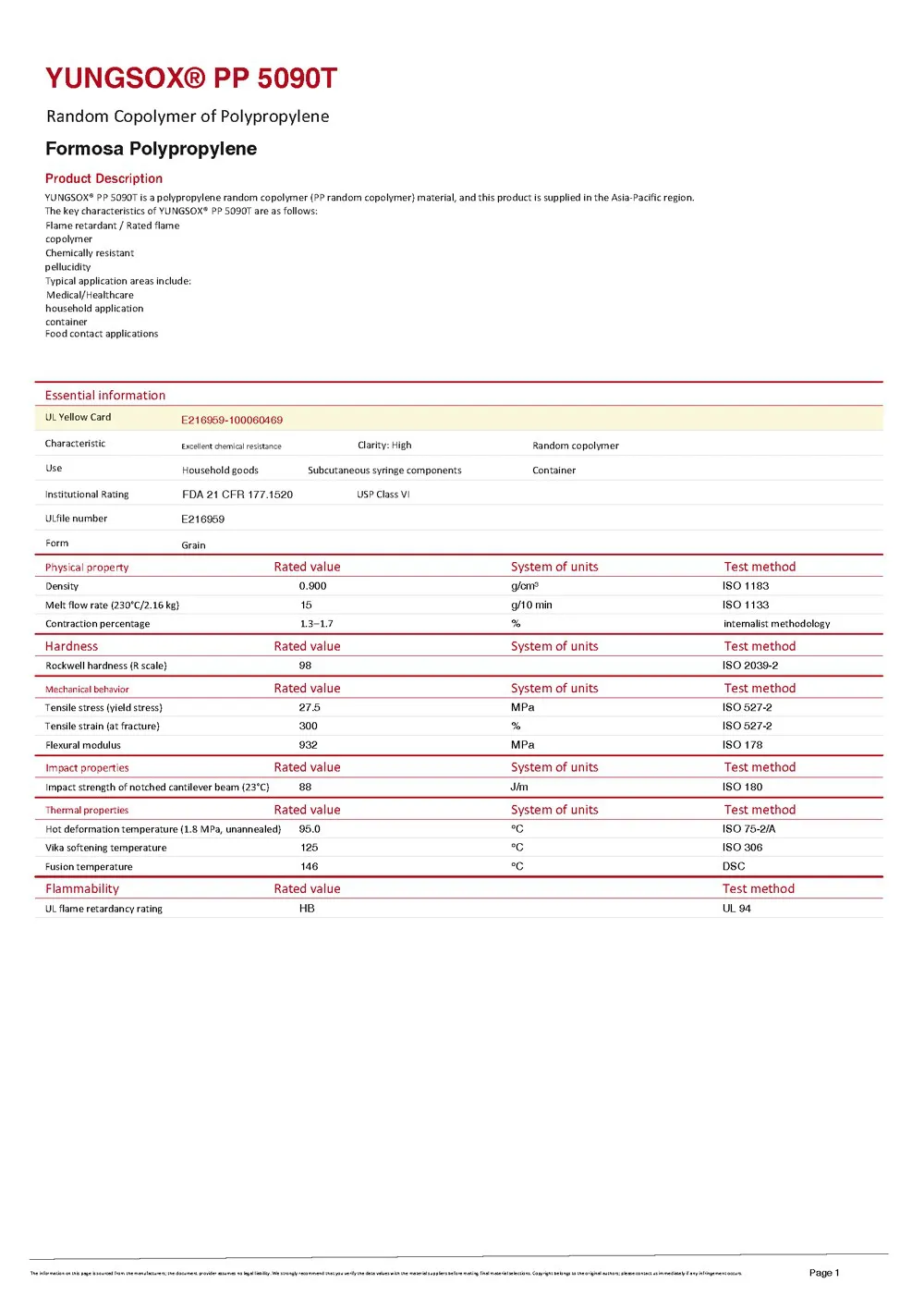
cryogenic tubes different. We start with the material: medical-grade polypropylene (PP). Why PP? Because it's one of the few plastics that remains stable at -196°C, doesn't become brittle after multiple freeze-thaw cycles, and is naturally resistant to chemicals—so you don't have to worry about it interacting with your samples. But we don't stop there. We use only high-purity PP, free from plasticizers or additives that could leach into samples over time. It's the same material used in medical devices and pharmaceutical packaging, so you know it's safe for even the most sensitive cells or reagents.
Now, let's talk about the design—specifically, the features that prevent leaks. Ever noticed how some tubes have a tendency to pop open when you take them out of liquid nitrogen? That's usually because of pressure buildup or a poor seal. Our tubes have a double-threaded design, which creates a tighter, more secure seal than standard single-threaded caps. But the real hero here is the silicone gasket inside the cap. We use high-quality, medical-grade silicone that stays flexible even at ultra-low temperatures. Unlike rubber gaskets, which can harden and crack over time, our silicone gaskets maintain their seal through hundreds of freeze-thaw cycles. I've seen labs run tests where they shook our tubes in liquid nitrogen for hours, then thawed them—and not a single drop leaked out. That's the kind of reliability researchers need when their work is on the line.
Another small but crucial detail: the inner surface of the tube. We use a special molding process to create a smooth, uniform interior with no rough edges or crevices where samples can get trapped. If you've ever tried to pipette a small volume from a tube with uneven walls, you know how frustrating it is to lose even a microliter of sample. Our tubes are designed to let you recover every last drop, so you can trust that your data is accurate and your samples are fully utilized.
Fun fact:
We once had a customer who was storing rare bacteria samples collected from deep-sea vents. These samples took three years to gather, and they needed tubes that could handle not just the cold, but also the high salt content of the samples. We worked with their team to adjust the silicone gasket material and tweak the tube's internal shape to prevent salt crystallization from weakening the seal. Six months later, they sent us a photo of the first successful culture grown from those samples. That's the moment that makes all the late nights worth it.
Custom Solutions: Because Every Sample is Unique
Not all samples are created equal. A lab storing 0.5ml of rare stem cells has different needs than a facility that needs 5ml tubes for large-volume vaccine batches. That's why we don't believe in a one-size-fits-all approach. Our
custom mold design for plastic bottles (and tubes, of course) lets us create exactly what your lab needs—whether it's a specific volume, a unique cap design, or even special markings for easy tracking.
Let's say you need a tube with a wider mouth for easier pipetting, or a longer label area for barcoding. Maybe you're working with radioactive samples and need a lead-lined cap (okay, that's extreme—but we've done it!). Our in-house mold design team can turn your 3D into a functional prototype in as little as two weeks, and we even offer free mold testing to make sure the design works before you commit to a full order. We've worked with labs to create tubes with graduated markings for precise volume measurements, tubes with writing areas that won't fade in liquid nitrogen, and even tubes with color-coded caps to help researchers quickly identify sample types.
One of our most popular custom options is the "cryo-safe" writing surface. Traditional tubes often have labels that smudge or peel off when submerged in liquid nitrogen, making it impossible to track samples. We developed a special coating that lets you write directly on the tube with a permanent marker, and the ink stays put—even after years in storage. A research hospital in Germany told us this simple feature cut their sample tracking errors by 70%. Small change, big impact.
Quality That Meets the Strictest Standards
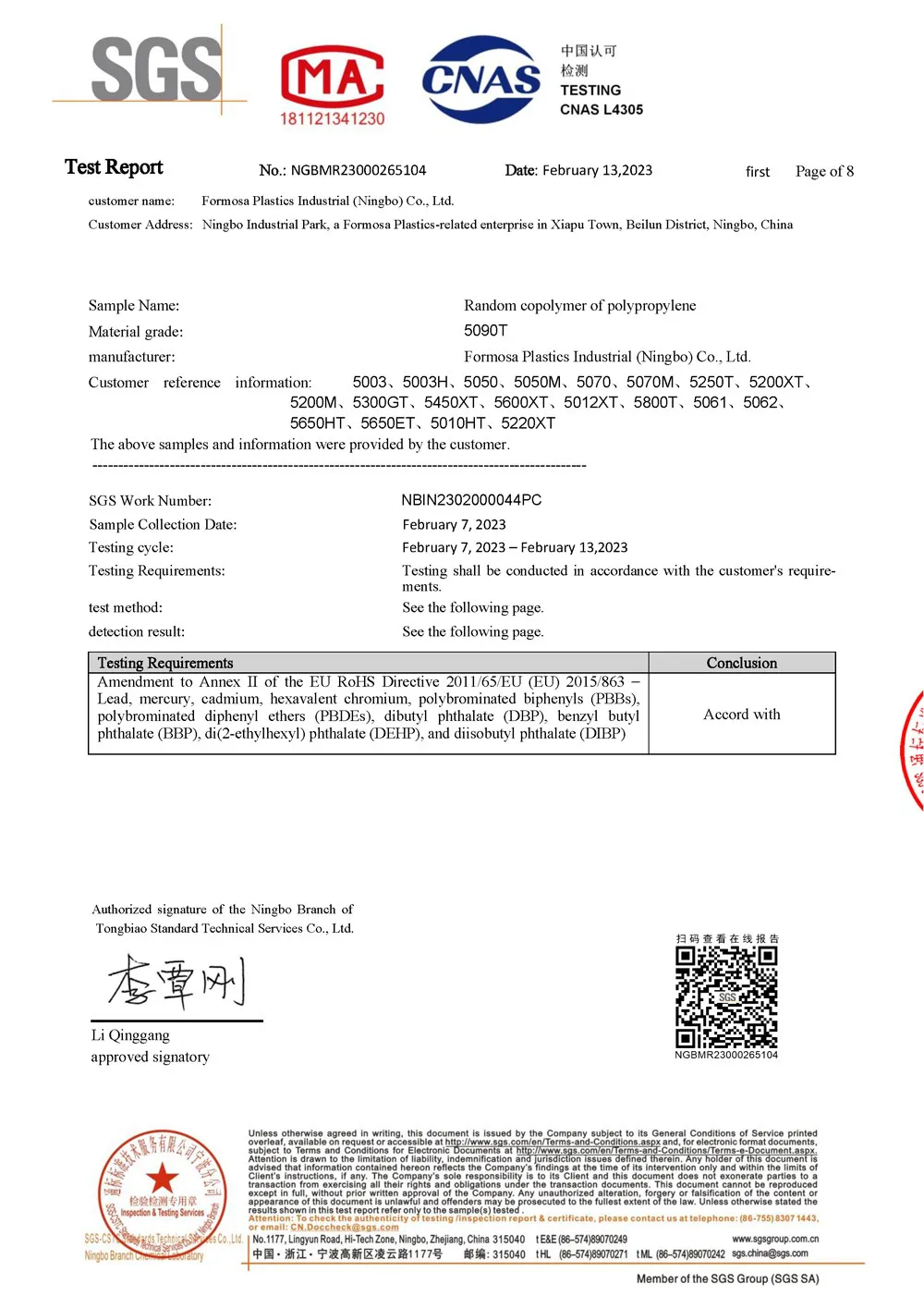
When you're dealing with biological samples, "good enough" isn't good enough. That's why we've built our entire production process around two things: sterility and consistency. As an ISO 9001 certified packaging factory, we follow strict quality control procedures at every step—from raw material testing to final packaging. But what really sets us apart is our
dust-free GMP compliant workshop. For those who don't know, GMP (Good Manufacturing Practice) is the gold standard for pharmaceutical and medical device production, requiring rigorous cleanliness, documentation, and process control.
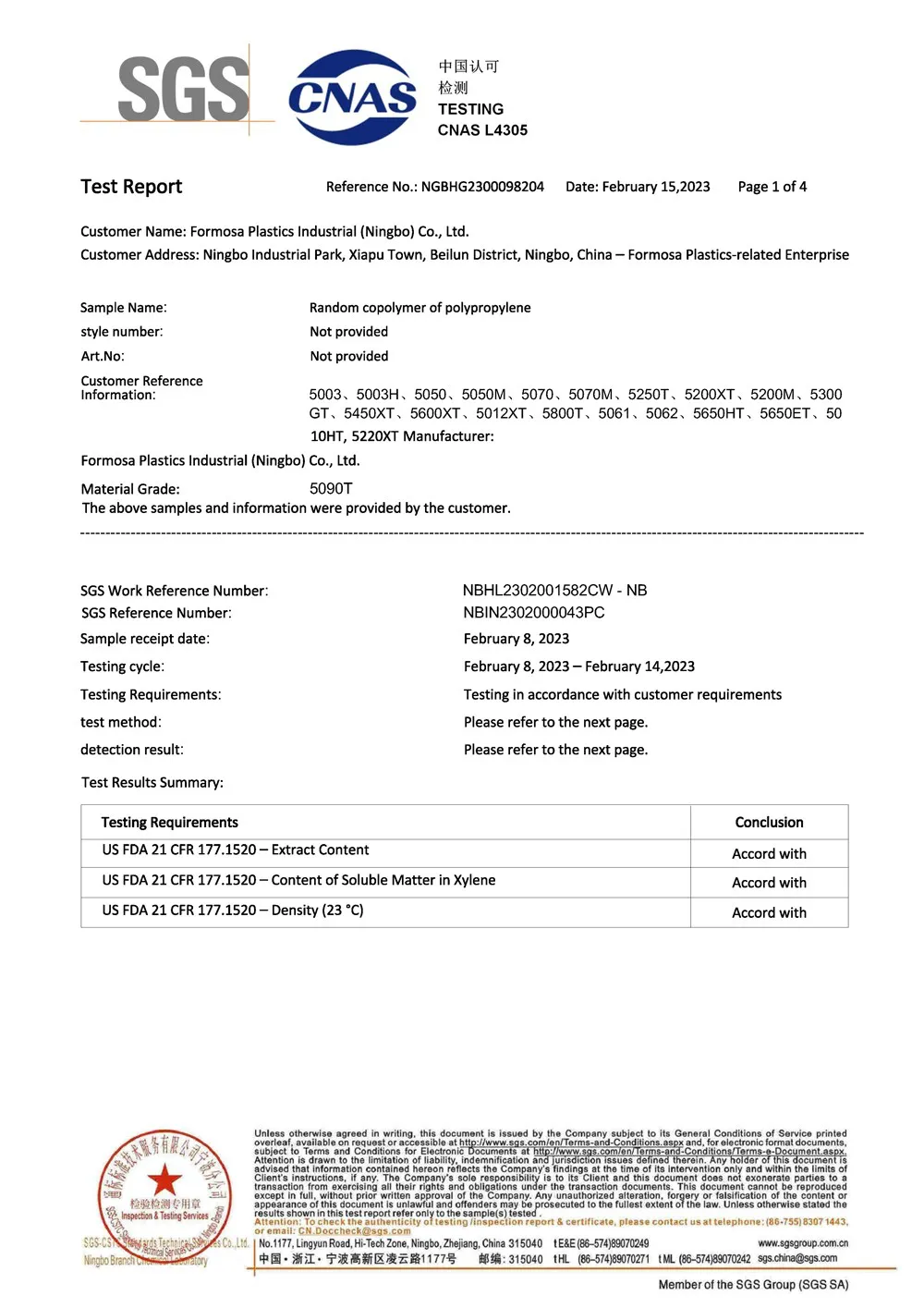
Let me take you on a virtual tour of our workshop. First, all incoming raw materials—like our medical-grade PP resin—are tested for purity and consistency. Then, they're fed into molding machines in a Class 8 cleanroom, where the air is filtered to remove 99.9% of particles larger than 0.5 microns. Our operators wear full cleanroom suits, hairnets, and gloves, and every machine is sanitized daily. After molding, the tubes go through a multi-step sterilization process—either EO (ethylene oxide) gas or gamma radiation, depending on the customer's needs. We test every batch for sterility using bacterial endotoxin testing (BET) and sterility assurance level (SAL) testing to ensure less than 1 in a million chance of contamination.
But don't just take our word for it. We regularly invite customers to audit our facilities, and we're proud to say that 95% of them tell us our quality control is stricter than their own lab's. One university researcher even joked that our cleanroom was "cleaner than their operating theater!" That level of rigor might seem excessive, but when you're storing samples that could one day lead to a cure for a disease, excessive is exactly what you want.
Specifications That Matter: Our Standard Cryogenic Tubes
While we love creating custom solutions, we also offer a range of standard
cryogenic tubes that meet the most common lab needs. Here's a quick breakdown of our most popular options:
|
Capacity
|
Material
|
Sterilization Method
|
Seal Type
|
Temperature Range
|
|
0.5ml
|
Medical-grade PP
|
Gamma (SAL 10⁻⁶)
|
Silicone gasket + double thread
|
-196°C to 121°C
|
|
1.8ml
|
Medical-grade PP
|
EO gas or Gamma
|
Silicone gasket + double thread
|
-196°C to 121°C
|
|
2ml
|
Medical-grade PP
|
EO gas or Gamma
|
Silicone gasket + double thread
|
-196°C to 121°C
|
|
5ml
|
Medical-grade PP
|
EO gas
|
Silicone gasket + triple thread
|
-196°C to 100°C
|
Each of these tubes is designed with the same attention to detail: rounded bottoms for easy sample retrieval, clear walls for visual inspection, and caps that fit securely without requiring excessive force to open (because no one wants to struggle with a frozen cap at 2 AM).
Where Our Tubes Go: Real-World Impact
It's one thing to talk about specs and features, but it's another to see where our tubes end up. Let me share a few stories that make us proud:
A stem cell bank in California:
They store umbilical cord blood samples for families, and each sample represents a potential lifeline for a child with a blood disorder. They switched to our tubes after a competitor's tube leaked, contaminating 12 samples. Now, they've been using our 2ml
cryogenic tubes for five years with zero leaks. "We sleep better at night knowing those samples are safe," their lab director told us.
A vaccine research lab in India:
During the COVID-19 pandemic, they needed to store vaccine candidates at ultra-low temperatures. Our 5ml tubes with custom barcoded labels helped them track thousands of samples efficiently, and the leak-proof design meant they could transport samples safely between facilities. "Your tubes were part of our COVID vaccine success story," their lead researcher said.
A wildlife conservation group in Africa:
They're preserving genetic material from endangered species, hoping to one day use cloning technology to bring back populations. Their samples are collected in remote areas, so they need tubes that can withstand rough handling and extreme temperature changes. Our rugged 1.8ml tubes with impact-resistant caps have been their go-to for eight years. "These tubes have survived jeep rides through the savanna and long flights—they're tougher than our field researchers!" they joked.
So, with so many options out there, why should you trust us with your samples? Let's be honest—there are other manufacturers, some cheaper, some with flashier marketing. But here's what sets us apart: we're not just selling tubes; we're building partnerships. We've been in the plastic packaging business for over 15 years, and in that time, we've learned that the best relationships are built on more than just products. They're built on reliability, communication, and a genuine desire to help our customers succeed.
When you work with us, you get a dedicated account manager who knows your lab's needs inside out. Need a rush order because your grant deadline is next week? We'll prioritize it. Confused about which sterilization method is best for your samples? Our technical team will walk you through the pros and cons. Have a crazy custom idea? We'll never say "that's impossible"—we'll say "let's figure it out." We've even been known to stay on the phone with a panicked researcher at 3 AM, walking them through a sample retrieval process to make sure their tubes worked properly. That's the kind of service you can't put a price on.
And let's talk about value. Yes, our tubes might cost a little more than the cheapest options on the market—but when you consider the cost of a single contaminated sample (months of work, thousands of dollars in reagents, missed deadlines), the investment is worth it. One lab calculated that switching to our tubes saved them over $50,000 in avoided sample losses in just one year. That's not just a purchase—that's an insurance policy for your research.
Join Us in Protecting the Future of Science
At the end of the day, we believe that science is about hope. Hope that today's samples will lead to tomorrow's cures, that this experiment will be the one that changes everything. Our job is to protect that hope, one cryogenic tube at a time. We don't just make plastic containers—we make tools that let researchers dream bigger, work harder, and trust that their efforts will stand the test of time.
So, if you're tired of worrying about sample leaks, if you've had enough of generic tubes that don't meet your lab's needs, or if you just want a partner who cares as much about your research as you do, let's talk. We'll help you find the perfect cryogenic tube for your samples, walk you through our quality process, and even send you a free sample to test in your lab. Because at the end of the day, we're not just a
cryogenic tubes manufacturer—we're your lab's silent partner in science. And together, we're going to do great things.