Email: info@mggpacking.com | Tel: +86-13510174848 ( Mr. Yao)


In the world of scientific research, every detail matters. From the precision of your experiments to the reliability of your tools, the smallest component can make or break months—even years—of hard work. When it comes to preserving sensitive biological samples, one tool stands out as a silent guardian: the cryogenic tube. These unassuming plastic containers are the last line of defense between your valuable samples and the harsh conditions of liquid nitrogen storage. But not all cryogenic tubes are created equal. Today, we're diving deep into what makes a truly reliable sterile plastic cryogenic tube, why medical-grade materials are non-negotiable, and how choosing the right manufacturer can transform your lab's sample storage workflow.
Let's start with the basics: not all plastic is suitable for storing biological samples at -196°C. Imagine filling a regular plastic bottle with liquid nitrogen—chances are, it would crack, leak, or worse, contaminate your sample. That's where medical-grade plastics come in. These aren't your average household plastics; they're engineered to withstand extreme conditions while maintaining the integrity of what's inside.
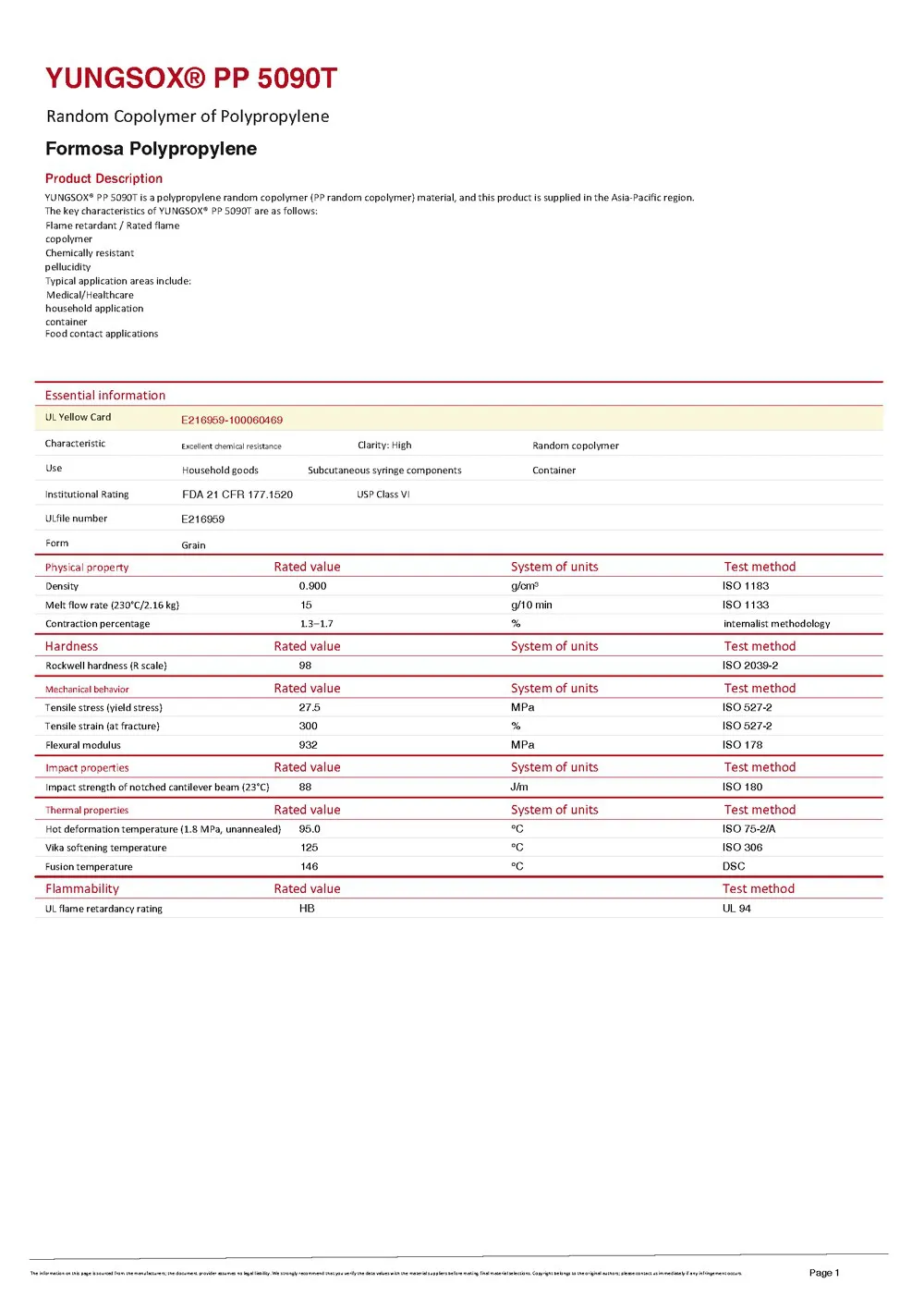
The most common material used in high-quality cryogenic tubes is polypropylene (PP). Why PP? For starters, it's incredibly resistant to low temperatures. Unlike some plastics that become brittle when frozen, PP retains its flexibility and strength even at liquid nitrogen temperatures, reducing the risk of cracks during storage or transport. But that's just the beginning. Medical-grade PP is also non-reactive, meaning it won't leach harmful chemicals into your samples. When you're storing sensitive cells, vaccines, or DNA, the last thing you need is a chemical interaction altering your results.
Another key material you might encounter is high-density polyethylene (HDPE), often used in specialized cryogenic applications. HDPE brings extra durability to the table, making it ideal for long-term storage or samples that require frequent handling. Both PP and HDPE undergo rigorous testing to meet medical-grade standards, ensuring they're free from impurities, pyrogens, and DNase/RNase—all critical factors when working with biological materials.
So, why does this matter for your lab? Think about it: if your cryogenic tube isn't made from medical-grade material, you're gambling with the integrity of your samples. A single leak or chemical leach could invalidate an entire experiment, wasting time, resources, and potentially groundbreaking research. When lives or scientific progress are on the line, cutting corners on storage containers simply isn't an option.
Creating a sterile cryogenic tube isn't just about choosing the right plastic—it's about how that plastic is transformed into a reliable storage solution. This is where certifications like ISO 9001 and GMP compliance become more than just buzzwords; they're a promise of quality at every step.
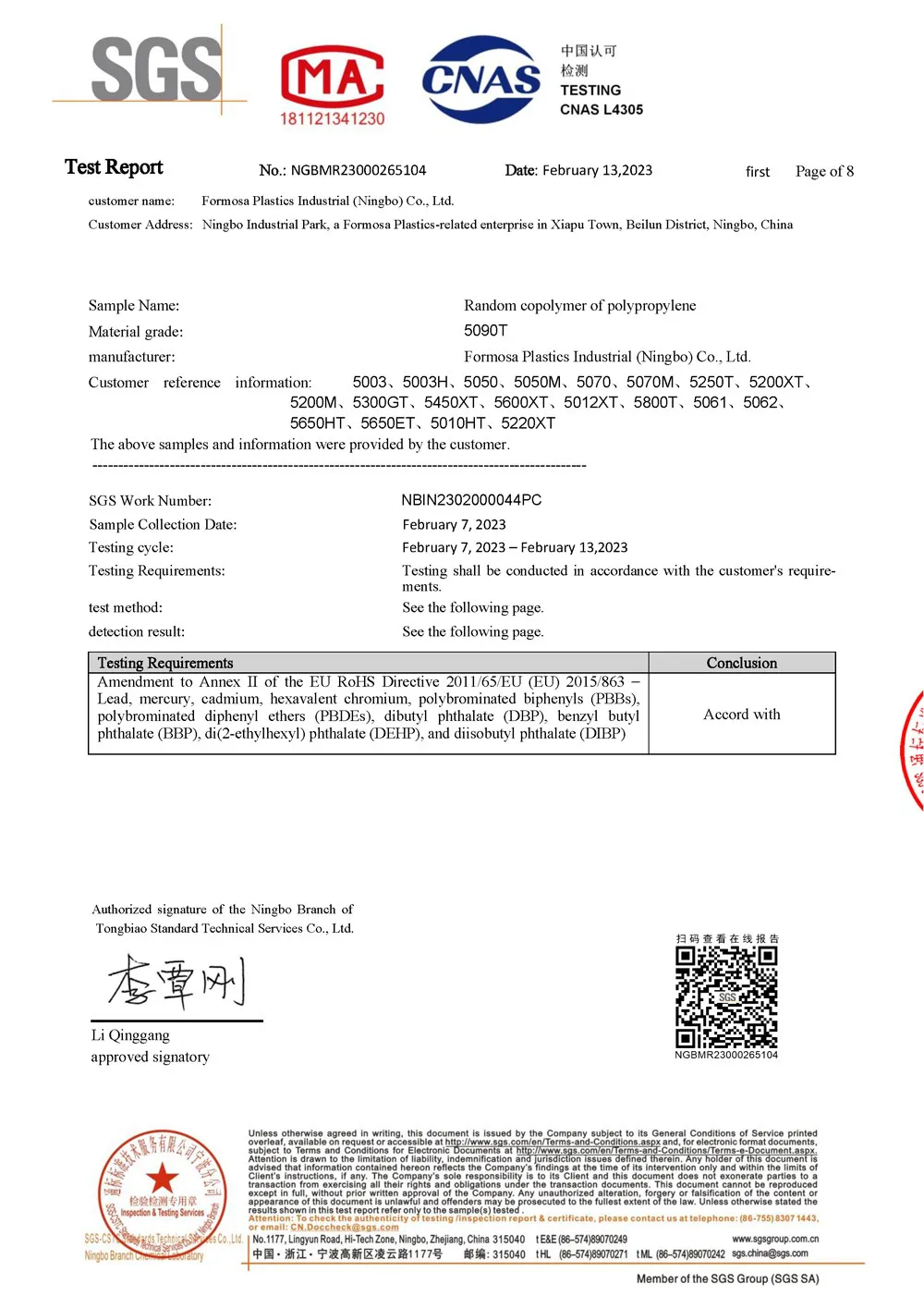
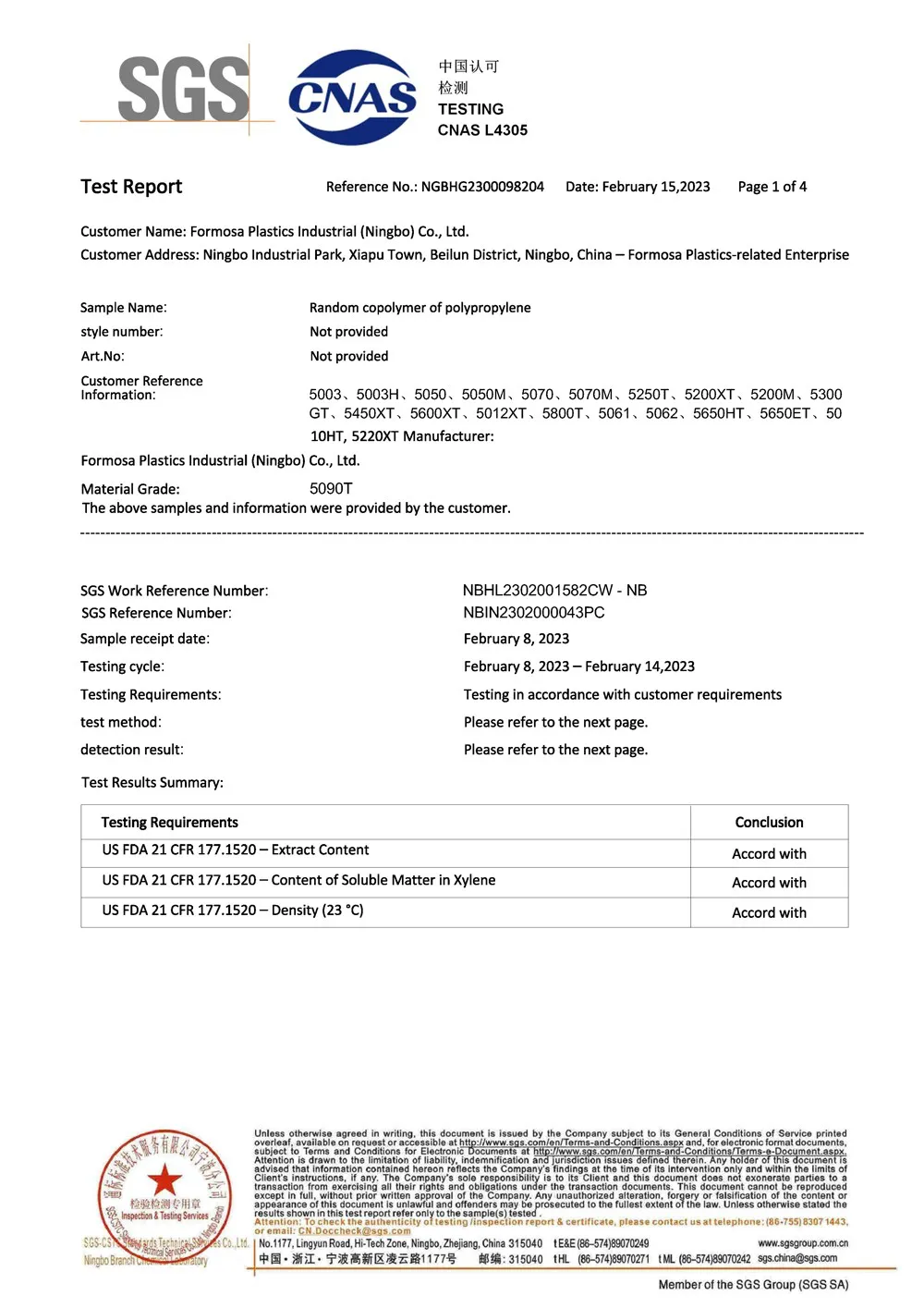
Let's walk through the journey of a typical cryogenic tube, from raw material to your lab bench. It all starts with the selection of medical-grade resin. Reputable manufacturers source only FDA-compliant, virgin PP or HDPE, avoiding recycled materials that could introduce contaminants. Once the resin arrives, it's inspected for purity—no shortcuts here. Even a tiny impurity could compromise the final product.
Next, the resin is melted and molded into tube bodies and caps. This is where custom mold design for plastic bottles (and tubes, in this case) plays a crucial role. Precision mold engineering ensures consistent wall thickness, which is vital for withstanding extreme temperature changes. Uneven walls can lead to weak points, increasing the risk of cracking during freezing or thawing. Many manufacturers, including leading cryogenic tubes manufacturer facilities, offer in-house mold design services, allowing for custom sizes or features tailored to specific research needs.
But the real magic happens in the production environment. To maintain sterility, manufacturing takes place in dust-free GMP compliant workshop spaces. These aren't your average factories—they're controlled environments with HEPA filtration systems, regular air quality monitoring, and strict gowning protocols for workers. Every surface is sanitized, and equipment is disinfected between production runs. This level of control ensures that no dust, bacteria, or other contaminants make their way into the tubes during manufacturing.
After molding, the tubes undergo sterilization. The two most common methods are ethylene oxide (EO) sterilization and gamma irradiation. EO sterilization is effective for heat-sensitive plastics, while gamma irradiation offers a higher level of sterility assurance for critical applications like cell therapy or vaccine storage. Both methods are validated to meet strict sterility standards, with bioburden testing performed on every batch to confirm effectiveness.
Finally, each tube is inspected for defects—cracks, inconsistent sealing surfaces, or. Automated vision systems check for visual flaws, while manual inspections ensure that every cap fits snugly, creating a leak-proof seal. Only after passing all these checks do the tubes get packaged in sterile, sealed bags, ready to protect your samples.
Now that we understand the manufacturing process, let's zoom in on the features that set high-quality cryogenic tubes apart from the rest. When you're shopping for tubes for your lab, keep an eye out for these critical details:
The number one enemy of cryogenic storage is leaks. A poorly sealed tube can lead to sample loss, cross-contamination, or even damage to storage equipment. Look for tubes with silicone gaskets or O-rings in the caps. These soft, flexible materials compress when the cap is tightened, creating a barrier that prevents liquid nitrogen from seeping in or sample from leaking out. Some manufacturers take it a step further with "double-seal" designs, combining a silicone gasket with a threaded closure for extra security.
We've touched on this, but it's worth emphasizing: your cryogenic tubes must withstand -196°C, the temperature of liquid nitrogen. Medical-grade PP and HDPE are designed for this, but not all formulations are created equal. Reputable manufacturers test their tubes by cycling them between room temperature and liquid nitrogen repeatedly, ensuring they don't crack or degrade over time. This is especially important for samples that need to be accessed and refrozen multiple times.
In a busy lab, keeping track of samples is half the battle. Look for tubes with writable surfaces or pre-printed barcode areas. Writable surfaces should be resistant to smudging, even when frozen or handled with gloves. Barcoded tubes can be scanned into lab inventory systems, reducing the risk of human error and making sample retrieval faster. Some manufacturers even offer custom labeling options, like laser-etched numbers or colored caps, for easy visual identification.
Lab needs vary, and your cryogenic tubes should too. Common sizes range from 0.5ml (ideal for small cell pellets) up to 5ml (great for larger samples or bulk storage). Beyond volume, consider bottom design: conical bottoms are perfect for centrifugation, allowing pellets to collect at a single point, while round bottoms offer more stability in storage racks. Thread type is another consideration—internal threads reduce the risk of cross-contamination, as the threads are protected inside the tube, while external threads may be easier to grip with gloved hands.
| Capacity | Thread Type | Bottom Design | Sterilization Method | Material | Sealing Feature |
|---|---|---|---|---|---|
| 0.5ml | Internal | Conical | EO Sterilized | Medical-Grade PP | Silicone Gasket |
| 1.8ml | Internal/External | Conical/Round | Gamma Irradiated | Medical-Grade PP | Double-Seal Gasket |
| 2ml | Internal | Conical | EO Sterilized | Medical-Grade PP | Silicone Gasket |
| 5ml | External | Round | Gamma Irradiated | Medical-Grade HDPE | O-Ring Seal |
For molecular biology research, the absence of DNase and RNase enzymes is critical. These enzymes can degrade nucleic acids, ruining PCR or sequencing experiments. Similarly, pyrogens (fever-causing substances) can interfere with cell culture or animal studies. High-quality cryogenic tubes are tested to ensure they're free from both, giving you peace of mind that your samples won't be compromised by the container itself.
Cryogenic tubes aren't just for storing random samples—they're the backbone of countless research fields. Let's explore some of the most common applications where reliable, sterile cryogenic tubes make all the difference:
Whether you're working with stem cells, cancer cell lines, or primary tissue cultures, long-term storage is essential. Cryogenic tubes protect these delicate samples during freezing, storage, and thawing. The slow-freezing process (often with cryoprotectants like DMSO) helps prevent ice crystal formation, but even with the best protocol, a faulty tube can lead to cell death. Medical-grade tubes ensure that once your cells are frozen, they stay viable for years—ready when you need them for follow-up experiments or clinical applications.
The COVID-19 pandemic highlighted the critical role of cryogenic storage in vaccine development. Many vaccines, especially mRNA-based ones, require ultra-cold storage to maintain stability. Cryogenic tubes are used to store vaccine candidates during development, as well as to transport samples between labs and manufacturing facilities. In this context, sterility and leak resistance aren't just important—they're life-saving. A contaminated vaccine sample could derail trials, while a leak during transport could expose handlers to hazardous materials.
Biobanks store thousands of biological samples, from blood and saliva to DNA and RNA extracts, for future genetic research. These samples are often irreplaceable, representing decades of collection efforts. Cryogenic tubes with secure sealing and clear identification are essential here. Barcoded tubes make it easy to track samples in large-scale databases, while durable materials ensure samples remain intact for decades—even centuries, in some cases. For studies involving rare genetic disorders or endangered species, the right cryogenic tube can preserve genetic information for generations to come.
In fertility clinics, cryogenic tubes are used to store sperm, eggs, and embryos. These samples are incredibly precious, often representing a couple's only chance at biological children. The stakes here couldn't be higher—any failure in storage could mean the loss of a potential pregnancy. That's why clinics rely on medical-grade, sterile tubes with proven track records. Features like soft-seal gaskets and temperature resistance ensure that even after years of storage, the samples remain viable for in vitro fertilization.
It's not just human research that benefits from quality cryogenic tubes. Veterinarians use them to store animal cell lines for disease research, while agricultural scientists preserve plant seeds or tissue cultures for crop improvement. In livestock breeding, cryopreserved semen or embryos are transported worldwide, requiring tubes that can withstand rough handling and temperature fluctuations. For farmers and researchers working to develop drought-resistant crops or disease-free livestock, reliable storage is key to progress.
With so many options on the market, why invest in tubes from a reputable, certified manufacturer? Let's break down the benefits that set industry leaders apart from generic suppliers:
Certifications like ISO 9001 aren't easy to obtain. They require strict adherence to quality management systems, from raw material sourcing to final inspection. ISO 9001 certified packaging factory facilities undergo regular audits to ensure processes are consistent and effective. This means every batch of cryogenic tubes meets the same high standards, reducing variability and the risk of unexpected failures. Generic manufacturers, on the other hand, may cut corners to lower costs—using lower-grade plastics, skipping sterilization steps, or neglecting quality checks.
Not all labs have the same requirements. Maybe you need a custom tube size for a specialized centrifuge, or a unique cap design to fit your automated storage system. Leading manufacturers offer custom mold design for plastic bottles (and tubes), working with your team to create a solution that fits your workflow. This might include 3D modeling, prototype testing, and even small-batch production runs to ensure the design works before scaling up. Generic suppliers rarely offer this level of flexibility, leaving you to adapt your research to their one-size-fits-all products.
Ever had a question about the best sterilization method for your samples? Or wondered if a particular tube is compatible with your storage tank? Reputable manufacturers employ technical experts who can guide you to the right product. They understand the nuances of different research applications and can recommend tube features (like material type or sealing method) that align with your specific needs. Some even offer free sample testing, letting you validate performance in your own lab before committing to a large order.
Lab work can't wait for backordered supplies. Established manufacturers with global reach maintain large inventories and multiple production lines, ensuring they can meet demand even during peak seasons. They also have contingency plans for disruptions, like raw material shortages or shipping delays, minimizing the risk of stockouts. This reliability is invaluable when you're on a tight research timeline or need to restock critical supplies quickly.
In today's research landscape, sustainability matters. Many leading cryogenic tubes manufacturer facilities are investing in eco-friendly practices, from using energy-efficient production equipment to offering recyclable packaging. Some even develop sustainable plastic formulations, reducing the environmental impact without compromising performance. By choosing a manufacturer with a sustainability focus, you're not just protecting your samples—you're contributing to a greener future for science.
Even with all this information, you might still have questions. Let's address some of the most common ones we hear from researchers:
A: Look for manufacturers who provide sterility certificates with each batch. These certificates should include details like sterilization method, batch number, and bioburden test results (which measure the number of viable microorganisms post-sterilization). Reputable manufacturers will also be happy to share their sterilization validation protocols, proving that their methods consistently achieve a sterility assurance level (SAL) of 10^-6 or better—that's less than a one-in-a-million chance of a non-sterile unit.
A: While some tubes are labeled as "reusable," it's generally not recommended for critical applications. Repeated sterilization can degrade the plastic, weakening the seal or introducing microcracks. Additionally, even with thorough cleaning, it's difficult to remove all traces of previous samples, increasing the risk of cross-contamination. For most lab work, single-use, pre-sterilized tubes are the safest choice.
A: EO (ethylene oxide) sterilization uses a gas to kill microorganisms. It's effective for heat-sensitive plastics and can penetrate complex shapes, but it requires aeration time to remove residual gas. Gamma sterilization uses high-energy gamma rays to destroy DNA, offering a higher SAL and no residual chemicals. However, it can cause slight discoloration in some plastics and may not be suitable for tubes with certain additives. The best choice depends on your application—gamma is often preferred for cell therapy or vaccine storage, while EO works well for general lab use.
A: Always follow the manufacturer's recommendations, but a few general tips apply: Store tubes upright in racks to prevent tipping and leaks. Avoid overfilling—leave space at the top to allow for liquid expansion during freezing. If using liquid nitrogen vapor phase storage, ensure tubes are sealed tightly to prevent nitrogen from entering and diluting samples. For long-term storage, consider dual containment (placing tubes in a sealed box or bag within the storage tank) as an extra precaution against leaks.
A: Yes. In the U.S., the FDA classifies cryogenic storage containers as medical devices, requiring manufacturers to meet strict safety and performance standards. For clinical trials involving human samples, tubes must be labeled with lot numbers, expiration dates, and sterility information. Additionally, facilities using cryogenic storage must comply with OSHA guidelines for handling liquid nitrogen and hazardous materials. Always check with your institution's regulatory affairs team to ensure compliance with local and international standards.
At the end of the day, cryogenic tubes are more than just plastic containers—they're guardians of scientific progress. Every breakthrough, every discovery, every life-saving treatment starts with a sample that was preserved with care. Choosing the right tube isn't just a purchase decision; it's an investment in the integrity of your research.
When evaluating options, remember to prioritize medical-grade materials, proven sterility, and a manufacturer with the certifications and expertise to back their products. Look for ISO 9001 certified packaging factory credentials, dust-free GMP compliant workshop facilities, and a commitment to quality control at every step. And don't underestimate the value of customization—if your lab has unique needs, a manufacturer that offers custom mold design for plastic bottles (and tubes) can help you create a solution that fits perfectly.
Your research matters. Your samples matter. Give them the protection they deserve with lab-grade cryogenic tubes designed to perform when it counts most. After all, the next big discovery might be sitting in a tube in your freezer right now—make sure it's ready when you are.