Email: info@mggpacking.com | Tel: +86-13510174848 ( Mr. Yao)


Let's talk about something that's been bugging the beauty world for years: packaging waste. Think about it—every time you finish a tube of lipstick, that shiny little container probably ends up in the trash, right? And you're not alone. Studies say the average person tosses 6-8 lipstick tubes a year, and most of those aren't recyclable. But here's the good news: the tide is turning. Brands and manufacturers are finally waking up to the fact that "looking good" shouldn't mean "harming the planet." Enter the game-changer: sustainable refillable lipstick tubes. And the secret weapon making them easier to design, test, and bring to life? 3D printed mold prototypes. Let's dive in.
First, let's get real about the (current situation) of lipstick packaging. Traditional lipstick tubes are basically one-and-done. You buy the tube, use up the product, and then the whole thing—cap, base, mechanism—goes in the bin. Most are made from a mix of plastics, metals, and sometimes even glass, which sounds good until you realize those materials don't play nice together in recycling facilities. Sorting machines can't separate them, so they end up in landfills or incinerators.
And it's not just the waste. The production process itself is resource-heavy. Making a single lipstick tube involves mining raw materials, melting plastics, and assembling multiple parts—all of which guzzle energy and release carbon. With consumers getting savvier (73% of beauty buyers now check for eco-friendly packaging, according to a 2024 survey), brands are scrambling to find solutions. But here's the catch: sustainability can't mean sacrificing style or functionality. No one wants a clunky, ugly lipstick tube just because it's "green."
So, what's the answer? Refillable lipstick tubes. The concept is simple: a durable, reusable outer case (the part you see and hold) paired with replaceable inner cartridges (the part that holds the lipstick itself). When you run out, you just pop in a new cartridge instead of throwing away the whole tube. It's like a fancy pen—you don't toss the pen when the ink runs out; you buy a new ink cartridge.
But designing a good refillable tube isn't as easy as it sounds. The mechanism has to be smooth (no one wants to struggle with replacing a cartridge), the case has to be sturdy enough to last for years, and the whole thing still needs to look luxurious. That's where (innovative design) comes in. Let's break down the key features that make a refillable lipstick tube work:
The best part? The environmental impact. A single refillable case paired with 5 cartridges cuts waste by up to 80% compared to buying 5 traditional tubes. That's a stat that makes both eco-conscious consumers and brand sustainability teams smile.
Now, here's where things get really interesting: how do you turn a great refillable tube idea into a physical product quickly and affordably? That's where 3D printed mold prototypes come in. Traditional mold-making for plastic products is a slow, expensive process. You design a mold, carve it out of steel or aluminum, test it, and if something's off—back to the drawing board. It can take weeks, even months, and cost tens of thousands of dollars.
3D printing changes the game. Instead of carving steel, you "print" a mold layer by layer using plastic resins or even metal powders. This means you can go from a 3D design file to a physical mold in days, not weeks. And because the materials are cheaper, you can test multiple prototypes without breaking the bank. For refillable lipstick tubes—with their intricate mechanisms (like magnetic slots or twist mechanisms)—this is a game-changer.
| Traditional Mold Making | 3D Printed Mold Prototypes |
|---|---|
| Time to Prototype: 4-6 weeks | Time to Prototype: 3-5 days |
| Cost per Prototype: $5,000-$10,000 | Cost per Prototype: $500-$1,500 |
| Design Changes: Difficult and costly | Design Changes: Easy—just update the 3D file and reprint |
| Suitable for: High-volume, simple designs | Suitable for: Complex designs, small-batch testing |
At our facility, we've embraced this technology wholeheartedly. Our custom mold design service includes 3D printing, which means brands can come to us with a sketch, a 3D model, or even just an idea, and we'll have a prototype in their hands in less than a week. We even offer (free mold testing) to make sure the fit, feel, and functionality are perfect before moving to mass production. It's like having a design playground where you can experiment without the risk.
Take, for example, a recent project with a indie beauty brand. They wanted a refillable tube with a unique "twist-and-lock" mechanism for the cartridge. Using 3D printing, we tested three different designs in two weeks: one with a plastic lock, one with metal, and one with a rubber gasket. The third design worked best—smooth to twist, secure, and cost-effective. Without 3D printing, that process would have taken months and eaten up their budget. Instead, they had a final prototype ready to show investors in under a month.
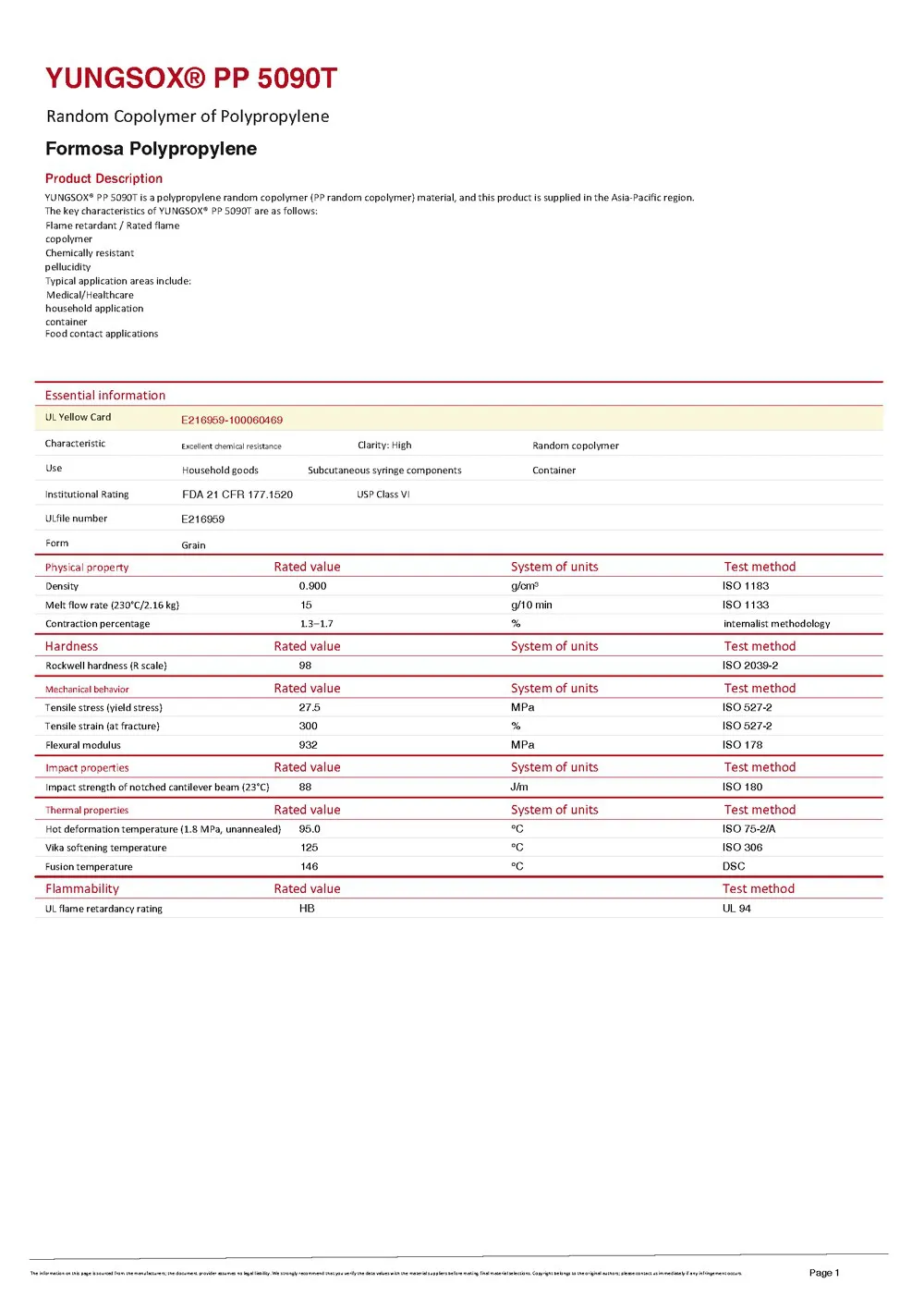
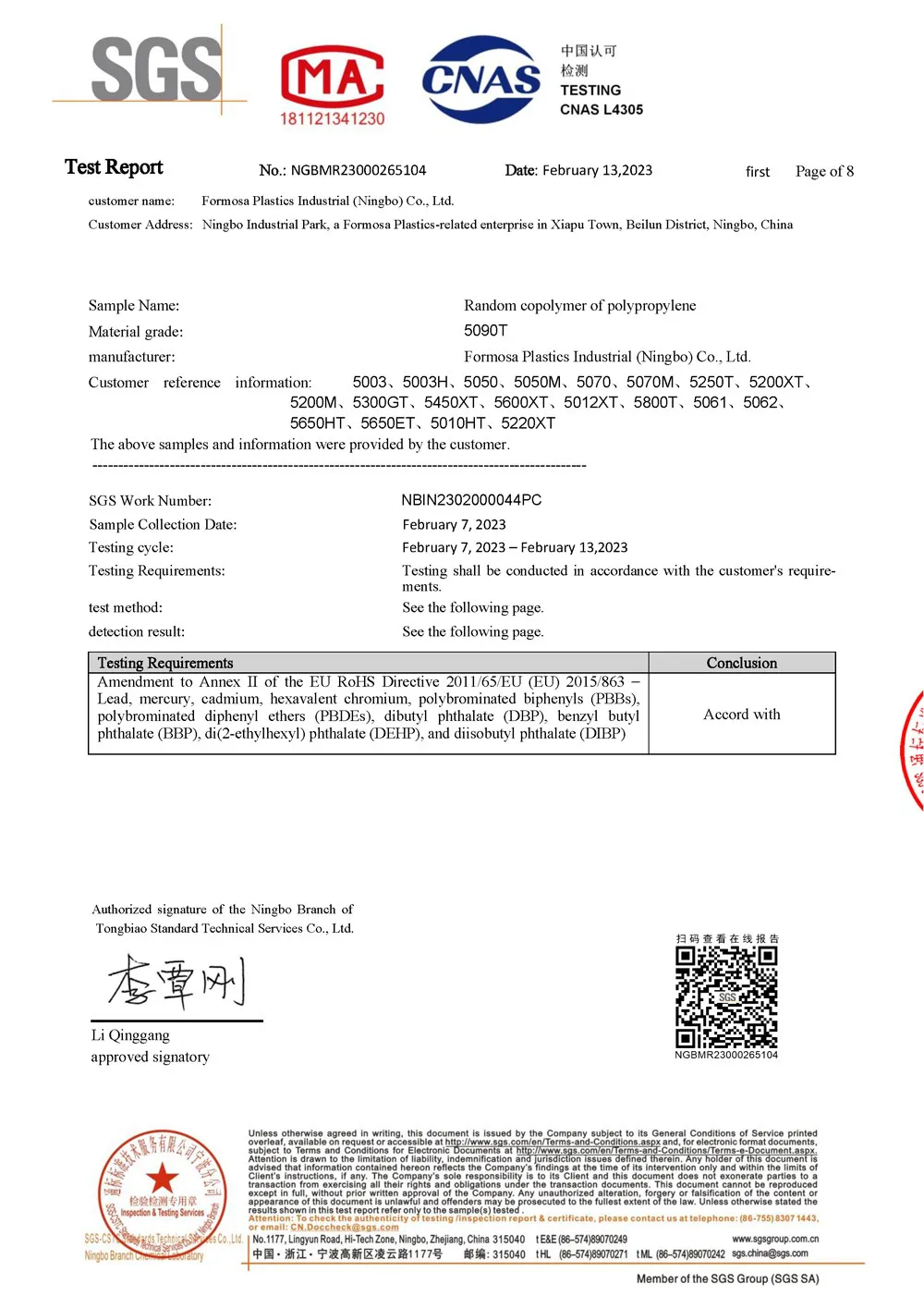
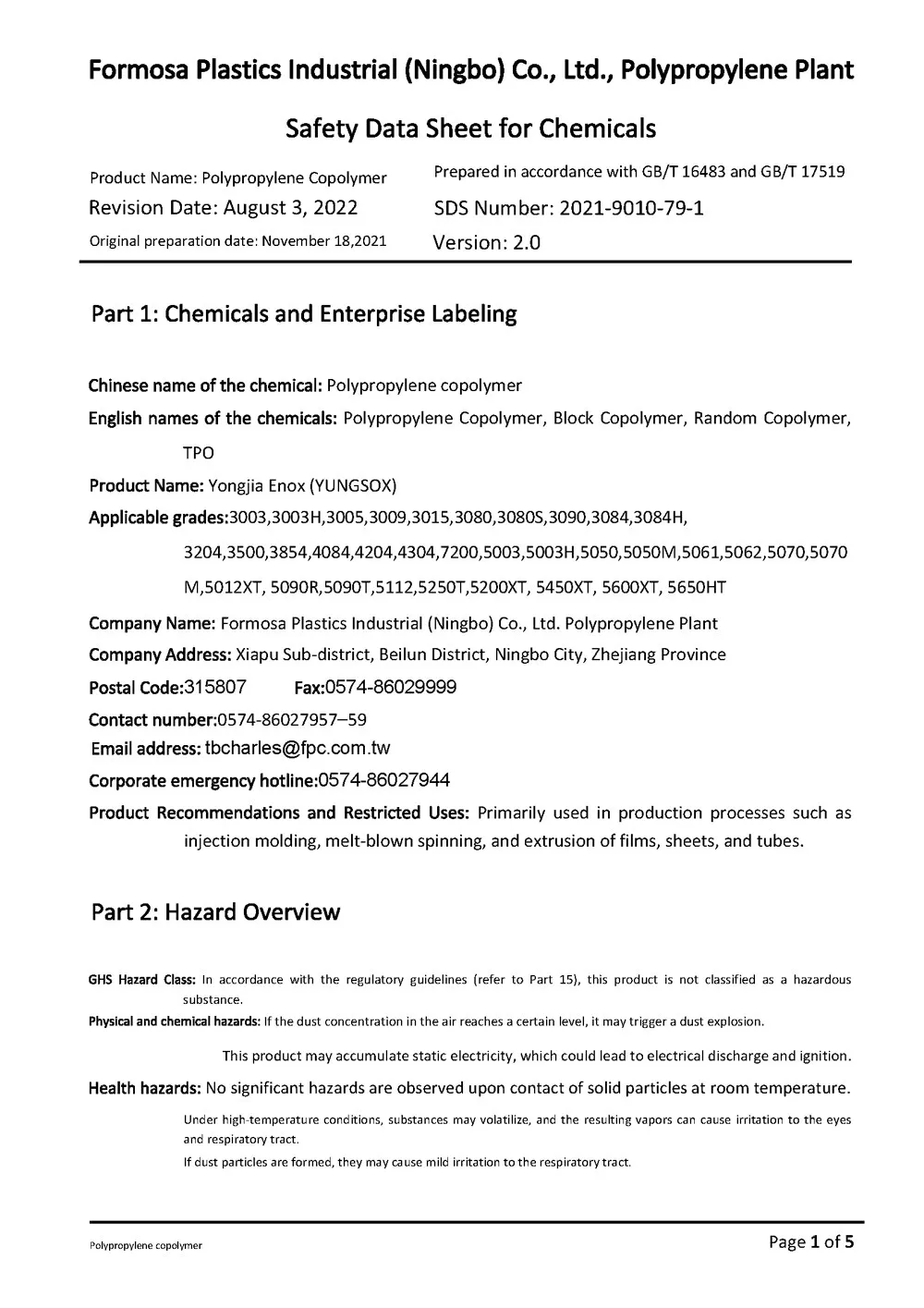
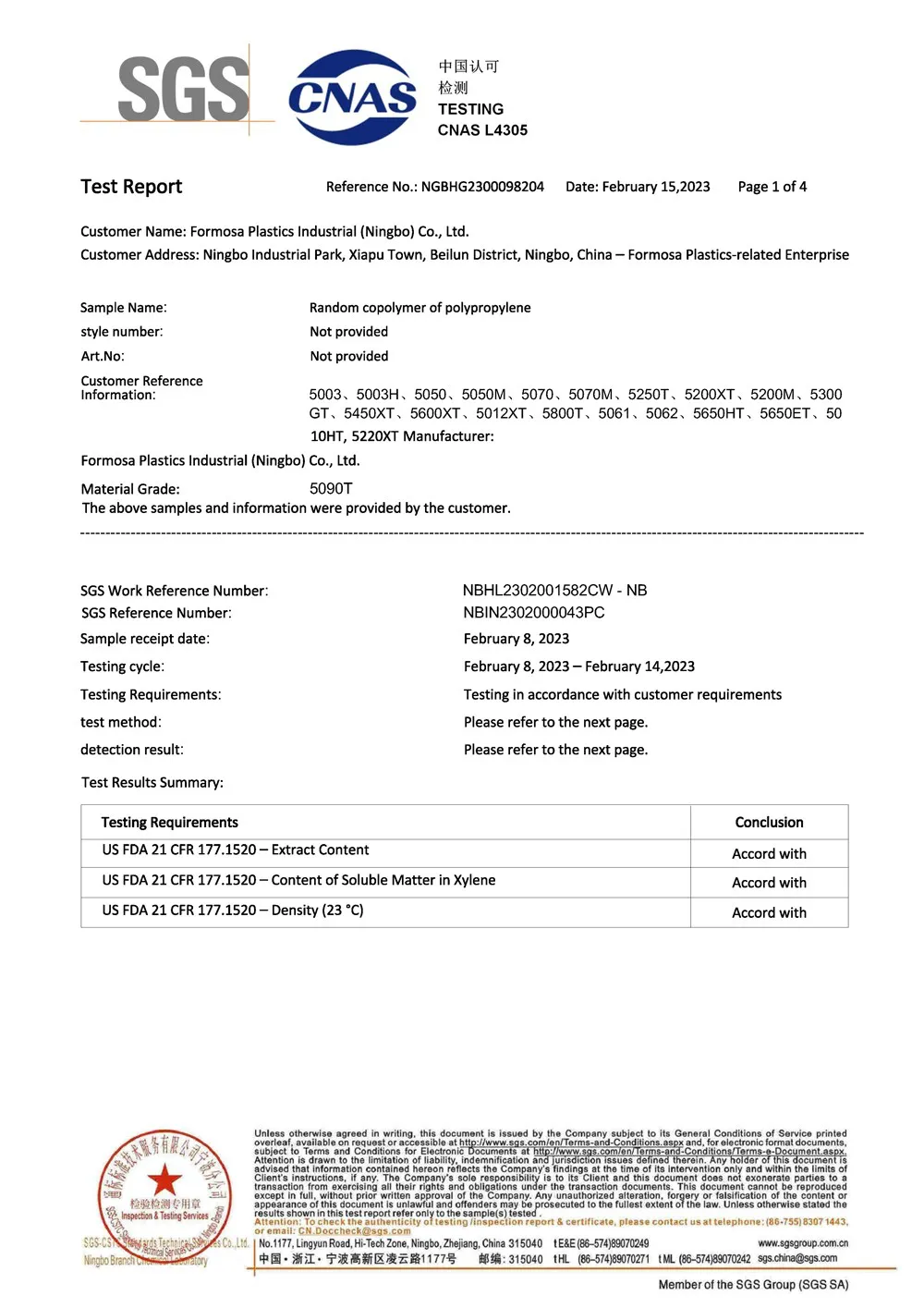
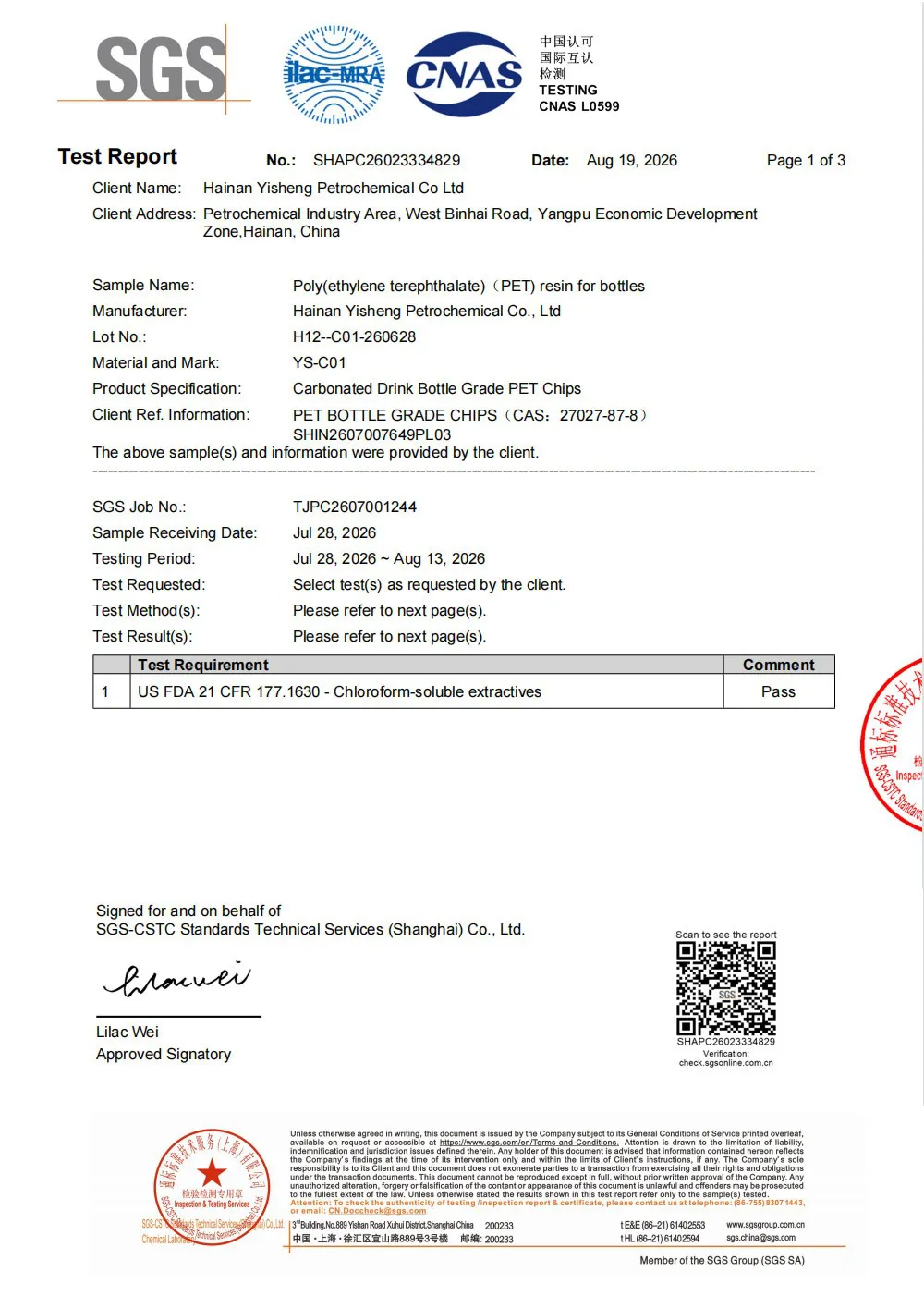
When it comes to beauty packaging, "sustainable" and "innovative" mean nothing if the product isn't safe or high-quality. That's why we take compliance seriously. Our facility is an iso9001 certified packaging factory, which means every step of the process—from material sourcing to mold testing to final production—is documented, monitored, and continuously improved. But for cosmetics and personal care products, we go a step further: our dust-free gmp compliant workshop ensures that every lipstick tube (and every part of it) is made in a clean environment, free from contaminants like dust or bacteria. That's crucial when the product inside is going on someone's lips or skin.
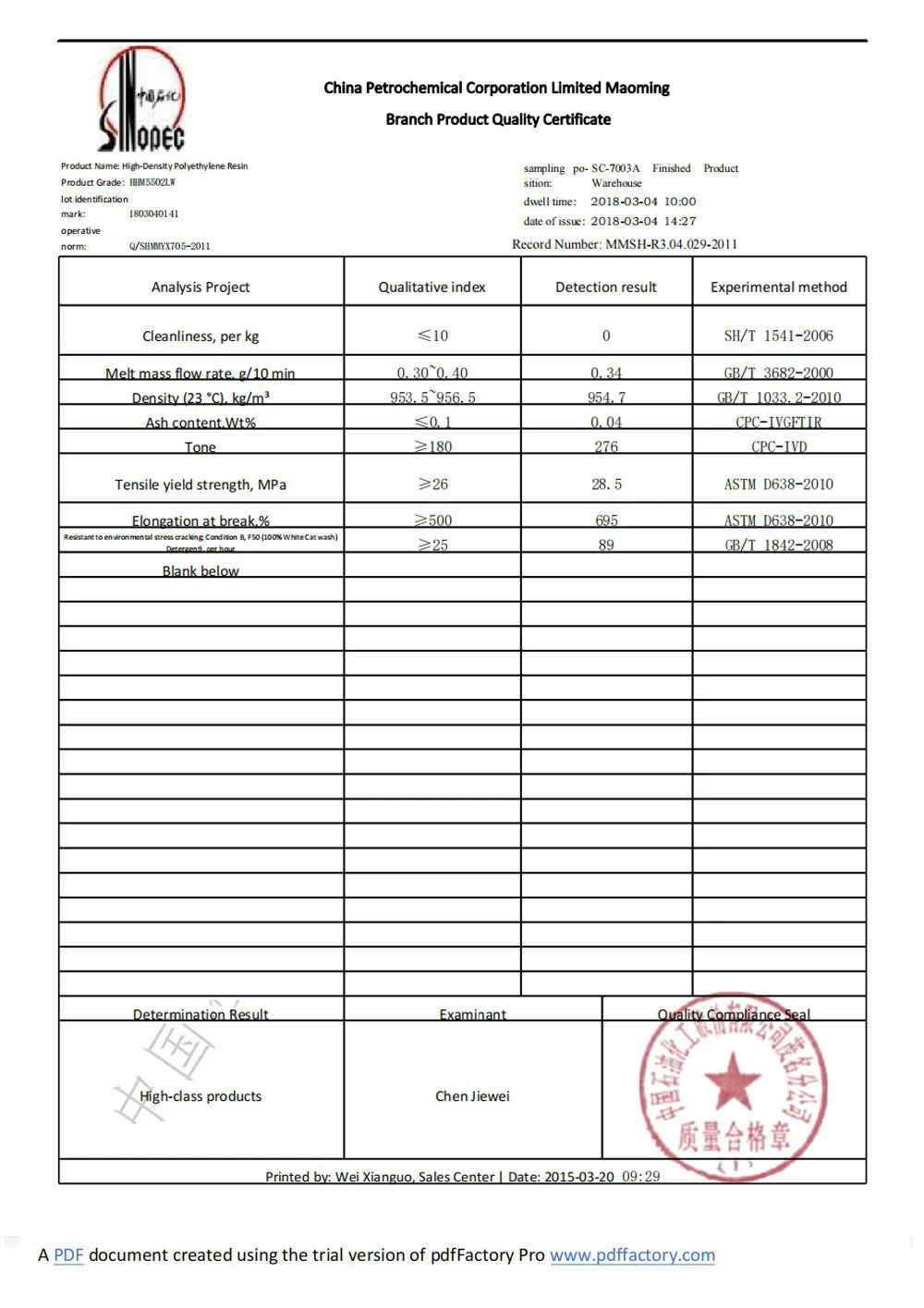
What does this mean for brands? Peace of mind. You don't have to worry about mold defects causing leaks, or low-quality plastic reacting with the lipstick formula. Every batch is tested for durability (drop tests, temperature resistance), safety (no harmful chemicals like BPA or phthalates), and functionality (does the magnetic closure hold? Does the twist mechanism work smoothly after 100 uses?). We even provide certificates of compliance, so you can pass that confidence on to your customers.
At the end of the day, a great lipstick tube is more than just a container—it's an extension of your brand. That's why we offer private label plastic packaging services that let you put your stamp on every detail. Whether you're a startup looking to launch your first sustainable line or an established brand updating your packaging, we'll work with you to create something that feels uniquely "you."
Here's how it works: You bring us your brand guidelines (colors, logos, messaging), and we handle the rest. Want your logo embossed on the outer case? No problem. Need the cartridge to match your signature shade of blue? We can do that with custom color matching. Even the smallest details—like the texture of the plastic or the finish of the closure—can be tailored to fit your brand's vibe. And because we handle everything in-house (from mold design to production to shipping), you get a seamless experience with no middlemen or delays.
One of our favorite success stories? A small but growing clean beauty brand that wanted to launch a refillable lipstick line on a tight timeline. They came to us with a logo and a vision for "minimalist luxury." We used 3D printing to prototype a sleek, matte black case with their logo in gold foil. Within 6 weeks, they had 500 units ready for their Kickstarter campaign—which sold out in 3 days. That's the power of combining sustainable design, fast prototyping, and personalized branding.
So, what's next for refillable lipstick tubes and 3D printed molds? The possibilities are exciting. We're already experimenting with even more eco-friendly materials, like algae-based plastics that biodegrade in marine environments, or mycelium (mushroom-based) packaging for the outer cases. On the tech side, 3D printing is getting faster and more precise—soon, we might be able to print molds with moving parts, eliminating the need for assembly lines altogether.
But the biggest trend we see? Collaboration. Brands, manufacturers, and consumers are all working together to redefine what "sustainable beauty" looks like. It's not just about one product—it's about a whole ecosystem where packaging is designed to be reused, recycled, or composted from the start. And with tools like 3D printing making innovation more accessible, there's no limit to how creative and impactful that ecosystem can be.
At the end of the day, sustainable refillable lipstick tubes and 3D printed mold prototypes are more than just buzzwords—they're solutions to a real problem. They let brands create beautiful, functional products that align with their values, and they let consumers look good while doing good. And as someone who's been in the packaging industry for years, I can tell you: this is just the beginning.
So, whether you're a brand looking to make the switch to sustainable packaging or a consumer curious about what's next in beauty, keep an eye on refillable designs and 3D printed innovation. They're not just changing lipstick tubes—they're changing the future of beauty packaging, one sustainable step at a time.