Email: info@mggpacking.com | Tel: +86-13510174848 ( Mr. Yao)


Picture this: It's a scorching summer day, and you reach for your favorite sunscreen stick before heading to the beach. You twist the bottom, glide the formula onto your skin, and instantly feel protected. But have you ever stopped to think about the packaging that keeps that sunscreen safe, effective, and ready to use? For sunscreen brands, the right packaging isn't just a container—it's a promise to customers that their product is intact, fresh, and exactly as intended. That's where tamper-proof sunscreen stick packaging comes in, and it's more important than you might think.
In a market flooded with sunscreen options, consumers don't just buy a formula—they buy trust. They trust that the product hasn't been opened, tampered with, or compromised in any way before it reaches their hands. And for brands, that trust starts with packaging. Durable plastic materials, secure safety seals, and thoughtful design aren't just "nice-to-haves"—they're essential for standing out in a competitive industry. Let's dive into what makes tamper-proof sunscreen stick packaging so crucial, and how the right partner can help you create packaging that protects your product, your brand, and your customers.
Sunscreen sticks are unique compared to lotions or sprays. They're portable, mess-free, and perfect for on-the-go use—think hiking trails, kids' backpacks, or beach bags. But that portability means they're also more likely to get jostled, dropped, or exposed to heat and moisture. Imagine a sunscreen stick that cracks in transit, or a lid that pops open, leaving the formula dried out or contaminated. Not only does that ruin the product, but it also damages your brand's reputation faster than a sunburn on unprotected skin.
Then there's the issue of tampering. Unfortunately, in today's world, product safety is a top concern for consumers. A single incident of tampering can lead to massive recalls, negative press, and lost customer trust. For sunscreen brands, which often market to families and health-conscious consumers, the stakes are even higher. Parents want to know the sunscreen they're applying to their kids is safe and untouched. That's why tamper-proof features aren't just a regulatory requirement—they're a way to show your customers, "We care about your safety as much as you do."
When we talk about tamper-proof sunscreen stick packaging, we're not just talking about a "do not open" sticker. It's a combination of design features and materials that work together to create a seal of protection. Let's break down the key technologies that make this possible:
You've probably seen it before—a small plastic ring around a bottle cap that breaks when you twist it open. That's a tamper-evident seal, and it's one of the most effective ways to let customers know if a product has been opened. For sunscreen sticks, we often use aluminum foil liners under the cap. These liners create an airtight seal that's easy to spot if it's been broken. When a customer picks up your sunscreen stick, they'll immediately see that shiny foil seal and know the product is fresh and untouched.
But we don't stop there. Some of our clients opt for breakaway caps , where a part of the cap snaps off when first opened. It's a visible sign that the product hasn't been tampered with, and it's surprisingly simple to implement. Think of it like a security tag on clothing—once it's broken, there's no hiding it.
What good is a seal if the lid falls off in a backpack? That's why we focus on closures that stay put, even when things get rough. Our disc top caps are a favorite for sunscreen sticks. These caps have a small button that pops open when pressed, but they lock securely when closed. No more fumbling with twist-off lids or worrying about accidental openings. Plus, they're easy to use with one hand—perfect for parents applying sunscreen to wiggly kids or hikers on the go.
For brands that want extra security, we offer child-resistant caps , too. While sunscreen sticks aren't typically considered "dangerous" like medications, some formulas contain ingredients that curious kids might try to eat. A child-resistant closure adds an extra layer of safety, giving parents peace of mind.
Sunscreen sticks rely on a twist-up mechanism to push the formula up for use. If that mechanism breaks, the product is useless. That's why we use high-quality plastic hinges and gears that can withstand repeated twisting—even if the stick is dropped or stepped on (yes, it happens!). We test our mechanisms by twisting them hundreds of times in our lab to make sure they hold up. After all, the last thing you want is a customer writing a review that says, "Great sunscreen, but the stick broke after two uses."
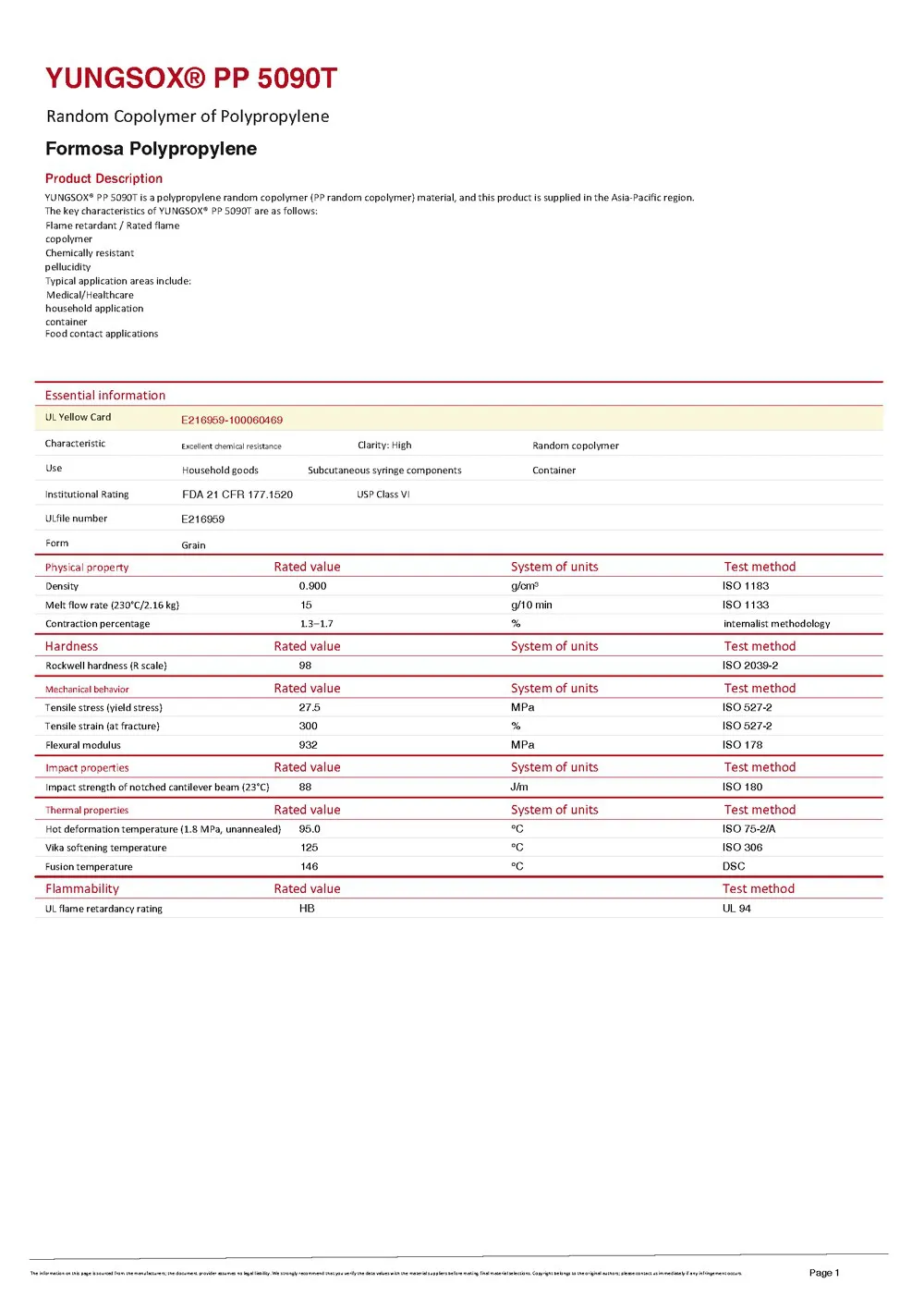
When it comes to sunscreen stick packaging, the plastic you choose matters. It needs to be tough enough to handle bumps and drops, but also safe to hold a product that goes directly on skin. At our factory, we specialize in medical grade plastic bottles , and that expertise translates directly to sunscreen packaging. Here's why our materials stand out:
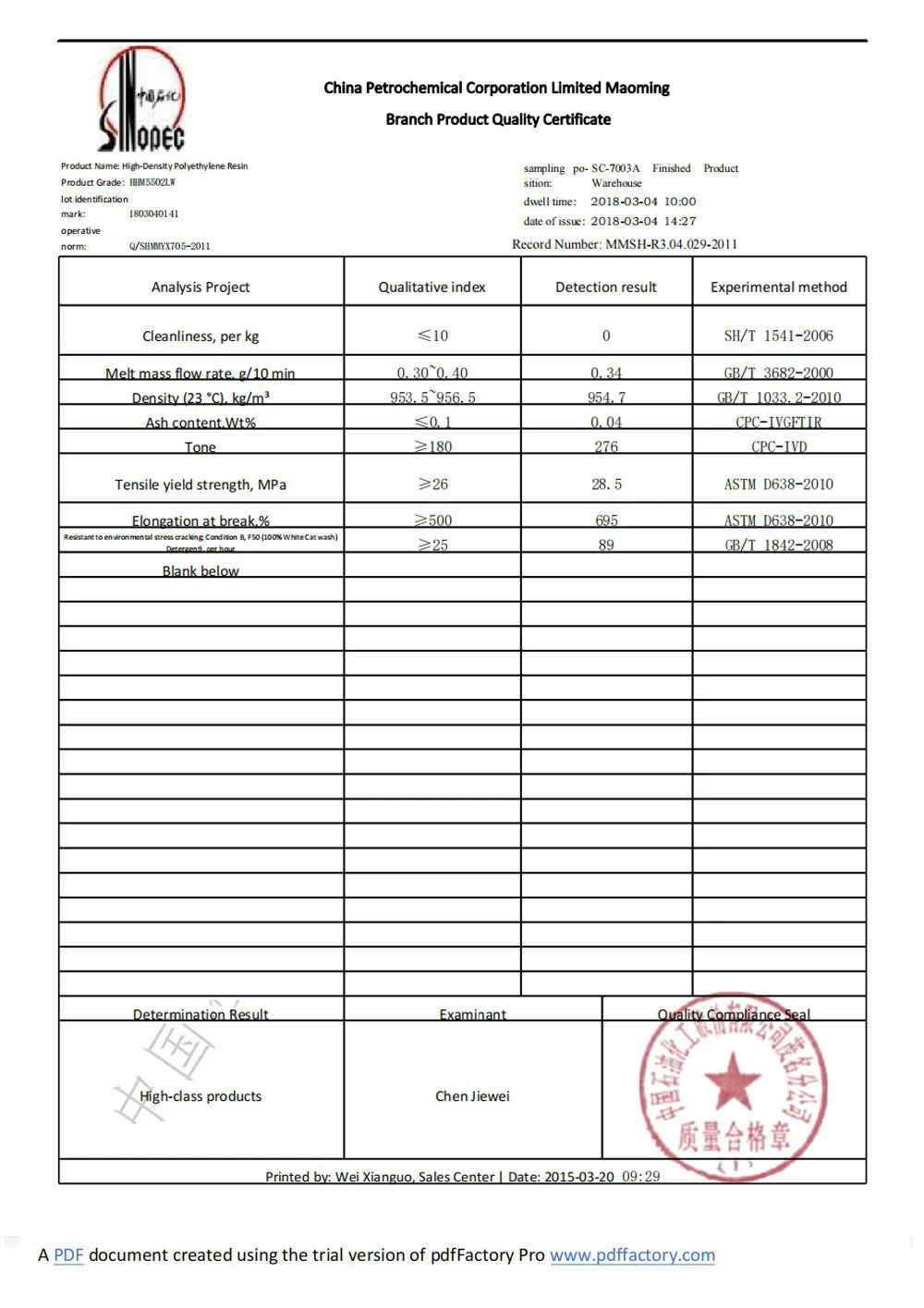
High-Density Polyethylene (HDPE) is our go-to material for sunscreen sticks. Why? It's lightweight but incredibly durable—resistant to cracks, dents, and even chemicals. Sunscreen formulas can be harsh, with ingredients like oxybenzone or avobenzone, but HDPE won't react with them, ensuring your product stays effective. Plus, HDPE is easy to mold into different shapes, so you can create a unique look for your brand without sacrificing durability.
We also love HDPE because it's recyclable. More on that later, but for now, just know that choosing HDPE means you're getting a material that's both tough and kind to the planet.
If you want a more transparent or glossy finish, Polyethylene Terephthalate (PET) is a great option. PET is clear, so customers can see the color of your sunscreen stick (hello, marketing opportunity!), and it's just as durable as HDPE. It's also resistant to moisture, which is key for sunscreen that might be stored in humid bathrooms or beach bags.
We often blend HDPE and PET for clients who want the best of both worlds—durability and aesthetics. For example, a matte HDPE body with a clear PET window to show off the product inside. It's all about finding what works for your brand.
| Material | Durability | Chemical Resistance | Recyclability | Best For |
|---|---|---|---|---|
| HDPE | High (resistant to cracks/dents) | Excellent (won't react with sunscreen ingredients) | Yes (widely recyclable) | Everyday sunscreen sticks, bulk packaging |
| PET | High (impact-resistant) | Good (resistant to moisture and oils) | Yes (recyclable, often used for clear packaging) | Premium sunscreen lines, transparent designs |
| PCR Plastic | High (same as virgin plastic) | Good (tested for safety) | Yes (made from recycled materials) | Eco-conscious brands, sustainable packaging lines |
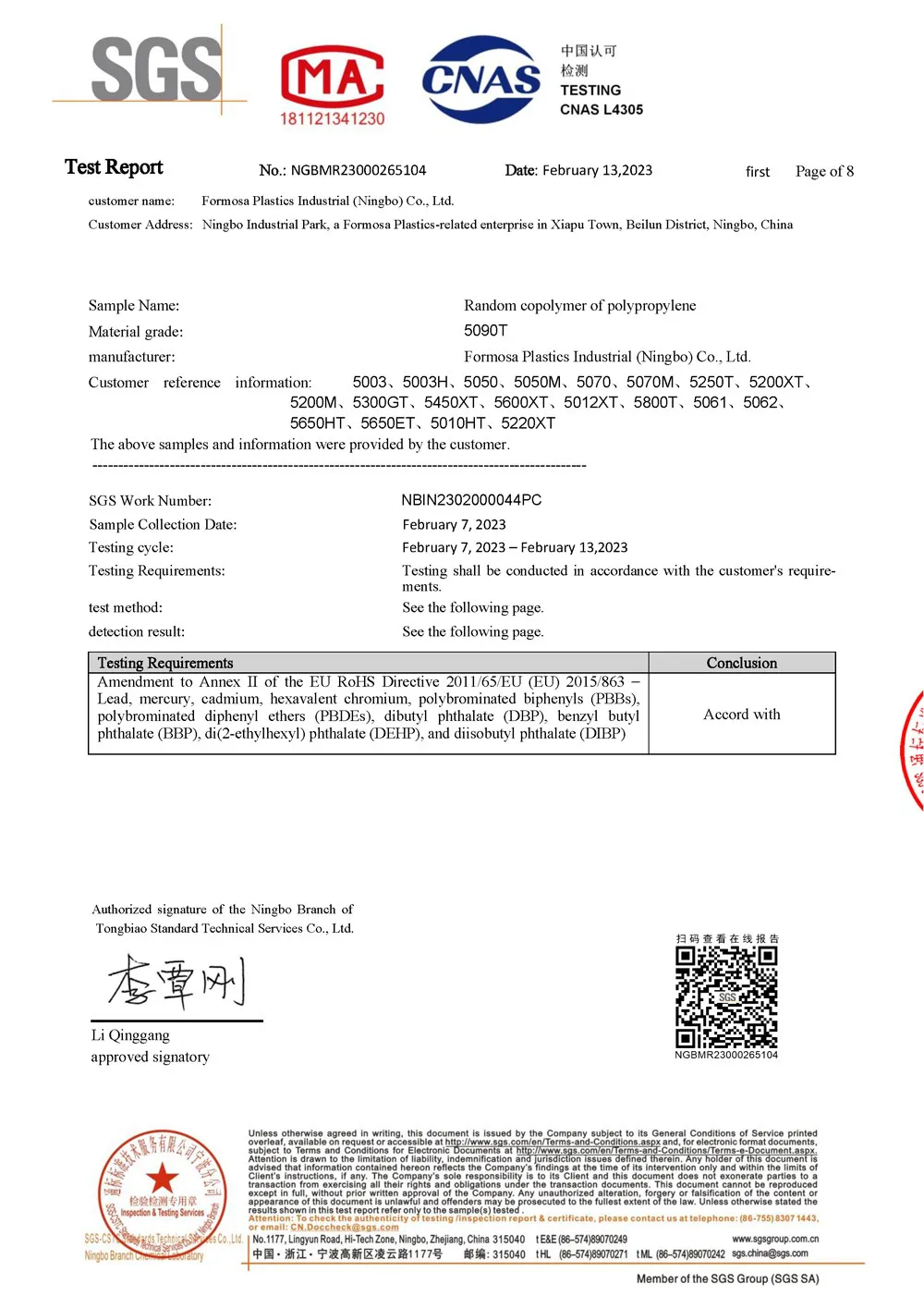
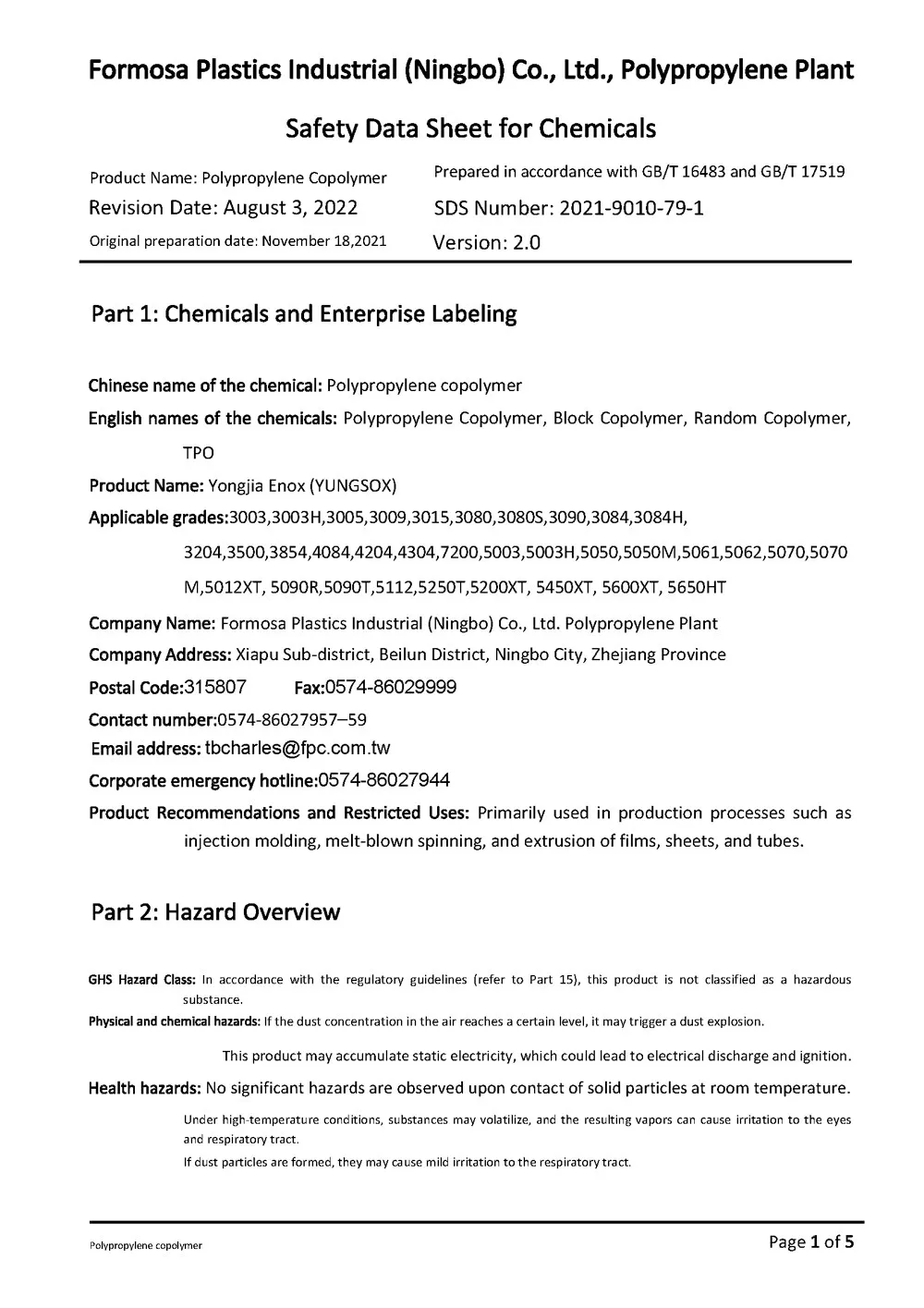
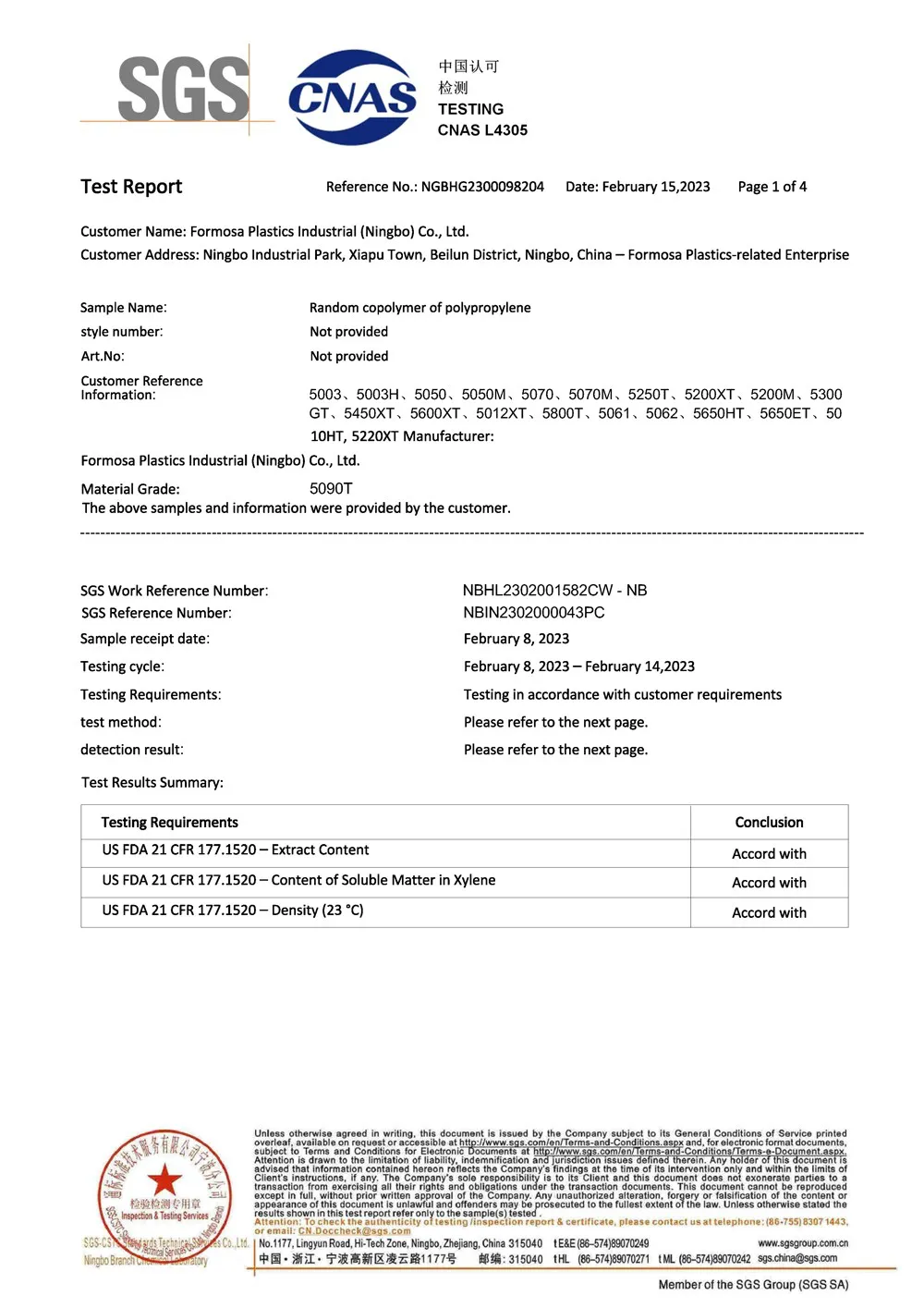
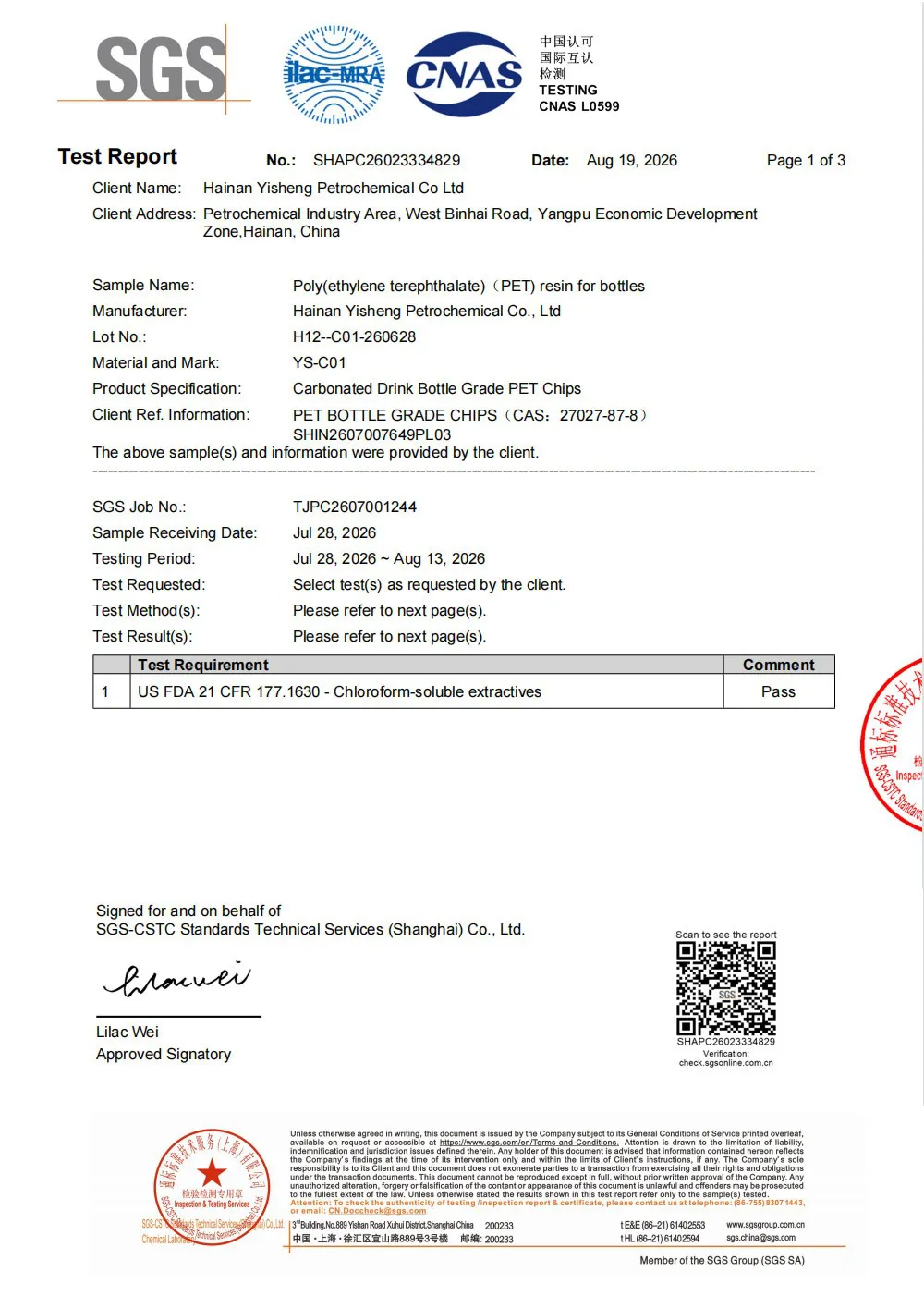
Here's the thing: sunscreen is applied to skin, so the packaging needs to be safe. That's why all our plastics meet medical grade standards . We source materials that are BPA-free, phthalate-free, and FDA-compliant. We even test our plastics for leaching—making sure no chemicals transfer from the packaging to your sunscreen formula. It's overkill? Maybe, but when it comes to your customers' health, we don't believe in cutting corners.
Your sunscreen brand is unique, so why should your packaging be generic? As a custom plastic bottle manufacturer , we thrive on turning your vision into reality. Whether you want a sleek, minimalist design or something bold and eye-catching, we've got you covered. Here's how we work:
It all starts with the mold. Our in-house design team can take your 3D drawings or even just a sketch on a napkin and turn it into a custom mold. We offer free mold testing, so you can see a prototype before committing to a full production run. Want a curved body that fits perfectly in hand? No problem. A unique texture that makes your sunscreen stick stand out on the shelf? We can do that too.
One of our clients, a small sunscreen brand focused on eco-friendly products, came to us with a request: a packaging design that looked like a seashell. We thought it was a little wild at first, but after a few rounds of prototypes, we created a mold that captured that organic, beachy vibe. Their sunscreen stick now sells out in weeks—all because the packaging tells their brand story.
Your packaging is a billboard for your brand, so we make sure your logo and messaging stand out. We offer a range of branding options:
And don't worry about minimum order quantities. We understand that small brands need to test the waters too, so we offer low MOQs for custom designs. You don't have to order 100,000 units to get the packaging you love.
Sunscreen sticks come in all sizes—from tiny travel-sized tubes to large family packs. We can create packaging in any size you need, from 15ml (perfect for purses) to 75ml (great for weekly beach trips). And we'll help you choose the right size for your formula. For example, if your sunscreen has a thick, creamy texture, a wider diameter might be easier to apply. If it's a liquid-based stick, a slimmer design could work better. It's all about balance.
We get it: plastic packaging has a bad rap, but it doesn't have to be that way. As a sustainable plastic packaging solutions provider, we're committed to reducing our environmental impact. Here's how we're making a difference:
Post-Consumer Recycled (PCR) plastic is a game-changer. This plastic is made from recycled bottles and containers, so it reduces the need for virgin plastic. We offer PCR HDPE and PET options for sunscreen stick packaging, and the best part? You can't tell the difference. PCR plastic is just as durable and safe as virgin plastic, but it keeps waste out of landfills. Some of our clients even market their PCR packaging as a selling point—consumers love knowing they're choosing a brand that cares about the planet.
Another way we reduce waste is by "lightweighting" our packaging. That means we design bottles and caps with thinner walls, but we use stronger plastics to maintain durability. The result? Less plastic per unit, lower shipping costs (since lighter packages use less fuel), and a smaller carbon footprint. It's a win-win for everyone.
We know that even recyclable packaging won't get recycled if it's too complicated. That's why we design our sunscreen stick packaging to be easily recyclable. We avoid mixed materials (like plastic caps with metal parts) and clearly label packages with recycling symbols. We even provide guidelines for your customers on how to recycle the packaging—because education is part of the process.
When you're putting your brand name on a product, you need to know the packaging meets the highest standards. That's why we're proud to be ISO 9001 certified and have a dust-free GMP compliant workshop . But what does that mean for you?
ISO 9001 is an international standard for quality management. It means we have strict processes in place to ensure every sunscreen stick package meets the same high standards. From material sourcing to production to shipping, we track every step. If something goes wrong (which rarely happens), we can trace it back and fix it quickly. It's like having a quality control team that never sleeps.
Our GMP-compliant workshop is a dust-free zone. We wear protective gear, sanitize equipment daily, and control the temperature and humidity. Why? Because even a tiny speck of dust can compromise your sunscreen formula. In the pharmaceutical industry, GMP is non-negotiable—and we bring that same level of rigor to cosmetic packaging. You can rest easy knowing your sunscreen sticks are being made in a facility that's cleaner than most hospitals.
Before your packaging leaves our factory, it goes through a battery of tests. We drop-test packages from waist height to simulate being dropped on a store floor. We shake them in a machine to mimic transit. We even expose them to extreme temperatures (from freezing cold to sweltering heat) to make sure they hold up. If a package fails any test, we go back to the drawing board. We don't ship until we're 100% confident it will protect your product.
Let's get real—numbers talk. Last year, a mid-sized sunscreen brand came to us with a problem: their sunscreen sticks were getting returned because customers thought the packaging had been tampered with. The issue? Their old packaging used a simple twist-off cap with no seal. Shoppers would see a slightly loose cap and assume the product was used, even if it wasn't.
We worked with them to redesign their packaging. We added an aluminum foil seal under the cap, switched to a disc top closure, and embossed their logo on the body. The result? Returns dropped by 75%, and sales increased by 30% in the first quarter. Why? Because customers trusted the new packaging, and the sleek design stood out on store shelves. It just goes to show: good packaging isn't just about protection—it's about building trust and driving sales.
Tamper-proof sunscreen stick packaging isn't just a trend—it's a necessity. It protects your product, builds trust with customers, and helps your brand stand out in a crowded market. At the end of the day, your packaging is the first thing customers see, and it should tell them everything they need to know: "This product is safe, effective, and made with care."
Whether you're a startup looking to launch your first sunscreen line or an established brand ready to upgrade your packaging, we're here to help. From custom designs to sustainable materials to rigorous testing, we'll walk with you every step of the way. Let's create packaging that not only protects your sunscreen but also protects your brand's reputation.
After all, the sun isn't the only thing your customers need protection from.