Email: info@mggpacking.com | Tel: +86-13510174848 ( Mr. Yao)


The perfect blend of precision, safety, and elegance for pharmaceuticals, cosmetics, and beyond
When it comes to packaging liquids—whether it's a life-saving medication, a delicate facial serum, or a concentrated essential oil—every detail matters. The container isn't just a vessel; it's a guardian of purity, a messenger of trust, and often the first interaction a customer has with your product. That's why white dropper bottles with black caps have become a staple in labs, pharmacies, and beauty brands worldwide. They balance functionality with visual appeal, clinical reliability with subtle sophistication, and most importantly, they're built to protect what matters most: the integrity of your liquid formulations.
In this deep dive, we'll explore what makes these bottles more than just a pretty package. From the science behind their design to the rigorous standards that ensure medical-grade safety, from customization options that let your brand shine to real-world applications that span healthcare and beauty, we'll uncover why this combination—crisp white bottles paired with sleek black caps—has become a go-to choice for professionals who refuse to compromise on quality.
At first glance, white and black might seem like a simple color choice, but in the world of packaging, every shade serves a purpose. White isn't just about looking clean—it's about clarity and purity. In medical settings, white evokes sterility and professionalism, instantly signaling to patients and practitioners that the contents are handled with the utmost care. For cosmetics, white provides a blank canvas that lets the product inside take center stage; whether it's a golden serum or a pale blue essence, the white backdrop makes colors pop, appealing to consumers drawn to transparency in ingredients.
Then there's the black cap. Sleek, understated, and universally compatible, black adds a touch of contrast that elevates the design from basic to refined. But its role goes beyond aesthetics. Black caps often feature matte finishes that resist fingerprints, keeping the bottle looking pristine even after repeated use. More importantly, the dark color helps shield light-sensitive ingredients—like vitamins, essential oils, or certain medications—from UV exposure, which can degrade potency over time. It's a small detail, but one that speaks to a deeper understanding of what liquids need to stay effective.
"We chose white dropper bottles with black caps for our line of organic serums because they check every box," says a product developer at a skincare brand specializing in sensitive skin solutions. "The white bottle lets customers see the product's natural color, which builds trust, while the black cap gives it a premium feel. And knowing the cap helps protect our vitamin C formula from light damage? That's the kind of functional design that makes a real difference for shelf life."
But the design brilliance doesn't stop at color. The dropper itself is a study in precision. Whether it's a glass pipette for pharmaceutical use or a plastic dropper for cosmetic applications, the tip is engineered to deliver consistent drops—no more, no less. This is critical for medications where dosage accuracy can impact patient health, or for serums where customers expect to use just the right amount per application. The black cap, often fitted with a tamper-evident seal, adds an extra layer of security, reassuring users that the product hasn't been compromised from production to purchase.
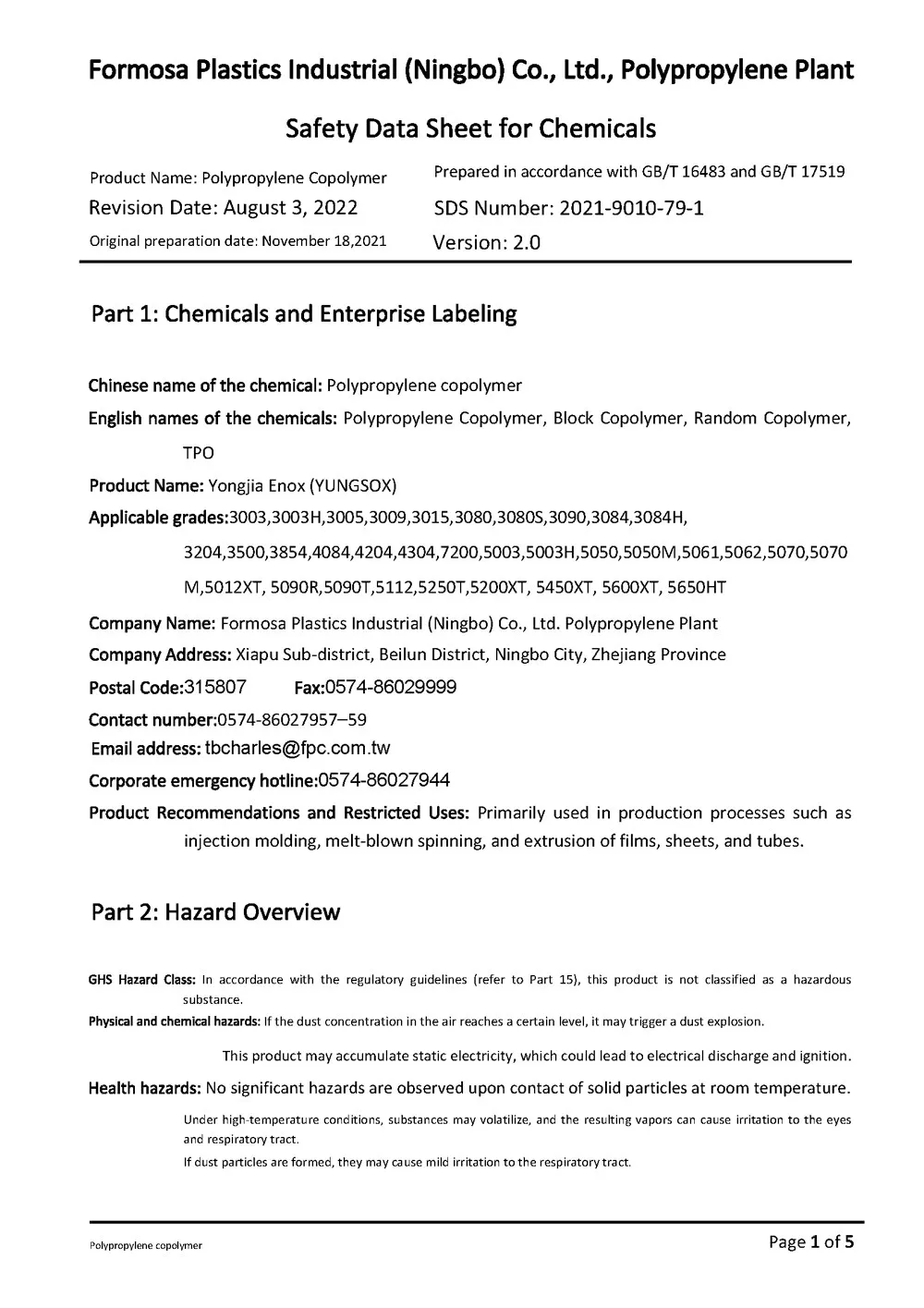
What truly sets these bottles apart is their commitment to medical-grade safety. In an industry where even trace contaminants can have serious consequences, the materials used are non-negotiable. These white dropper bottles are crafted from high-quality, medical-grade plastics or glass, depending on the application, each selected for its ability to resist chemical reactions, prevent leaching, and maintain structural integrity.
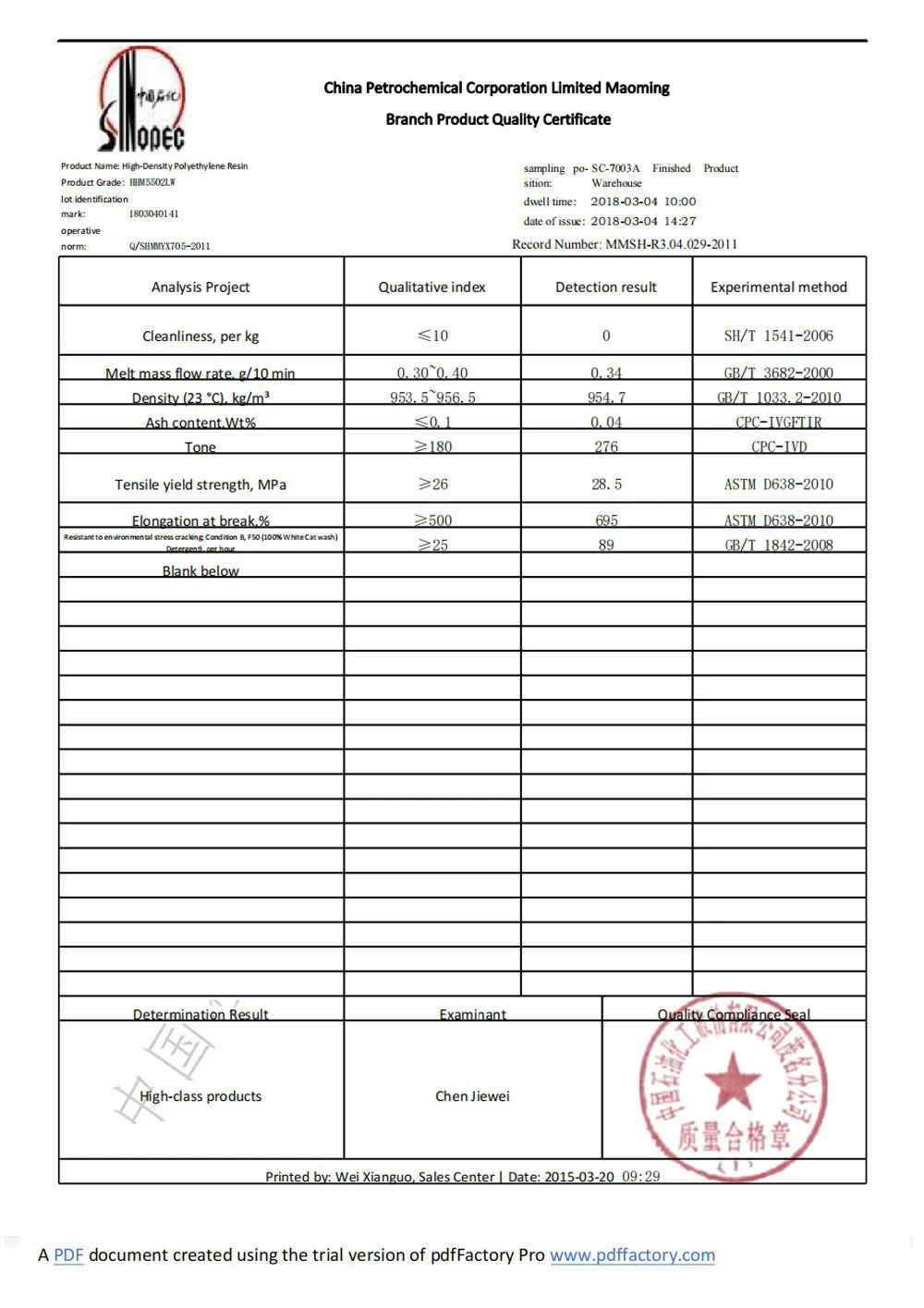
For pharmaceutical use, many of these bottles are made from HDPE (High-Density Polyethylene), a material known for its durability and resistance to moisture and impact. HDPE is non-reactive, meaning it won't interact with acidic or alkaline formulations, ensuring medications remain pure from the moment they're bottled until they're used. For more sensitive liquids—like injectable solutions or lab reagents—glass options are available, offering even higher chemical resistance and a barrier against oxygen, which can degrade certain compounds.
| Material | Key Benefits | Common Applications |
|---|---|---|
| Medical-Grade HDPE | Impact-resistant, moisture-proof, non-reactive | Oral medications, vitamins, liquid supplements |
| Borosilicate Glass | High chemical resistance, UV protection, heat-stable | Injectables, essential oils, pH-sensitive serums |
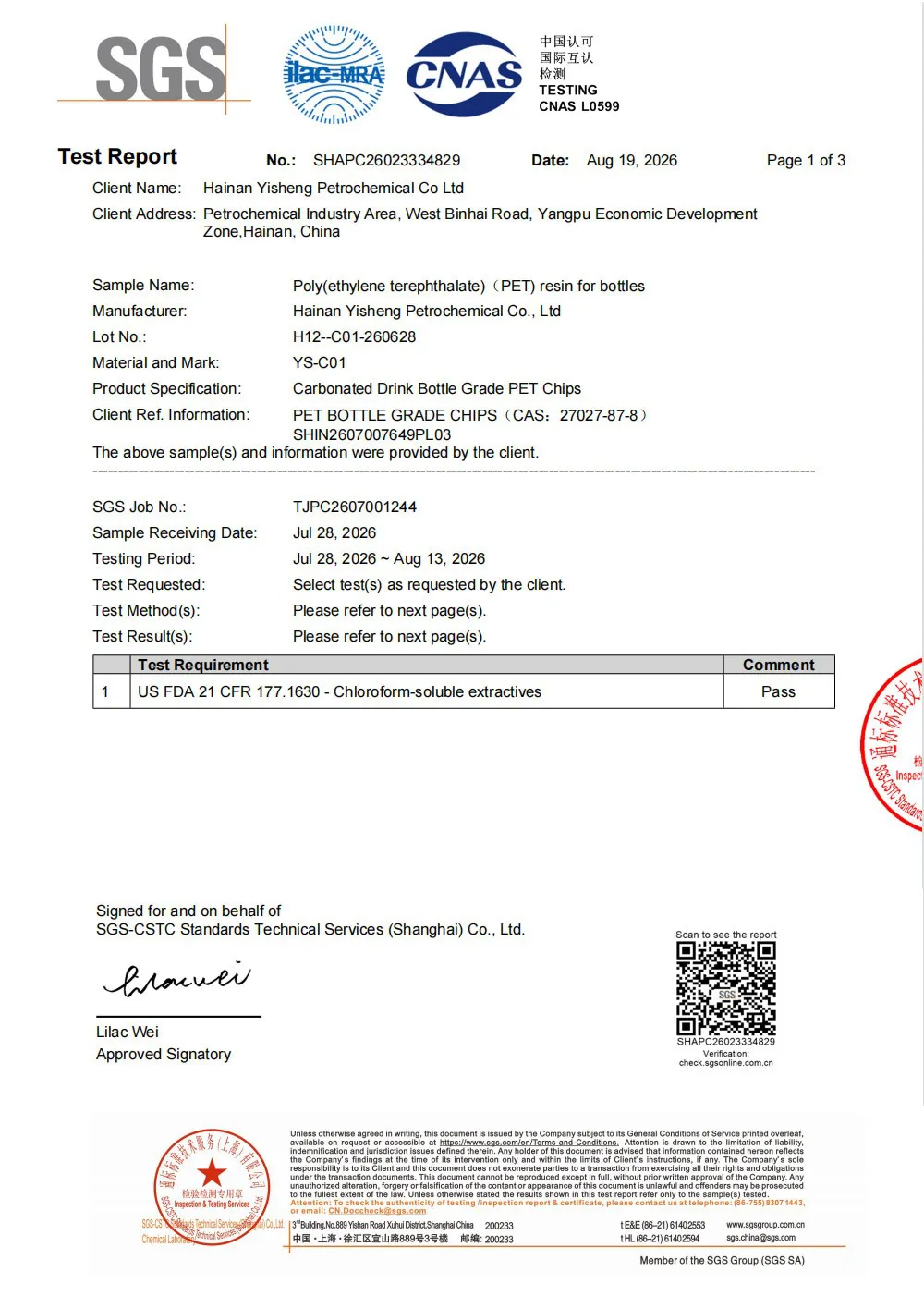
| PET (Polyethylene Terephthalate) | Lightweight, shatterproof, clear visibility | Cosmetic toners, travel-sized skincare products |
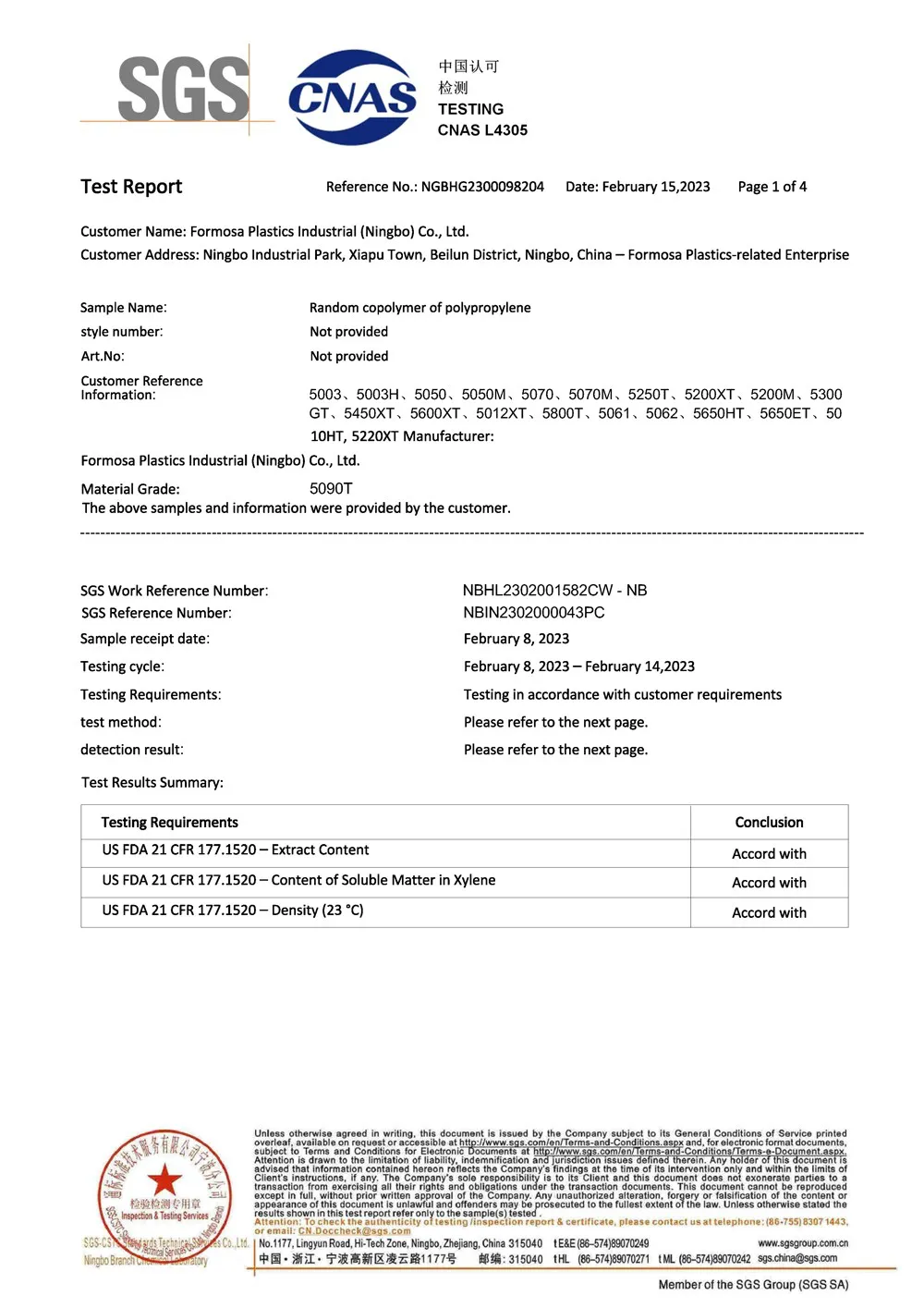
But material alone isn't enough. To earn the "medical grade" label, these bottles must meet stringent global standards. That's where certifications like ISO 9001:2015 and GMP (Good Manufacturing Practices) come into play. ISO 9001 ensures that the manufacturing process is consistent, controlled, and focused on continuous improvement, while GMP compliance means production happens in dust-free workshops where air quality, sanitation, and process documentation are rigorously monitored. Every batch of bottles undergoes testing—for leaks, chemical compatibility, and structural strength—to ensure they meet these standards before leaving the factory.
For cosmetic and personal care brands, this commitment to safety is equally valuable. Customers today are more informed than ever, and they look for packaging that reflects a brand's dedication to quality. When a label says "medical grade," it signals that the product inside is held to the same standards as medications—no harmful chemicals, no cheap substitutes, just pure, reliable packaging that complements the care you've put into your formula.
While the classic white-and-black combo is timeless, every brand has its own story to tell—and your packaging should tell it. That's where customization comes in. The best manufacturers don't just offer off-the-shelf bottles; they partner with you to create packaging that aligns with your brand identity, functional needs, and target audience.
Start with the basics: size. Whether you need a 5ml bottle for sample-sized serums, a 30ml option for daily-use medications, or a 100ml bottle for bulk laboratory reagents, there's a size to fit. But it doesn't stop there. Need a specific neck size to fit your existing filling equipment? No problem. Prefer a longer dropper for easier access to the last drop of liquid? Consider it done. The goal is to make the bottle work for you, not the other way around.
Then there's branding. Your logo, your colors, your message—they all deserve to shine. Options range from simple silk-screen printing on the white bottle to embossed logos that add texture and depth. Want to match your brand's signature blue? The white base can be tinted to subtle shades, while the black cap can be adjusted to a matte or glossy finish to complement your aesthetic. For brands looking to stand out, custom mold design takes personalization to the next level. Maybe you want a unique bottle shape that's instantly recognizable, or a special dropper tip designed for precise application—manufacturers with in-house mold design capabilities can turn those ideas into reality, often with free mold testing to ensure the final product meets your expectations.
Private label options take this a step further, allowing you to present a cohesive brand experience from the bottle to the box. Imagine a white dropper bottle with your logo elegantly printed on the front, paired with a black cap that bears your brand's signature symbol—all while maintaining the medical-grade safety that sets your product apart. It's customization without compromise, designed to make your brand memorable for all the right reasons.
White dropper bottles with black caps aren't just versatile—they're transformative. Their ability to bridge the gap between medical reliability and aesthetic appeal makes them indispensable across industries. Let's take a closer look at how they're making an impact:
In pharmacies and hospitals, precision is everything. These bottles are ideal for liquid medications that require accurate dosing, like oral syrups, eye drops, or topical treatments. The white bottle provides a clean, clinical look that aligns with healthcare settings, while the black cap's light-blocking properties help preserve the potency of light-sensitive drugs. For patients, the dropper makes it easy to measure the exact amount prescribed, reducing the risk of under- or over-dosing. And for pharmacists, the tamper-evident seal offers peace of mind that medications haven't been altered after dispensing.
Beauty brands love these bottles for their ability to balance luxury and functionality. Think facial serums, facial oils, or CBD tinctures—products where a little goes a long way, and precision application is key. The white bottle lets customers see the product's color and consistency, building trust in its quality, while the black cap adds a touch of elegance that feels premium on a vanity shelf. For brands focused on clean beauty, the medical-grade materials align with their commitment to safety, making the bottle a selling point in itself.
Labs rely on these bottles for storing and dispensing reagents, solvents, and samples. The chemical-resistant materials ensure compatibility with a wide range of substances, while the dropper allows for precise transfer of small volumes. The white bottle is easy to label with sample names or hazard warnings, and the black cap provides a secure seal to prevent contamination or evaporation. In busy lab settings, consistency matters—and these bottles deliver, batch after batch.
Essential oil enthusiasts know that light and air are the enemies of potency. White dropper bottles with black caps address both: the white glass or plastic blocks some light, while the black cap adds an extra layer of protection. The dropper makes it easy to blend oils or apply them topically, ensuring users get just the right amount. Whether for personal use or professional aromatherapy practices, these bottles keep oils fresh and effective for longer.
Across all these applications, one thing remains constant: the bottle adapts to the needs of the product, not the other way around. It's this flexibility that has made white dropper bottles with black caps a favorite among professionals who demand both form and function.
Creating a bottle that meets medical-grade standards isn't just about choosing the right materials—it's about every step of the process, from raw material selection to final inspection. Let's pull back the curtain and see what goes into making these reliable, high-quality containers.
It starts with the raw materials. For plastic bottles, manufacturers source medical-grade resins that are free from BPA, phthalates, and other harmful chemicals. These resins undergo rigorous testing to ensure they meet FDA and EU safety standards for food and drug contact. For glass bottles, borosilicate glass is often chosen for its resistance to thermal shock and chemical leaching—critical for maintaining the purity of sensitive liquids.
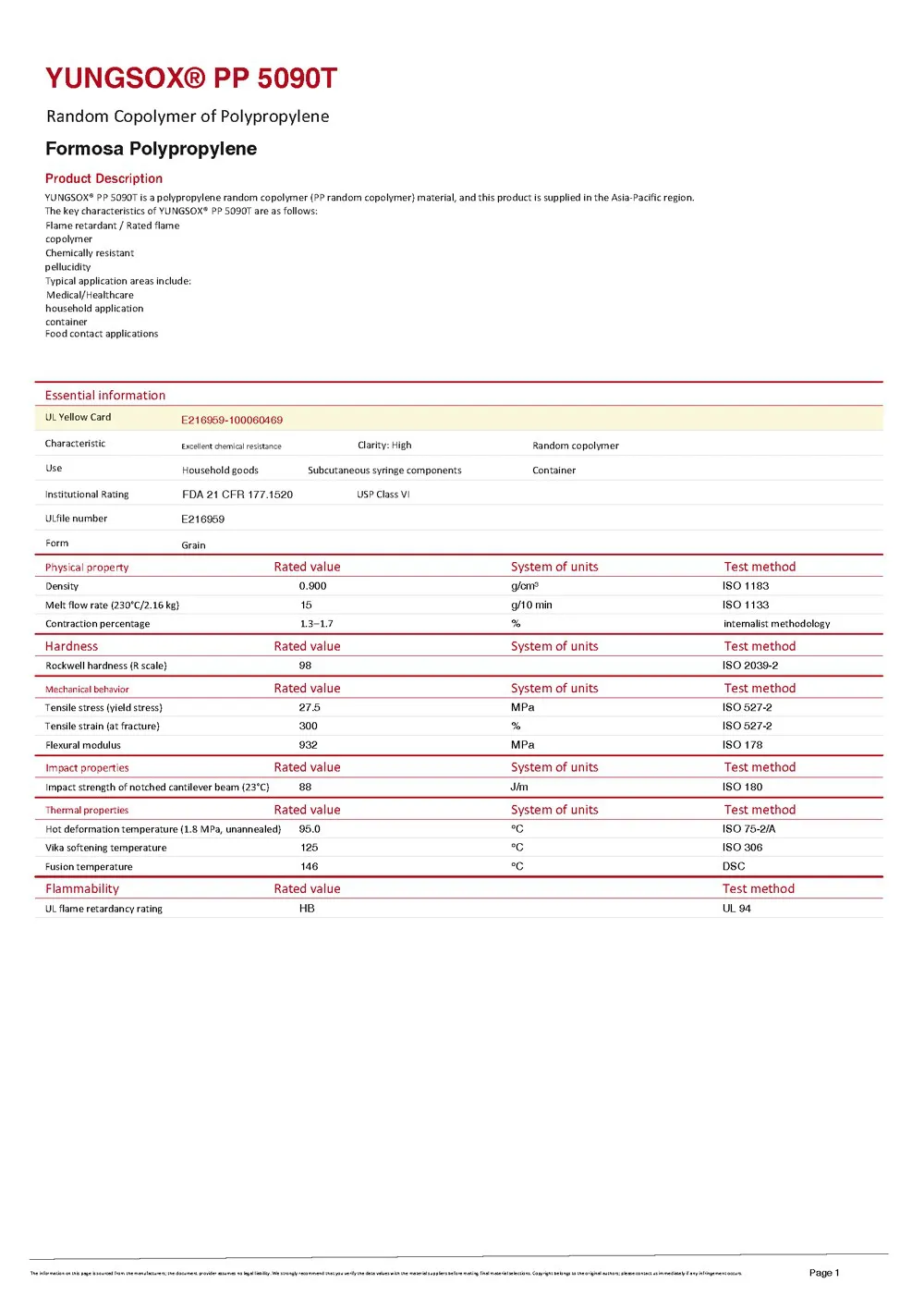
Next, the manufacturing process. In dust-free, GMP-compliant workshops, state-of-the-art machinery shapes the bottles with precision. Injection molding for plastic bottles ensures consistent wall thickness and structural integrity, while glassblowing (for glass options) is done with careful attention to detail to avoid defects like bubbles or uneven surfaces. The white color is added during production, using non-toxic pigments that won't bleed or fade over time.
The droppers and caps are produced separately, then assembled with equal care. Dropper tips are tested for accuracy—ensuring each drop is the same size—and fitted with rubber bulbs or plastic pipettes that are latex-free and chemical-resistant. Black caps are molded to fit snugly, with liners that create an airtight seal to prevent leaks and contamination. Every component is inspected for defects before assembly, because a single faulty cap or dropper could compromise the entire bottle.
The final step? Quality control. Random samples from each batch are subjected to a battery of tests: drop tests to check durability, leak tests to ensure seals hold, and chemical compatibility tests to verify that the bottle won't react with common formulations. Only when every bottle passes these tests is it deemed ready for shipment. It's a process that takes time, but it's the reason why these bottles are trusted in settings where failure isn't an option.
With so many options on the market, why choose white dropper bottles with black caps from a trusted supplier? The answer lies in the details—the things you can't see but can always feel: reliability, consistency, and a commitment to your success.
Reputable manufacturers don't just sell bottles; they offer peace of mind. They're transparent about their processes, happy to share certifications (like ISO 9001 and GMP compliance), and willing to provide samples for testing before you place a large order. They understand that your packaging is an extension of your brand, and they work with you to ensure it meets your exact specifications—whether that means adjusting a mold, tweaking a color, or expediting an order to meet a tight deadline.
They also stay ahead of trends, investing in sustainable practices that align with the growing demand for eco-friendly packaging. From using recycled materials to optimizing production processes to reduce waste, the best manufacturers are committed to minimizing their environmental footprint without compromising on quality. So when you choose a bottle that's both medical-grade and sustainable, you're not just protecting your product—you're protecting the planet, too.
White dropper bottles with black caps are more than just packaging—they're a testament to what happens when precision meets purpose. They protect the liquids that heal, nourish, and enhance our lives. They reflect the care brands put into their formulations. And they build trust between creators and consumers, one drop at a time.
Whether you're a pharmaceutical company looking for a reliable medication container, a skincare brand aiming to elevate your product line, or a lab in need of precise reagent storage, these bottles deliver. They're medical-grade, customizable, and designed to make your product shine—inside and out.
So the next time you reach for a liquid product, take a moment to appreciate the bottle holding it. Chances are, if it's a white dropper bottle with a black cap, it's not just there to look good—it's there to work hard, protect fiercely, and remind you that when it comes to packaging, the best choices are the ones that think of everything.