Email: info@mggpacking.com | Tel: +86-13510174848 ( Mr. Yao)


When you're running a lab, research facility, or biobank, the last thing you need is confusion over samples. Whether you're storing patient specimens, cell cultures, or experimental materials, every vial holds data that could impact research outcomes, patient care, or product development. That's where reliable, well-designed cryogenic vials come in—and not just any vials, but ones built with sample safety and identification at the forefront. As someone who's worked closely with labs and medical facilities for years, I've seen firsthand how the right packaging can turn chaos into order, and how the wrong choice can lead to costly mistakes. Today, let's dive into why wholesale disposable cryogenic vials with clear markings are non-negotiable for your workflow, and how to choose a supplier that understands your needs.
Let's start with the basics: in a busy lab, you're dealing with hundreds—sometimes thousands—of samples daily. Each vial might look similar at first glance, but the information on its surface is what makes it unique. Without clear, durable markings, even the most careful researcher can mix up samples. Think about it: a mislabeled cryogenic vial could mean misdiagnosing a patient, invalidating months of research, or contaminating an entire batch of experiments. The stakes are high, and that's why marking quality isn't just a "nice-to-have"—it's critical.
But what makes a marking "good" in cryogenic conditions? Regular labels or markers fade when exposed to liquid nitrogen, rub off during handling, or smudge when thawed. That's why the best cryogenic vials are designed with marking areas that can withstand extreme temperatures, repeated handling, and harsh cleaning agents. Whether you're writing with a permanent marker, using barcodes, or adding pre-printed labels, the surface needs to hold that information reliably, from the moment you fill the vial to the day you retrieve the sample years later.
At the end of the day, clear markings aren't just about organization—they're about trust. When you look at a vial, you need to be 100% confident that the label matches what's inside. That confidence starts with the vial itself.
Now that we've covered why markings are essential, let's break down the key features to prioritize when sourcing wholesale cryogenic vials. It's not just about the label space—everything from the material to the seal matters for sample integrity. Here's what to keep in mind:
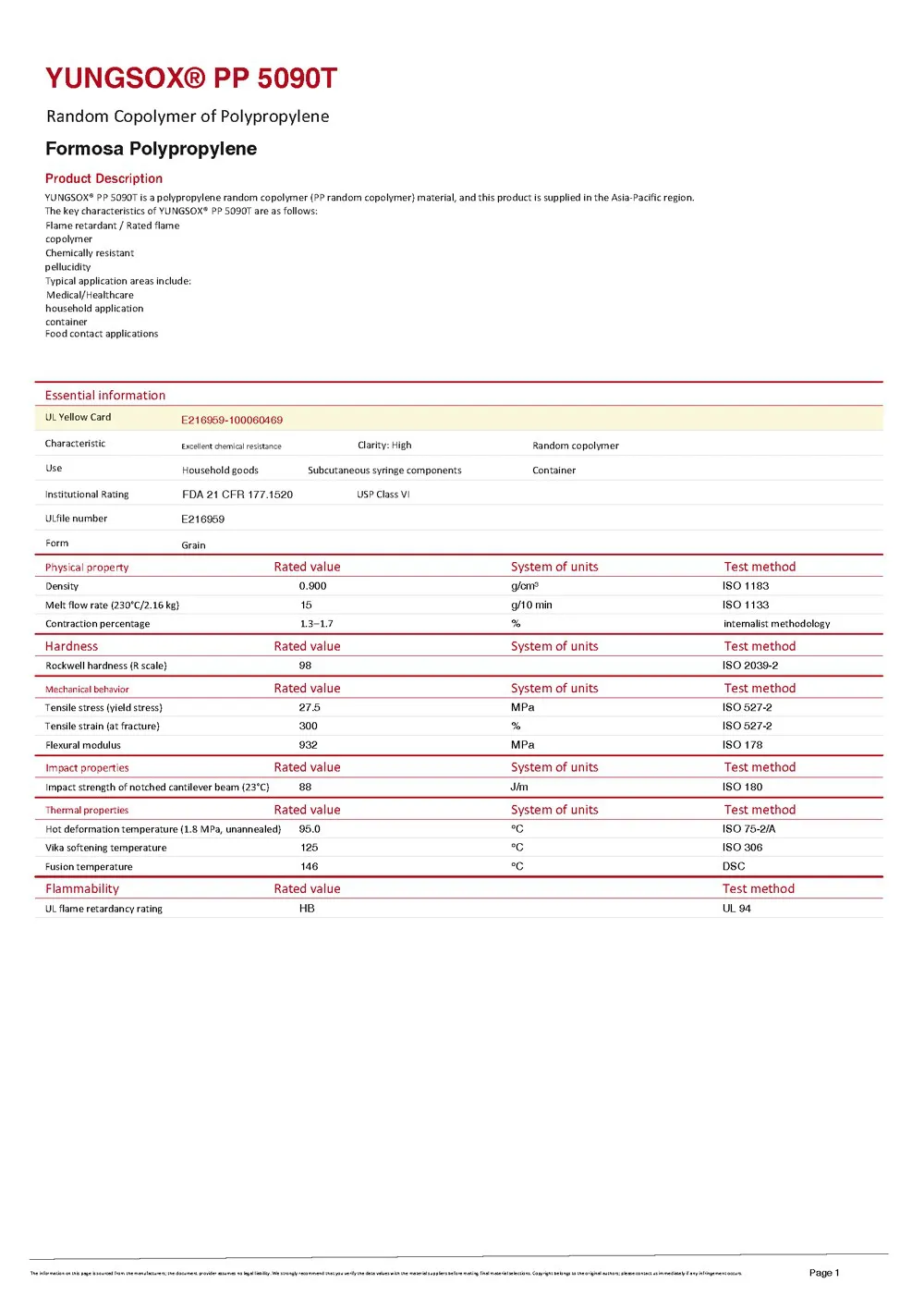
Cryogenic storage means temperatures as low as -196°C (thanks to liquid nitrogen). Not all plastics can handle that. The best vials are made from medical-grade polypropylene (PP), a material known for its cold resistance, chemical inertness, and durability. PP doesn't become brittle at low temperatures, so you won't have to worry about vials cracking when you take them out of storage. Plus, it's non-reactive, which means it won't leach chemicals into your samples—critical for maintaining sample purity, especially in pharmaceutical or clinical settings.
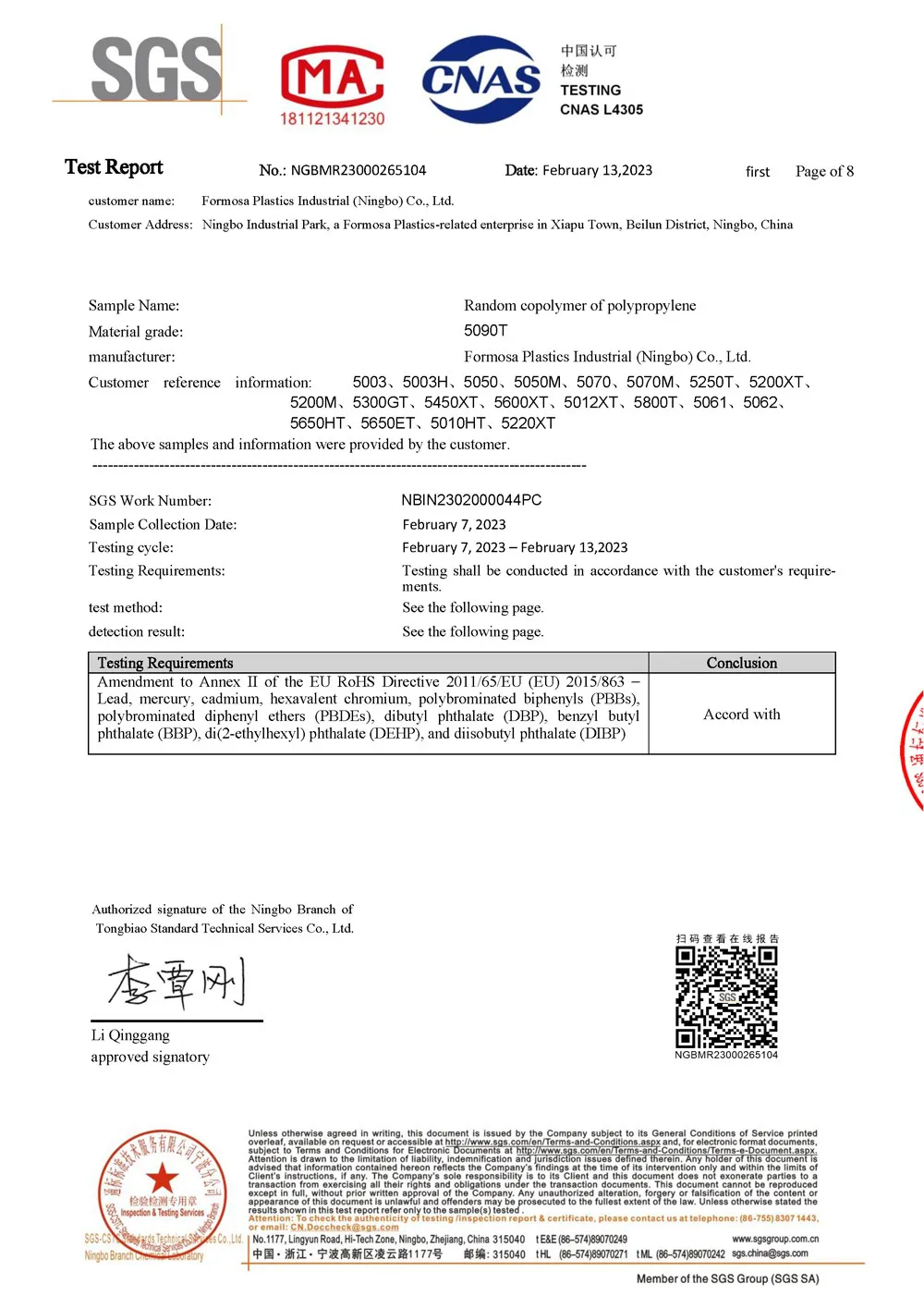
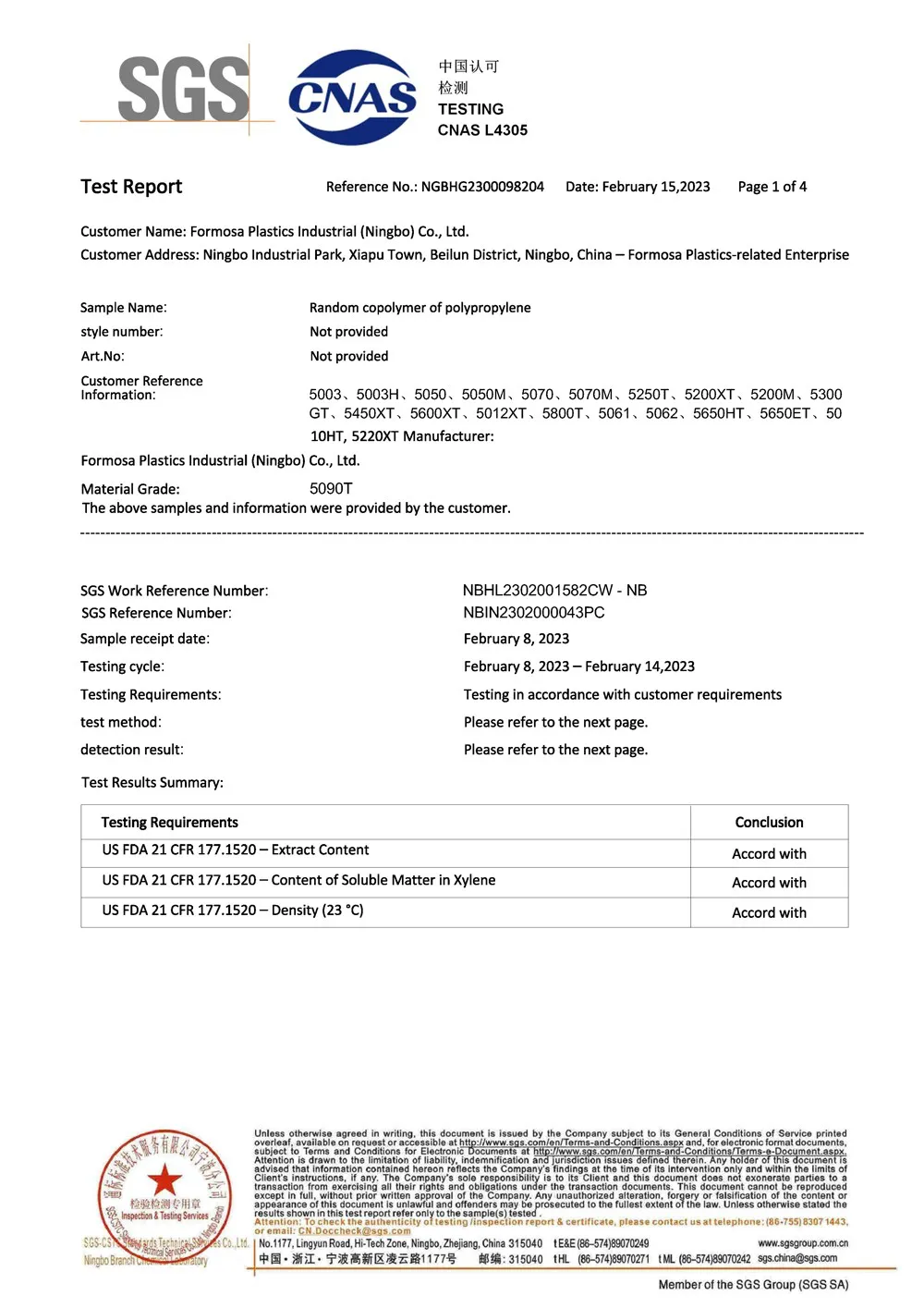
As a medical grade plastic bottles manufacturer, we prioritize materials that meet strict safety standards. Our vials are made from USP Class VI PP, which is tested for biocompatibility and toxicity, ensuring they're safe for even the most sensitive samples.
What good is a clearly marked vial if the sample leaks out? A poor seal can ruin samples, contaminate storage units, or even pose safety risks (think hazardous materials). Look for vials with silicone gaskets or O-rings in the caps—these create a tight, reliable seal that prevents liquid nitrogen from seeping in and samples from leaking out. Some vials also feature screw-top closures with ribbed edges for a better grip, making them easier to open and close even with gloves on.
We've tested our vials in real-world conditions: submerged in liquid nitrogen for 24 hours, dropped from bench height, and subjected to temperature cycles from -196°C to room temperature. The result? No leaks, no cracks, and samples that stay intact. That's the peace of mind you need when your work depends on sample integrity.
Back to markings—this is where the rubber meets the road. The best vials have large, flat marking surfaces that are easy to write on and resistant to fading. Some even come with frosted or matte areas that hold ink better than smooth plastic. For labs using barcoding or QR codes, look for vials with compatible surfaces that work with direct thermal printers or laser engraving. The goal is to have a marking that stays legible through freezing, thawing, and cleaning.
Our vials feature a wide, frosted marking panel that accepts permanent markers, barcodes, and even UV printing. We've had customers report that labels applied to these panels are still readable after 5+ years of storage—proof that durability matters.
In pharmaceutical and clinical labs, sterility is non-negotiable. Vials that come pre-sterilized save time and reduce the risk of contamination. Look for suppliers who offer vials sterilized via ethylene oxide (EO) or gamma radiation, with certificates of sterility included. Additionally, the production environment matters—vials made in a dust-free, controlled facility are less likely to have particles or contaminants that could affect your samples.
Our dust-free GMP compliant workshop ensures that every vial is manufactured in a controlled environment, with air filtration systems and strict hygiene protocols. Each batch undergoes sterility testing before shipping, so you can use them straight out of the box without extra cleaning steps.
Not all samples are the same size, so your vials shouldn't be either. From small 0.5ml vials for specimens to 5ml vials for larger cell cultures, having options means you can choose the right fit for each sample, reducing waste and improving storage efficiency. Look for suppliers that offer a variety of capacities, from micro-vials to standard sizes, so you're not stuck using a 2ml vial for a 0.2ml sample.
Pro Tip: When ordering wholesale, consider mixing capacities to cover all your needs. Most suppliers offer bulk discounts, so buying a range of sizes can be cost-effective and ensure you're prepared for any experiment.
As a leading cryogenic tubes manufacturer with over a decade of experience, we've tailored our vials to solve the specific challenges labs face. We don't just make plastic containers—we make tools that help you do your job better, safer, and more efficiently. Here's what sets our wholesale disposable cryogenic vials apart:
We offer vials in capacities from 0.5ml to 5ml, each designed with the same attention to detail. Whether you're storing small DNA samples or larger cell suspensions, there's a size that fits. Below is a quick overview of our most popular options:
| Capacity | Features | Common Uses |
|---|---|---|
| 0.5ml | External thread, conical bottom, 12mm diameter | DNA/RNA samples, small-volume reagents |
| 1.8ml | Internal thread, round bottom, 16mm diameter | Cell cultures, serum samples, clinical specimens |
| 2ml | Internal/external thread options, flat marking panel | General lab use, biobanking, pharmaceutical testing |
| 5ml | Wide mouth, external thread, sturdy construction | Large cell cultures, tissue samples, industrial testing |
Every lab is different—maybe you need vials with a specific thread size to fit your storage racks, or a unique cap color to color-code samples by project. That's where custom mold design for plastic bottles comes in. We don't believe in a "one-size-fits-all" approach. Our in-house mold design team can create custom vial shapes, sizes, or marking panels to match your workflow.
For example, one of our clients—a large biobank—needed vials with pre-printed barcodes and a unique locking cap to prevent accidental opening. We worked with their team to design a custom mold, created a prototype, and tested it in their facility before full production. The result? A vial that integrated seamlessly with their tracking system and reduced sample mix-ups by 90%. That's the power of customization.
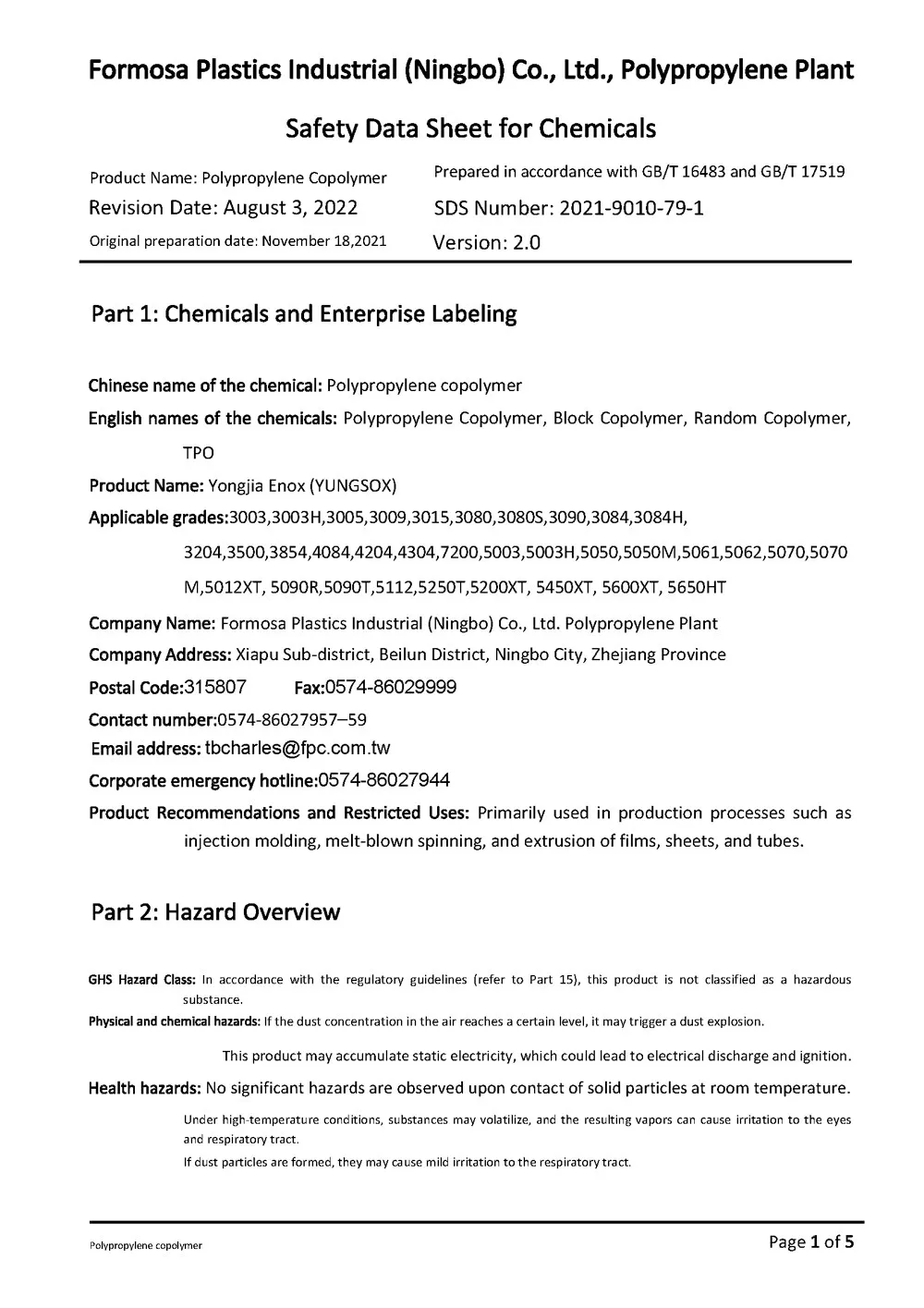
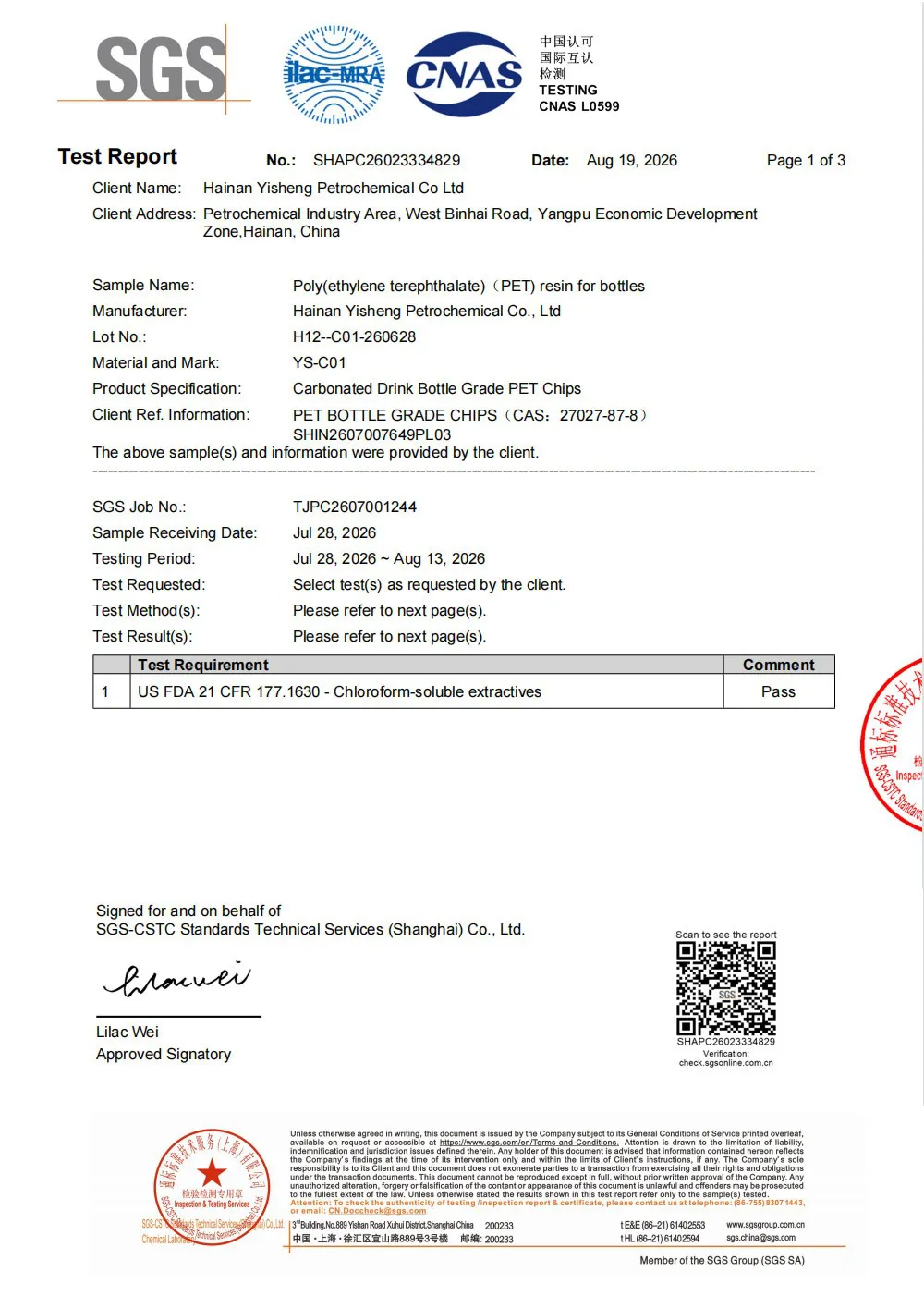
When it comes to lab supplies, certifications aren't just pieces of paper—they're proof that a supplier takes quality seriously. Our ISO9001 certified packaging factory adheres to strict quality management standards, from raw material sourcing to final inspection. Every batch of vials is tested for dimensions, seal integrity, sterility, and marking durability before it leaves our facility.
We also operate a dust-free GMP compliant workshop, which is essential for pharmaceutical and medical device production. This means our vials are manufactured in a controlled environment with filtered air, regular cleaning protocols, and strict personnel hygiene requirements. For labs working with FDA-regulated products or clinical samples, this level of compliance isn't optional—it's required.
More labs are prioritizing sustainability these days, and we're right there with them. While cryogenic vials are single-use (for sterility reasons), we're committed to reducing our environmental impact. Our vials are made from recyclable PP, and we use minimal packaging to reduce waste. We also offer bulk packaging options to cut down on individual plastic wrapping—great for labs looking to go green without compromising on quality.
To put this in perspective, let's look at how our cryogenic vials are used in real labs and facilities. These aren't just "containers"—they're critical tools in life-saving research and patient care.
Biobanks store millions of samples for long-term research, from genetic material to tissue samples. These samples need to remain viable for decades, which means the vials must withstand years of cryogenic storage. One of our clients, a leading biobank in Europe, uses our 2ml internal thread vials for their genetic sample collection. The clear marking panel allows them to add barcodes and patient IDs, while the sterile packaging ensures samples stay contamination-free. After five years of storage, they report 100% sample viability and zero labeling issues—results that speak for themselves.
In clinical settings, time is everything. Labs processing patient samples need vials that are easy to label, stack, and retrieve. A hospital lab in Asia switched to our 1.8ml vials with conical bottoms because they fit better in their automated sample handlers, reducing jams and processing time. The frosted marking panel also means technicians can quickly write patient IDs with a marker, even when wearing gloves—no more smudged labels or delays in reporting results.
Pharmaceutical companies rely on cryogenic vials to store drug candidates, reagents, and stability-testing samples. These vials need to meet strict regulatory standards, which is why our ISO 9001 and GMP certifications are so important. A major pharma client uses our 5ml vials for stability testing, where samples are subjected to temperature cycles over months. The leak-proof seal and chemical-resistant PP ensure the samples remain pure, giving them accurate data on drug shelf life.
With so many suppliers out there, why should you trust us with your cryogenic vial needs? Here's the short answer: we've been in your shoes. Our team includes former lab technicians and quality managers who understand the challenges you face daily. We don't just sell products—we partner with you to find solutions that make your workflow smoother, safer, and more efficient.
Here are a few more reasons labs and facilities around the world choose us:
At the end of the day, your samples are more than just liquids in plastic—they're the foundation of your work. Choosing the right cryogenic vials is an investment in accuracy, reliability, and peace of mind. With clear markings, durable materials, and strict quality standards, our wholesale disposable cryogenic vials are designed to protect what matters most: your samples, your research, and your reputation.
Whether you're a small lab just starting out or a large biobank looking to scale, we're here to support you. Contact us today to discuss your needs, request a sample, or learn more about our custom options. Let's build a partnership that helps your lab thrive—one vial at a time.