Email: info@mggpacking.com | Tel: +86-13510174848 ( Mr. Yao)


When you pick up a bottle of essential oil, a serum, or a medicinal tincture, have you ever stopped to think about the container holding that precious liquid? More often than not, it's a glass dropper bottle—and for good reason. These small but mighty containers are the unsung heroes of industries from cosmetics to pharmaceuticals, quietly ensuring that liquids are stored safely, dispensed accurately, and presented beautifully. Today, we're diving deep into the world of wholesale glass dropper bottles, focusing on what makes a reliable supplier, why compliance matters, and how these bottles adapt to everything from your morning facial oil to life-saving medications.
If you're in the market for glass dropper bottles—whether you're a small-batch essential oil brand, a pharmaceutical manufacturer, or a lab supplier—you know the stakes are high. The wrong bottle can compromise product quality, fail regulatory checks, or even harm end-users. That's where partnering with a supplier that prioritizes medical and food-grade compliance becomes non-negotiable. Let's break down what you need to know, and why choosing the right wholesale partner makes all the difference.
Glass dropper bottles aren't just "containers"—they're precision tools designed to protect, preserve, and dispense liquids with care. Unlike plastic, glass is inert, meaning it won't react with the liquids inside. That's a big deal for sensitive formulas like essential oils (which can degrade in plastic), pharmaceutical tinctures (which need to stay pure), or even food extracts (which require non-toxic storage). Add a dropper to the mix, and you've got a package that lets users measure exact amounts—no more guesswork, no more waste.
But not all glass dropper bottles are created equal. The best ones balance functionality, durability, and design. Let's start with the basics: materials. Most high-quality dropper bottles use borosilicate glass, a type of glass known for its resistance to thermal shock and chemical corrosion. Think about it—if you're storing a CBD oil that might sit in a hot car or a lab reagent that needs to withstand temperature changes, borosilicate glass won't crack or leach chemicals. Then there's the dropper itself: a rubber bulb (or plastic pipette for travel-friendly options) attached to a glass or plastic tube, calibrated to deliver consistent drops every time. And let's not forget the cap—whether it's a child-resistant closure for pharmaceuticals or a sleek matte finish for luxury cosmetics, the cap adds both safety and style.
| Capacity | Glass Type | Key Feature | Ideal For |
|---|---|---|---|
| 5ml-10ml | Amber Borosilicate | UV Protection | Essential Oils, Perfume Samples |
| 15ml-30ml | Clear Borosilicate | Calibrated Dropper | Facial Serums, CBD Tinctures |
| 30ml-60ml | Amber/Blue Glass | Child-Resistant Cap | Pharmaceutical Tinctures, Herbal Extracts |
| 120ml+ | Clear Soda-Lime Glass | Wide Mouth | Lab Reagents, Bulk Food Extracts |
Here's the hard truth: if you're selling products that touch skin, enter the body, or are used in medical settings, cutting corners on compliance is a risk you can't afford. Imagine a skincare brand that uses a non-medical grade dropper bottle, only to have the glass leach chemicals into their facial oil—resulting in customer rashes and a damaged reputation. Or a pharmaceutical company that skips GMP certification, leading to contaminated medication and a product recall. Compliance isn't just about checking boxes; it's about protecting your customers and your business.
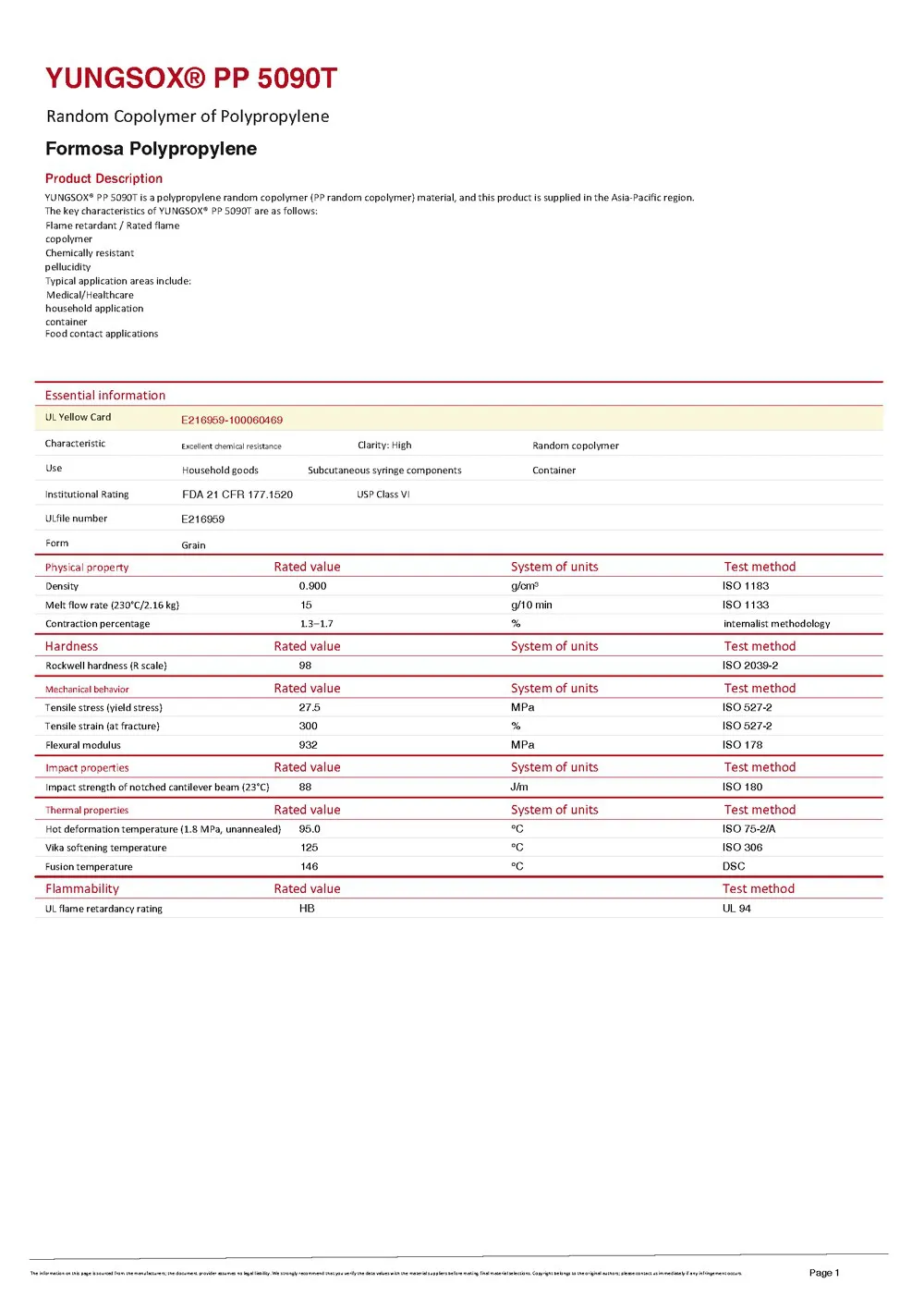
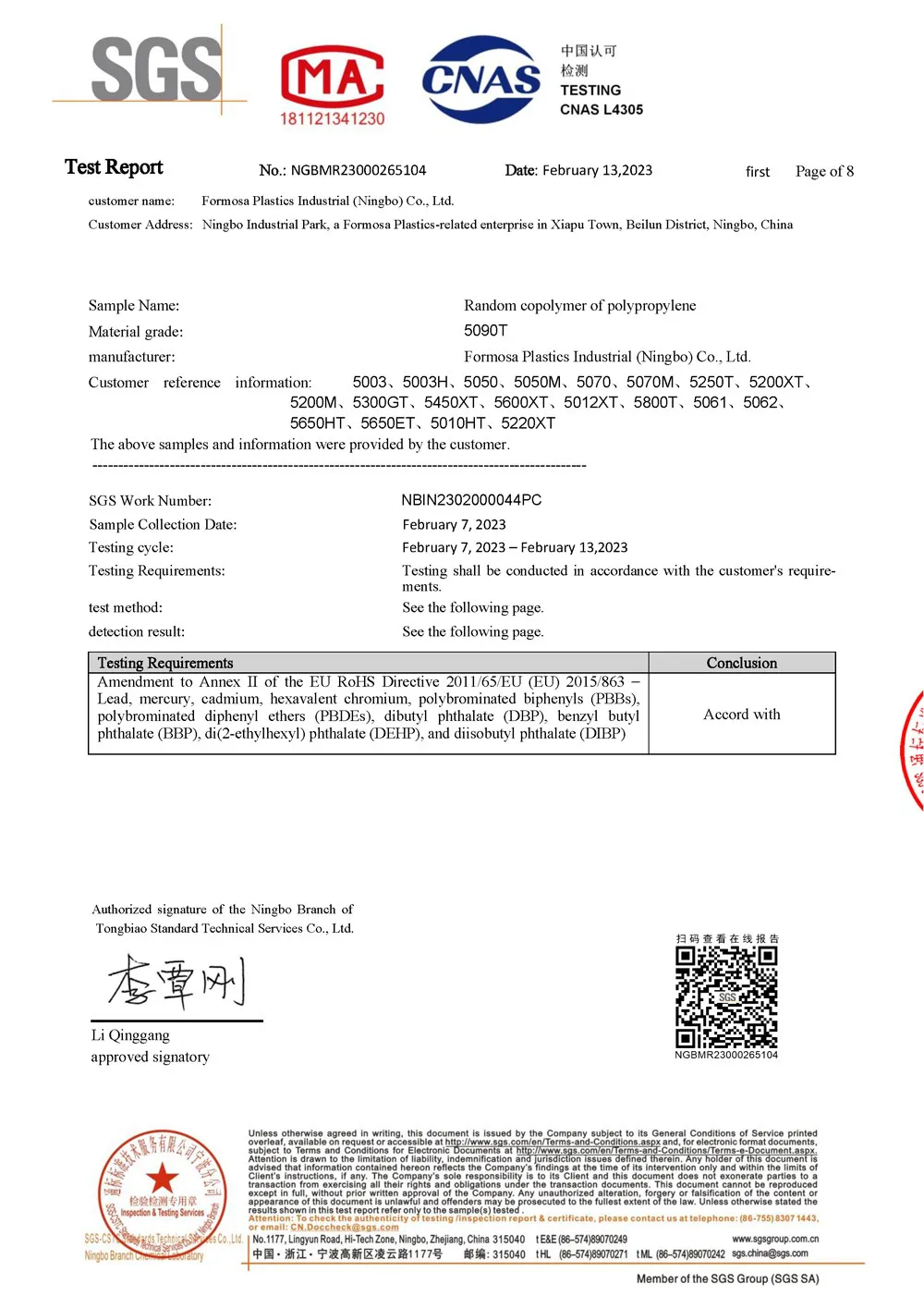
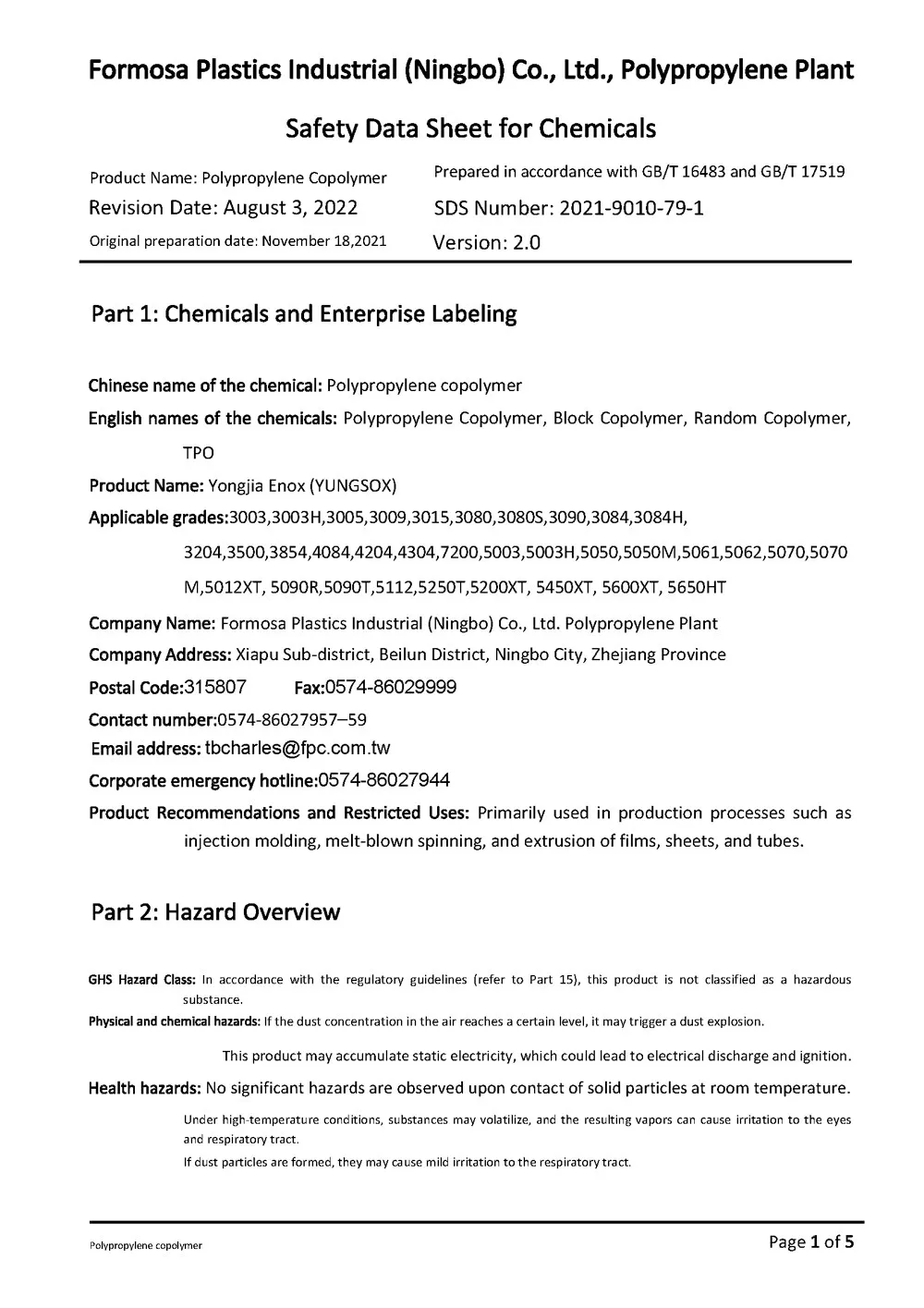
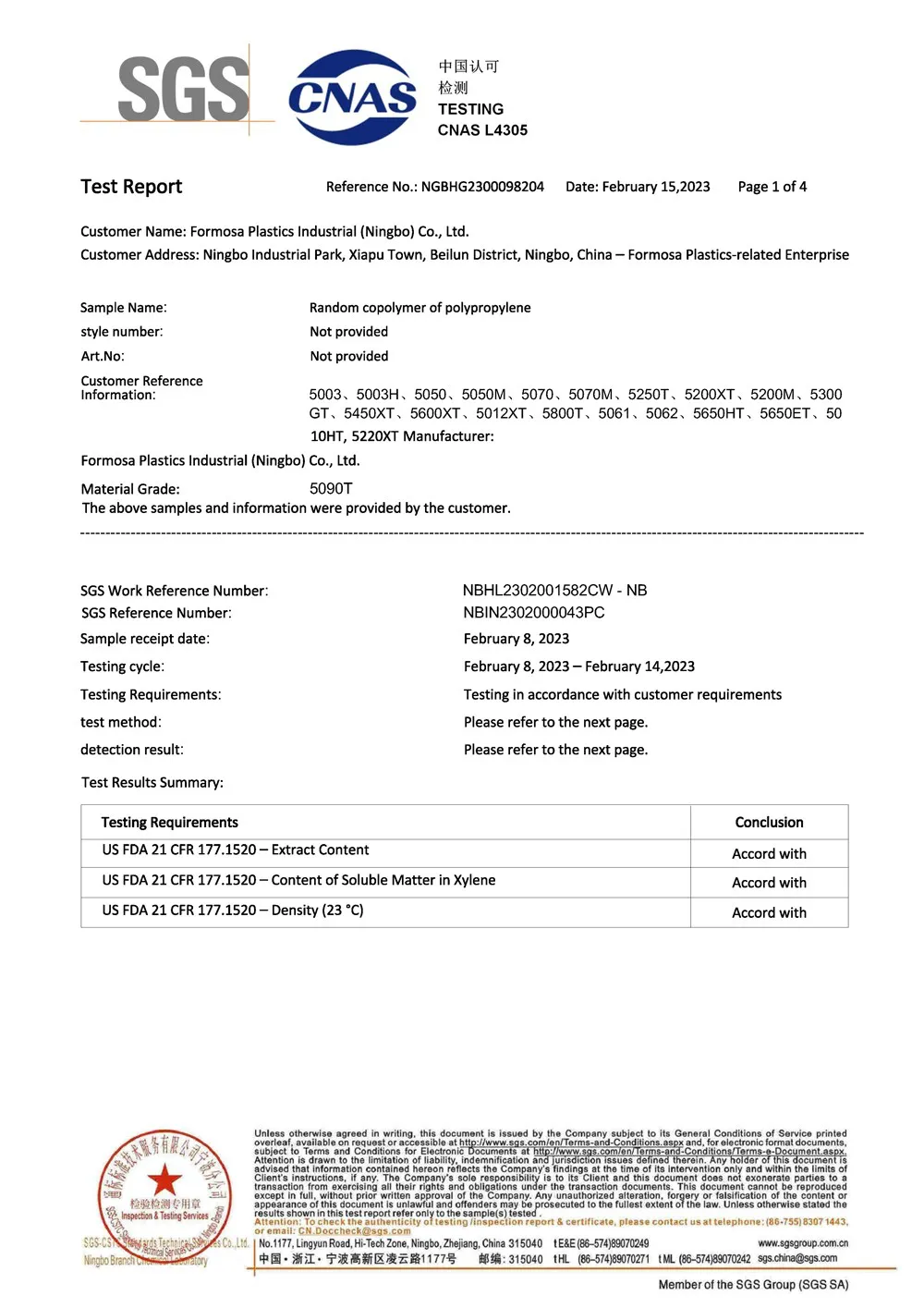
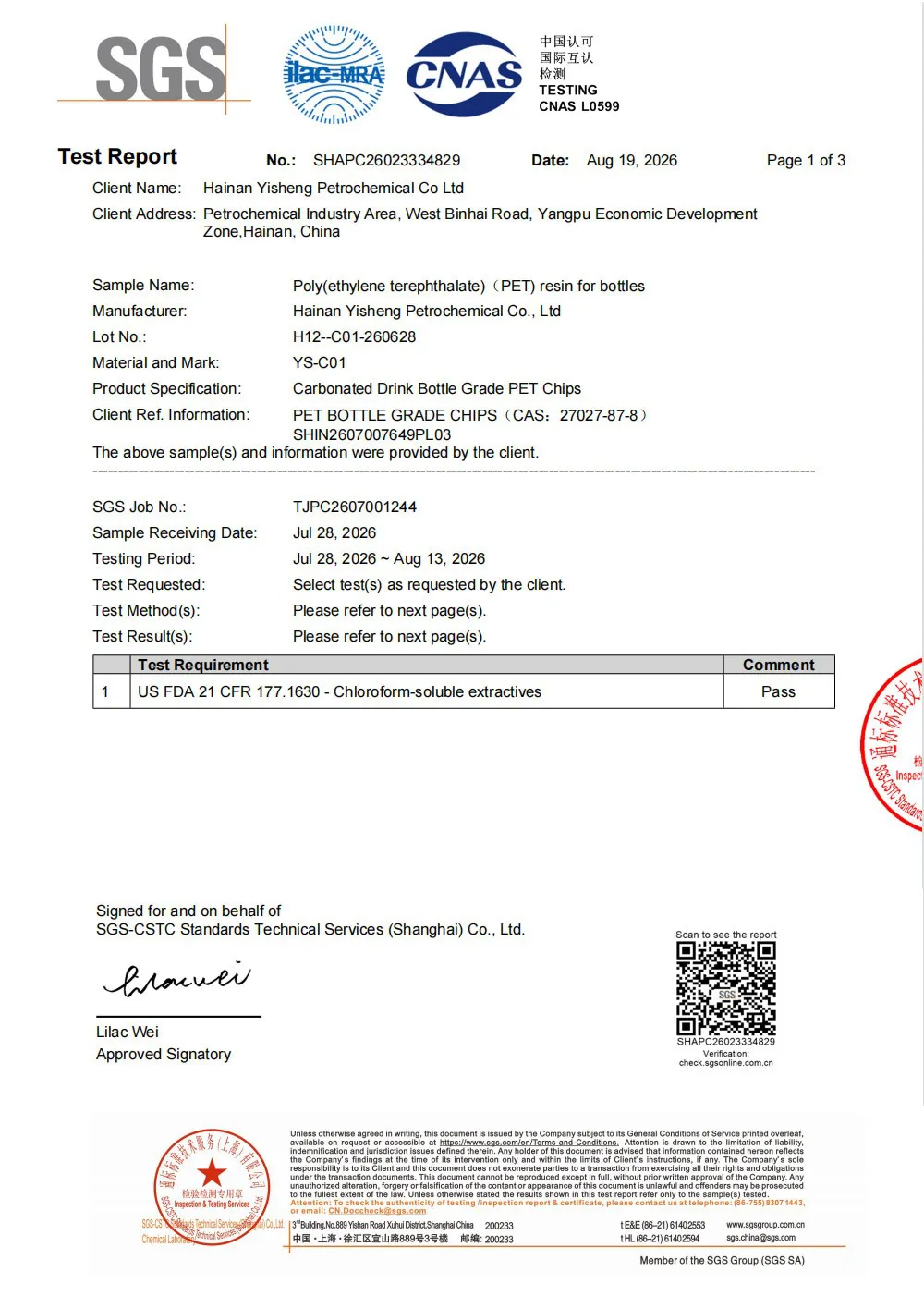
So what does "compliance" actually look like for glass dropper bottles? Let's start with certifications. ISO 9001:2015 is a global standard for quality management systems, ensuring that every step—from raw material sourcing to production to shipping—is consistent and controlled. Then there's GMP (Good Manufacturing Practices), which is critical for pharmaceutical and medical products. A GMP-compliant workshop means dust-free environments, strict hygiene protocols, and regular equipment sterilization—all to prevent contamination. For food-grade products, suppliers should meet FDA (Food and Drug Administration) standards, confirming that the glass and any liners (like rubber bulbs) are safe for contact with consumables.
At our facility, compliance is built into every process. Our workshops are designed with air filtration systems to maintain a dust-free environment, and every batch of glass is tested for chemical leaching before production starts. We also keep detailed records of every order—from the glass melting temperature to the dropper calibration—so if you ever need to trace a product, we've got you covered. It's this level of rigor that makes us a trusted essential oil dropper bottle supplier and a go-to for pharmaceutical companies worldwide.
Glass dropper bottles are chameleons—they adapt to just about any industry. Let's take a walk through some real-world uses to see why they're so versatile.
Walk into any beauty store, and you'll spot glass dropper bottles on the shelves—often in sleek amber or frosted finishes. Why? Because skincare formulas are delicate. Take facial serums, for example: packed with vitamins like C or retinol, these ingredients break down in sunlight. That's where amber glass dropper bottles come in—their tint blocks UV rays, keeping serums potent for longer. And the dropper? It lets users apply just 2-3 drops, avoiding overuse that can irritate skin. Even luxury brands love them—add a custom logo etched into the glass, and suddenly a simple bottle feels like a high-end accessory.
Essential oil brands are another big fan. If you've ever bought lavender or tea tree oil, you've probably noticed it comes in a small glass dropper bottle. That's because essential oils are volatile—they evaporate quickly and can eat through plastic. Glass keeps them fresh, and the dropper makes it easy to blend oils for diffusers or topical use. A 10ml amber bottle is perfect for travel-sized oils, while a 30ml bottle works for everyday use. And for brands that want to stand out? Custom colors or frosted glass add that "premium" touch without breaking the bank.
In the medical world, precision is everything. A few extra drops of a medication could be dangerous, while too few might render it ineffective. That's why calibrated glass dropper bottles are a staple here. These bottles have markings on the dropper (like 0.5ml, 1ml) so patients or healthcare providers can measure exact doses. Think about cough syrups for kids, where parents need to give 5ml exactly, or CBD tinctures for pain management, where users adjust doses based on their needs. Calibrated droppers take the guesswork out, making treatments safer and more effective.
Then there's the issue of contamination. Medical-grade glass dropper bottles are produced in GMP-compliant, dust-free workshops. That means no bacteria, no particles, no impurities—critical for products like eye drops, nasal sprays, or injectable medications (though droppers here are usually for oral use). Even the caps matter: child-resistant closures are mandatory for many pharmaceuticals to prevent accidental ingestion, while tamper-evident seals give patients peace of mind that their medication hasn't been opened or altered.
Labs rely on glass dropper bottles to store and dispense reagents, solvents, and samples. Why glass? Because it's non-reactive. When you're mixing chemicals or storing DNA samples, you don't want the container to interact with the contents. Borosilicate glass dropper bottles are a lab favorite—they can handle everything from acids to alcohols without corroding. Plus, the dropper allows for precise transfers—no more spilling expensive reagents or compromising experiments with messy pours.
Some labs even use specialized dropper bottles, like those with amber glass to protect light-sensitive compounds or sterile, pre-sterilized options for cell culture work. And since labs often need large quantities, wholesale glass dropper bottles make sense—bulk ordering cuts costs, and consistent quality ensures experiments are reproducible. After all, if your dropper bottle leaches chemicals in one batch and not the next, your results won't be reliable.
Glass dropper bottles aren't just for beauty and medicine—they're also used in the food industry. Think vanilla extract, almond extract, or even CBD-infused honey. These products need to stay fresh, free from plastic odors, and safe for consumption. Glass is non-porous, so it won't absorb flavors or odors, and food-grade certifications (like FDA approval) ensure the glass and dropper materials are non-toxic. A small 15ml bottle is perfect for home bakers who only need a few drops of extract per recipe, while larger 60ml bottles work for commercial kitchens.
Let's be honest—your packaging is part of your brand's first impression. A generic glass dropper bottle might work, but a custom one? It makes customers remember you. That's why the best wholesale suppliers offer more than just "off-the-shelf" options—they let you design a bottle that's uniquely yours. From mold design to logo printing, the possibilities are endless.
Custom mold design for plastic bottles is often a talking point, but glass dropper bottles can be customized too. Want a unique shape? Maybe a square bottle instead of round for your CBD line, or a curved neck for your luxury perfume samples. A good supplier will work with you to create 3D designs, then test the mold for free to ensure it works before full production. No more investing in a mold that doesn't fit your product!
Then there's the finishing touches. Etching a logo into the glass adds a subtle, high-end look—no peeling labels, no fading ink. For a more vibrant option, silk-screen printing lets you add colors that match your brand palette. Even the dropper and cap can be customized: swap out the standard rubber bulb for a colored one, or choose a cap with a matte or metallic finish. And if you're worried about minimum order quantities (MOQs)? Many suppliers, including ours, offer low MOQs for custom designs, so even small brands can afford to stand out.
Take it from a client we worked with last year: a small essential oil company wanted to launch a "calm" collection. They chose 30ml amber glass dropper bottles (perfect for their lavender and chamomile oils), added a frosted finish for a soft look, and had their logo etched in gold. The result? Their bottles became Instagram stars, with customers posting unboxing videos just to show off the packaging. Sales spiked 40% in the first month. That's the power of custom packaging—it turns a product into an experience.
So you're sold on glass dropper bottles—now, how do you choose a supplier? It's not just about price. You need a partner who understands your industry, prioritizes quality, and makes the process easy. Here's what sets the best suppliers apart:
We mentioned ISO 9001 and GMP earlier, but let's dig deeper. A certified supplier doesn't just "have" the certifications—they live by them. That means regular audits, staff training, and a commitment to continuous improvement. When we say our workshop is dust-free, we mean it: we use HEPA filters, require staff to wear sterile gowns, and test air quality daily. For pharmaceutical clients, we even provide batch-specific compliance reports, so you can trace every bottle back to its production date and quality checks. No shortcuts, no exceptions.
Ever received a bottle with a cracked dropper or a cap that leaks? That's the result of poor quality control. The best suppliers inspect every bottle—by hand and by machine—before it ships. We check for things like glass thickness (too thin, and it breaks; too thick, and it's heavy), dropper calibration (does it deliver 20 drops per ml, like it should?), and cap tightness (no leaks, even when shaken). We also test for chemical resistance: we'll put a sample bottle through weeks of exposure to your product to ensure the glass and dropper don't react. It's extra work, but it means you get bottles that perform—every single time.
Ordering wholesale shouldn't feel like a transaction. It should feel like a collaboration. That's why we assign a dedicated account manager to every client. Whether you're a first-time buyer confused about bottle sizes or a large manufacturer needing help with a rush order, your manager is there to guide you. Need help with design? Our in-house team can tweak your logo for better etching. Worried about shipping? We'll work with you to choose the fastest, most cost-effective method—whether it's air freight for a quick turnaround or sea freight for bulk orders. And if something goes wrong? We fix it—no blame, no hassle.
One of our long-time clients, a pharmaceutical company in Europe, recently needed to launch a new tincture line in just 8 weeks. Normally, custom mold design and production takes 12 weeks, but we fast-tracked their order, prioritized their mold testing, and even arranged for express shipping. They made their launch date, and we've been their sole supplier ever since. That's the kind of service that turns clients into partners.
These days, sustainability isn't a "nice-to-have"—it's a must. Consumers are checking labels, and brands are under pressure to reduce their environmental footprint. Glass dropper bottles are already a greener choice than single-use plastic, but the best suppliers take it a step further. For starters, glass is 100% recyclable, and it can be recycled infinitely without losing quality. Many suppliers, including us, also offer PCR (post-consumer recycled) glass options—bottles made from old glass that's been melted down and reused. It's a small change that makes a big difference for brands marketing themselves as eco-friendly.
Then there's the issue of waste. Wholesale ordering means fewer shipments, which reduces carbon emissions. Some suppliers also use minimal packaging—recyclable cardboard boxes instead of plastic bubble wrap, for example. And for brands that want to go the extra mile? Refillable glass dropper bottles are a hit. Imagine a skincare line where customers buy a full bottle once, then order refills in compostable pouches. It cuts down on packaging waste and builds customer loyalty—win-win.
At the end of the day, glass dropper bottles are more than just containers—they're a reflection of your brand's commitment to quality, safety, and innovation. Whether you're storing essential oils, dispensing medication, or packaging lab reagents, the right bottle protects your product, impresses your customers, and keeps you compliant with industry standards.
So why settle for generic? Partner with a wholesale supplier who offers medical and food-grade compliance, customization options, and a team that cares about your success. From 10ml amber bottles for your essential oil line to calibrated 30ml bottles for your pharmaceutical tinctures, we've got the expertise and the passion to bring your vision to life. Let's create something that not only holds your product but tells your story—one drop at a time.