Email: info@mggpacking.com | Tel: +86-13510174848 ( Mr. Yao)


Picture this: It's 2 AM in the lab, and you're staring at a row of cryogenic storage tanks, holding your breath as you carefully lower a rack of samples into the -196°C. The next morning, you return to find one tube cracked, its contents spilled—a month's worth of cell culture work, gone. Sound familiar? For researchers, lab managers, and pharmaceutical teams, the right cryotube isn't just a container; it's the silent guardian of irreplaceable biological samples. That's where we come in.
As a dedicated cryogenic tubes manufacturer with over a decade of experience, we've built our reputation on solving these exact pain points. Our non-pyrogenic cryotubes aren't just products—they're the result of listening to scientists like you, understanding the stress of sample loss, and engineering solutions that let you focus on what matters: breakthroughs, not broken tubes.
Let's start with the basics: What makes a cryotube "non-pyrogenic," and why should you care? Pyrogens are fever-causing substances that can sneak into lab supplies during manufacturing—think residual chemicals or bacterial fragments. In a regular tube, they might not seem like a big deal, but when you're storing sensitive cells, vaccines, or embryos, even a tiny pyrogen can skew results or destroy samples entirely.
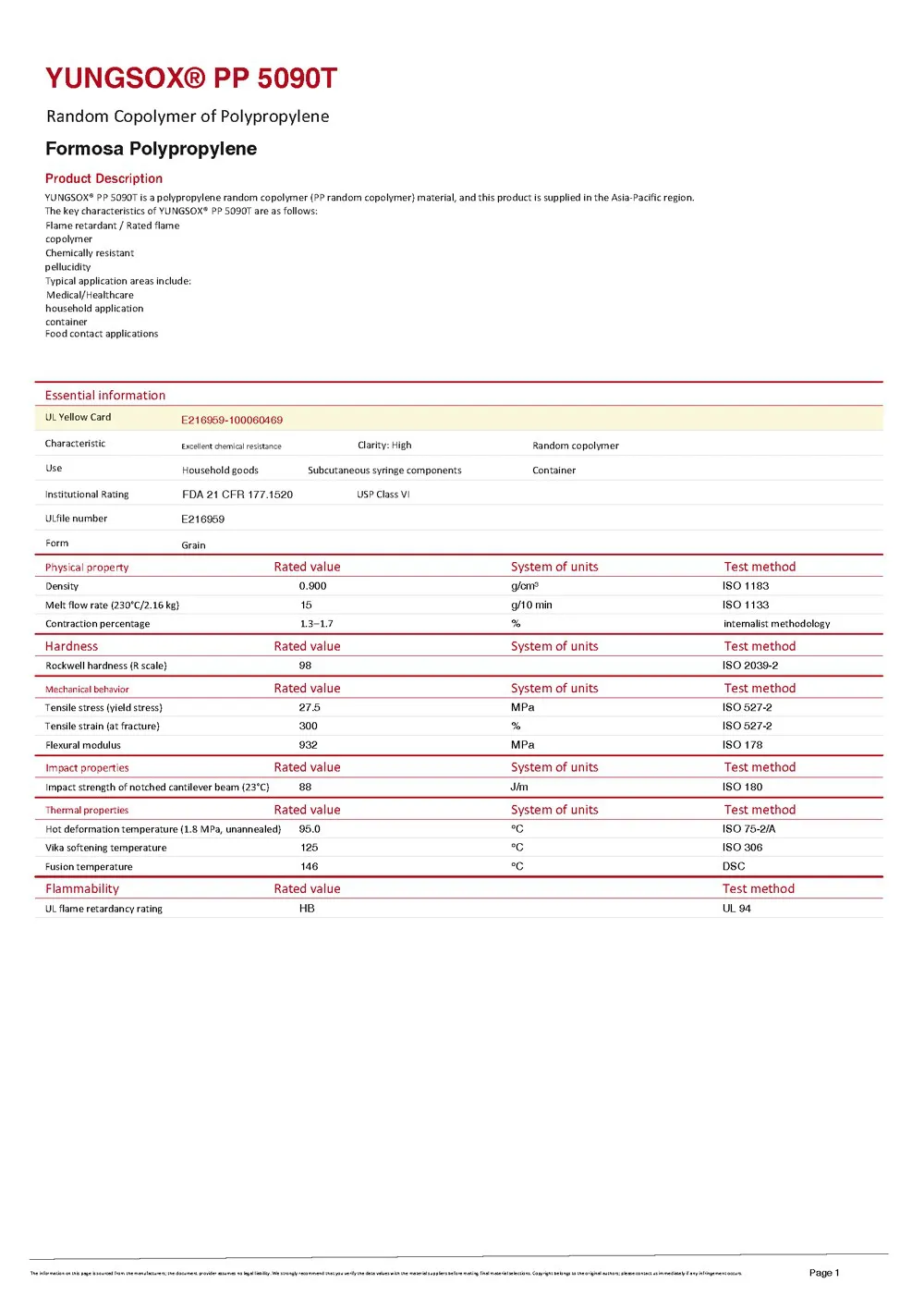
Our tubes undergo rigorous depyrogenation processes, including high-temperature baking and chemical washing, to ensure every unit meets USP <788> standards. We once had a client tell us, "After switching to your tubes, our cell viability rates jumped by 12% overnight." That's the difference non-pyrogenic quality makes—it turns "maybe this works" into "I trust this with my research."
Sterility isn't just a checkbox for us; it's a promise. Each cryotube is sterilized using either EO gas or gamma irradiation, with a sterility assurance level (SAL) of 10⁻⁶—meaning there's less than a one-in-a-million chance of contamination. But we don't stop there: Our dust-free GMP compliant workshop ensures no particles creep in post-sterilization. Imagine a space where even the air is filtered 15 times an hour, and workers wear head-to-toe cleanroom gear—because when you're handling samples that take months to grow, "almost sterile" isn't enough.
Ever had a tube crack when moving from liquid nitrogen to a -80°C freezer? It's not just frustrating—it's dangerous. Our cryotubes are made from medical-grade polypropylene (PP), a material that stays flexible even at -196°C. We test each batch through 500 freeze-thaw cycles (yes, 500!) to make sure they can handle the kind of temperature swings your lab throws at them. Plus, the silicone gasket in our caps creates a leak-proof seal that won't loosen, even after repeated use. One virology lab told us they've been using the same batch of our 2ml tubes for over a year—no leaks, no cracks, just reliable storage.
We know labs come in all shapes and sizes, so we offer a range of to match your needs. Here's a quick breakdown of our most popular options:
| Capacity | Thread Type | Bottom Design | Key Features | Common Uses |
|---|---|---|---|---|
| 0.5ml | Internal | Conical | Barcoded, writable surface | PCR samples, small cell aliquots |
| 1.8ml / 2ml | Internal/External | Conical/Round | Silicone gasket, stackable | Cell freezing, stem cell storage |
| 5ml | External | Round | Wide mouth for easy filling | Vaccine samples, bulk reagents |
Need something custom? Maybe a longer tube for your centrifuge or a unique cap color to color-code samples? Our custom mold design for plastic bottles service has you covered. We've helped clients create everything from 0.2ml micro-tubes for IVF clinics to 10ml tubes with built-in mixing balls for diagnostic labs. And yes—we offer free mold testing, so you can see your design in action before committing.
You wouldn't buy a car without checking under the hood, so why trust your samples to a factory you know nothing about? Let's pull back the curtain:
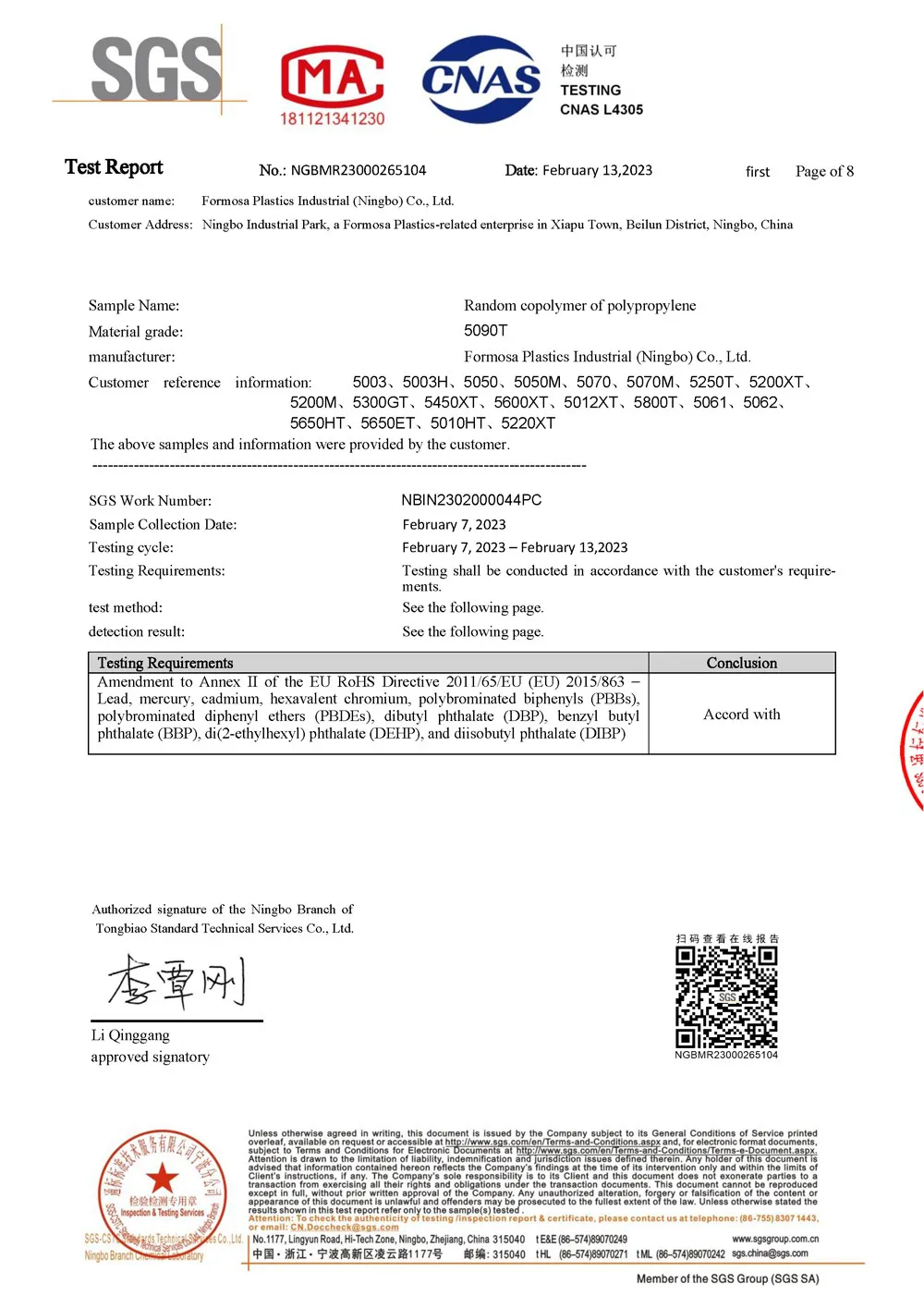
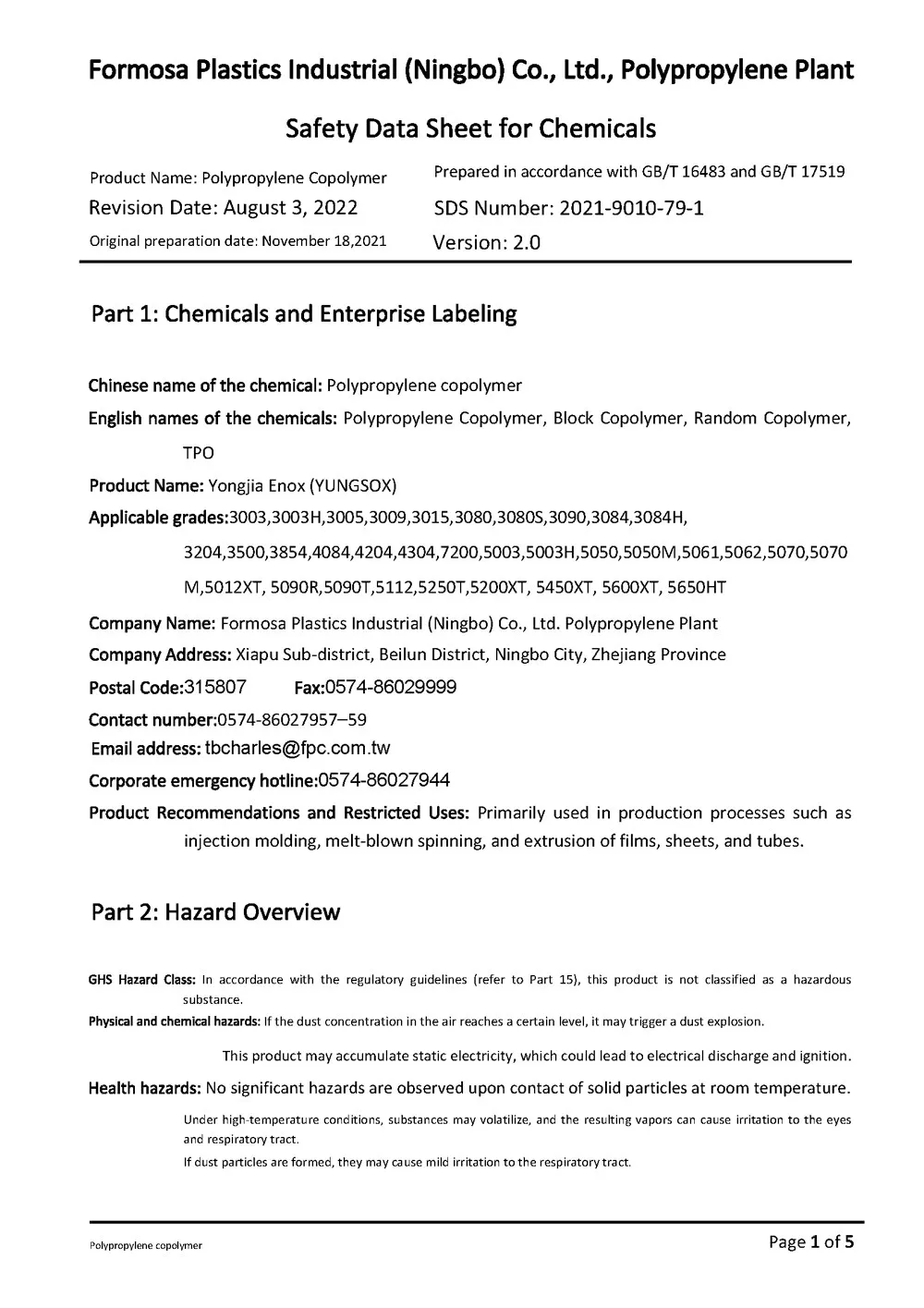
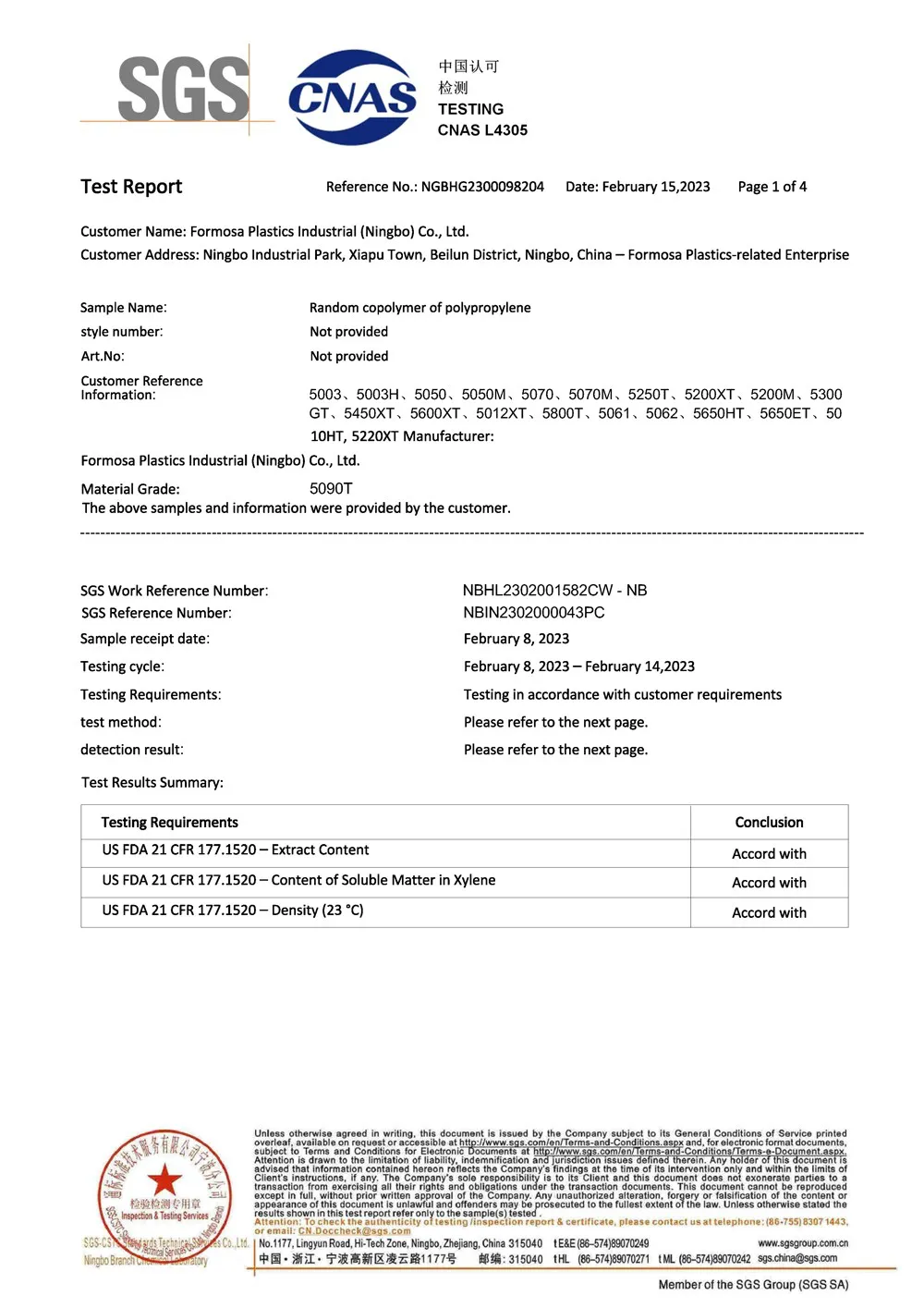
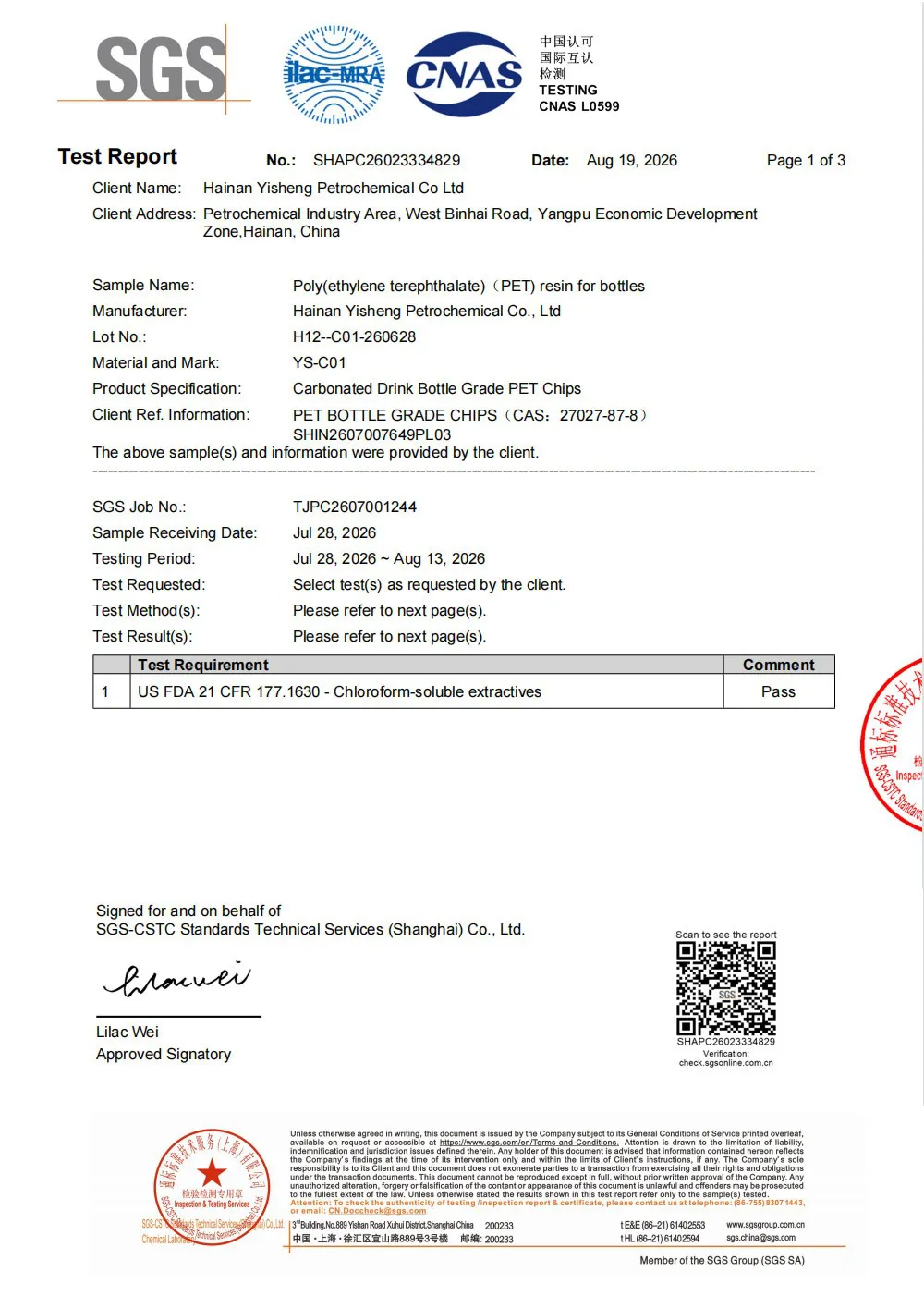
As an ISO 9001 certified packaging factory , we don't just follow standards—we live them. From raw material inspection (we only use FDA-approved PP resin) to final packaging, every step is documented and audited. Our quality control team tests 1 out of every 100 tubes for leaks, tensile strength, and pyrogen levels. If even one fails, the entire batch is rechecked. It's strict, but that's how we've maintained a 99.7% customer retention rate for the past five years.
Our GMP-compliant workshop isn't just for show. It's designed to meet the same standards as pharmaceutical manufacturing facilities, with separate zones for molding, assembly, and sterilization to prevent cross-contamination. We even track each tube with a batch number, so if you ever have a question, we can trace it back to the exact day it was made, who inspected it, and which sterilizer it went through. Transparency isn't just good practice—it's how we build trust.
We get it: Lab budgets are tight. You need high quality, but you also need to keep costs down. That's why we focus on wholesale pricing that makes sense. By manufacturing in-house (no middlemen!) and optimizing our production lines, we can offer bulk orders at 15-20% below market average. For example, a case of 1000 2ml cryotubes starts at just $0.55 per unit—medical grade, sterile, non-pyrogenic, and still affordable.
One university lab recently told us they saved $12,000 in a year by switching to our wholesale program. "We were paying premium prices for a 'brand name' tube, but yours work just as well—if not better," they said. That's the kind of feedback that drives us: proving you don't have to choose between quality and cost.
At the end of the day, we're not just selling cryotubes—we're selling peace of mind. Whether you're a small research lab working on a breakthrough vaccine or a biotech company scaling up production, we're here to make your job easier. From custom designs to bulk orders, from sterility testing to on-time delivery, we treat your samples like they're our own.
So why wait? Let's talk about how our non-pyrogenic cryotubes can support your next big project. Request a free sample today, and see the difference medical-grade quality makes. After all, your research deserves the best—and so do you.