Email: info@mggpacking.com | Tel: +86-13510174848 ( Mr. Yao)


In the competitive world of supplements and vitamins, where countless brands jostle for attention on store shelves and online marketplaces, the right packaging isn't just a container—it's your brand's first impression. It's the silent salesman that communicates quality, safety, and trust to consumers before they even open the bottle. For B2B buyers, choosing the perfect packaging partner means balancing functionality, compliance, and brand identity—and when it comes to vitamin packaging, few options tick all these boxes like custom high-density polyethylene (HDPE) bottles with logo embossing, especially when paired with private label services.
This article dives into why wholesale private label HDPE bottles with logo embossing have become the gold standard for vitamin and supplement brands. From the unmatched durability of HDPE to the power of custom branding, we'll explore how these packaging solutions not only protect your products but also elevate your brand in a crowded market. We'll also touch on critical factors like compliance with global standards, safety features like child-resistant caps, and sustainable practices that modern consumers demand. Whether you're a startup looking to launch your first supplement line or an established brand scaling production, this guide will walk you through everything you need to know about choosing the right packaging partner and products.
Before we dive into the specifics of HDPE bottles and logo embossing, let's take a step back and understand why packaging is so critical for vitamin brands. Vitamins and supplements are personal care products that consumers trust with their health—so the packaging must reflect that trust. A poorly designed or low-quality bottle can signal to buyers that the product inside is also low quality, even if that's not the case. On the flip side, a well-crafted, branded bottle can differentiate your product, enhance shelf appeal, and encourage repeat purchases.
Consider this: when a consumer is browsing a supplement aisle, they're bombarded with dozens of options. The packaging is often the first thing they notice. A bottle with a clear, embossed logo stands out more than a generic, unbranded one. It communicates professionalism and attention to detail—traits that consumers associate with quality. Additionally, vitamins are sensitive products; they can degrade when exposed to light, moisture, or air. The right packaging protects the integrity of the formula, ensuring that customers receive a fresh, effective product every time. This isn't just about aesthetics—it's about preserving the value of your product and maintaining customer trust.
When it comes to choosing the material for vitamin bottles, high-density polyethylene (HDPE) stands head and shoulders above the competition. But why is HDPE the preferred choice for supplement brands worldwide? Let's break down its key advantages:
These benefits have made HDPE the go-to material for hdpe pill bottles with child-resistant cap and other vitamin packaging solutions. Whether you're packaging daily multivitamins, herbal supplements, or specialized formulas, HDPE bottles provide the perfect balance of protection, durability, and affordability.
In today's market, standing out means more than just having a great product—it means having a brand that resonates with consumers. That's where private label plastic packaging comes in. Private label allows you to customize every aspect of your packaging, from the bottle shape and color to the cap design and labeling, ensuring that your product reflects your brand's unique identity.
The private label process typically starts with a consultation. You'll work with your packaging supplier to outline your needs: bottle size, shape, color, cap type, and any special features (like child-resistant closures or tamper-evident seals). From there, the supplier will create design mockups, and once approved, develop a custom mold. This mold is used to produce your bottles, which are then filled, capped, and packaged according to your specifications.
One of the biggest advantages of private label is control. You're not limited to generic, off-the-shelf bottles—you can create something that's uniquely yours. For example, if your brand focuses on sustainability, you might opt for a sleek, minimalist bottle made from recycled HDPE. If you target luxury consumers, you could choose a frosted finish with a metallic embossed logo. The possibilities are endless, and the result is a product that feels personal and intentional, helping you connect with your target audience on a deeper level.
Another key benefit is scalability. Private label suppliers, especially those with large production facilities, can handle orders of all sizes, from small batches for startups to bulk orders for established brands. This flexibility means you can start small, test the market, and scale up as demand grows—no need to invest in expensive equipment or inventory upfront.
In a sea of generic packaging, how do you ensure your product is remembered? The answer lies in logo embossing. Unlike printed labels, which can fade, peel, or scratch over time, embossed logos are physically raised (or recessed) into the bottle itself, creating a tactile, 3D effect that catches the eye and leaves a lasting impression.
Embossing works by using a custom mold with your logo or design carved into it. During the injection molding process, the molten HDPE is pressed into the mold, transferring the design onto the bottle's surface. The result is a logo that's part of the bottle, not just added on top. This durability means your brand stays visible even after repeated handling, ensuring that your product is instantly recognizable, whether on a store shelf or in a customer's medicine cabinet.
But embossing isn't just about durability—it's about perception. A raised logo feels premium, signaling to consumers that your product is high-quality and worth investing in. It also adds a sensory element; customers can feel your brand, creating a deeper connection than a flat label ever could. For example, imagine running your finger over a bottle and feeling the crisp edges of your logo—it's a small detail, but it makes your product feel more substantial and memorable.
The process of creating an embossed logo starts with custom mold design for plastic bottles . Your supplier will work with you to refine your logo (ensuring it's suitable for embossing) and create a mold that captures every detail. This is a collaborative process—you'll review samples, make adjustments, and approve the final design before production begins. While creating a custom mold requires an initial investment, it pays off in the long run by making your brand stand out and building customer loyalty.
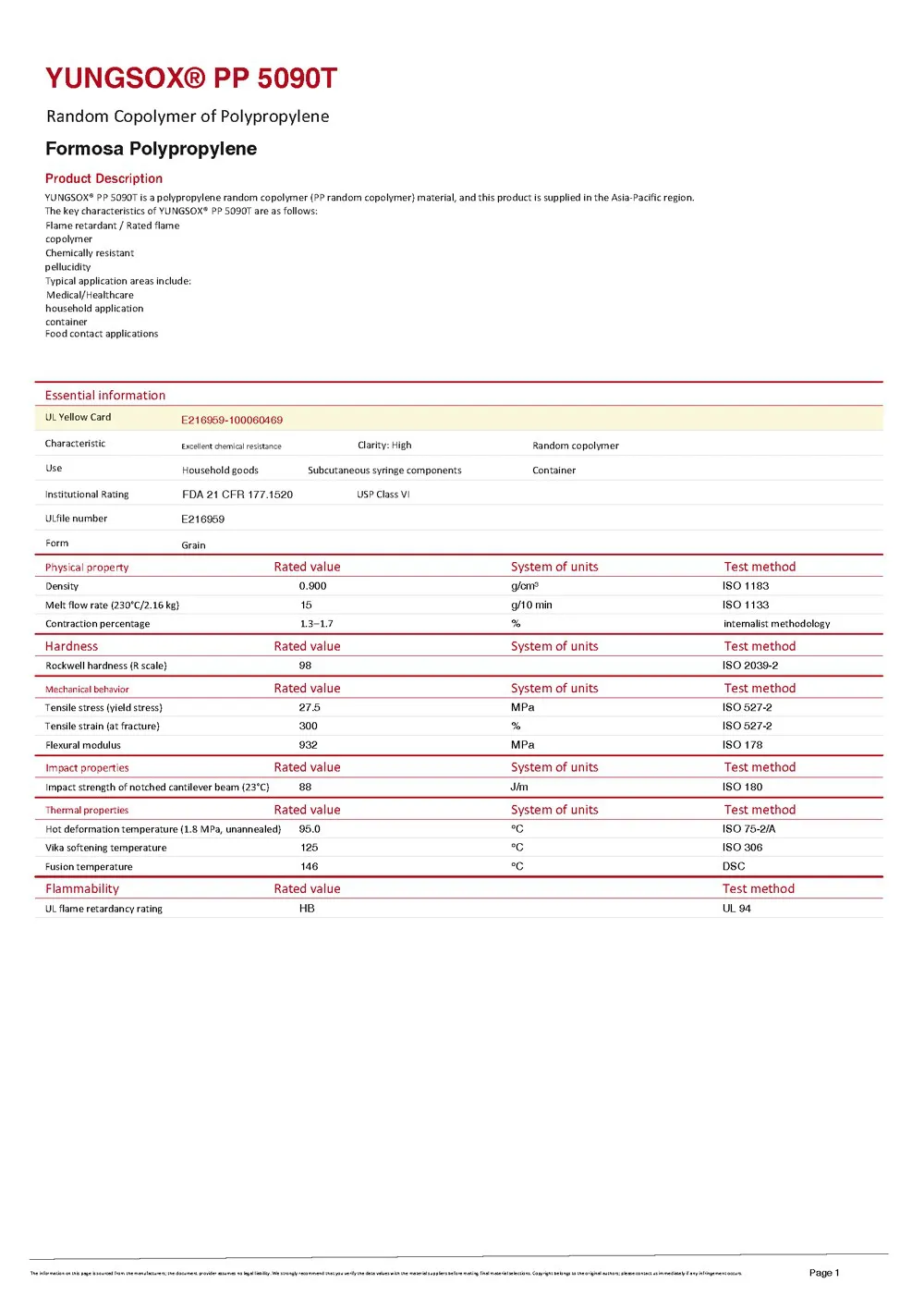
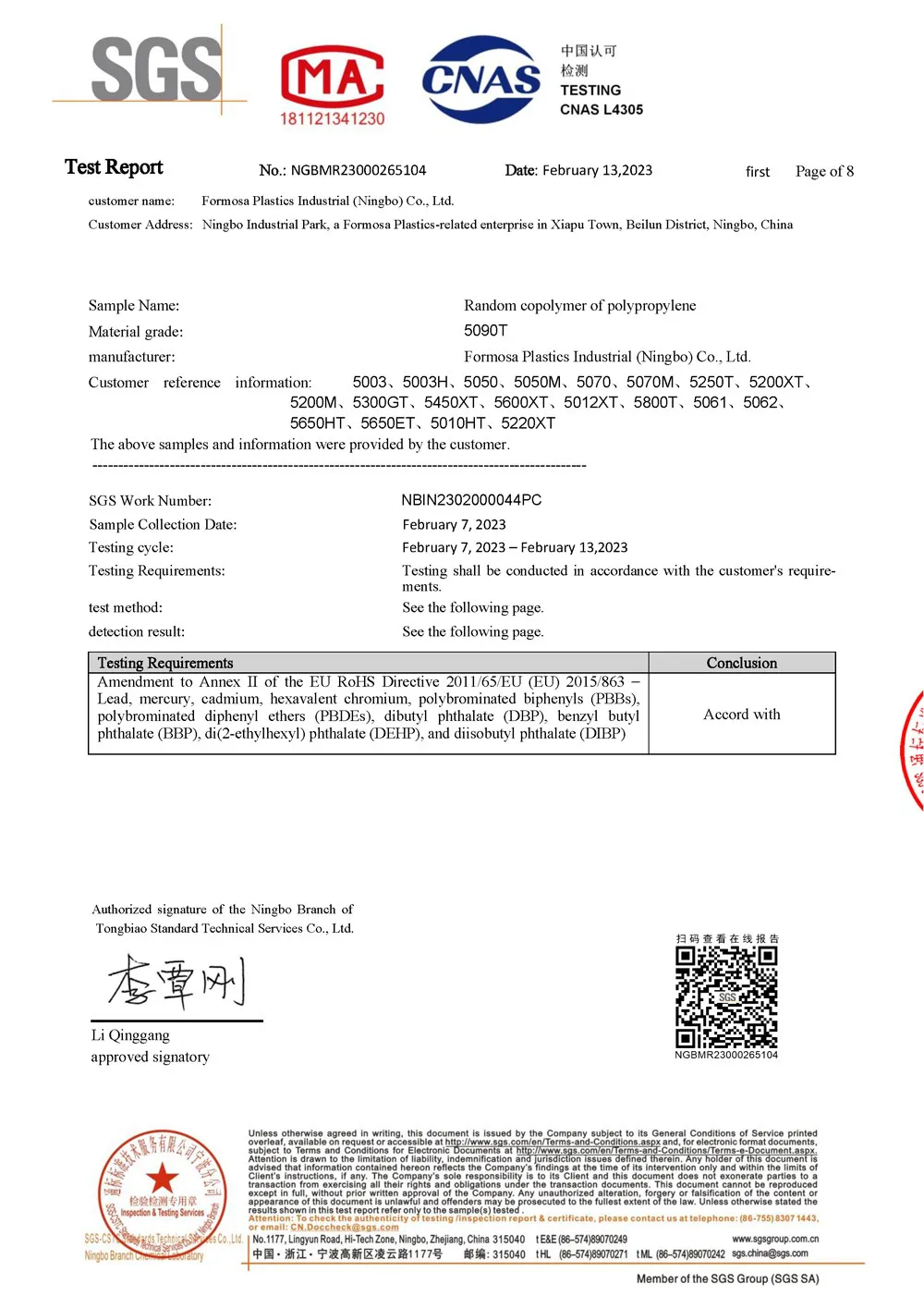
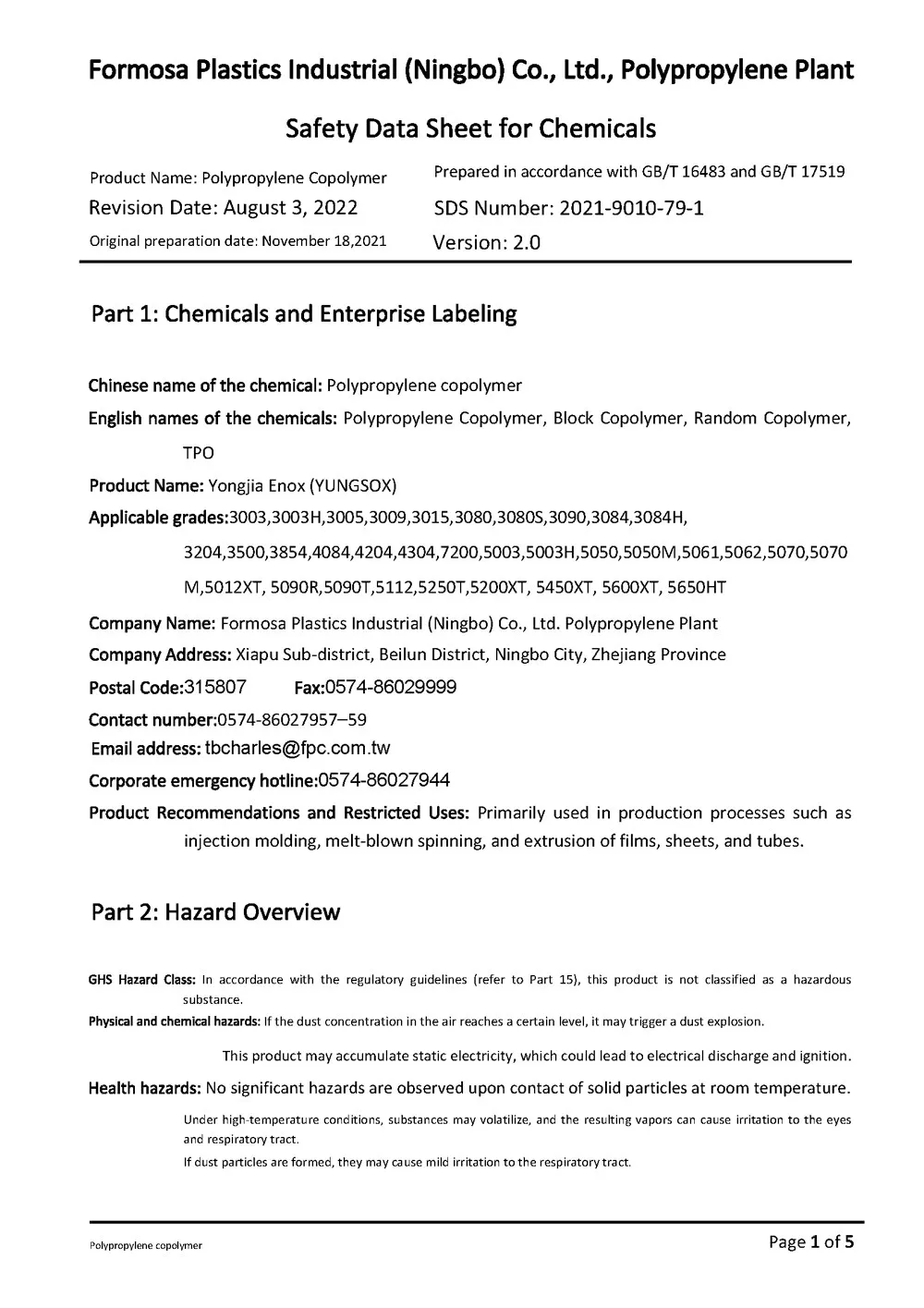
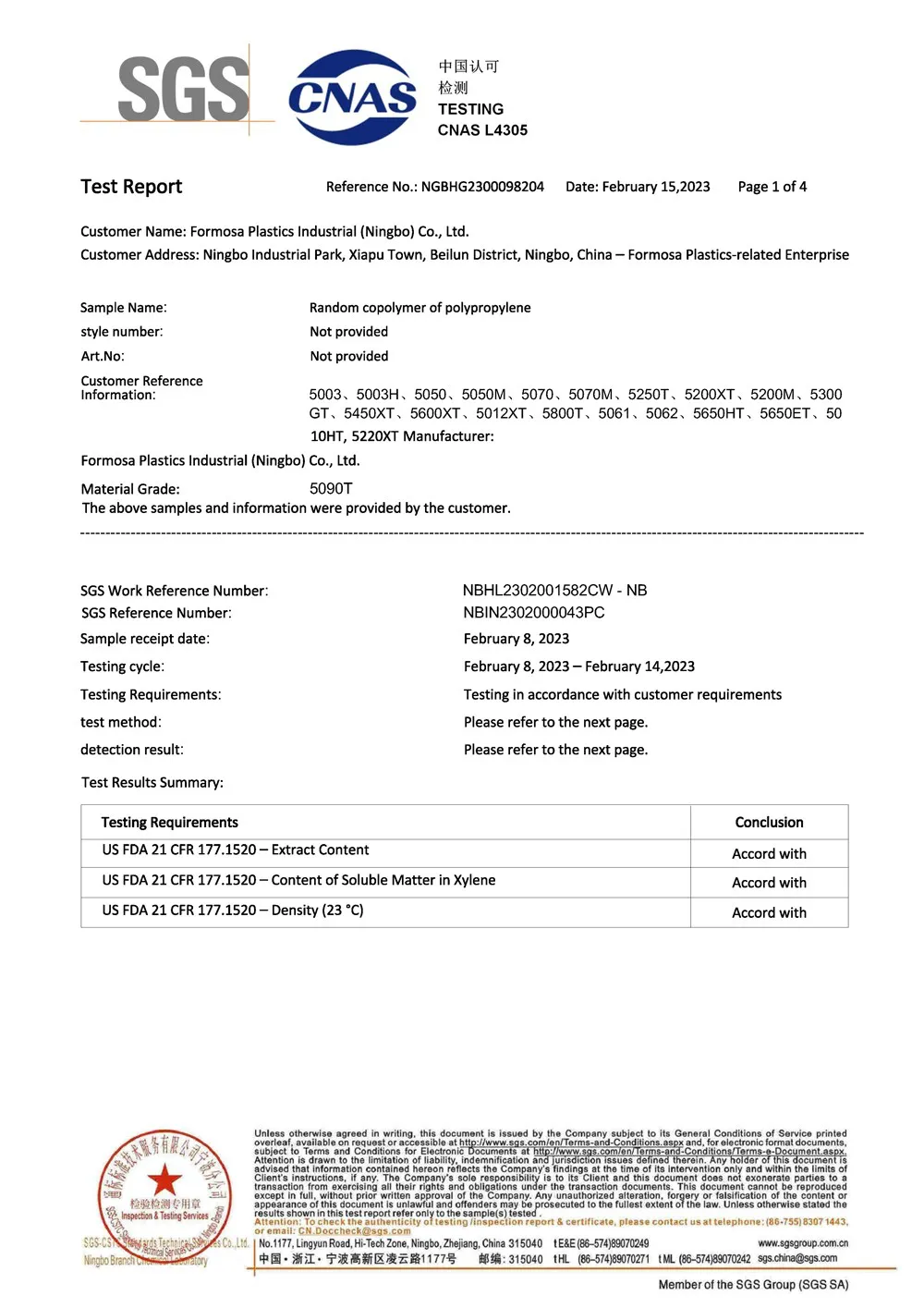
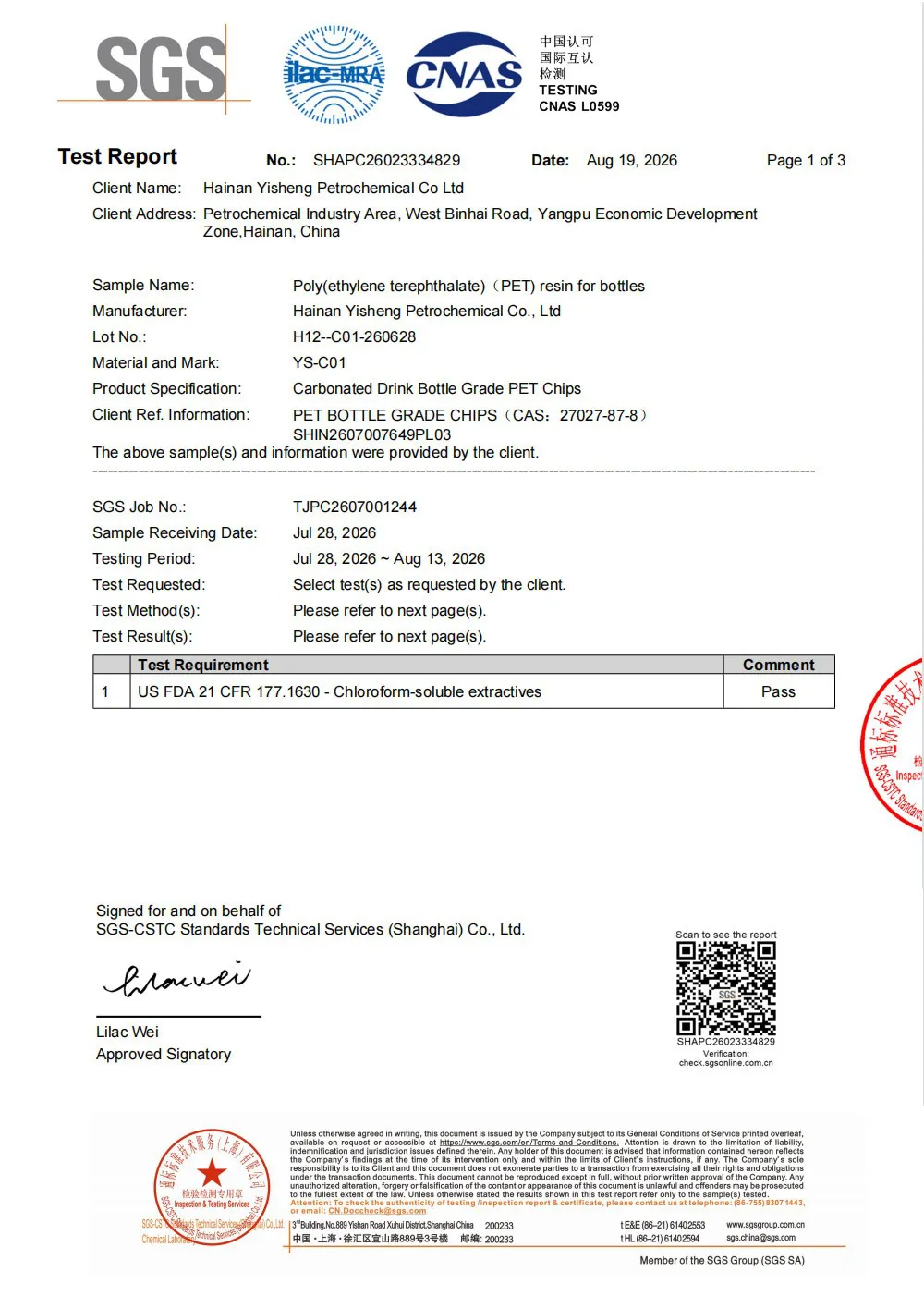
When it comes to packaging vitamins and supplements, compliance with global standards isn't optional—it's essential. Consumers trust that the products they buy are safe, and regulatory bodies (like the FDA in the U.S., EC in Europe, and TGA in Australia) have strict guidelines to ensure this. That's why choosing an iso9001 certified packaging factory is non-negotiable.
ISO 9001 is an international standard that sets requirements for a quality management system (QMS). Factories with this certification have demonstrated that they consistently produce products that meet customer and regulatory requirements. This includes everything from raw material sourcing and production processes to quality control and customer service. By partnering with an ISO 9001-certified supplier, you can be confident that your packaging is made to the highest standards, reducing the risk of defects, recalls, or compliance issues.
But ISO 9001 is just the starting point. For pharmaceutical-grade vitamins, look for suppliers with GMP (Good Manufacturing Practice) compliance. GMP ensures that products are manufactured in a clean, controlled environment, free from contamination. This is especially important for vitamins, which are ingested and must be free from bacteria, dust, or other impurities. A dust-free gmp compliant workshop minimizes the risk of contamination, ensuring that your packaging meets the strictest safety standards.
Other certifications to look for include FDA registration (for products sold in the U.S.), CE marking (for Europe), and ISO 15378 (specifically for pharmaceutical packaging). These certifications not only ensure compliance but also give your customers peace of mind, knowing that your products are safe and reliable.
Vitamins and supplements can be dangerous if ingested by children—especially iron supplements, which can be fatal in large doses. That's why hdpe pill bottles with child-resistant cap are a must for any brand that cares about safety. Child-resistant (CR) caps are designed to be difficult for young children to open, reducing the risk of accidental poisoning, while still being easy for adults to use.
CR caps work through a combination of mechanisms, such as push-and-turn, squeeze-and-turn, or flip-top designs. The most common is the push-and-turn cap, which requires the user to push down on the cap while twisting—a motion that young children (under 5 years old) typically can't master. These caps are rigorously tested to ensure they meet safety standards, such as ASTM D3475 in the U.S. or EN 14375 in Europe.
But child-resistant caps aren't just about safety—they're also about trust. When parents see a CR cap on a vitamin bottle, they feel confident that the brand prioritizes their family's well-being. This can be a powerful differentiator, especially in a market where safety is a top concern for consumers. Many retailers, including major chains like Walmart and Walgreens, also require CR caps for vitamin products, making them a practical necessity for getting your products on shelves.
In addition to CR caps, other safety features to consider include tamper-evident seals (which show if a bottle has been opened) and clear labeling (e.g., dosage instructions and warnings). Together, these features not only protect consumers but also shield your brand from liability, ensuring that you're seen as a responsible, trustworthy manufacturer.
Today's consumers are more environmentally conscious than ever, and they expect the brands they support to share their values. That's why sustainable plastic packaging solutions are no longer a trend—they're a requirement. Fortunately, HDPE is a highly recyclable material, and many packaging suppliers are investing in eco-friendly practices to reduce their environmental impact.
One of the most popular sustainable options is PCR (post-consumer recycled) plastic. PCR HDPE is made from recycled plastic bottles, reducing the need for virgin materials and diverting waste from landfills. Many suppliers now offer bottles made from 30-100% PCR plastic, with the same quality and durability as virgin HDPE. This allows brands to market their products as eco-friendly, appealing to environmentally conscious consumers without compromising on performance.
Another sustainable practice is lightweighting—designing bottles with less material while maintaining strength. This reduces the amount of plastic used per bottle, lowering both production costs and environmental impact. Additionally, some suppliers offer refillable bottle options, encouraging customers to reuse containers instead of disposing of them after one use. Refillable bottles not only reduce waste but also create a loyal customer base, as consumers return to buy refills rather than switching to competitors.
Other sustainability efforts include using biodegradable additives (which help plastic break down faster in landfills), implementing energy-efficient production processes, and offsetting carbon emissions. When choosing a supplier, look for those that are transparent about their sustainability practices and can provide certifications (like FSC or Recycled Claim Standard) to back up their claims. By prioritizing sustainability, you'll not only reduce your environmental footprint but also attract a growing segment of eco-conscious consumers.
HDPE vitamin bottles come in a wide range of sizes, each suited to different needs. To help you choose the right one for your product, here's a breakdown of common sizes, their uses, and key features:
| Bottle Size | Common Uses | Cap Options | Minimum Order Quantity (MOQ) | Key Benefits |
|---|---|---|---|---|
| 30ml | Sample sizes, travel-sized vitamins, single-serve supplements | Screw caps, small child-resistant caps, disc top caps | 5,000–10,000 units | Low cost, easy to distribute, ideal for marketing campaigns |
| 60ml–120ml | Standard daily vitamins, herbal supplements, small-batch products | Child-resistant caps, tamper-evident caps, flip-top caps | 3,000–5,000 units | Balances portability and quantity, fits most retail shelves |
| 250ml | Family-sized vitamins, monthly supply, bulk supplements | Large child-resistant caps, wide-mouth caps (for easy filling) | 2,000–3,000 units | Cost-effective for consumers, reduces packaging waste per dose |
| 500ml | Bulk supplements, institutional use (e.g., clinics, gyms) | Wide-mouth child-resistant caps, pump dispensers (for liquids) | 1,000–2,000 units | Lowest cost per dose, ideal for high-demand products |
When choosing a size, consider your target audience (e.g., families vs. travelers), your product's dosage (e.g., one pill per day vs. multiple), and your distribution channels (e.g., online vs. retail). A good packaging supplier will help you select the size that balances functionality, cost, and consumer appeal.
At the heart of any custom packaging solution is the mold design. Custom mold design for plastic bottles is a collaborative process that turns your ideas into a physical product. Here's a step-by-step look at how it works:
While custom mold design requires an initial investment of time and money, it's worth it for brands that want to stand out. A unique bottle shape or embossed logo can make your product instantly recognizable, turning first-time buyers into loyal customers.
When it comes to wholesale private label vitamin packaging, many brands turn to China for its combination of quality, cost, and expertise. Chinese suppliers, especially those in Guangdong province (a hub for plastic manufacturing), have decades of experience producing HDPE bottles and other packaging solutions. They offer state-of-the-art facilities, advanced molding technology, and a deep understanding of global compliance standards—all at competitive prices.
Working directly with a factory (rather than a middleman) has several advantages. First, it reduces costs: cutting out the middleman means lower prices, as you're buying directly from the source. Second, it improves communication: you'll work directly with the design and production teams, ensuring that your needs are understood and met. Third, it gives you more control: many factories offer private label plastic packaging services, allowing you to customize every aspect of your bottles without going through a third party.
When choosing a Chinese supplier, look for those with a proven track record: check customer reviews, ask for samples, and verify certifications (like ISO 9001 and GMP). A reputable supplier will be transparent about their processes, provide clear timelines, and stand behind their products—ensuring a smooth, stress-free experience.
At the end of the day, your vitamin packaging is more than just a container—it's an extension of your brand. It protects your product, communicates your values, and connects with your customers. By choosing wholesale private label HDPE bottles with logo embossing, you're investing in a solution that does all three: HDPE provides the durability and protection your vitamins need, private label allows you to customize every detail, and embossing ensures your brand is unforgettable.
But the best packaging is only as good as the supplier behind it. Look for partners who prioritize quality (ISO 9001, GMP), safety (child-resistant caps, tamper-evident seals), and sustainability (PCR plastic, eco-friendly processes). A supplier that understands your brand's goals and works with you to achieve them can be a valuable asset as you grow.
So whether you're launching a new supplement line or refreshing your existing packaging, remember: the right bottle can make all the difference. With custom embossed HDPE bottles, you're not just packaging vitamins—you're building a brand that consumers trust, recognize, and choose, day after day.